Endometriosis and Fertility: Your Complete Science-Backed Guide to Understanding the Connection and Conceiving


Understanding Endometriosis and Its Impact on Fertility
Endometriosis affects approximately 1 in 10 women of reproductive age worldwide, making it one of the most common conditions linked to infertility. In this chronic condition, tissue similar to the uterine lining grows outside the uterus — on the ovaries, fallopian tubes, bladder, and other pelvic structures — causing inflammation, scar tissue, and adhesions that can interfere with conception.
A landmark study published in Human Reproduction Update found that 30-50% of women with endometriosis experience infertility. However, this statistic does not mean pregnancy is out of reach. With the right medical care, lifestyle adjustments, and targeted nutritional support, the vast majority of women with endometriosis can achieve a successful pregnancy.
The mechanisms through which endometriosis affects fertility are complex: inflammation can damage egg quality and sperm function, adhesions may block the fallopian tubes, and the condition can impair implantation. Endometriosis also increases oxidative stress throughout the pelvic cavity, creating an environment less hospitable to conception.
Stages of Endometriosis and Fertility Outlook
Stage I (Minimal): Small lesions on pelvic surfaces. Minimal impact on fertility. Stage II (Mild): Deeper implants and some adhesions. Stage III (Moderate): Multiple deep implants and significant adhesions. Stage IV (Severe): Extensive endometriosis with dense adhesions.
A 2022 systematic review found that women who underwent laparoscopic removal of endometriosis lesions had a 38% higher spontaneous pregnancy rate.
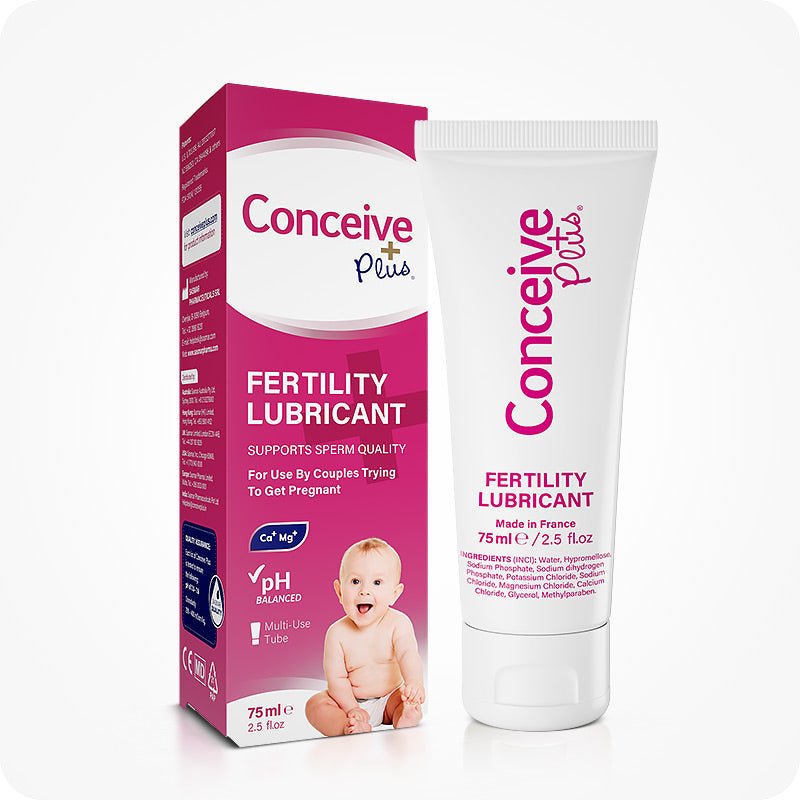
Support your body through your fertility journey. Women's Fertility Support from Conceive Plus is formulated to support your fertility journey.
How Endometriosis Affects Egg Quality
Endometriosis creates chronic inflammation that accelerates ovarian follicle depletion. Women with endometriosis have 30-40% lower AMH levels. CoQ10 (200-600 mg daily) improves mitochondrial function in egg cells. NAC at 600 mg three times daily reduced endometrioma size by 64% in studies.
Anti-Inflammatory Diet for Endometriosis
Focus on omega-3 rich foods (salmon, sardines, walnuts), colourful vegetables, fibre-rich whole grains, and berries. Avoid red and processed meats, trans fats, refined sugars. A 2021 study found 75% of women reported symptom improvement on a gluten-free diet.
Medical Treatments
Laparoscopic Surgery: Gold standard — pregnancy rates after surgery range 30-60%. IVF with Endometriosis: Success rates are very good with proper management. Fertility Preservation: Egg freezing increasingly recommended as endometriosis can reduce ovarian reserve.
Supplements for Endometriosis and Fertility
NAC: 1,800 mg daily. Vitamin D: 2,000-4,000 IU. Omega-3: 1,000-2,000 mg. CoQ10: 200-600 mg. Magnesium: 300-400 mg.
Pain Management While TTC
Heat therapy, acupuncture (30-50% pain reduction), pelvic floor physiotherapy, and TENS machines are all safe while trying to conceive.
Frequently Asked Questions
Can I get pregnant naturally with endometriosis? Yes. Many women conceive naturally, particularly after surgery. Does it get worse with age? It can be progressive. Is IVF successful? Yes — approaches rates of women without the condition. What foods to avoid? Red meat, trans fats, refined sugar, alcohol. Does surgery improve fertility? Yes, significantly. Can supplements help? Yes — NAC, vitamin D, omega-3s, CoQ10. Freeze eggs? Worth considering. Best diet? Anti-inflammatory Mediterranean diet.
Take the next step in your journey. Women's Fertility Support — every step forward matters.