Sperm Morphology Supplements: Can You Improve Sperm Shape?


If you've recently received a semen analysis result showing poor sperm morphology, you're likely wondering whether supplements for sperm morphology can actually help. The short answer is yes — targeted nutritional supplementation can meaningfully support sperm shape and structure. This article breaks down exactly what sperm morphology is, why it matters for fertility, and which evidence-backed nutrients and sperm morphology supplement strategies are worth exploring.
What Is Sperm Morphology — and Why Does Shape Matter?
Sperm morphology refers to the size and shape of sperm cells. According to the World Health Organization (WHO) 2021 reference criteria, a normal semen sample should contain at least 4% morphologically normal sperm (Kruger strict criteria). When fewer than 4% of sperm are normally shaped, the condition is called teratozoospermia.
Normal sperm have an oval head approximately 2.5–3.5 µm wide and 5–6 µm long, a midpiece with well-aligned mitochondria, and a long, straight tail (flagellum) that enables efficient swimming. Any deviation — a misshapen head, bent neck, coiled tail, or double tail — can impair the sperm's ability to fertilise an egg.
While many people assume sperm count is the most critical fertility parameter, morphology is equally important. A study published in Human Reproduction found that men with strict morphology below 4% had significantly lower IVF fertilisation rates, even when sperm count and motility were in normal ranges. Poor morphology also increases the risk of DNA fragmentation inside the sperm head, which can affect embryo quality and miscarriage rates.
Teratozoospermia supplement strategies are gaining attention in reproductive medicine precisely because morphology is one of the more modifiable sperm parameters — unlike genetic conditions, environmental and nutritional factors play a significant role.
What Causes Poor Sperm Morphology?
Understanding the root causes of abnormal sperm shape helps identify where supplementation can intervene. Common contributors include:
- Oxidative stress: Reactive oxygen species (ROS) damage sperm membranes and DNA during development (spermatogenesis). This is the most cited cause of morphological defects.
- Nutritional deficiencies: Deficiencies in folate, zinc, selenium, and antioxidant vitamins are consistently associated with higher rates of abnormal sperm in population studies.
- Heat exposure: The testes reside outside the body for a reason — sperm production requires temperatures 2–4°C below core body temperature. Prolonged exposure to heat (hot tubs, heated car seats, tight underwear) impairs morphology.
- Smoking and alcohol: Both significantly increase ROS production. Meta-analyses confirm smokers have 1.3× more abnormal sperm than non-smokers.
- Hormonal imbalances: Low FSH or testosterone disrupts the maturation phase where sperm develop their shape.
- Varicocele: Enlarged scrotal veins raise local temperature and increase oxidative stress.
- Toxin exposure: Pesticides, heavy metals (lead, cadmium), and plasticisers (BPA) are endocrine disruptors that harm sperm formation.
Spermatogenesis takes approximately 72–74 days. This means any intervention — dietary, supplemental, or lifestyle — needs at least three months before its full effect is visible on a new semen analysis. This timeline is why male fertility supplements morphology programmes are typically evaluated over 90-day cycles.
Key Supplements for Sperm Morphology: The Evidence
The following nutrients have the strongest research base for improving sperm shape. Most work through antioxidant mechanisms or as cofactors in DNA synthesis and cellular repair.
1. Folate (and L-Methylfolate)
Folate is essential for DNA methylation and nucleotide synthesis — both critical during the rapid cell divisions of spermatogenesis. A landmark Dutch study found that men who consumed higher dietary folate had significantly fewer sperm with abnormal morphology. Notably, a 2002 study in Fertility and Sterility showed that folate supplementation (5 mg/day) combined with zinc resulted in a 74% increase in total normal sperm count in sub-fertile men.
Many men carry MTHFR gene variants that reduce their ability to convert folic acid to its active form. For these individuals, L-methylfolate (already activated) is a superior supplement choice and is included in the Conceive Plus Men's formula.
2. Zinc
Zinc is the most concentrated mineral in seminal plasma and is integral to the enzyme systems that protect sperm during ejaculation. Zinc deficiency is directly associated with reduced testosterone, impaired spermatogenesis, and higher rates of abnormal sperm morphology. A 2018 review in Nutrients confirmed that zinc supplementation improved total sperm count and the percentage of normally shaped sperm in infertile men with confirmed low zinc levels.
3. Selenium
Selenium is incorporated into selenoproteins — particularly glutathione peroxidase (GPx5) — that act as primary antioxidant defences in the epididymis where sperm mature. A well-designed RCT published in BJU International (2011) found that 100 µg/day selenium for 26 weeks significantly improved sperm motility and the percentage of morphologically normal sperm versus placebo. Selenium is particularly important in regions with selenium-poor soils, which includes much of Europe and parts of the US Northeast.
4. Coenzyme Q10 (CoQ10)
CoQ10 is a fat-soluble antioxidant located in the inner mitochondrial membrane — exactly where sperm generate the energy for motility. Beyond energy production, CoQ10 neutralises ROS directly. A meta-analysis of 7 RCTs (2018, Journal of Urology) found CoQ10 supplementation significantly improved sperm density, motility, and morphology. Typical effective doses range from 200–600 mg/day of ubiquinol (the reduced, more bioavailable form).
5. Vitamin C and E
These classic antioxidants work synergistically to protect sperm cell membranes from lipid peroxidation — a primary driver of morphological defects. Research shows that men with low vitamin C intake have significantly higher sperm DNA fragmentation. A combination supplementation trial found that 1,000 mg vitamin C plus 1,000 IU vitamin E daily reduced the percentage of abnormal sperm by 11% and DNA fragmentation by 38% over 56 days.
6. L-Carnitine
L-carnitine (and its acetyl form, acetyl-L-carnitine) shuttles long-chain fatty acids into mitochondria for energy production and plays a specific role in epididymal sperm maturation. Multiple RCTs have shown carnitine supplementation improves sperm forward motility and morphology, particularly in men with asthenozoospermia (poor motility) co-occurring with teratozoospermia.
7. Lycopene
Found naturally in tomatoes, lycopene is a potent carotenoid antioxidant. A prospective study found men with the highest lycopene intake had a 22% lower risk of poor morphology. Supplement form (10–20 mg/day) showed improvements in sperm morphology in two small RCTs, suggesting bioavailability is superior to food-form lycopene for therapeutic use.
Ready to support your fertility journey? Conceive Plus offers clinically-formulated fertility supplements and sperm-friendly lubricants trusted by thousands of couples worldwide. Shop Conceive Plus →
Improve Sperm Morphology: Lifestyle Changes That Amplify Supplements
Supplements work best in the context of overall lifestyle optimisation. To improve sperm morphology most effectively, combine nutritional supplementation with these evidence-based strategies:
- Quit smoking: One of the single highest-impact changes. Morphology improvements are measurable within one spermatogenesis cycle (3 months) of cessation.
- Limit alcohol: Reduce to fewer than 4 units/week. Heavy drinking (>14 units/week) is associated with double the rate of abnormal sperm morphology.
- Manage heat exposure: Switch to loose-fitting boxers, avoid prolonged laptop-on-lap use, and limit hot tub sessions to under 15 minutes.
- Maintain healthy weight: Obesity causes elevated scrotal temperature, increased oestrogen conversion (aromatisation), and oxidative stress — a triple hit on morphology.
- Reduce stress: Chronic stress elevates cortisol, suppresses testosterone, and increases ROS production. Mind-body practices, sleep optimisation, and exercise all help.
- Mediterranean diet: Rich in antioxidants, healthy fats, and micronutrients (all the above), this eating pattern is the most consistently associated with better sperm parameters in observational research.
- Exercise moderately: 150+ minutes of moderate aerobic exercise weekly improves antioxidant enzyme activity. Excessive endurance exercise (marathon training) can paradoxically increase oxidative stress.
Conceive Plus vs Pre-Seed: Which Is Right for Male Fertility?
When couples are trying to conceive, lubricant choice matters too — many conventional lubricants are cytotoxic to sperm. This often raises the question of how Conceive Plus compares to Pre-Seed.
Pre-Seed is a sperm-friendly lubricant that matches cervical mucus pH and osmolality. It's a solid choice for couples who need vaginal lubrication and want to avoid harming sperm. However, Pre-Seed is primarily a lubricant — it doesn't contain nutrients that support sperm quality.
Conceive Plus offers a two-pronged approach:
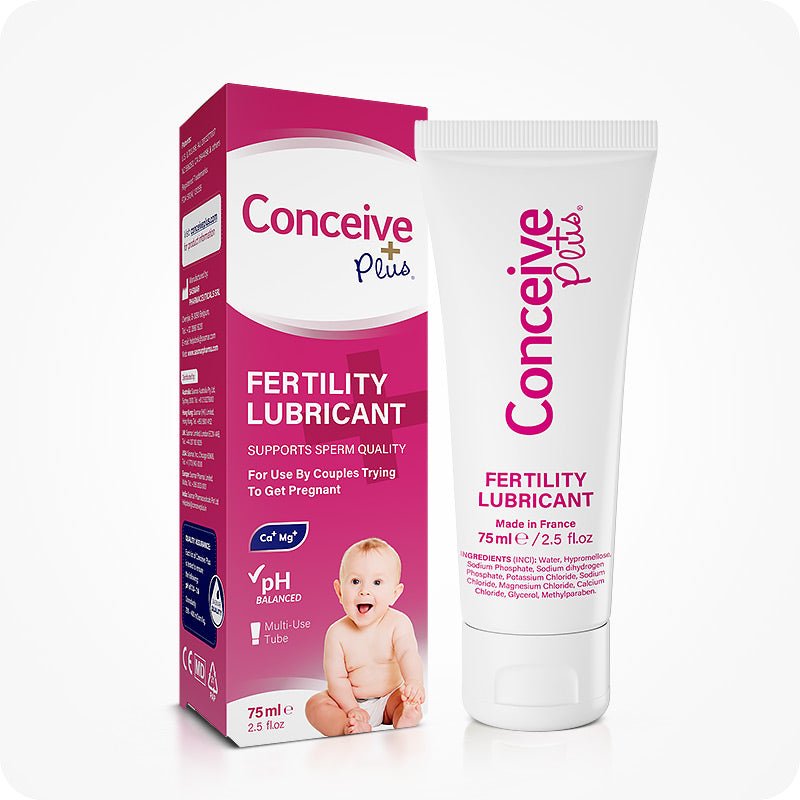
- The Conceive Plus lubricant is FDA-cleared for use during conception attempts, with pH 7.0–7.5 and osmolality matched to fertile-quality cervical mucus — clinically shown to not impair sperm motility.
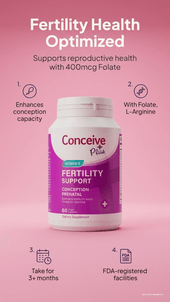
- The Conceive Plus Men's Fertility Supplement directly targets sperm quality parameters including morphology, count, and motility through a comprehensive blend of the nutrients discussed in this article: L-methylfolate, zinc, selenium, CoQ10, vitamins C and E, and L-carnitine.
For couples where male factor infertility is a concern — particularly poor morphology — the Conceive Plus fertility supplement combined with the sperm-safe lubricant provides a more comprehensive support strategy than Pre-Seed alone. Conceive Plus is also third-party tested for purity and potency, and free from artificial additives that could compromise hormonal health.
Bottom line: if you're dealing with teratozoospermia specifically, choosing Conceive Plus gives you both the lubricant safety and the targeted nutritional support that Pre-Seed doesn't offer. Visit conceiveplus.com/collections/fertility-supplements to explore the full range.
How Long Until You See Results from Sperm Morphology Supplements?
This is one of the most common questions, and the answer requires understanding spermatogenesis. Because sperm take approximately 74 days to develop from stem cells to mature spermatozoa, supplementation must be maintained for at least 3 months before its impact can be measured on a semen analysis.
Research timelines from clinical trials:
- Folate + zinc combination: morphology improvements seen at 26 weeks
- Selenium alone: significant improvements at 26 weeks
- CoQ10 (200 mg/day): morphology and motility changes measured at 3 months
- Combined antioxidant formulas: meaningful improvements in 3–6 months
Experts recommend beginning supplementation at least 3–6 months before planned conception. Couples undergoing IVF or IUI should ideally start 3–4 months before egg retrieval to allow the improvement cycle to complete. Conceive Plus recommends their Men's Fertility Supplement for a minimum of 90 days for best results, which aligns with this biological timeline.
What to Look for in a Sperm Morphology Supplement
Not all fertility supplements are created equal. When evaluating a sperm morphology supplement, look for:
- Clinical dosages: Check that each ingredient is dosed at levels used in the supporting research — not just a token amount for label appeal.
- Bioavailable forms: L-methylfolate vs folic acid; ubiquinol vs ubiquinone (CoQ10); chelated minerals vs oxides.
- Third-party testing: Look for NSF, USP, or Informed Sport certification for purity and label accuracy.
- No unnecessary additives: Avoid supplements with artificial colours, BPA-containing packaging, or endocrine-disrupting excipients.
- Synergistic formulation: Individual nutrients work better in combination than alone. A comprehensive formula targeting multiple pathways (antioxidant defence, DNA synthesis, mitochondrial energy) is more effective than single-nutrient products.
Conceive Plus Men's Fertility Supplement is formulated specifically with these criteria in mind — clinically-relevant dosages, bioavailable nutrient forms, and third-party quality verification. It's designed to address the most common nutritional deficiencies underlying poor sperm morphology. Shop Conceive Plus fertility supplements here.
FAQ: Supplements for Sperm Morphology
Can supplements really improve sperm morphology?
Yes, multiple randomised controlled trials have demonstrated that targeted nutritional supplementation — particularly antioxidants like CoQ10, selenium, and vitamins C and E, combined with folate and zinc — can meaningfully improve the percentage of morphologically normal sperm. Results typically require 3–6 months of consistent supplementation.
What is the best supplement for sperm morphology?
No single supplement is best — the evidence supports a comprehensive approach. The combination of folate (or L-methylfolate), zinc, selenium, CoQ10, vitamins C and E, and L-carnitine addresses the main pathways involved in sperm morphology: oxidative stress defence, DNA integrity, and cellular energy production.
How quickly can sperm morphology improve?
Because spermatogenesis takes 72–74 days, morphology changes are typically measurable after 3 months of supplementation, with maximum effect at 6 months. There are no shortcuts that bypass this biological timeline.
Is teratozoospermia (low morphology) treatable?
In many cases, yes — particularly when the cause is nutritional deficiency, oxidative stress, or lifestyle factors. Severe teratozoospermia may have genetic components that supplements cannot address, but even in those cases, optimising nutritional status can improve IVF outcomes. Always work with a reproductive urologist for diagnosis and treatment planning.
Does zinc really help sperm morphology?
Yes. Zinc is the most concentrated mineral in seminal plasma and plays a critical enzymatic role in spermatogenesis. Multiple studies confirm that zinc supplementation improves morphology in men with confirmed zinc deficiency, and may help even in men with borderline levels.
Is CoQ10 good for sperm morphology?
Very good evidence supports CoQ10 for overall sperm quality including morphology. A 2018 meta-analysis of 7 randomised trials found CoQ10 significantly improved morphology, motility, and sperm density. The ubiquinol form is more bioavailable, especially in men over 35.
Can I take a general multivitamin instead?
General multivitamins typically contain too-low doses of the key nutrients for therapeutic effect on sperm morphology. A dedicated male fertility supplement with clinical dosages of the specific nutrients (zinc 15–25 mg, selenium 100–200 µg, CoQ10 200–400 mg, folate 400–800 µg) is significantly more effective.
Are Conceive Plus supplements safe?
Conceive Plus Men's Fertility Supplement is formulated with safety and tolerability in mind, using well-studied nutrient forms at doses consistent with published safety data. It is third-party tested for purity and is free from major allergens and artificial additives. As with any supplement, consult your healthcare provider if you have underlying medical conditions or take medications.
Does diet affect sperm morphology?
Significantly. The Mediterranean diet — rich in fruits, vegetables, whole grains, legumes, fish, and olive oil — is the most consistently linked to better sperm parameters including morphology. Processed foods, trans fats, and high-sugar diets increase oxidative stress and are associated with worse morphology outcomes.
How does Conceive Plus compare to just taking individual supplements?
Taking individual supplements may seem economical but creates complexity and increases the risk of imbalanced dosing. Conceive Plus formulates all key nutrients in synergistic, clinically-informed ratios in a single daily supplement, which supports adherence and ensures no key pathways are overlooked. It's tested as a complete formula, not just as isolated ingredients.