What Are the Chances of 2 Million Sperm Count Pregnancy?


For couples trying to conceive, learning about a low sperm count can be tough. It might feel like the odds are against you, but a 2 million sperm count pregnancy is still possible. Sure, lower sperm numbers reduce the chances, but it doesn’t mean it’s the end of the road. In this article, we’ll explore how sperm count impacts your ability to conceive and what you can do to boost those chances—even with a 2 million sperm count pregnancy.

What’s a Low Sperm Count, Anyway?
Low sperm count, or oligospermia, means that the sperm in a man’s semen is below the normal level. A healthy sperm count is usually over 15 million sperm per milliliter of semen. But when you’re looking at a 1 million sperm count pregnancy, it’s definitely a lower chance, though not impossible [1].
And it’s not just about the number of sperm either. The quality matters just as much. How well sperm move (motility) and their shape (morphology) are really key. Even if your sperm count is low, having good-quality sperm can still lead to success, especially when aiming for that 2 million sperm count pregnancy [2].
Can You Still Get Pregnant with a 2 Million Sperm Count?
Yes, you can. A 2 million sperm count pregnancy can happen, though it might take a bit more time and effort. While it's below the ideal range, studies show that natural conception is still within reach. Sometimes, it might just take longer [3]. And let’s not forget, there’s always help available. Fertility treatments like intrauterine insemination (IUI) or in vitro fertilization (IVF) can also improve your chances [4]. For couples exploring fertility options, at home fertility test can offer initial insights into fertility status, making it easier to decide on next steps in the journey to conception.
How to Improve Your Chances of Pregnancy with Low Sperm Count
There are actually quite a few things you can do to boost your odds, even with a 1 million sperm count pregnancy or a 2 million sperm count pregnancy. Here’s what might help:
-
Use Supplements with Essential Nutrients
Some vitamins and minerals are key for improving sperm health. Zinc, selenium, L-arginine, and CoQ10 are some of the most important. Zinc is crucial for sperm production, while selenium is an antioxidant that protects sperm from damage [5]. L-arginine helps improve blood flow to reproductive organs, and CoQ10 gives sperm the energy they need to move better [6].
-
Make Healthier Lifestyle Choices
Smoking? Gotta quit. Heavy drinking? Cut it down. All these habits can mess with your sperm count and quality. Switching to a healthier lifestyle can make a huge difference [7]. It’s also smart to avoid exposing the testicles to heat—no more hot baths or tight pants. Heat can mess up sperm production [8].

-
Try Fertility-Friendly Lubricants

✨ Support Healthy Sperm
Our Motility Support supplement contains Zinc, CoQ10, and L-Carnitine — clinically studied nutrients for sperm health and motility.
Shop Now — $34.95✓ Free shipping on orders over $40 | ✓ Trusted by millions of couples worldwide
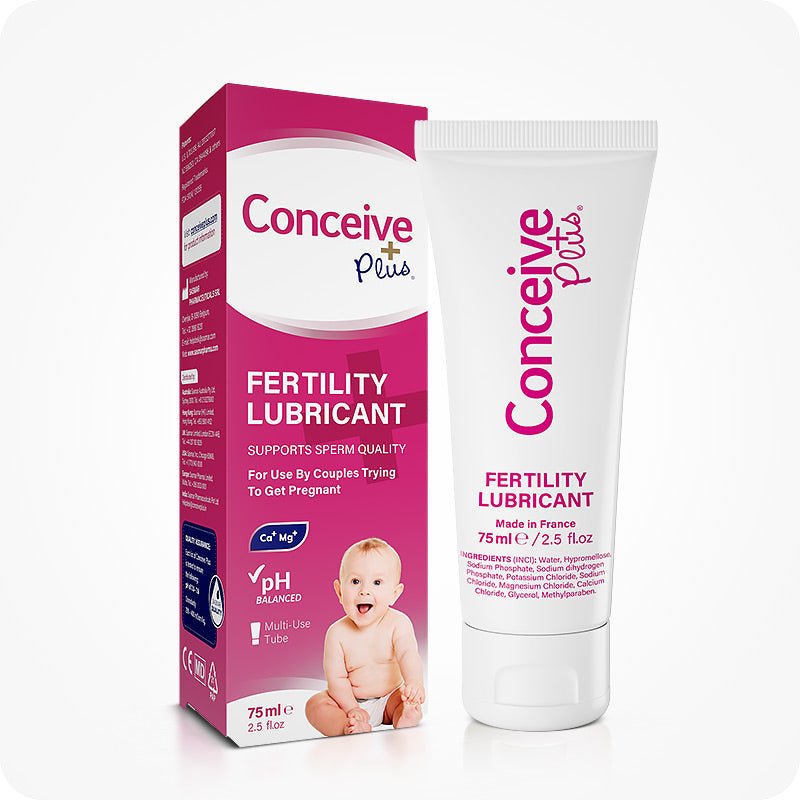
Not all lubricants are created equal. Regular lubricants can slow sperm down, making it harder for them to reach the egg. Fertility-friendly lubricants that contain calcium and magnesium are better. They support sperm movement and increase their chances of survival [9].
Top Tip: Timing intercourse around the female partner’s ovulation period can also give the sperm the best chance of success, especially when dealing with a 1 million sperm count pregnancy [10].
Why Timing is Everything
When sperm count is low, the timing of intercourse can make or break your chances of getting pregnant. The best time? During the female partner’s fertile window, which is a few days before and during ovulation. This is when the chances of a 2 million sperm count pregnancy are highest [11]. The sperm need to be ready and waiting when the egg is released, so timing is key.
The Bottom Line
Yes, it can be harder to conceive with a 2 million sperm count pregnancy or 1 million sperm count pregnancy, but it’s definitely not impossible. By focusing on improving sperm quality through proper nutrition, supplements, and smart lifestyle choices, you can increase your chances [12]. Conceive Plus offers fertility-friendly products packed with essential nutrients to support couples on their journey to conception. Sometimes, all it takes is a few changes to make a big difference. With some adjustments and patience, it’s possible to improve your fertility chances and get closer to your goal of starting or growing your family.

FAQs
Can I get pregnant with a 2 million sperm count?
Yes, it’s possible, but it may take longer or require additional support like fertility treatments.
What supplements help with sperm quality?
Nutrients like zinc, selenium, L-arginine, and CoQ10 can help improve sperm health and boost fertility.
Does a healthy lifestyle really improve sperm count?
Absolutely! Quitting smoking, limiting alcohol, eating well, and avoiding heat can all improve sperm count and quality.
When is the best time to try for pregnancy?
Intercourse during the fertile window, which is around ovulation, gives you the best chance of conception.
Can IUI or IVF help with low sperm count?
Yes, if natural conception isn’t happening, fertility treatments like IUI or IVF may be recommended by your doctor.
Citations
- A unique view on male infertility around the globe. Reproductive biology and endocrinology. Available at: https://pubmed.ncbi.nlm.nih.gov/25928197/
- Shin, D. H., & Turek, P. J. (2013). Sperm retrieval techniques. Nature reviews. Urology. Available at: https://pubmed.ncbi.nlm.nih.gov/24296703/
- Kovac, J. R., Addai, J., Smith, R. P., Coward, R. M., Lamb, D. J., & Lipshultz, L. I. (2013). The effects of advanced paternal age on fertility. Asian journal of andrology Available at: https://www.ncbi.nlm.nih.gov/pmc/articles/PMC3854059/
- Sadri-Ardekani H. (2014). Medical and Surgical Management of Male Infertility. Journal of Reproduction & Infertility. Available at: https://www.ncbi.nlm.nih.gov/pmc/articles/PMC4032969/
- Showell, M. G., Brown, J., Yazdani, A., Stankiewicz, M. T., & Hart, R. J. (2011). Antioxidants for male subfertility. The Cochrane database of systematic reviews. Available at: https://pubmed.ncbi.nlm.nih.gov/21249690/
- Mancini, A., De Marinis, L., Littarru, G. P., & Balercia, G. (2005). An update of Coenzyme Q10 implications in male infertility: biochemical and therapeutic aspects. BioFactors (Oxford, England). Available at: https://pubmed.ncbi.nlm.nih.gov/16873942/
- Sharma, R., Biedenharn, K. R., Fedor, J. M., & Agarwal, A. (2013). Lifestyle factors and reproductive health: taking control of your fertility. Reproductive biology and endocrinology. Available at: https://www.ncbi.nlm.nih.gov/pmc/articles/PMC3717046/
- Hoang-Thi, A. P., Dang-Thi, A. T., Phan-Van, S., Nguyen-Ba, T., Truong-Thi, P. L., Le-Minh, T., Nguyen-Vu, Q. H., & Nguyen-Thanh, T. (2022). The Impact of High Ambient Temperature on Human Sperm Parameters: A Meta-Analysis. Iranian journal of public health. Available at: https://www.ncbi.nlm.nih.gov/pmc/articles/PMC9288403/
- Markram, J., Griessel, L., Girdler-Brown, B., & Outhoff, K. (2022). Sperm-friendly lubricant: Fact or fiction. International journal of gynaecology and obstetrics: the official organ of the International Federation of Gynaecology and Obstetrics. Available at: https://pubmed.ncbi.nlm.nih.gov/35318650/
- Showell, M. G., Brown, J., Yazdani, A., Stankiewicz, M. T., & Hart, R. J. (2011). Antioxidants for male subfertility. The Cochrane database of systematic reviews. Available at: https://pubmed.ncbi.nlm.nih.gov/21249690/
- Su, H. W., Yi, Y. C., Wei, T. Y., Chang, T. C., & Cheng, C. M. (2017). Detection of ovulation, a review of currently available methods. Bioengineering & translational medicine. Available at: https://www.ncbi.nlm.nih.gov/pmc/articles/PMC5689497/
- Almujaydil M. S. (2023). The Role of Dietary Nutrients in Male Infertility: A Review. Life (Basel, Switzerland). Available at: https://www.ncbi.nlm.nih.gov/pmc/articles/PMC9960932/
🌱 Boost Male Fertility Naturally
Conceive Plus Men's Motility Support is formulated with the nutrients that matter most for sperm quality, count, and motility.
Shop Men's Fertility →Frequently Asked Questions
Recommended by Fertility Experts
Conceive Plus Men's Fertility Support
Designed to support healthy sperm production, motility, and overall male reproductive health with clinically studied nutrients.
Shop Now →What is considered a normal sperm count according to the WHO and ASRM standards?
According to the World Health Organization (WHO) and the American Society for Reproductive Medicine (ASRM), a healthy sperm count is typically 15 million sperm per milliliter of semen or higher. A count below this threshold is classified as oligospermia, or low sperm count. However, these are general guidelines, and fertility specialists may evaluate individual cases differently based on other factors like motility and morphology.
Does low sperm count always mean infertility?
No, low sperm count does not automatically mean infertility. While it reduces the likelihood of natural conception and may increase the time it takes to conceive, many men with low sperm counts can still father children naturally. The overall quality of sperm—including how well they move (motility) and their shape (morphology)—also plays a significant role in fertility outcomes.
What are the most effective fertility treatments for low sperm count in the US?
The most common fertility treatments for low sperm count include intrauterine insemination (IUI), which concentrates and places sperm directly into the uterus, and in vitro fertilization (IVF), which can be particularly effective when combined with intracytoplasmic sperm injection (ICSI). American fertility clinics typically recommend these options after evaluating sperm count, motility, and morphology through semen analysis.
Are fertility supplements and vitamins covered by US health insurance?
Most health insurance plans do not cover fertility supplements like zinc, selenium, L-arginine, or CoQ10, as they are classified as over-the-counter products rather than prescription medications. However, some plans may cover fertility medications and treatments like IUI or IVF. It's best to check with your specific insurance provider about coverage for fertility-related products and procedures.
How long should a couple with low sperm count try naturally before seeking fertility treatment?
The American College of Obstetricians and Gynecologists (ACOG) recommends that couples under 35 try naturally for one year before seeking evaluation, while couples over 35 should consult a fertility specialist after six months of trying. However, with diagnosed low sperm count, it's advisable to seek a fertility specialist's consultation sooner, as they can determine whether natural conception is realistic or if assisted reproductive techniques would be more appropriate.
What lifestyle changes can improve sperm count and quality?
Key lifestyle improvements include quitting smoking, reducing alcohol consumption, maintaining a healthy weight, managing stress, and getting regular exercise. Avoiding excessive heat exposure (limiting hot baths and tight underwear) and reducing exposure to environmental toxins can also help. These changes typically take 2-3 months to show effects, as it takes approximately 74 days for new sperm to mature.
Should I get a semen analysis if I have a low sperm count diagnosis?
Yes, if you've been diagnosed with low sperm count, a follow-up semen analysis is important to confirm the diagnosis and gather detailed information about sperm motility and morphology, which are equally important as count. The American Society for Reproductive Medicine recommends at least two semen analyses for accurate diagnosis, as sperm count can fluctuate due to illness, stress, or lifestyle factors. Your fertility specialist will use these results to recommend the most appropriate treatment plan.
Trusted by Couples in Over 70 Countries
Support Male Fertility From the Inside Out
Male fertility is just as important as female fertility in the conception journey. Conceive Plus Men's range delivers targeted nutritional support to promote healthy sperm and overall reproductive wellbeing.
Shop Men's Range →