BBT Chart Pregnant: A Practical Roadmap to Pinpoint Ovulation and Achieve Pregnancy
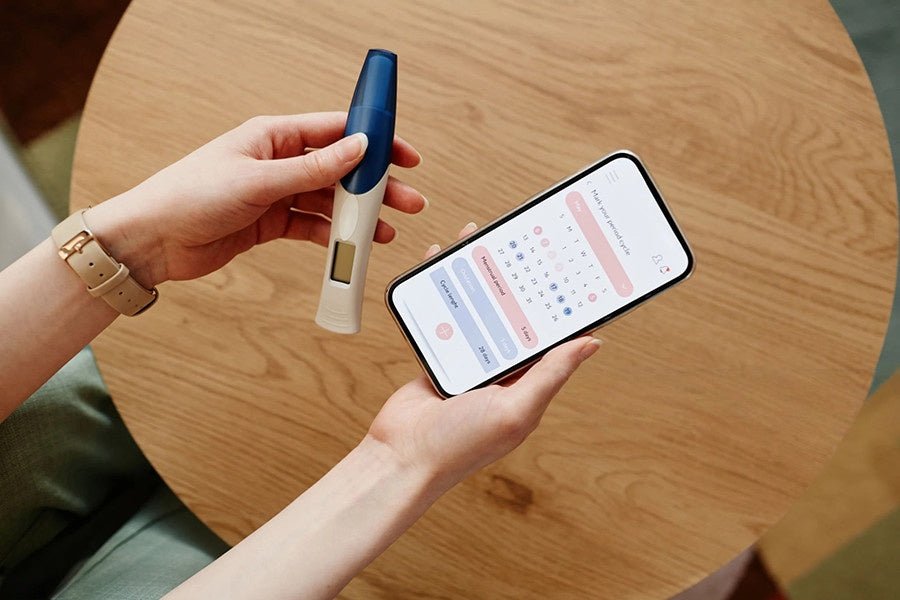

Many individuals striving for fertility awareness explore “BBT Chart Pregnant” techniques to detect possible pregnancy before other signs appear. By monitoring slight changes in waking temperature, you gain insight into ovulation and early gestation. A consistent charting routine reveals whether a cycle includes conception, helping you feel more informed about next steps. Tracking persistent temperature elevations can offer reassurance, while a drop may suggest a new cycle is on the horizon.

A Closer Look at Basal Body Temperature
Basal body temperature is the lowest resting level after hours of sleep, measured right upon waking. Also called waking temperature, it reflects hormonal shifts around ovulation. If you have ever asked, What is basal body temperature for fertility tracking? The answer lies in its ability to highlight ovulation timing and potential pregnancy. Many people use a basal thermometer or an ovulation thermometer to capture subtle changes. A basal metabolic temperature chart forms when you record daily readings consistently. A basal temperature thermometer can read to two decimal places, detecting slight increases that might indicate implantation.
Over time, you’ll see how your temperature typically climbs post-ovulation. If it remains elevated, it could be an early pregnancy sign. Conversely, a drop often signals an impending menstrual period. Comparing these patterns across multiple cycles gives you a clearer idea of your own fertility window [1].
Why Track Temperature for Pregnancy Clues
A basal temperature chart confirms when ovulation has occurred and indicates if a higher reading persists beyond the usual luteal phase. In many pregnancy BBT chart examples, an extended elevation suggests implantation. On the other hand, a sudden dip likely means menstruation is about to start. By examining a BBT Chart pregnant vs not pregnant, you’ll learn to pinpoint key variations. For instance, a BBT Chart of pregnant woman data may show steady high readings well past two weeks. Such insights make it easier to anticipate potential pregnancy and guide your approach to family planning.
Measuring Your Temperature: Practical Steps
How to take your basal body temperature? remains a central question. Here’s how:
-
Immediate Measurement
Use a basal body temp thermometer upon waking, before getting out of bed.
-
Consistent Timing
Take the reading at the same time each morning. Varying this can skew results.
-
Note Influences
Illness, stress, or alcohol can disrupt your baseline. Record these factors to explain any anomalies.
People often wonder, “How do I take basal body temperature if my schedule varies?” or How do you take your basal temperature when you work night shifts? In those cases, measure after your longest rest period. If you ask, “How do I take basal body temperature under irregular conditions?” prioritize consistency in how and when you measure [2].
Interpreting Your BBT Chart
After gathering daily readings, plot them on a BBT temp chart or an app. Typically, you’ll see lower numbers prior to ovulation and a noticeable rise afterward. How long does BBT stay elevated if pregnant? Often, it remains high during early gestation. When does BBT drop if not pregnant? Usually, a day or two before your menstrual flow. Constructing a basal body temperature chart pregnant vs not pregnant helps you interpret shifts. If temperatures remain elevated beyond two weeks, it may indicate pregnancy. Some individuals notice a second increase, often referred to as a triphasic pattern, though it doesn’t appear for everyone.

Distinguishing Pregnant vs Not Pregnant Patterns
A BBT Chart pregnant vs not pregnant typically differs in the extended high phase. If progesterone stays elevated, the usual temperature drop before menstruation may never occur. Thus, many ask, When does BBT drop if not pregnant? The most common timing is close to the start of your next cycle. A basal temperature chart pregnant scenario usually keeps readings above the cover line for 16 days or more. This can be a strong prompt to take a pregnancy test, especially if you have other early pregnancy signs.
Common Challenges and Concerns
A BBT sample chart might look erratic if you have disrupted sleep or use multiple thermometers. “How do you take your basal temp with frequent schedule changes?” or “How do you take your basal temperature while traveling?” The best practice is to maintain consistency in measurement conditions and times. If your chart conflicts with typical BBT chart examples, consult a healthcare provider for advice. Combining temperature tracking with cervical mucus observation can add clarity. Using the same basal body thermometer each cycle helps ensure consistent calibration [3].

✨ Think You Might Be Pregnant?
Get fast, accurate results up to 6 days before your missed period with our early detection pregnancy test.
Shop Now — $9.80✓ Free shipping on orders over $40 | ✓ Trusted by millions of couples worldwide
BBT Chart Ovulation Insights
An ovulation temperature chart pinpoints the post-ovulation spike. Some observe a slight dip beforehand, but it’s not universal. A BBT chart ovulation method clarifies your fertile window and luteal phase length. It can also help you calculate cycle length more accurately over time, especially when paired with consistent tracking. In a basal temperature chart pregnant outcome, the elevated zone may last longer than usual, signifying possible implantation. This pattern can be invaluable in forecasting when to test. Though not definitive proof, it often signals that conception could have occurred, giving you time to prepare for further confirmation.
Putting Your Chart to Use
Your BBT temp chart can guide intercourse timing if you’re aiming to conceive. Ongoing high temperatures might prompt the question, “How do you take your basal temp to confirm pregnancy?” While not an official test, it does show when a pregnancy test could be most accurate. After confirmation, the chart helps estimate implantation timing. If you’re avoiding pregnancy, natural family planning methods rely on recognizing ovulation phases.
Handling Life’s Disruptions
Travel, sickness, or variable work hours can muddle readings. “How do you take your basal temperature when routine is impossible?” Log the disruptions so you can interpret anomalies accurately. If you switch from one basal body temp thermometer to another, note the date to track calibration changes. Over time, you’ll learn which adjustments preserve chart reliability. Using a single strategy each cycle allows you to spot consistent ovulation signals or track how long does BBT stay elevated if pregnant without confusion [4].
Refining the Process with Supplementary Methods
Pairing your BBT chart ovulation findings with other fertility cues can validate what the chart suggests. Cervical mucus monitoring or ovulation predictor kits, for instance, can confirm the day egg release likely occurs. If you want to confirm a basal temperature chart pregnant pattern, watch for sustained elevations plus subtle signs like implantation spotting. People often ask, “How do I take basal body temperature along with these methods?” The best approach is daily, disciplined tracking. Each data point can reinforce or clarify another, painting a thorough picture of your cycle.
Tips for Long-Term Tracking
Maintaining consistent records remains essential for accurate basal body temperature (BBT) data. If you ever wonder, How do you take basal temperature properly? or How to take your basal temp if your schedule is erratic?, the key is consistency. Measure as soon as you wake, ideally at the same time each morning, before speaking, sitting up, or moving around. Even slight activity can raise your core temperature and skew results. Keep a pen-and-paper log or use a digital app to record daily readings, along with any potential disruptors like alcohol consumption, illness, or late nights [5].
Monitor recurring irregularities—such as missing the usual post-ovulation spike—and consider seeking medical advice if those issues persist. Stress, frequent travel, or inconsistent sleep patterns can also influence your chart. If you suspect an underlying hormonal or thyroid imbalance, a healthcare professional can suggest additional tests. Over time, many people observe more stable cycles and clearer temperature shifts, making it easier to plan intercourse for conception or avoid pregnancy naturally. Although these methods may require patience, cycle tracking and thorough documentation eventually shed light on your fertility window. By diligently tracking details each day, you gain confidence in interpreting your BBT chart and making informed decisions about reproductive health.

Additional Tips for Accuracy
One frequent query is, How do I take basal body temperature with total accuracy? If your schedule is unpredictable, try to measure right after your longest sleep block, even if it starts at odd hours. Over multiple days, maintain a routine that limits activity before checking the thermometer. Inconsistent timing or movement can skew readings and complicate your chart. Still, persistence pays off: by following these guidelines, you may be able to create a clear basal temperature chart pregnant or not pregnant, offering definitive insights into ovulation patterns and possible conception. When your readings remain consistently elevated past your normal luteal phase, it suggests that implantation might have occurred.
If you see a sudden drop, it may signal the onset of menstruation. Either way, tracking daily values clarifies how your body responds to hormonal changes, reinforcing other fertility signs you might observe. While these methods take diligence, the reward is substantial knowledge about your own cycle. Over time, you’ll interpret a BBT chart of pregnant woman data—or data from a cycle without conception—with far more confidence. By refining each step and documenting all relevant factors, you will gain a dependable framework for making informed decisions about family planning, early pregnancy confirmation, or further medical evaluation [6].
The Bottom Line
BBT Chart Pregnant tracking offers a window into ovulation timing and hints at early pregnancy. By regularly monitoring basal body temperature, you observe whether readings stay high or drop. A BBT chart pregnant vs not pregnant often differs in how long the elevated range persists, with a sustained rise suggesting successful implantation. Although you still need a standard pregnancy test for certainty, these temperature trends serve as helpful early indicators.
With a precise basal temperature thermometer, disciplined measurement, and diligent notes, your bbt sample chart can guide you toward timely decisions about pregnancy tests or medical consultations. Over multiple cycles, you’ll become adept at identifying your ovulation patterns and discerning signs of conception. Through patience, consistency, and careful logging, you harness the power of basal body temperature tracking to navigate your reproductive journey with greater confidence.
References
- Steward K, Raja A. Physiology, Ovulation And Basal Body Temperature. [Updated 2023 Jul 17]. In: StatPearls [Internet]. Treasure Island (FL): StatPearls Publishing; 2025 Jan-. Available from: https://www.ncbi.nlm.nih.gov/books/NBK546686/
- Martinez AR, van Hooff MH, Schoute E, van der Meer M, Broekmans FJ, Hompes PG. The reliability, acceptability and applications of basal body temperature (BBT) records in the diagnosis and treatment of infertility. Eur J Obstet Gynecol Reprod Biol. 1992 Nov 19;47(2):121-7. doi: 10.1016/0028-2243(92)90041-v. PMID: 1459325.
- Moghissi KS. Accuracy of basal body temperature for ovulation detection. Fertil Steril. 1976 Dec;27(12):1415-21. PMID: 1001528.
- Bauman JE. Basal body temperature: unreliable method of ovulation detection. Fertil Steril. 1981 Dec;36(6):729-33. doi: 10.1016/s0015-0282(16)45916-9. PMID: 7308516.
- Morris N, Underwood L, Easterling W Jr. Temporal relationship between basal body temperature nadir and luteinizing hormone surge in normal women. Fertil Steril. 1976 Jul;27(7):780-3. PMID: 950047.
- Quagliarello J, Arny M. Inaccuracy of basal body temperature charts in predicting urinary luteinizing hormone surges. Fertil Steril. 1986 Mar;45(3):334-7. doi: 10.1016/s0015-0282(16)49212-5. PMID: 3949032.
🌱 Get Answers Early
Millions of women trust Conceive Plus for their fertility journey. Clinically validated pregnancy tests delivered to your door.
Shop Pregnancy Tests →Frequently Asked Questions
Recommended by Fertility Experts
Conceive Plus Men's Fertility Support
Designed to support healthy sperm production, motility, and overall male reproductive health with clinically studied nutrients.
Shop Now →Q: What is the average basal body temperature when pregnant?
A: During early pregnancy, basal body temperature typically remains elevated at approximately 97.8°F to 99°F (36.6°C to 37.2°C), staying above your individual baseline for at least 18 consecutive days after ovulation. This sustained elevation occurs because progesterone levels remain high throughout the luteal phase and early pregnancy, preventing the typical temperature dip that signals menstruation. According to the American College of Obstetricians and Gynecologists (ACOG), this consistent elevation can be one of the earliest physiological signs of conception, sometimes appearing before a missed period. However, BBT charting alone is not considered a definitive pregnancy test—a blood hCG test or urine pregnancy test remains the gold standard for confirming pregnancy. Many women find that pairing fertility awareness with proper nutritional support through prenatal vitamins and supplements like Conceive Plus helps optimize their reproductive health during the conception window.
Q: How do you read a basal body temperature chart for ovulation?
A: A basal body temperature chart shows ovulation as a sustained rise of 0.4°F to 0.8°F (0.2°C to 0.4°C) above your baseline temperature, occurring after the luteinizing hormone (LH) surge triggers egg release. The most fertile window is the three days before this temperature shift, as sperm can survive up to five days in the reproductive tract. According to research published by the American Society for Reproductive Medicine (ASRM), approximately 10-16 days after the temperature rise typically marks the end of your fertile window for that cycle. To accurately read your chart, record your temperature immediately upon waking, before any physical activity, using the same thermometer at the same time each morning. Consistent charting over 2-3 cycles helps you identify your personal pattern, making it easier to predict ovulation in future months and time intercourse optimally.
Q: What does a triphasic basal body temperature pattern mean for pregnancy?
A: A triphasic BBT pattern shows three distinct temperature levels: a baseline during the follicular phase, a higher plateau during the luteal phase post-ovulation, and a second rise approximately 7-8 days after ovulation, which some interpret as a potential early pregnancy indicator. This pattern suggests that progesterone levels may have spiked again due to increasing hCG stimulation of the corpus luteum, though the scientific evidence supporting triphasic patterns as a reliable pregnancy predictor is limited. The American Society for Reproductive Medicine notes that while approximately 12-15% of pregnant women experience this pattern, its absence does not indicate failed conception. Not all pregnancies produce a triphasic pattern, and some non-pregnant cycles may show similar temperature variations due to other hormonal fluctuations. Many fertility advocates recommend tracking triphasic patterns alongside other fertility awareness methods and using Conceive Plus to optimize reproductive wellness during the conception window.
Q: How long should you chart basal body temperature to confirm ovulation?
A: To reliably confirm ovulation through BBT charting, you should record temperatures for at least 18 consecutive days after ovulation occurs, which typically spans a full menstrual cycle of approximately 28-32 days for most women. According to ASRM guidelines, a confirmed temperature shift sustained over three or more days, rising 0.4°F to 0.8°F above the previous six-day baseline, indicates that ovulation has already occurred. Most fertility experts recommend charting for a minimum of 2-3 complete cycles to establish your individual temperature patterns and predict ovulation windows accurately. Consistent early morning temperature readings taken with a basal body thermometer—before getting out of bed or eating—are essential for accuracy. Starting a charting routine while ensuring adequate nutrition and hormonal balance through supplements can help improve cycle regularity and support your overall fertility goals.
Q: When should you take a pregnancy test after basal body temperature rises?
A: Although basal body temperature begins rising within hours of ovulation, it can take 6-12 days for hCG (human chorionic gonadotropin) levels to accumulate enough for detection on a home pregnancy test, making testing before a missed period potentially inaccurate. The most reliable time to test is 12-14 days after ovulation, or the first day of your missed period, when hCG levels typically reach 25 mIU/mL or higher according to FDA guidelines for home pregnancy tests. Testing too early when hCG levels are still very low can result in false negatives, causing unnecessary stress and confusion. For the most accurate result, use first-morning urine and follow the test instructions carefully, though a blood test ordered by your healthcare provider remains the gold standard for early pregnancy confirmation. While you wait to test, focusing on healthy fertility practices—including proper supplementation with fertility-support formulas like Conceive Plus—can help optimize your reproductive environment and overall wellness.
Trusted by Couples in Over 70 Countries
Support Male Fertility From the Inside Out
Male fertility is just as important as female fertility in the conception journey. Conceive Plus Men's range delivers targeted nutritional support to promote healthy sperm and overall reproductive wellbeing.
Shop Men's Range →