Best Male Fertility Supplements 2026: The Role of Zinc and Beyond


Did you know that 70% of fertility patients use supplements, yet only 25% actually disclose this to their healthcare provider? If you feel overwhelmed by the sheer number of vitamin options or anxious about low sperm motility, you aren't alone. It's frustrating to face conflicting information while trying to make the best choices for your future family. You deserve a clear path forward. This guide offers the definitive roadmap to selecting the best male fertility supplements, backed by verified May 2026 clinical data. We will explain the critical role of zinc for male fertility and how it fits into a broader, synergistic nutrient strategy.
While zinc is a foundation for testosterone and sperm formation, the latest research shows it works best within a specific antioxidant ecosystem. We'll break down how to identify high-quality, third-party tested formulations that meet 2026 clinical standards. You'll learn which ingredients truly support DNA synthesis and how to navigate the recent regulatory changes to ensure you're choosing safe, effective products. By the end of this article, you'll have a professional criteria list to help improve your sperm parameters and move closer to a successful conception.
Key Takeaways
- Understand how zinc acts as a biological shield for sperm DNA and is essential for the healthy production of new sperm cells.
- Discover why recent clinical headlines regarding zinc for male fertility require context and how modern formulations address past research limitations.
- Learn to identify the non-negotiable ingredients like Selenium and L-carnitine that create a synergistic environment for male reproductive health.
- Use a professional framework to compare zinc types, such as Picolinate versus Gluconate, to ensure your body actually absorbs the nutrients you take.
- Find out how to select a science-first supplement that aligns with the latest 2026 standards for purity and clinical transparency.
The Science of Zinc and Sperm Health: Why It Matters in 2026
Zinc isn't just another mineral on the periodic table; it's the physiological engine behind male reproductive success. As an essential trace mineral, your body cannot produce it on its own, meaning you must obtain it through diet or targeted supplementation. In 2026, clinical research has solidified its reputation as a non-negotiable component for spermatogenesis, the complex, multi-week process where your body builds new sperm cells. Without sufficient zinc, the very blueprint for these cells can become unstable and prone to errors.
This mineral acts as a guardian for genetic material. It helps stabilize the DNA within the sperm head, ensuring the genetic package delivered to the egg is intact and functional. High concentrations of zinc are found in the prostate and seminal fluid, where it serves as a primary defense mechanism. Understanding how these biological factors contribute to male infertility is the first step toward taking control of your reproductive journey. Using zinc for male fertility is about more than just increasing numbers; it's about the resilience and health of every single cell your body produces.
To better understand how this mineral functions at a cellular level, watch this helpful video:
Spotting a deficiency isn't always obvious. While extreme cases lead to visible symptoms like hair loss or slow wound healing, subtle "subclinical" deficiencies often manifest first in reproductive health. You might notice a drop in libido or a decrease in semen volume. Because zinc regulates testosterone production, even a slight dip can derail your fertility goals before you realize there's a problem. Many men now look for high-quality fertility products to bridge this nutritional gap and ensure their levels remain optimal during the conception window.
Zinc and Sperm Motility: The Kinetic Connection
For a sperm cell to reach its target, it needs incredible kinetic energy and structural strength. Zinc is heavily concentrated in the sperm tail, providing the integrity required for high-speed swimming. If zinc levels are low, tail development may be stunted, leading to "lazy" sperm that struggle to move in a straight line or reach the egg at all. Clinical data consistently shows that men with optimal zinc levels typically see better motility scores and higher overall pregnancy outcomes.
Protecting Sperm from Oxidative Stress
Oxidative stress occurs when unstable molecules called reactive oxygen species (ROS) outnumber your body's natural defenses. Oxidative stress is the primary enemy of sperm quality. Zinc acts as a powerful neutralizer, mopping up these harmful molecules in the testes before they can cause permanent damage to the sperm membrane. By reducing ROS, zinc prevents sperm fragmentation, which is a leading cause of fertilization failure and early pregnancy loss.
Evaluating Zinc Research: Addressing the "Zinc Fails" Headlines
If you've searched for the best supplements, you probably stumbled across headlines claiming that zinc doesn't work. These articles often point to the 2020 and 2021 NIH "FAZST" trial. This study concluded that a combination of zinc and folic acid didn't significantly improve pregnancy rates or sperm quality. While that sounds definitive, it's actually a narrow view of a complex biological process. Many experts argue that evaluating zinc for male fertility based on one specific trial misses the bigger picture of how nutrients interact in the body.
In contrast to that single study, multiple meta-analyses suggest that subfertile men often see measurable improvements when their specific deficiencies are addressed. Scientific reviews like the one stating Zinc is an Essential Element for Male Fertility highlight that this mineral is a core requirement for DNA synthesis. The discrepancy usually lies in whether the supplement is an isolated mineral or part of a comprehensive fertility complex. Taking an isolated mineral is often less effective than using a formula designed to support the entire reproductive system.
Why the FAZST Trial Isn’t the Final Word
The FAZST trial used 30mg of zinc gluconate and 5mg of folic acid. While these dosages are standard, the study included a broad demographic of men who didn't necessarily have a baseline zinc deficiency. If your levels are already optimal, adding more won't always yield a "super-sperm" effect. Additionally, the study focused on a very specific duo. It ignored the thousands of other chemical reactions that require a broader spectrum of nutrients to succeed. Success in conception depends on the entire environment of the seminal fluid, not just two ingredients. The form of the mineral also matters; some modern supplements now use more bioavailable versions than the gluconate used in that trial.
The Power of Synergistic Antioxidants
Zinc doesn't work in a vacuum. It requires "partners" like Selenium and L-Carnitine to provide a truly effective defense against oxidative damage. For example, Vitamin E and Vitamin C act as recyclers. They help restore other antioxidants after they've neutralized a free radical. This creates a continuous shield for developing sperm cells. While you can find many of these nutrients in the Top Foods to Increase Sperm Count, supplements bridge the gap when your busy lifestyle makes perfect nutrition difficult.
If you're looking for a formula that respects this biological synergy, consider exploring comprehensive fertility support bundles that go beyond basic vitamins. By providing a full ecosystem of nutrients, you give your body the tools it needs for real improvement.

✨ Trying to Conceive?
Our Ovulation & Fertility Bundle combines Myo-Inositol with essential vitamins to support healthy hormone balance and regular ovulation.
Shop Now — $55.00✓ Free shipping on orders over $40 | ✓ Trusted by millions of couples worldwide
Key Ingredients in the Best Male Fertility Supplements
Choosing a supplement isn't just about grabbing a generic multivitamin off the shelf. In 2026, the market has shifted toward formulations that align with clinical standards, moving away from general wellness products. A targeted fertility supplement contains specific concentrations of nutrients that support every stage of the 64 to 72 day sperm production cycle. High performance formulas prioritize standardized extracts, ensuring that every capsule contains a consistent amount of the active bio compounds needed for results. This precision is what separates professional grade support from basic vitamins.
While looking for zinc for male fertility is a great starting point, a single mineral isn't enough to address the complex needs of reproductive health. Modern research, including studies on The Role of Zinc in Male Fertility, shows that this mineral is involved in vital cellular processes like capacitation and acrosomal exocytosis. These processes are what allow a sperm cell to actually penetrate an egg. To maximize these effects, top tier supplements combine zinc with amino acids and antioxidants that protect the cell from the moment of creation until fertilization.
The Motility Boosters: L-Carnitine and L-Arginine
Sperm cells are some of the most active cells in the human body. They require massive amounts of mitochondrial energy to sustain the journey through the female reproductive tract. L-Carnitine and L-Arginine act as the primary fuel sources for this "swim speed." Clinical evidence suggests that L-Carnitine helps transport fatty acids into the mitochondria, where they're burned for energy. Effective supplements typically provide these amino acids in specific ratios to ensure sperm don't just move, but move with purpose and velocity. This is especially critical for men dealing with low motility scores.
The DNA Protectors: Selenium and CoQ10
If the tail provides the speed, the head carries the cargo. Selenium is essential for maintaining the structural integrity of the sperm head, preventing the physical deformities that often lead to fertilization failure. Meanwhile, CoQ10 fuels the "engine" located in the sperm's midpiece. This nutrient is particularly important for men over 35, as natural CoQ10 levels tend to decline with age. For a complete look at how these nutrients fit into your partner's health too, check out fertility prenatal vitamins to prepare both bodies for conception. You can find these high performance ingredients in best-selling fertility products designed for maximum bioavailability.
How to Choose the Best Male Fertility Supplement for Your Needs
Selecting a supplement in 2026 requires a more discerning eye than in previous years. Because the FDA regulates these products as dietary supplements rather than prescription drugs, they don't undergo pre-market efficacy testing. This places the responsibility of quality control on the manufacturer. When you search for the best zinc for male fertility, the options can be paralyzing. You shouldn't just look for the highest dosage; you need to look for transparency, manufacturing standards, and the specific chemical form of the nutrients provided.
High-quality brands prioritize Current Good Manufacturing Practices (cGMP) and often invest in third-party testing from organizations like USP or NSF. These certifications verify that what is on the label is actually in the bottle, free from contaminants. In a market where prices range from $27 to over $100 for a monthly supply, the most expensive option isn't always the most effective. Instead, focus on the delivery method and the clinical logic behind the formulation. If a brand doesn't disclose its testing standards or uses cheap fillers, it's likely not the right choice for your journey.
Bioavailability: Not All Zinc is Created Equal
The form of zinc used in a supplement determines how much of it actually enters your bloodstream. Zinc Picolinate is widely regarded as the most bioavailable form, followed by Zinc Gluconate and Zinc Sulfate. Conversely, Zinc Oxide is often a poor choice for fertility because the body struggles to absorb it efficiently, often leading to digestive upset rather than improved sperm parameters. You should always look for chelated minerals for better absorption. Chelated forms are bound to organic acids or amino acids, which helps them "piggyback" through the intestinal wall and into your system where they can begin supporting spermatogenesis.
The 90-Day Rule: Managing Expectations
Optimizing zinc for male fertility isn't an overnight fix; it's a commitment to the biological timeline. The process of creating new sperm, known as spermatogenesis, takes approximately 72 to 90 days. This means any supplement you start today won't fully impact the sperm used for conception for nearly three months. Consistency is far more important than taking high "one-off" doses. To stay synchronized with your partner, it's helpful to track progress using an ovulation calculator so you can time your efforts with your improved sperm health.
Ready to start your 90-day transformation with a formula that meets these rigorous standards? You can browse the full range of science-backed fertility supports to find the right fit for your specific needs.
Why Conceive Plus Men’s Fertility Support is the Top Choice for 2026
Understanding the science behind zinc for male fertility is only the first step. The real challenge lies in finding a supplement that correctly applies this research into a daily regimen. Conceive Plus Men’s Fertility Support has emerged as the 2026 industry standard by moving away from "kitchen sink" formulas that prioritize quantity over quality. Instead, it utilizes a science-first approach that focuses on the specific physiological needs of the sperm production cycle. This isn't just a multivitamin; it's a targeted fertility tool designed to create the optimal environment for conception.
By combining high-bioavailability zinc with a proprietary blend of antioxidants, this formula addresses the primary hurdles mentioned earlier in this guide, specifically oxidative stress and DNA fragmentation. It bridges the gap between basic nutrition and clinical-grade support. Many men find that switching to a specialized formula provides a level of consistency that generic supplements simply can't match. You can see how this has impacted other couples by exploring Conceive Plus reviews, where real-world experiences highlight the difference a targeted approach makes.
Formulated for Maximizing Sperm Count and Motility
The synergy within each capsule is what drives results. While generic multivitamins often use cheaper, less absorbable forms of minerals, Conceive Plus focuses on the kinetic connection. The inclusion of Selenium and a specific antioxidant profile works alongside zinc to ensure that new sperm cells aren't just produced, but are built with the structural integrity required for successful fertilization. This helps eliminate the "lazy sperm" issue often caused by subclinical nutrient deficiencies. To start your journey with a formula designed for these specific outcomes, you can browse our best-selling fertility products today.
The Holistic Approach: Supplements and Lubricants
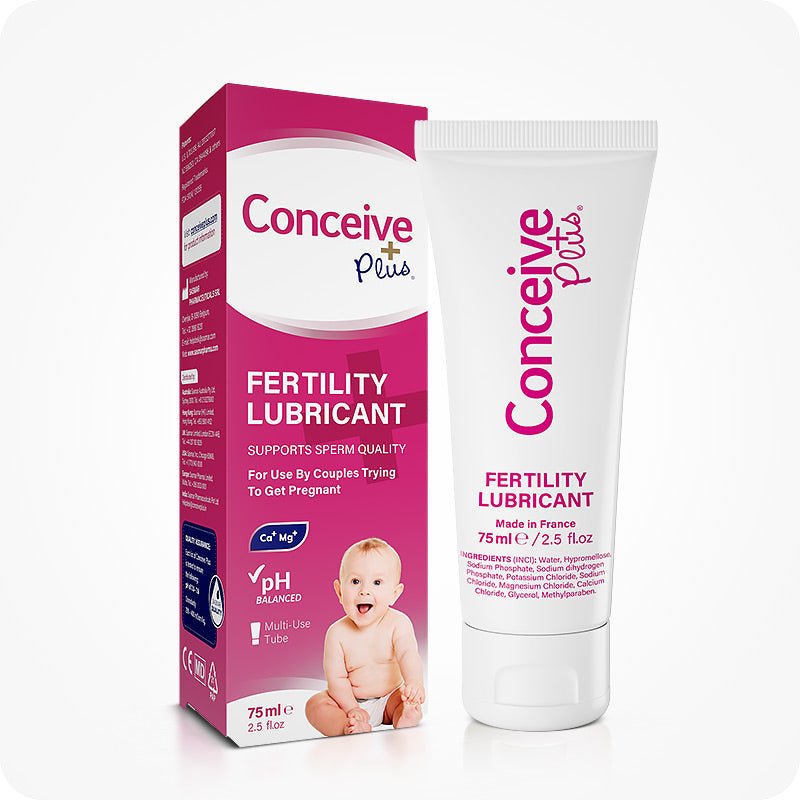
One of the most overlooked aspects of the TTC journey is the environment the sperm enters after it leaves the body. You can take the best supplements in the world, but if you use a traditional personal lubricant, you might be accidentally hindering your progress. Most standard lubricants have a low pH and high salt levels that can be toxic to sperm. A truly holistic approach requires pairing your internal support with sperm-friendly lifestyle products. Using a fertility-friendly lubricant ensures that the high-quality sperm you've spent 90 days developing actually has a safe passage to its destination. Success in 2026 is about protecting your investment in your health from every possible angle.
Your Roadmap to Enhanced Reproductive Health
Improving sperm parameters is a journey that requires patience and the right biological tools. You now understand how zinc acts as a critical defender of DNA, yet it's most effective when paired with a synergistic blend of antioxidants and amino acids. Prioritizing bioavailability and third-party testing ensures you aren't just taking a pill; you're actually nourishing your body's reproductive potential. The 90-day sperm cycle rewards those who stay consistent and holistic in their approach.
Optimizing your use of zinc for male fertility is a major step toward your goal of fatherhood. Conceive Plus is clinically formulated for TTC couples and is already trusted by millions in over 70 countries. Because these formulas are recommended by fertility clinics worldwide, you can feel confident in the quality of your support. Shop the Best-Selling Male Fertility Supplements for 2026 and start building a stronger foundation for your future family today. You have the power to influence your fertility outcomes. We're here to help every step of the way.
Frequently Asked Questions
How much zinc should a man take for fertility?
Most clinical research suggests a daily intake between 11mg and 40mg for adult men. The 40mg limit is the Tolerable Upper Intake Level (UL) set by health authorities. High-performance supplements usually target the 15mg to 30mg range to provide a therapeutic boost without exceeding safe limits. It's important to account for the zinc you already get from your diet to avoid over-supplementation.
Can too much zinc hurt male fertility?
Yes, excessive zinc intake can interfere with the absorption of other vital minerals like copper. When copper levels drop significantly, it can lead to anemia and potentially disrupt the oxidative balance in your reproductive system. Maintaining a specific mineral ratio is crucial because taking too much can actually cause the cellular stress you are trying to prevent. Always follow the dosage instructions on professional-grade formulas.
How long does it take for male fertility supplements to work?
It typically takes about 90 days to see the full impact of any fertility supplement on your sperm parameters. This timeframe aligns with the biological cycle of spermatogenesis, which is the time your body needs to produce and mature new sperm cells from start to finish. Since the sperm you produce today won't be ready for conception for nearly three months, consistency is essential.
Is zinc or folic acid better for sperm count?
Neither nutrient is "better" individually; they perform different, essential roles in your reproductive health. Zinc is vital for testosterone production and sperm structural integrity, while folic acid supports DNA synthesis. While some studies have shown mixed results for this specific pair, many men see the best results from a synergistic approach that includes both nutrients alongside other antioxidants like Selenium and CoQ10.
Do male fertility supplements really work in 2026?
Yes, modern supplements work by addressing specific nutritional gaps that hinder sperm quality and motility. In 2026, the market has shifted toward clinically-scrutinized formulations that move beyond general wellness. While they aren't a replacement for medical treatment of underlying conditions, using zinc for male fertility as part of a targeted regimen supports better morphology and overall reproductive success.
Are there any side effects to taking high-dose zinc?
Common side effects of high-dose zinc include nausea, stomach cramps, and a lingering metallic taste in the mouth. Long-term use of doses significantly above 40mg can lead to more serious issues, such as suppressed immune function or lower "good" HDL cholesterol levels. Sticking to the recommended daily amounts found in specialized fertility products helps you avoid these complications while still gaining the reproductive benefits.
Should I take zinc with or without food for better absorption?
Zinc is technically best absorbed on an empty stomach, but taking it this way often causes significant nausea for many men. Taking your supplement with a light meal is usually the best way to ensure you stay consistent with your regimen. Avoid taking it with high-phytate foods like whole grains or legumes at the same time, as these can bind to the mineral and reduce its absorption.
Can I get enough zinc from diet alone to improve my sperm health?
While it's possible to meet the daily recommended allowance through foods like oysters and red meat, many men struggle to reach therapeutic levels through diet alone. Factors like soil depletion and digestive efficiency can make dietary absorption inconsistent. Using zinc for male fertility in supplement form provides a standardized, reliable dose that ensures your levels remain optimal throughout the entire 90-day sperm production cycle.
🌱 Support Your Fertility Journey
Conceive Plus fertility supplements are clinically formulated to help regulate your cycle and support egg quality.
Shop Fertility Support →Frequently Asked Questions
How much zinc do I need daily for male fertility, and can I take too much?
The recommended dietary allowance (RDA) for zinc is 11 mg daily for adult men, though fertility specialists often recommend 25-30 mg daily for those with documented deficiencies or low sperm parameters. Taking more than 40 mg daily for extended periods can interfere with copper absorption and actually harm fertility, so it's crucial to work with your healthcare provider to find your optimal dose. The FDA does not regulate supplements as strictly as medications, making professional guidance essential to avoid toxicity.
Will my insurance cover male fertility supplements?
Most health insurance plans do not cover over-the-counter dietary supplements, as the FDA classifies them as food products rather than drugs. However, some fertility clinics may offer professional-grade supplements through their practices, and you can check with your insurer about whether supplements prescribed by a reproductive endocrinologist might have different coverage status. HSA and FSA accounts typically allow you to use pre-tax dollars for supplements that are recommended in writing by your physician.
What does 'third-party tested' mean, and why does it matter for fertility supplements?
Third-party testing means an independent laboratory (not the manufacturer) verifies that a supplement contains the labeled ingredients in the stated amounts and is free from contaminants like heavy metals and bacteria. This is critical for male fertility supplements because the FDA doesn't pre-approve supplements before they hit shelves, making third-party certifications from organizations like NSF International or USP your best assurance of quality. Look for products displaying third-party certification seals, which align with 2026 clinical standards and give you confidence in what you're actually taking.
How long does it take for fertility supplements to improve sperm count and motility?
Since sperm take approximately 74 days to fully mature, you should expect to see meaningful changes in sperm parameters (count, motility, and morphology) only after 3-4 months of consistent supplementation. Some men report improvements in energy and overall health within weeks, but semen analysis improvements require the full spermatogenesis cycle. If you don't see improvement after 4-5 months, consult with a reproductive urologist or fertility specialist to reassess your protocol.
Are there interactions between male fertility supplements and common medications?
Zinc and certain other fertility nutrients can interfere with antibiotics (especially quinolones), bisphosphonates for bone health, and some blood pressure medications, so it's essential to disclose all supplements to your doctor. The statistic mentioned in the article—that 75% of fertility patients don't tell their healthcare providers about supplements—highlights a dangerous gap in care that can lead to drug-nutrient interactions. Always maintain a complete list of everything you're taking and review it with both your primary care doctor and fertility specialist.
Can I get enough zinc and other fertility nutrients from food alone?
While foods like oysters, beef, pumpkin seeds, and chickpeas contain zinc and complementary nutrients, most American diets don't provide optimal levels for men specifically trying to improve fertility outcomes. Supplements are formulated to deliver therapeutic doses that exceed typical dietary intake, and synergistic combinations (like zinc with selenium and L-carnitine) are difficult to achieve through food alone. A registered dietitian specializing in fertility can help you determine whether your current diet is sufficient or if supplementation is necessary for your specific situation.
What's the difference between zinc picolinate, gluconate, and other forms, and which is best for fertility?
Different zinc forms have varying absorption rates in the body—picolinate typically has better bioavailability than gluconate, meaning your body can actually use more of what you take. The 'best' form depends on your individual digestive health and tolerance; some men experience stomach upset with certain forms, while others absorb one type more efficiently. A fertility-focused healthcare provider or naturopath can recommend the optimal zinc form based on your baseline mineral levels and any digestive sensitivities you may have.
Trusted by Couples in Over 70 Countries
Support Male Fertility From the Inside Out
Male fertility is just as important as female fertility in the conception journey. Conceive Plus Men's range delivers targeted nutritional support to promote healthy sperm and overall reproductive wellbeing.
Shop Men's Range →