Can You Get Pregnant From Sperm In Water?
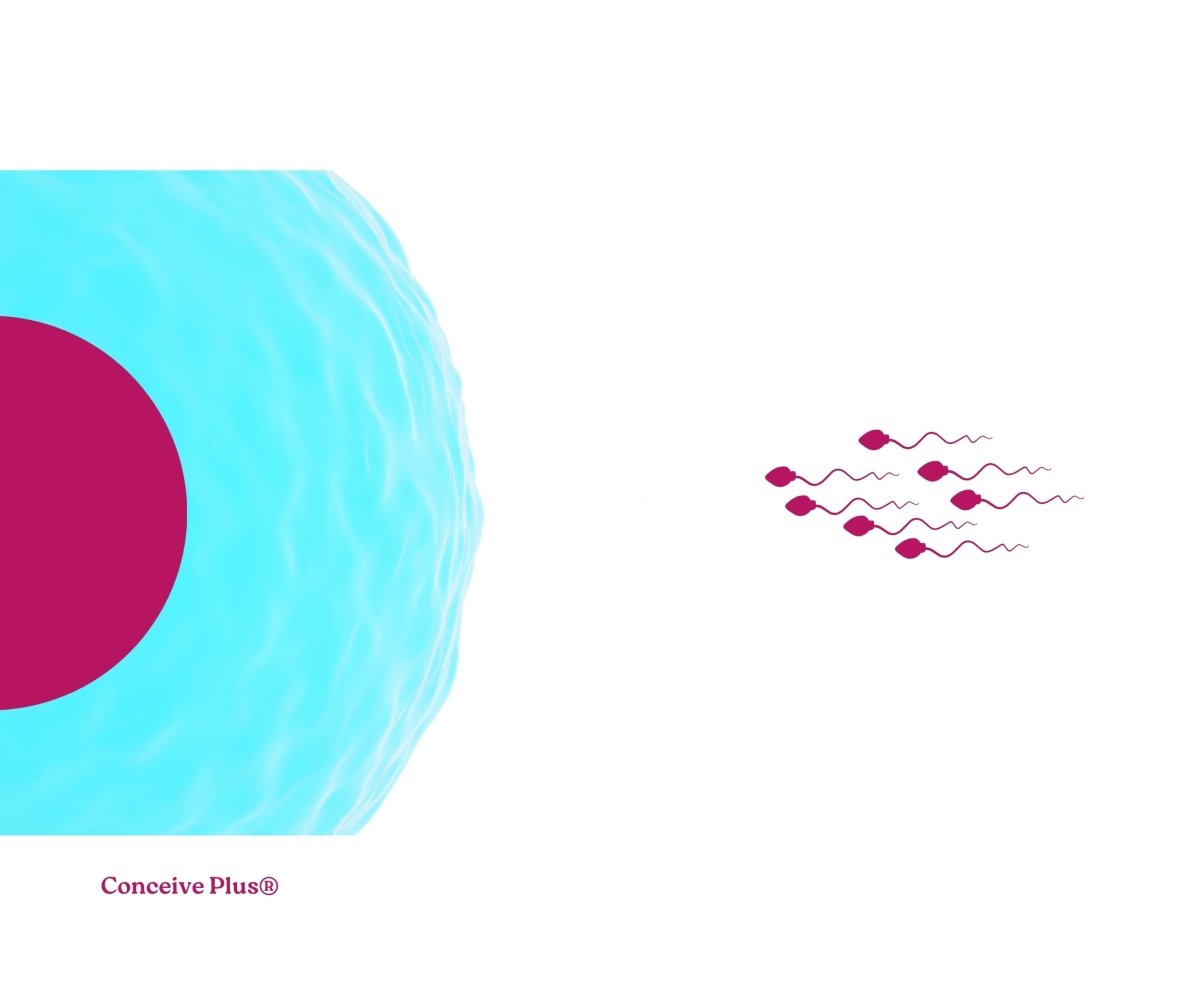

There is a probability of the presence of sperm in a shared pool water. This sometimes raises a concern that if sperm enter the female body, it causes pregnancy. This leads many people to ask, can you get pregnant from sperm in water, especially in places like swimming pools or bathtubs.

But can you get pregnant in water?
When a male ejaculates, he releases semen, which is a mixture of sperm cells and many other fluids [1]. These fluids nourish the sperm quality cells and also support them to reach the egg in the female body.
When sperm cells are in water, they separate from the semen and are dispersed in water. This makes it hard for a sperm to enter in the female body and reach the egg in the fallopian tube. It means that the chances of pregnancy from sperm in water are rare or non-existent.
Favorable Environment For Sperm Survival
Sperm can stay alive inside the male body for many days. Similarly, studies show that sperm cells can survive up to 5 days inside the female body [2]. This is because the internal environment of the body is favorable for the survival of the sperm cells.
Favorable environment includes a specific temperature and pH. Sperm cells work best at a certain temperature, normally at 34 ºC or 93.2 ºF [3]. Sperm cells also need a certain pH range, usually between 7.2 and 7.8 [4].
Air exposure, water, or extreme temperatures can negatively influence sperm function and survival.
Can Sperm Survive In Water?
For a sperm in water to cause pregnancy, it should be able to survive and stay viable inside the water. However, this is usually not the case. Sperm cells die within the pool water because of added chlorine, changes in temperature, and other such factors.
Even if the sperm cells are alive in the water, they can't enter the female body and reach the egg as comfortably as it sounds. There is a minimum sperm count needed for fertilization, which is usually above 15 million sperm per milliliter of semen [5]. This many healthy and live sperm cells can't enter the female body from the pool or hot tub water.


✨ Support Healthy Sperm
Our Motility Support supplement contains Zinc, CoQ10, and L-Carnitine — clinically studied nutrients for sperm health and motility.
Shop Now — $34.95✓ Free shipping on orders over $40 | ✓ Trusted by millions of couples worldwide
Can Sperm Cells Travel In the Water?
Ok, for a second, let's accept that sperm cells are viable inside the water. The other question that matters for pregnancy is, "Can sperm cells travel in the water?"
Sperm cells travel inside the female reproductive tract after intercourse because of multiple factors [6]. Sperm has a seminal fluid and mucous membrane of the female body to support this movement.
On the other hand, the healthy seminal fluid that men release with sperm quickly depresses in water. There is also no mucous membrane to support the sperm flow. This is why it is very hard for a sperm cell to swim inside the water and enter the female body in large numbers.
Myths Surrounding Pregnancy
There are multiple factors involved in achieving pregnancy, from the time of intercourse to sperm health. However, there are many common myths related to how pregnancy can occur.
Let's debunk some of the most common ones:
Myth 1: Sperm In Water Can Cause Pregnancy
Some people believe that sperm cells can travel through the pool or tub water and enter the female body, causing pregnancy. However, as discussed above, it is very less likely that a sperm in water can cause pregnancy.
Myth 2: Eating Sperm Can Cause Pregnancy
Eating sperm can't cause pregnancy because your body digests sperm cells as protein. For pregnancy to occur, sperm cells should reach the egg in the reproductive tract, which can't happen when you eat sperm.
Myth 4: Pregnancy Can Occur Anytime During the Month
No, you can't get pregnant any time of the month; instead, there are specific days called the fertile window when sperm can fertilize the egg, and you can get pregnant. These days come around ovulation duration.

The Bottom Line
There are a lot of misconceptions about how pregnancy occurs because of a lack of knowledge. One such misconception is that pregnancy can occur from sperm in water.
In reality, sperm cells require a favorable environment to be able to reach the egg and fertilize it. Pool or hot tub water can't provide all the favorable conditions for the sperm for fertilization. In a nutshell, there is no or very little risk of pregnancy from sperm in the water. So if you're wondering can you get pregnant from sperm in water, the scientific evidence strongly suggests it's highly unlikely under normal circumstances.
FAQs
-
Does oxygen kill sperm?
People often question does sperm die when it hits oxygen. When you ejaculate outside, the sperm doesn’t diet because of oxygen but because of dry air, temperature, and other factors.
-
Can you get pregnant with old sperm?
Sperm survives a maximum of a few minutes outside the body and 5 days inside the female body. Any sperm older than that isn’t a viable sperm and can’t cause conception.
Resources Used
- Tanga, B. M., Qamar, A. Y., Raza, S., Bang, S., Fang, X., Yoon, K., & Cho, J. (2021). Semen evaluation: methodological advancements in sperm quality-specific fertility assessment. Animal Bioscience. https://doi.org/10.5713/ab.21.0072
- What is Sperm? (2023c, December 22). WebMD. https://www.webmd.com/infertility-and-reproduction/sperm-and-semen-faq
- Roland, J. (2020, January 2). Why Are My Testicles Cold and What’s the Best Way to Warm Them Up? Healthline. https://www.healthline.com/health/cold-testicles-2#optimal-temp
- Dhumal, S. S., Naik, P., Dakshinamurthy, S., & Sullia, K. (2021). Semen pH and its correlation with motility and count - A study in subfertile men. JBRA Assisted Reproduction, 25(2), 172-175. https://doi.org/10.5935/1518-0557.20200080
- Leslie, S. W., Soon-Sutton, T. L., & Khan, M. A. (2024b, February 25). Male Infertility. StatPearls - NCBI Bookshelf. https://www.ncbi.nlm.nih.gov/books/NBK562258/
- Miller, D. J. (2018). The Epic Journey of Sperm Through the Female Reproductive Tract. Animal : An International Journal of Animal Bioscience, 12(Suppl 1), s110. https://doi.org/10.1017/S1751731118000526
🌱 Boost Male Fertility Naturally
Conceive Plus Men's Motility Support is formulated with the nutrients that matter most for sperm quality, count, and motility.
Shop Men's Fertility →Frequently Asked Questions
Recommended by Fertility Experts
Conceive Plus Men's Fertility Support
Designed to support healthy sperm production, motility, and overall male reproductive health with clinically studied nutrients.
Shop Now →How long can sperm survive in chlorinated pool water?
Sperm cells typically die within seconds to minutes in chlorinated pool water due to the chemical composition and temperature changes. Chlorine is specifically designed to kill microorganisms, and the pH of pool water is incompatible with sperm survival, making pregnancy from pool water exposure virtually impossible.
What is the minimum sperm count needed for pregnancy to occur?
According to the American Society for Reproductive Medicine (ASRM), a healthy sperm count is typically above 15 million sperm per milliliter of semen for natural conception. Even if sperm were viable in water, the concentration would be far too diluted to reach this threshold needed for fertilization.
Can sperm enter the vagina while swimming or bathing?
No, sperm cannot effectively enter the vagina during swimming or bathing because water physically blocks the cervical opening and prevents sperm from traveling through the reproductive tract. Additionally, water exposure immediately damages sperm cells, rendering them non-viable for fertilization.
What temperature do sperm cells need to survive?
Sperm cells function optimally at approximately 34°C (93.2°F), which is about 2-3 degrees cooler than core body temperature. Most pools, hot tubs, and bathtubs have temperatures significantly different from this ideal range, causing sperm to lose motility and viability within minutes.
Is it safe to swim during the fertile window of my menstrual cycle?
Yes, swimming during your fertile window is completely safe and poses no pregnancy risk from environmental sperm exposure. You can freely use pools, hot tubs, and beaches at any time during your cycle without concern about water-based conception.
What pH level do sperm need to stay alive?
Sperm cells require a pH range of approximately 7.2 to 7.8 to remain viable and maintain motility. Most pool water is chlorinated to a pH of 7.2-7.8, but the added chlorine and other chemicals kill sperm cells before pH becomes a factor.
How is pregnancy actually achieved if sperm can't survive in water?
Pregnancy occurs when sperm are deposited directly into the vagina during unprotected sexual intercourse and travel through the cervix into the uterus and fallopian tubes. The acidic vaginal environment, cervical mucus, and uterine contractions all work together to facilitate sperm transport in ways that water cannot replicate.
Trusted by Couples in Over 70 Countries
Support Male Fertility From the Inside Out
Male fertility is just as important as female fertility in the conception journey. Conceive Plus Men's range delivers targeted nutritional support to promote healthy sperm and overall reproductive wellbeing.
Shop Men's Range →