Constipation is a Symptom of Pregnancy: Causes, Signs, and Relief Tips


Pregnancy brings a range of symptoms, some expected and others surprising. Among the lesser-discussed yet common issues is constipation, which affects a significant number of pregnant women. While it’s often overshadowed by morning sickness and fatigue, constipation is a symptom of pregnancy that can have a considerable impact on a woman’s comfort and overall well-being. It increases by two to three fold during pregnancy compared to regular days [1]. This article will explore the reasons behind constipation in pregnancy, ways to manage it, and when it’s important to seek medical advice.
Why Does Constipation Occur During Pregnancy?
Constipation can happen for several reasons, especially in the early and later stages of pregnancy, and is often due to hormonal changes. Along with common symptoms like constipation, some women wonder, is heartburn a sign of pregnancy, as it often accompanies other early pregnancy changes. Here’s a closer look at why constipation is a frequent issue:

- Hormonal Changes: During pregnancy, levels of progesterone increase significantly. Progesterone is essential for maintaining the pregnancy, but it also has a relaxing effect on smooth muscles, including those in the digestive tract. This relaxation slows down bowel movements, leading to constipation. This hormonal effect is one of the primary connections between constipation and pregnancy symptoms [2].
- Iron Supplements: Many pregnant women are prescribed iron supplements to prevent anemia, a condition that is common in pregnancy. However, iron can be harsh on the digestive system and often leads to constipation. Women who take iron supplements may find their constipation worsens [3].
- Growing Uterus: As the baby grows, the uterus expands and can press against the intestines, further slowing down digestion and leading to constipation. This is more common in the later stages of pregnancy, adding to the list of potential constipation and pregnancy symptoms that can arise as the pregnancy progresses [4].
How to Manage Constipation During Pregnancy

✨ Think You Might Be Pregnant?
Get fast, accurate results up to 6 days before your missed period with our early detection pregnancy test.
Shop Now — $9.80✓ Free shipping on orders over $40 | ✓ Trusted by millions of couples worldwide
Fortunately, there are several effective and safe ways to manage constipation during pregnancy. Here are some natural remedies and lifestyle tips:

- Increase Fiber Intake: Fiber-rich foods, such as fruits, vegetables, whole grains, and legumes, can help bulk up stools and promote regular bowel movements. Taking supplements like Conceive Plus Prenatal Vitamins, which are rich in essential nutrients like DHA, choline, and folate, can help support a healthy pregnancy and address common concerns such as constipation. Adding these foods and supplements to your daily meals can ease constipation and improve digestion.
- Stay Hydrated: Drinking plenty of water is essential. Water helps soften stools, making them easier to pass. Pregnant women should aim for at least eight glasses of water a day, especially if they are also consuming fiber-rich foods.
- Exercise Regularly: Physical activity stimulates the digestive system, promoting bowel movements. Gentle activities like walking, yoga, or swimming can help alleviate constipation. Always consult a healthcare provider before starting a new exercise routine during pregnancy.
- Limit Caffeine: Caffeinated drinks can dehydrate the body and exacerbate constipation. Reducing or eliminating caffeine can improve hydration levels and help relieve constipation.
When to Seek Medical Advice
While constipation is a common pregnancy symptom, there are times when it’s necessary to consult a healthcare provider. If constipation is causing severe discomfort, is accompanied by abdominal pain, or if there’s blood in the stool, medical advice is recommended. Your provider may suggest safe stool softeners or other remedies tailored to pregnancy.
Conclusion
Constipation may not be the most talked-about pregnancy symptom, but it is quite common and manageable with the right approach. By understanding why constipation is a symptom of pregnancy and adopting healthy habits, many women can find relief. As always, any persistent issues should be discussed with a healthcare provider to ensure both maternal and fetal health are supported throughout the pregnancy journey.

Resources
- Kuronen M, Hantunen S, Alanne L, Kokki H, Saukko C, Sjövall S, Vesterinen K, Kokki M. Pregnancy, puerperium and perinatal constipation – an observational hybrid survey on pregnant and postpartum women and their age-matched non-pregnant controls. BJOG 2021; 128: 1057–1064. https://obgyn.onlinelibrary.wiley.com/doi/10.1111/1471-0528.16559
- Ishibashi M, Hashimoto F, Kouchi Y, Imaizumi K, Ito F, Yasuda S. Evaluation and treatment of constipation in pregnancy:Examination using the Japanese version of the constipation evaluation scale. Fukushima J Med Sci. 2024 Jan 27;70(1):35-47. https://pmc.ncbi.nlm.nih.gov/articles/PMC10867430
- Garret Cullen, Diarmuid O'Donoghue. Constipation and pregnancy. Best Practice & Research Clinical Gastroenterology. (Volume 21, Issue 5). [2007]. Pages 807-818. ISSN 1521-6918. https://www.sciencedirect.com/science/article/abs/pii/S1521691807000595?via%3Dihub
- AUTHOR=Lin Lin , Yu Yi , Gu Weirong , Hu Rong , Zhu Hao. Knowledge, attitude and practice regarding constipation in pregnancy among pregnant women in Shanghai: a cross-sectional study. Frontiers in Public Health. [YEAR=2024]. https://www.frontiersin.org/journals/public-health/articles/10.3389/fpubh.2024.1378301/full
🌱 Get Answers Early
Millions of women trust Conceive Plus for their fertility journey. Clinically validated pregnancy tests delivered to your door.
Shop Pregnancy Tests →Frequently Asked Questions
Recommended by Fertility Experts
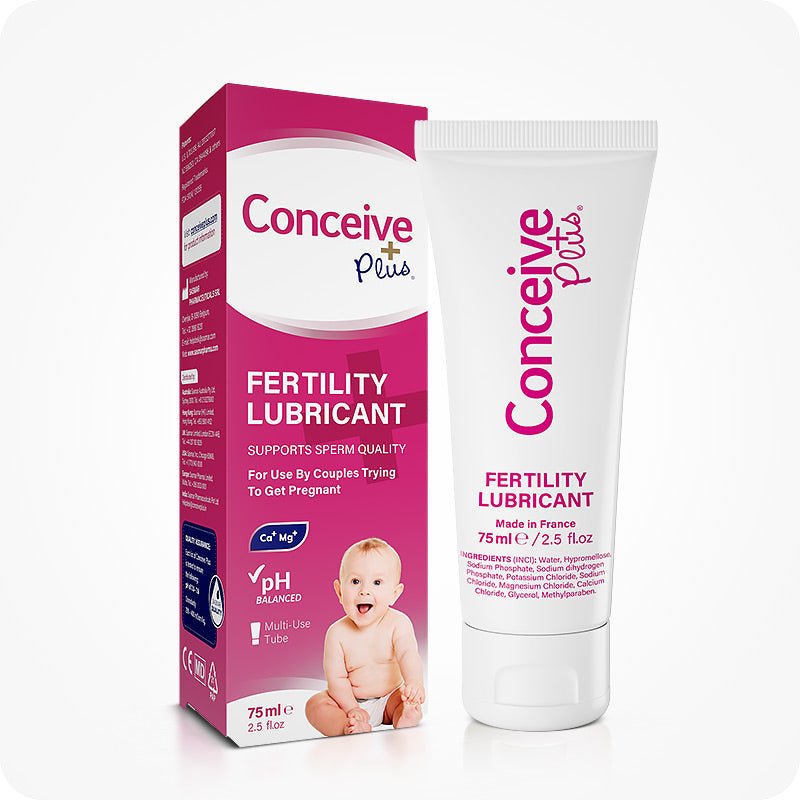
Conceive Plus Fertility Lubricant
Specially formulated to be sperm-friendly and isotonic, supporting your natural conception journey without disrupting the reproductive environment.
Shop Now →Is constipation during pregnancy safe for my baby?
Yes, constipation during pregnancy is generally safe for your baby and does not harm fetal development. However, it's important to manage it safely using pregnancy-approved methods and to consult your healthcare provider if you experience severe symptoms, as untreated constipation can lead to complications like hemorrhoids or fecal impaction.
Can I take over-the-counter laxatives while pregnant?
While some over-the-counter options are considered safer during pregnancy, not all laxatives are recommended. Stool softeners like docusate (Colace) and bulk-forming laxatives such as psyllium husk are generally FDA-approved for pregnancy use, but you should always consult your obstetrician before taking any medication to ensure it's appropriate for your specific situation.
How much water should I drink to help with pregnancy constipation?
The American College of Obstetricians and Gynecologists (ACOG) recommends pregnant women drink about 8-10 cups of water daily, though individual needs may vary. Increasing water intake can help soften stool and improve digestion, making it one of the most effective non-medication approaches to managing constipation during pregnancy.
Does constipation during pregnancy mean I need to change my iron supplement?
Not necessarily—stopping iron supplementation without medical guidance is not recommended, as iron is crucial for preventing anemia during pregnancy. Instead, discuss with your healthcare provider about taking your iron supplement with food, adjusting the dose, or switching formulations that may be gentler on your digestive system.
When should I contact my doctor about pregnancy constipation?
You should contact your obstetrician if you experience severe abdominal pain, blood in your stool, constipation lasting longer than one week despite lifestyle changes, or if you're unable to have bowel movements at all. These symptoms could indicate complications like fecal impaction or other conditions requiring medical evaluation.
Are there specific foods that help relieve constipation during pregnancy?
Yes, fiber-rich foods like prunes, pears, whole grains, leafy greens, beans, and berries are safe and effective for relieving pregnancy constipation. Additionally, foods with natural sorbitol like prune juice can help stimulate bowel movements, and staying hydrated while eating these foods maximizes their effectiveness.
Is exercise safe for managing constipation during pregnancy?
Yes, moderate exercise is safe and beneficial for managing constipation during pregnancy when approved by your healthcare provider. Activities like prenatal walking, swimming, and pregnancy-specific yoga can improve digestive function and bowel regularity, though you should avoid high-impact exercises and always listen to your body's signals.
Trusted by Couples in Over 70 Countries
Start Your Fertility Journey With the Right Support
Conceive Plus Fertility Lubricant is specially formulated to be compatible with sperm, eggs, and embryos. Whether you are just starting out or have been trying for a while, our products are designed to work with your body — not against it.
Explore Fertility Lubricant →