Dead Sperm Cells: How Do They Impact Male Fertility?

Sperm cells are male reproductive cells that carry genetic information from the male partner to the female egg [1]. These cells swim inside the female reproductive tract to reach the egg and fertilize it.
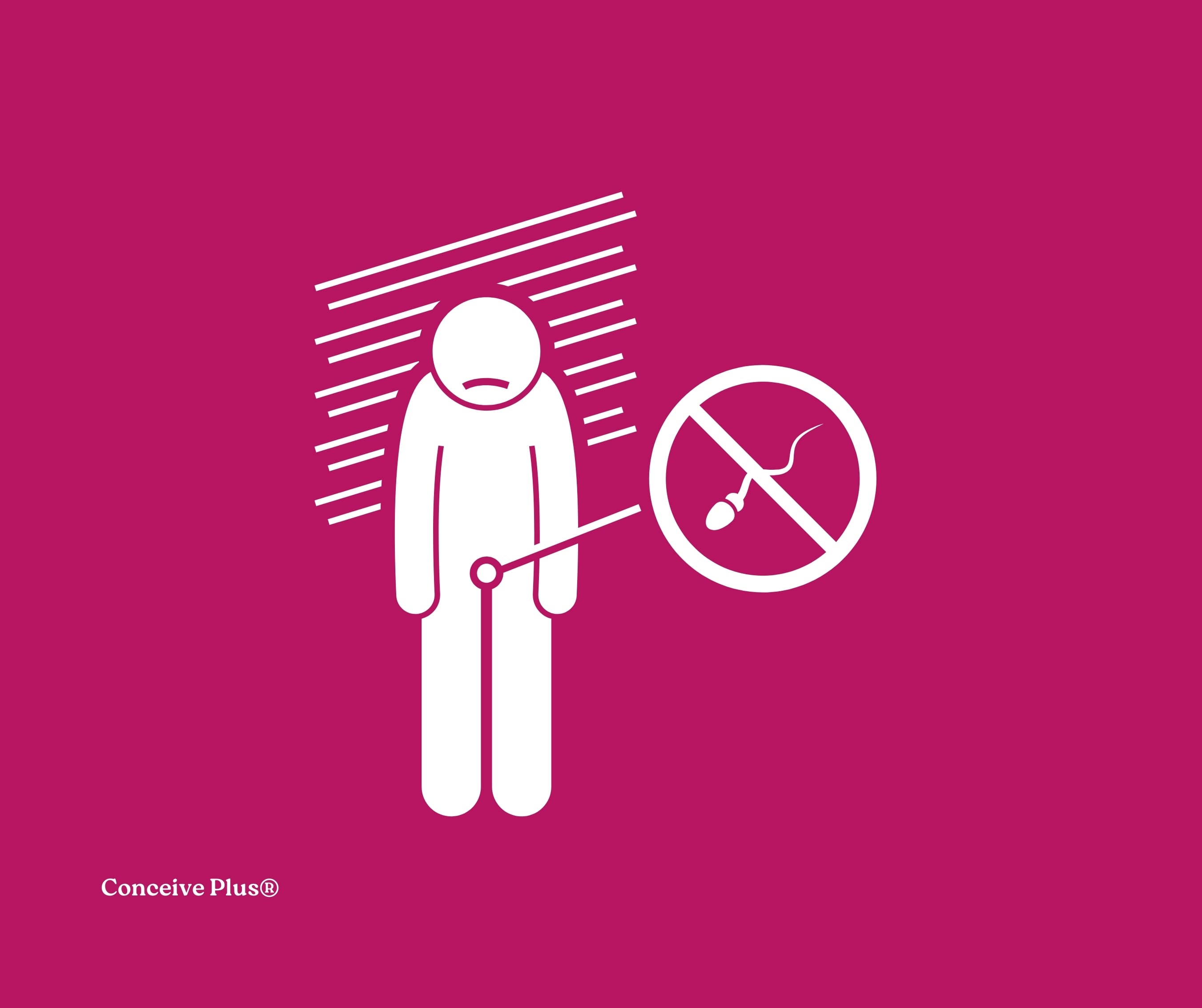
A dead sperm cell is a tag for sperm cells that are unable to swim and can not fertilize the egg [2]. Dead sperm cells significantly impact the chances of conception.
In this article, we will explore the impacts of dead sperm on male fertility status. We will also look into the common causes of sperm death and how to prevent such causes.

What Are Dead Sperm Cells?
Dead sperm cells, as the name suggests, are sperm that are no longer alive to perform their specific task. They can not swim or fertilize an egg.
But how do you know you have dead sperm in ejaculation?
Semen analysis is a test for different sperm parameters, and it also tells what proportion of sperm cells are dead in the semen [3]. A certain percentage of dead sperm in semen is normal. However, a high proportion can indicate potential fertility issues.
If the dead sperm are very high in semen analysis, further evaluation of reproductive health is a must in order to prevent the risk of infertility.
Dead Sperm Cells and Male Fertility
Since sperm cells are male reproductive cells, any problem affecting sperm directly affects male fertility status.
Here is how dead sperm can impact male fertility:
- Signs of healthy sperm is essential for male fertility because healthy sperm can live long enough to reach and fertilize the egg.
- When there are too many dead sperm cells in ejaculate fluid, there will not be enough sperm cells to fertilize the egg, which can make it harder for a couple to conceive.
Common Causes of Increased Dead Sperm Cells
Several factors can lead to an increase in dead sperm cells. Some are lifestyle-related, others are medical. These include:
- High Temperatures: Exposure to heat, such as from hot tubs or tight clothing, can harm sperm cells [4]. This can lead to reduced sperm viability and dead sperm cells.
- Infections: Sexually transmitted infections in the reproductive tract can harm sperm health. Bacterial or viral infections can kill sperm cells, negatively impacting fertility and decreasing the chances of conception.
- Oxidative Stress: Free radicals in the body can damage sperm cells, causing them to die [5]. This often results from poor diet, smoking, or environmental toxins.
- Varicocele: A varicocele is an abnormal enlargement of veins in the scrotum that affects sperm production. Poor circulation and heat can lead to more dead sperm cells.

✨ Support Healthy Sperm
Our Motility Support supplement contains Zinc, CoQ10, and L-Carnitine — clinically studied nutrients for sperm health and motility.
Shop Now — $34.95✓ Free shipping on orders over $40 | ✓ Trusted by millions of couples worldwide

Tips to Improve Sperm Health
Sperm health can be improved by changing some dietary and lifestyle habits. Certain foods and nutrients can support sperm viability.
Here are some effective tips to improve sperm health and prevent sperm death:
- Studies show that many different nutrients are essential for the sperm production process and maintaining the health of sperm [6]. Foods rich in antioxidants, such as fruits and vegetables, can protect sperm from damage and improve their health.
- Since heat is a major threat to sperm viability, limit time in hot tubs and avoid tight clothing to prevent heat damage to sperm cells.
- Smoking and drinking alcohol use can harm sperm quality and lead to sperm death. Quit smoking, alcohol, and other such additive drugs to boost sperm health and chances of conception.
- Moderate physical activity boosts overall health and can also improve sperm production.
The Bottom Line
A simple definition of dead sperm is those cells that can’t fertilize an egg. Dead sperm cells are normal in the ejaculation fluid, but there is a certain limit. If more sperm cells are dead than that limit, it can significantly decrease the chances of pregnancy.
Different dietary, environmental, and lifestyle factors can trigger sperm death. If you are trying to conceive, we recommend that you undergo a semen analysis test to evaluate the health of sperm cells.
If the test reports show a higher percentage of dead sperm than normal, seek help from a fertility specialist to prevent the risk of male infertility.

FAQs
-
What does dead sperm look like?
You can only see dead sperm cells under a microscope, where they will appear non-motile and maybe misshapen.
-
How to know if you can produce sperm?
Semen analysis is an effective fertility test that can tell how much sperm you produce. This test also tells about the health of your sperm.
Resources Used
- Orsolini, M. F., Meyers, S. A., & Dini, P. (2021). An Update on Semen Physiology, Technologies, and Selection Techniques for the Advancement of In Vitro Equine Embryo Production: Section I. Animals : An Open Access Journal From MDPI, 11(11). https://doi.org/10.3390/ani11113248
- The death of sperm cells. ResearchGate. https://www.researchgate.net/publication/380149571_The_Death_of_Sperm_Cells
- Matsumura, T., Kitamura, M., & Kobayashi, Y. (2020). Physiology, Spermatogenesis. In StatPearls. StatPearls Publishing. https://www.ncbi.nlm.nih.gov/books/NBK564369/
- Hoang-Thi, P., Dang-Thi, T., Phan-Van, S., Nguyen-Ba, T., Truong-Thi, L., Le-Minh, T., Nguyen-Vu, H., & Nguyen-Thanh, T. (2022). The Impact of High Ambient Temperature on Human Sperm Parameters: A Meta-Analysis. Iranian Journal of Public Health, 51(4), 710-723. https://doi.org/10.18502/ijph.v51i4.9232
- Walke, G., Gaurkar, S. S., Prasad, R., Lohakare, T., & Wanjari, M. (2023). The Impact of Oxidative Stress on Male Reproductive Function: Exploring the Role of Antioxidant Supplementation. Cureus, 15(7). https://doi.org/10.7759/cureus.42583
- What Vitamins Should A Man Take When Trying To Conceive. Conceive Plus®. https://conceiveplus.com/blogs/blog/what-vitamins-should-a-man-take-when-trying-to-conceive
🌱 Boost Male Fertility Naturally
Conceive Plus Men's Motility Support is formulated with the nutrients that matter most for sperm quality, count, and motility.
Shop Men's Fertility →Frequently Asked Questions
Recommended by Fertility Experts
Conceive Plus Men's Fertility Support
Designed to support healthy sperm production, motility, and overall male reproductive health with clinically studied nutrients.
Shop Now →What percentage of dead sperm cells is considered normal in a semen analysis?
According to the American Society for Reproductive Medicine (ASRM), a semen analysis typically shows that some dead sperm cells are normal and expected. However, if more than 58% of sperm cells are non-motile (unable to move), this may indicate a fertility concern that requires further evaluation by a reproductive endocrinologist. The specific threshold can vary slightly between fertility clinics, so it's important to discuss your results with your healthcare provider.
How long does it take to improve sperm quality after lifestyle changes?
Sperm production takes approximately 74 days from start to finish, so meaningful improvements in sperm quality typically appear within 2-3 months of making positive lifestyle changes. This timeline means that if you reduce heat exposure, quit smoking, or improve your diet, you should see improvements reflected in a follow-up semen analysis after at least 8-12 weeks. Consistent adherence to healthy habits is crucial for sustained improvements in sperm viability.
Can dead sperm cells be treated with medication or supplements?
While there is no medication that directly 'resurrects' dead sperm cells, certain supplements like CoQ10, vitamin E, and selenium have shown promise in some studies for improving overall sperm quality and reducing oxidative stress. However, the FDA does not regulate supplements as strictly as medications, and evidence for their effectiveness varies. It's essential to consult with a fertility specialist before starting any supplements, as they can review your specific situation and recommend evidence-based treatments.
What infections can cause increased dead sperm cells?
Common infections that can damage sperm health include sexually transmitted infections (STIs) such as chlamydia and gonorrhea, as well as bacterial prostatitis and urinary tract infections. These infections create inflammation in the reproductive tract, which produces free radicals and oxidative stress that kill sperm cells. If you suspect an infection, it's important to seek prompt treatment from a urologist or infectious disease specialist, as many reproductive infections are treatable with antibiotics.
Does heat exposure from daily activities really affect sperm production?
Yes, prolonged heat exposure can significantly reduce sperm viability because sperm production requires temperatures about 2-3 degrees lower than normal body temperature. Common sources of heat damage include hot tubs, saunas, tight underwear, prolonged laptop use on the lap, and working in hot environments. To protect sperm quality, the American Urological Association recommends wearing loose-fitting underwear, avoiding prolonged heat exposure, and taking breaks from heat-generating activities when possible.
How is male infertility due to dead sperm cells diagnosed in the US?
Male infertility is typically diagnosed through a semen analysis performed at a fertility clinic or urology office, which measures sperm count, motility (movement), and morphology (shape). The American Society for Reproductive Medicine recommends this test as the first step in evaluating male fertility. If results show abnormally high levels of dead or non-motile sperm, your healthcare provider may recommend additional tests such as hormone panels, ultrasound, or genetic testing to identify underlying causes.
Does insurance cover semen analysis and fertility testing for dead sperm cells?
Insurance coverage for semen analysis and male fertility testing varies significantly by plan and state, though many plans do cover diagnostic testing when there is a documented history of infertility. Some states have fertility insurance mandates that require coverage of diagnostic procedures, though not all treatments. Contact your insurance provider directly to understand your coverage, and ask your fertility clinic about cash-pay options, as semen analysis typically costs between $100-$300 without insurance.
Trusted by Couples in Over 70 Countries
Support Male Fertility From the Inside Out
Male fertility is just as important as female fertility in the conception journey. Conceive Plus Men's range delivers targeted nutritional support to promote healthy sperm and overall reproductive wellbeing.
Shop Men's Range →