DPO Calculator: Your Guide to Tracking Ovulation and Implantation
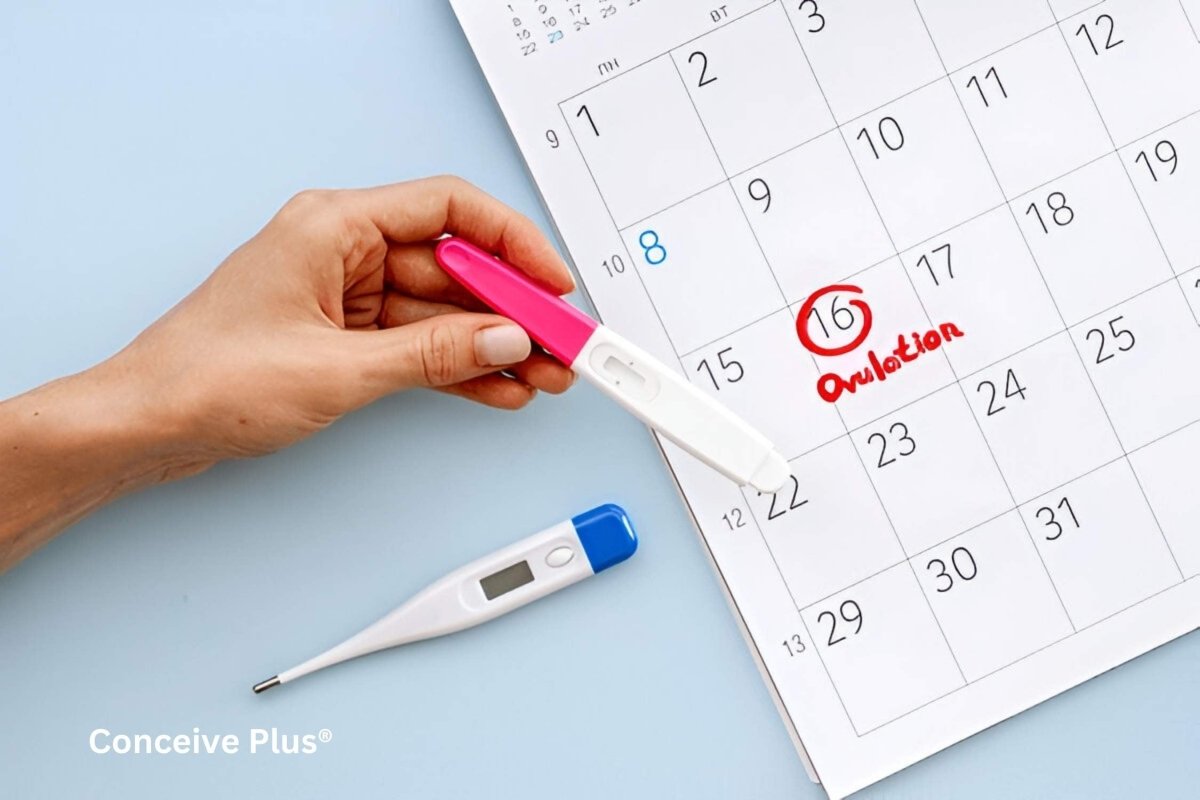

When trying to conceive, understanding your body’s timeline, especially the days past ovulation (DPO), is crucial for accurately tracking pregnancy potential. A DPO calculator is a valuable tool for anyone hoping to conceive, as it provides an estimate of when fertilization and implantation are likely to occur. This guide will cover how a DPO calculator works, how to track implantation timing, and what to expect after implantation. We’ll also discuss how to calculate DPO accurately and answer common questions about implantation timing.
Understanding DPO (Days Past Ovulation)
Days Past Ovulation, or DPO, refers to the number of days that have passed since ovulation. Ovulation typically occurs midway through a menstrual cycle, but the exact timing can vary based on cycle length and individual hormonal patterns. Tracking DPO is essential in understanding early pregnancy signs and in estimating when implantation may occur.
For example, if you’re wondering, "how many days past ovulation am I?" or using a "how many DPO am I calculator," a DPO calculator can help determine your current DPO based on your last ovulation day. Accurately knowing your DPO is also essential for understanding pregnancy test timing since the hormone hCG, which is produced after implantation, starts to rise in the days following implantation.

How to Calculate DPO and Ovulation Timing
To calculate your DPO, you first need to know the date of ovulation. Ovulation occurs when a mature egg is released from the ovary, typically around day 14 of a standard 28-day cycle. However, cycles can vary, so understanding your personal cycle length is key to accurate tracking.
For an average 28-day cycle, using a DPO calculator or manually tracking DPO is relatively straightforward. For those with irregular cycles, an implantation calculator for irregular periods may provide better estimates, as it adjusts for varying ovulation dates. If you’re asking, “What DPO am I?” the calculator can help you determine this based on your ovulation day.
When Does Implantation Occur?
Implantation, the process by which a fertilized egg attaches to the uterine lining, typically occurs 6-12 days after conception, but the exact timing can vary. If you’re asking, "how long after conception does implantation occur" or "how many days after ovulation is implantation?" the answer depends on individual cycles and the timing of fertilization.
The most common implantation day is approximately 9 days past ovulation (9 DPO). However, implantation can happen anywhere from 6 to 12 DPO, making a DPO calculator a helpful tool in tracking possible implantation days. By keeping track of your DPO, you can get a better idea of "when will I implant" and determine if any early pregnancy signs might be linked to implantation [1].
Using a DPO Calculator for Pregnancy Tracking
The DPO calculator pregnancy is especially useful for those who are trying to conceive (TTC), as it provides an estimate of implantation days based on ovulation. In tracking DPO, you can anticipate when pregnancy tests might start showing a positive result, particularly after implantation when hCG begins to rise. Many women choose to take a 10 DPO pregnancy test to detect early signs of pregnancy, though results may vary depending on individual hCG levels.
An HCG DPO calculator can further help you track hCG levels to confirm pregnancy, as hCG starts to be detectable a few days after implantation. Knowing "how to calculate DPO pregnancy" can help predict early pregnancy milestones and timing for pregnancy tests.


✨ Think You Might Be Pregnant?
Get fast, accurate results up to 6 days before your missed period with our early detection pregnancy test.
Shop Now — $9.80✓ Free shipping on orders over $40 | ✓ Trusted by millions of couples worldwide
How Long After Ovulation Will Implantation Occur?
If you’re wondering, "how long after ovulation does implantation occur?" it’s generally within 6-12 days, although the most common day to implant is around day 9. The variability in implantation timing depends on several factors, including the time it takes for the fertilized egg to travel through the fallopian tube and the condition of the uterine lining.
With a DPO calculator, you can track each day post-ovulation to anticipate "when will implantation occur" within your cycle. The DPO calculator can also act as an implantation estimator by giving a possible range for implantation timing based on your ovulation day.
What Cycle Day Does Implantation Occur?
If you have a standard 28-day cycle, implantation generally occurs around cycle days 20-24. For those curious about the exact day, a DPO calculator can be paired with an implantation calendar to estimate the likely implantation period. The 28 day cycle when does implantation occur question often has variable answers based on personal ovulation timing.
For those with irregular cycles, tracking through tools like an implantation calculator for irregular periods can help pinpoint the implantation window more accurately than standard estimations. Usually the conceptus implants occur around 8 to 10 days [2].
How Long Does Implantation Take?
Wondering "how long does it take for egg implantation"? Or how long does egg implantation take? The implantation process itself is relatively quick, but the journey to implantation can take several days. Typically, it can take up to 12 days after ovulation for the egg to implant fully in the uterus. To further track this, you can use a DPO calculator as a tool to estimate the likely timeframe.
Early Signs of Implantation: What Happens After Implantation?
After implantation, the body begins producing hCG, the pregnancy hormone. Symptoms might include mild cramping, spotting, or other early pregnancy indicators. Many ask, "what happens after implantation?" The increase in hCG can lead to early symptoms such as nausea, breast tenderness, or fatigue.
For those tracking potential implantation symptoms, an implantation bleeding calculator can help estimate spotting timing related to implantation. This calculator, in tandem with your DPO tracking, provides a more detailed view of early symptoms linked to implantation.

Calculating Implantation for Different Cycle Types
For those with regular cycles, implantation estimation is fairly consistent. However, irregular cycles can complicate calculations, which is where an implantation calculator for irregular periods becomes useful. By adjusting based on personal ovulation dates, this calculator provides a tailored estimate of when implantation might occur.
Timing Questions: “When Did I Implant?”
Questions like “When did I implant?” or “When will I implant?” are common in conception tracking. For those who may have experienced implantation bleeding, using a DPO calculator in combination with an implantation calendar can help identify the likely day of implantation.
How to Use a DPO Calculator in TTC (Trying to Conceive)
For individuals TTC, using a DPO calculator TTC can help predict both ovulation timing and potential implantation days. Tracking your cycle consistently with tools like a DPO calculator increases the accuracy of your results and can help you better understand your fertility patterns. Additionally, utilizing fertility-friendly products like prenatal supplements and ovulation support supplements can enhance your chances of conception.

FAQs on Implantation Timing and DPO Tracking
-
How soon after conception can implantation occur?
Implantation can occur as early as 6 days post-conception, although it more commonly happens around 9 DPO.
-
How many days does implantation take?
The implantation process itself is short, generally completed within a day. However, from conception to complete implantation, it can take up to 12 days.
-
How to calculate DPO ovulation?
Tracking ovulation accurately (typically day 14 of a 28-day cycle) is essential. Count the days past ovulation for your DPO and use the calculator to estimate.
-
When will implantation occur?
Implantation typically happens between 6 and 12 DPO, with the most common implantation day being 9 DPO.
Conclusion
A DPO calculator is an invaluable tool for tracking ovulation and estimating implantation timing, helping those trying to conceive better understand their cycle and early pregnancy signs. By using a DPO calculator alongside an implantation estimator or implantation calendar, you can more accurately predict when to test for pregnancy and recognize potential implantation symptoms. Whether you have a regular or irregular cycle, DPO tracking tools can enhance your conception journey and provide clarity during the early stages of pregnancy.
Resources:
-
Muter, J., Lynch, V. J., McCoy, R. C., & Brosens, J. J. (2023). Human embryo implantation. Development (Cambridge, England). Available at: https://pmc.ncbi.nlm.nih.gov/articles/PMC10281521/
-
Wilcox AJ, Baird DD, Weinberg CR. Time of implantation of the conceptus and loss of pregnancy. N Engl J Med. 1999 Jun 10;340(23):1796-9. doi:10.1056/NEJM199906103402304. PMID: 10362823.
🌱 Get Answers Early
Millions of women trust Conceive Plus for their fertility journey. Clinically validated pregnancy tests delivered to your door.
Shop Pregnancy Tests →Frequently Asked Questions
Recommended by Fertility Experts
Conceive Plus Men's Fertility Support
Designed to support healthy sperm production, motility, and overall male reproductive health with clinically studied nutrients.
Shop Now →Can I trust a DPO calculator if I have irregular periods?
DPO calculators work best when you know your exact ovulation date, which can be challenging with irregular cycles. For irregular periods, consider using ovulation tracking methods like ovulation predictor kits (OPKs), basal body temperature charting, or consulting with a fertility specialist who can monitor ovulation through ultrasound. Many fertility clinics in the US recommend these methods for more accurate tracking than calculators alone, especially if you're planning to seek fertility treatment.
When is the earliest I can take a pregnancy test after ovulation?
Most pregnancy tests can detect hCG (human chorionic gonadotropin) around 12-14 days past ovulation (DPO), which is typically around the time of a missed period. The American College of Obstetricians and Gynecologists (ACOG) recommends waiting until at least the first day of a missed period for the most accurate results. Testing earlier may result in false negatives, as hCG levels are still rising during early implantation.
What are the most reliable early pregnancy signs at different DPO milestones?
Early pregnancy symptoms vary widely between individuals and are not reliable indicators before a missed period. Common symptoms like breast tenderness, fatigue, or nausea typically don't appear until 3-4 weeks after conception (around 17-21 DPO or later). The only reliable way to confirm pregnancy is through a pregnancy test measuring hCG levels, either at home with an FDA-approved test or through a blood test ordered by your healthcare provider.
Does implantation always happen at 9 DPO, or can it occur at different times?
Implantation typically occurs between 6-12 days past ovulation, with 9 DPO being the most common, but timing varies based on individual factors including egg quality, sperm health, and uterine receptivity. Some pregnancies may implant earlier (6-8 DPO) or later (10-12 DPO), which is still considered normal and does not indicate a problem. If you're concerned about implantation timing or have not conceived after several cycles, the American Society for Reproductive Medicine (ASRM) recommends consulting a fertility specialist.
Is there a difference between ovulation date and conception date when using a DPO calculator?
Ovulation date and conception date are closely related but not identical—conception typically occurs within 12-24 hours after ovulation when sperm fertilizes the egg. A DPO calculator counts from the ovulation date, so if you ovulate on day X, conception likely occurs on day X or X+1. This distinction is important for accurate pregnancy dating, which is why ultrasounds performed early in pregnancy (ideally before 13 weeks) provide the most accurate gestational age estimates.
Can I use a DPO calculator if I'm taking fertility medications or undergoing fertility treatment?
While you can technically use a DPO calculator during fertility treatment, your fertility clinic will provide more accurate ovulation timing through hormone monitoring and ultrasounds, which is standard practice in the US. If you're using medications like Clomid or undergoing IVF, your doctor will give you a specific trigger shot date and ovulation window, making a general calculator less relevant. Always rely on your fertility clinic's timeline rather than a calculator when undergoing medical fertility treatment.
Will insurance cover fertility tracking tools or DPO calculators?
Most insurance plans do not cover the cost of DPO calculators or fertility tracking apps, as they are typically free or low-cost tools available online and through mobile applications. However, if you need professional ovulation tracking through a fertility clinic—including ultrasounds, blood tests, or consultations—coverage depends on your specific insurance plan and whether you have infertility benefits. It's best to contact your insurance provider directly or speak with your healthcare provider about coverage for fertility tracking and treatment options.
Trusted by Couples in Over 70 Countries
Support Male Fertility From the Inside Out
Male fertility is just as important as female fertility in the conception journey. Conceive Plus Men's range delivers targeted nutritional support to promote healthy sperm and overall reproductive wellbeing.
Shop Men's Range →