Why an Early Response Pregnancy Test is Key for Detecting Pregnancy Early

When you're trying to conceive, waiting is tough. I mean, really tough. You just wanna know, right? That's where the early response pregnancy test comes in. It's one of those tests you can rely on when you just can’t wait. It’s no wonder so many people call it the best pregnancy test early. Why? Simple—it works. It helps you get results before you’ve even missed your period, and that can be a real game-changer [1].

Why Use an Early Response Pregnancy Test?
An early response pregnancy test has become a go-to because of its ability to detect pregnancy super early, like even up to six days before you miss your period. It’s not just fast; it’s known as the best pregnancy test that detects the earliest, which is a big deal when every day feels like an eternity.
And if you're tracking closely, especially around 10 DPO (days past ovulation), this test is pretty much your best bet. Many people actually say it’s the best pregnancy test for 10 DPO because it picks up on those early, super-low hCG levels. It’s fast, reliable, and can give you answers when you’re on pins and needles waiting [2].
Top Tip: Always test in the morning if possible. Your urine’s more concentrated then, which can give a clearer result.

How Does It Work?
Pregnancy tests, like the early response pregnancy test, are looking for hCG—the hormone your body makes when you're pregnant. This test is crazy sensitive. It can pick up tiny amounts of hCG in your pee before other tests can. It’s kinda like having a rapid pregnancy test right at your fingertips.
And when you’re in that early phase of trying to find out, knowing you have one of the fastest pregnancy test options on hand can be a real relief [3]. It reacts quickly, giving you an answer in just minutes. Plus, no one wants to wait longer than they have to, right?

When Should You Take It?

✨ Think You Might Be Pregnant?
Get fast, accurate results up to 6 days before your missed period with our early detection pregnancy test.
Shop Now — $9.80✓ Free shipping on orders over $40 | ✓ Trusted by millions of couples worldwide
So, wondering about the first response when to test? If you're experiencing symptoms and wondering, is peeing a lot a sign of pregnancy, this early response pregnancy test can help you find out sooner. Well, this test is designed to be used up to six days before your period. That’s what makes it a 6 days early pregnancy test. But, here's the thing, if you test super early and get a negative, don’t freak out just yet. It might be too soon for your body to show enough hCG. You can always test again in a couple of days [4]. The first response early response pregnancy test is super sensitive, but even then, sometimes you gotta give it a little time.
And yeah, the first response pregnancy tests are known for being super accurate, but timing can affect your results. Just try and stay patient (easier said than done, I know).
Top Tip: Don’t drink too much water before testing, it can dilute the hCG levels in your urine and affect the results.
Why Timing Matters
If you’ve been trying for a baby, you know timing is everything. You’ve probably been tracking your ovulation, watching the calendar, maybe even using ovulation tests. This is where an early response pregnancy test really shines because you don’t have to wait forever to find out.
And, with so much on the line, using a rapid pregnancy test like this one gives you an answer fast. The earlier you know, the sooner you can start planning (or relaxing). It’s also a good idea to test again if you're unsure. The hCG levels double every 48 hours, so if you're unsure, give it a day or two and retest [5].
Top Tip: If you get a negative early, don’t lose hope. Test again after a couple of days for more accurate results.

The Bottom Line
The early response pregnancy test stands out as the best pregnancy test early detection method for those who just can’t wait to know. It’s super sensitive, reliable, and gives results quickly, making it the best pregnancy test that detects the earliest pregnancy signs. Whether you’re testing at 10 DPO or trying to catch that early pregnancy window, the first response early response pregnancy test is the way to go. With this test in hand, you'll get the answers you need to start your pregnancy journey on the right foot.
FAQs
How early can I use the early response pregnancy test?
You can use it as early as six days before your missed period, making it a 6 days early pregnancy test.
Is the early response pregnancy test accurate at 10 DPO?
Yes, it’s considered the best pregnancy test for 10 DPO because it detects low levels of hCG early on.
How fast does this test give results?
The early response pregnancy test works quickly, making it one of the fastest pregnancy test options, typically showing results in just a few minutes.
When is the best time to take the early response pregnancy test?
It’s best to take it first thing in the morning when your hCG levels are most concentrated.
Can I test before my missed period?
Yes, the early response pregnancy test allows for testing up to six days before your period, making it great for early detection.
Citations
- Gnoth, C., & Johnson, S. (2014). Strips of Hope: Accuracy of Home Pregnancy Tests and New Developments. Geburtshilfe und Frauenheilkunde. Available at: https://pubmed.ncbi.nlm.nih.gov/25100881/
- Gnoth, C., & Johnson, S. (2014). Strips of Hope: Accuracy of Home Pregnancy Tests and New Developments. Geburtshilfe und Frauenheilkunde. Available at: https://www.ncbi.nlm.nih.gov/pmc/articles/PMC4119102/
- Zegers-Hochschild, F., Adamson, G. D., de Mouzon, J., Ishihara, O., Mansour, R., Nygren, K., Sullivan, E., Vanderpoel, S., International Committee for Monitoring Assisted Reproductive Technology, & World Health Organization (2009). International Committee for Monitoring Assisted Reproductive Technology (ICMART) and the World Health Organization (WHO) revised glossary of ART terminology, 2009. Fertility and sterility. Available at: https://pubmed.ncbi.nlm.nih.gov/19828144/
- Alves C, Jenkins SM, Rapp A. Early Pregnancy Loss (Spontaneous Abortion) [Updated 2023 Oct 12]. In: StatPearls [Internet]. Treasure Island. Available at: https://www.ncbi.nlm.nih.gov/books/NBK560521/
- Makrigiannakis, A., Vrekoussis, T., Zoumakis, E., Kalantaridou, S. N., & Jeschke, U. (2017). The Role of HCG in Implantation: A Mini-Review of Molecular and Clinical Evidence. International journal of molecular sciences. Available at: https://www.ncbi.nlm.nih.gov/pmc/articles/PMC5486126/
🌱 Get Answers Early
Millions of women trust Conceive Plus for their fertility journey. Clinically validated pregnancy tests delivered to your door.
Shop Pregnancy Tests →Frequently Asked Questions
Recommended by Fertility Experts
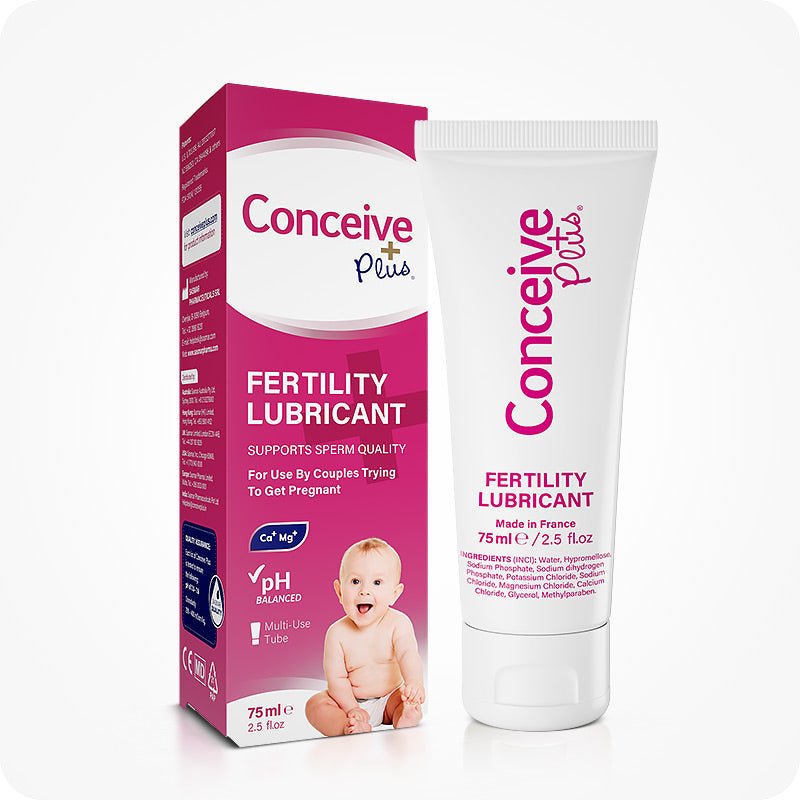
Conceive Plus Fertility Lubricant
Specially formulated to be sperm-friendly and isotonic, supporting your natural conception journey without disrupting the reproductive environment.
Shop Now →How accurate are early response pregnancy tests compared to blood tests?
Early response urine pregnancy tests are approximately 99% accurate when used correctly, but blood tests (both quantitative and qualitative hCG tests) ordered by your healthcare provider are slightly more sensitive and can detect pregnancy a few days earlier. Blood tests measure exact hCG levels and are the gold standard for confirming pregnancy, especially in the first few weeks. The FDA regulates both types of tests for accuracy and reliability in the US market.
What does DPO mean, and why is 10 DPO significant for testing?
DPO stands for 'days past ovulation,' which counts the number of days since your egg was released. At 10 DPO, hCG levels are typically high enough for sensitive early response tests to detect pregnancy, though implantation may still be occurring for some individuals. Most fertility specialists recommend waiting until at least 12-14 DPO or the first day of a missed period for the most reliable results.
Does insurance cover early response pregnancy tests?
Most health insurance plans do not cover over-the-counter home pregnancy tests, as they are considered consumer products rather than medical services. However, if your healthcare provider orders a blood hCG test as part of your fertility evaluation or suspected pregnancy, that may be covered depending on your plan. We recommend contacting your insurance provider directly to understand your specific coverage for fertility-related testing.
Can medications or medical conditions affect early pregnancy test results?
Certain fertility medications containing hCG (like trigger shots used during IVF) can produce false positives on pregnancy tests, so timing is crucial for those undergoing treatment. Medical conditions like PCOS, thyroid disorders, and certain cancers can sometimes affect hCG levels, making it important to consult with your healthcare provider if you have concerns. If you're taking medications or have underlying health conditions, discuss the best testing timeline with your fertility specialist or OB-GYN.
What should I do if I get conflicting results on multiple early response pregnancy tests?
If you receive conflicting results, contact your healthcare provider for a quantitative blood hCG test, which provides definitive results and can detect even trace amounts of the hormone. Blood tests are especially important if you're experiencing symptoms or have a medical history that requires confirmation, and they're the standard recommended by the American Society for Reproductive Medicine (ASRM). Avoid taking multiple home tests in quick succession, as this can lead to confusion and unnecessary stress.
Are early response pregnancy tests safe to use, and has the FDA approved them?
Yes, early response pregnancy tests sold in the United States are FDA-regulated and safe to use when following the manufacturer's instructions. The FDA classifies home pregnancy tests as medical devices and requires them to meet strict accuracy standards before they can be marketed to consumers. All reputable early response tests available at US pharmacies and retailers have undergone FDA clearance and are safe for self-testing at home.
When should I see a doctor after getting a positive early response pregnancy test?
Most healthcare providers recommend scheduling an appointment as soon as you receive a positive home pregnancy test to confirm the result with a clinical blood test and begin prenatal care. The American College of Obstetricians and Gynecologists (ACOG) suggests your first prenatal visit typically occurs around 8-10 weeks of pregnancy. Early medical evaluation is particularly important if you have pre-existing health conditions, are over 35, or have had previous pregnancy complications.
Trusted by Couples in Over 70 Countries
Start Your Fertility Journey With the Right Support
Conceive Plus Fertility Lubricant is specially formulated to be compatible with sperm, eggs, and embryos. Whether you are just starting out or have been trying for a while, our products are designed to work with your body — not against it.
Explore Fertility Lubricant →