Ejaculation From Inside: What Does It Indicate?
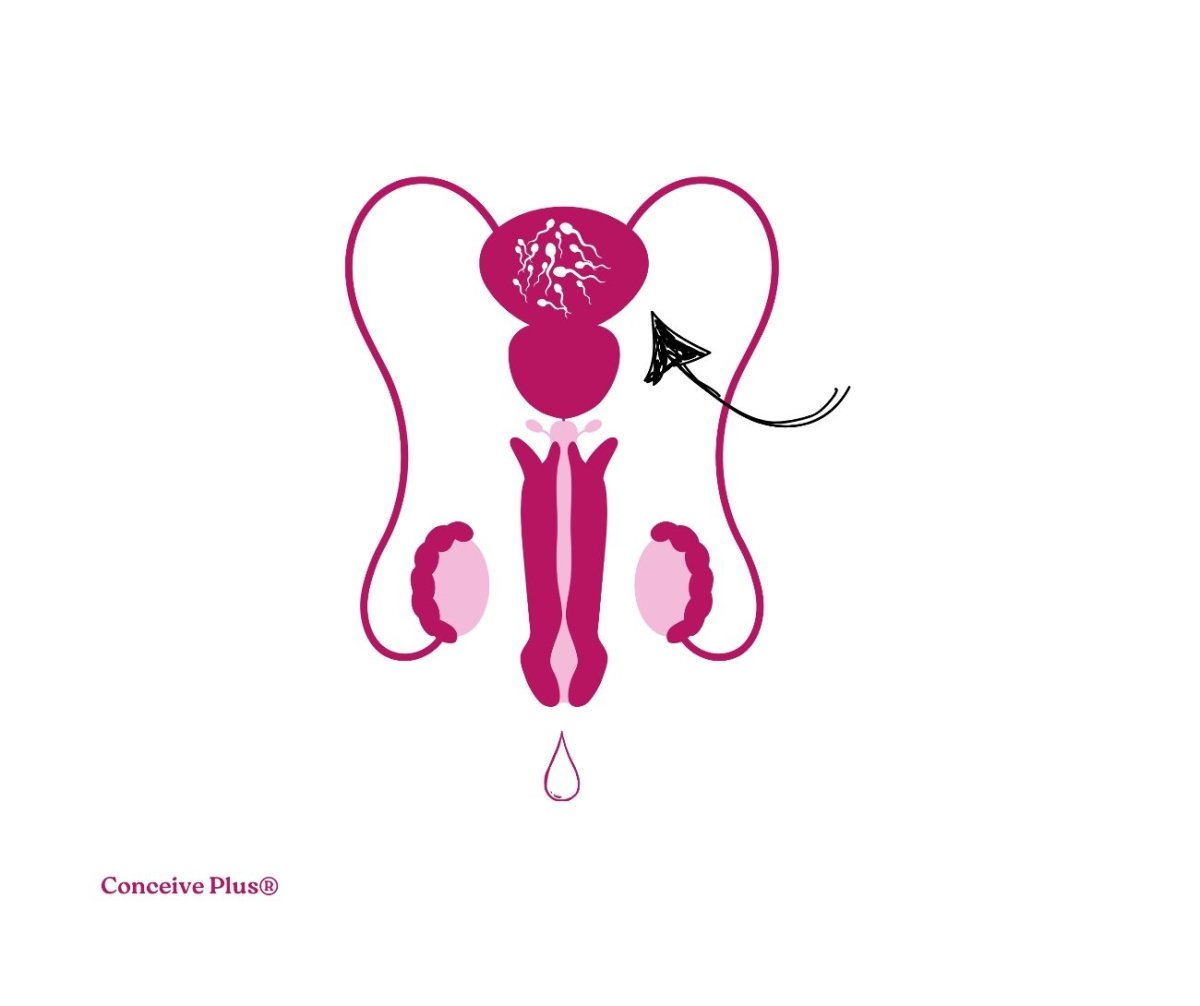

During sexual activity, at the peak of orgasm, the copulation organ penis releases seminal fluid. This is what typically happens and is a normal body mechanism [1].
But what happens if sperm goes in a male body instead of coming out? Or What does semen feel like?
Ejaculation from inside occurs when the semen goes backward into the bladder instead of coming out from the penis. The other words for this process are retrograde ejaculation and dry orgasm [2].
In this article, we will explore what causes ejaculation from the inside. We will also cover if it is dangerous for the reproductive tract and how you can avoid it.

What Is Internal Ejaculation?
When you feel the orgasm, the muscles of the tubes carrying sperm contract and push the semen out of the body. However, when there is a problem with the working of those muscles, it can result in internal ejaculation or retrograde ejaculation.
In retrograde ejaculation, the muscles that close the path of sperm cells towards the bladder fail to close properly, and pre male cum or sperm enters into the bladder.
Internal ejaculation is usually not harmful, but it can impact the chances of conception [3]. If you are trying to conceive, you must address this issue by consulting a specialist.
Symptoms of Internal Ejaculation
The most apparent symptom of internal ejaculation is the absence of semen during orgasm. The semen direction changes towards the bladder. Semen stays in the bladder until you expel it out through urination.
Other symptoms may include:
- Cloudy urine after ejaculation
- Reduced fertility due to the absence of semen
- Potential discomfort during orgasm
What Is the Cause of Ejaculation From Inside?
There are multiple causes that can result in internal ejaculation or retrograde ejaculation. A few commonly known causes are:
-
Nerve Damage
Nerves control the movement of muscles throughout the body, including the muscles involved in the ejaculation process [4].
Different types of accidental traumas and surgeries can lead to nerve damage, which may impair ejaculatory muscle function. This causes the semen to flow towards the bladder, and it is among the most common causes of internal ejaculation.
-
Certain Medications
Studies show that medications for high blood pressure and prostate issues increases the chances of retrograde ejaculation [5]. The effect of these medications can relax the bladder neck muscles during ejaculation, promoting the entry of semen into the bladder.

✨ Support Healthy Sperm
Our Motility Support supplement contains Zinc, CoQ10, and L-Carnitine — clinically studied nutrients for sperm health and motility.
Shop Now — $34.95✓ Free shipping on orders over $40 | ✓ Trusted by millions of couples worldwide
-
Prostate Surgery
The most common surgical procedure that can damage the muscles and nerves for ejaculation is prostate surgery. After surgery, the bladder muscles may not be able to function properly and allow the entry of semen into the bladder.
-
Diabetes
Research show that diabetes can lead to nerve damage in the long term [6]. It can also damage the nerves responsible for regulating ejaculation.
Nerve damage can impair the muscles in the ejaculatory pathway and increase the risk of internal ejaculation or retrograde ejaculation.

Is Internal Ejaculation Harmful?
Ejaculation from the inside is generally not harmful for the reproductive tract or even overall health. The semen just enters the bladder and stays there until you urinate.
When you urinate, the semen is pushed out of the body with urine, and you may not even notice.
However, it is important to remember that internal ejaculation can negatively impact fertility. This is because it reduces the availability of sperm during intercourse for fertilization.
If you are trying to conceive and experiencing symptoms of internal ejaculation, you must book a consultation with a specialist for the improvement of this condition.
Treatment Options For Internal Ejaculation
There are some treatment options available to prevent ejaculation from the inside and improve fertility. What treatment option will work for you depends on the underlying cause for internal ejaculation.
Some practical treatment options for internal ejaculation are:
- Adjusting Medications: If the issue wasn't there before you started taking certain medications, that means that the medication is causing the issue. Your doctor may adjust the dosage or prescribe alternative medications.
- Surgery: Surgery is needed when internal ejaculation is due to some anatomical problem, such as blockage in the semen-carrying tube. Surgery is done to open the path for the semen towards the penis.
- Fertility Treatments: The fertility treatment option is for people who are trying to conceive but the internal ejaculation is not improving. They can choose treatment options such as IVF. For such treatment, the sperm can be collected through a surgical incision from inside the body.

The Bottom Line
If you are trying to conceive but notice that there is little to no ejaculation fluid after orgasm, there is a chance that you are having internal ejaculation. It is not a normal process, but it doesn’t cause any harm to the body or reproductive system.
In internal ejaculation, the ejaculatory fluids go into the bladder instead of releasing out from the penis. Different medical conditions and certain medications can develop this problem. Treatment options are available to prevent ejaculation from inside and increase the chances of fertilization.
Resources Used
- Koren, G., & Koren, D. (2020). Retrograde Ejaculation—A Commonly Unspoken Aspect of Prostatectomy for Benign Prostatic Hypertrophy. American Journal of Men's Health, 14(2). https://doi.org/10.1177/1557988320910870
- Koren, G., & Koren, D. (2020). Retrograde Ejaculation—A Commonly Unspoken Aspect of Prostatectomy for Benign Prostatic Hypertrophy. American Journal of Men's Health, 14(2). https://doi.org/10.1177/1557988320910870
- Retrograde ejaculation - Symptoms & causes - Mayo Clinic. (2022, January 11). Mayo Clinic. https://www.mayoclinic.org/diseases-conditions/retrograde-ejaculation/symptoms-causes/syc-20354890
- Soni, K. K., Jeong, H., & Jang, S. (2022). Neurons for Ejaculation and Factors Affecting Ejaculation. Biology, 11(5), 686. https://doi.org/10.3390/biology11050686
- Kaplan, S. A. (2008). Side Effects of α-Blocker Use: Retrograde Ejaculation. Reviews in Urology, 11(Suppl 1), S14. https://www.ncbi.nlm.nih.gov/pmc/articles/PMC2812888/
- Feldman, E. L., Callaghan, B. C., Pop-Busui, R., Zochodne, D. W., Wright, D. E., Bennett, D. L., Bril, V., Russell, J. W., & Viswanathan, V. (2019). Diabetic neuropathy. Nature Reviews. Disease Primers, 5(1), 42. https://doi.org/10.1038/s41572-019-0097-9
🌱 Boost Male Fertility Naturally
Conceive Plus Men's Motility Support is formulated with the nutrients that matter most for sperm quality, count, and motility.
Shop Men's Fertility →Frequently Asked Questions
Recommended by Fertility Experts
Conceive Plus Men's Fertility Support
Designed to support healthy sperm production, motility, and overall male reproductive health with clinically studied nutrients.
Shop Now →Can retrograde ejaculation affect my ability to get my partner pregnant?
Yes, retrograde ejaculation can significantly impact fertility because less or no semen is expelled through the urethra during orgasm, reducing the number of sperm available to fertilize an egg. If you're trying to conceive and experiencing symptoms of internal ejaculation, the American Society for Reproductive Medicine (ASRM) recommends consulting a fertility specialist who can evaluate your condition and discuss treatment options. Depending on the cause, treatments may include medication adjustments, medical therapy, or assisted reproductive techniques like intrauterine insemination (IUI) or in vitro fertilization (IVF).
Which medications commonly cause retrograde ejaculation?
Common medications associated with retrograde ejaculation include blood pressure medications (particularly alpha-blockers and some antihypertensives), antidepressants (SSRIs), antipsychotics, and certain prostate medications. If you suspect your medication is causing this issue, consult with your prescribing physician before making any changes—they may be able to adjust your dosage or switch you to an alternative medication that doesn't affect ejaculation. Never discontinue prescribed medications without medical guidance, as doing so could negatively impact your overall health.
Is retrograde ejaculation dangerous or harmful to my health?
Retrograde ejaculation is generally not physically dangerous, as the semen is safely absorbed by the bladder and eliminated through urination without causing harm to the urinary system. However, it can impact your fertility and sexual satisfaction, which may affect your quality of life and reproductive goals. If you're experiencing symptoms or have concerns about your sexual or reproductive health, consulting with a urologist or fertility specialist can help determine the underlying cause and appropriate treatment options.
How is retrograde ejaculation diagnosed by a doctor?
A urologist or fertility specialist typically diagnoses retrograde ejaculation by performing a urinalysis after ejaculation to detect the presence of sperm in the urine, which is the hallmark sign of this condition. They may also conduct a physical examination, review your medical history, and discuss your symptoms to identify potential causes such as nerve damage or medication side effects. Additional testing may include semen analysis or imaging studies depending on your individual situation and fertility goals.
What are my treatment options if I'm trying to conceive with retrograde ejaculation?
Treatment options depend on the underlying cause and may include adjusting or changing medications, using medications like pseudoephedrine or imipramine to improve muscle function, or using assisted reproductive techniques. The American Society for Reproductive Medicine notes that many men with retrograde ejaculation can successfully father children through intrauterine insemination (IUI) using sperm collected from post-ejaculation urine samples. A fertility specialist can help create a personalized treatment plan based on your diagnosis and reproductive goals.
Can retrograde ejaculation be cured or reversed?
Whether retrograde ejaculation can be reversed depends on its cause—if it results from medication side effects, switching medications may restore normal ejaculation, whereas nerve damage from surgery or injury may be permanent. A urologist or fertility specialist can evaluate the specific cause in your case and discuss realistic expectations for recovery or management. Even if the condition cannot be fully reversed, fertility is often still achievable through medical treatment or assisted reproductive techniques.
Should I see a urologist or fertility specialist for retrograde ejaculation?
If you're experiencing symptoms of retrograde ejaculation, starting with your primary care physician or a urologist is appropriate for initial diagnosis and to rule out underlying medical conditions. If your primary concern is fertility and you're trying to conceive, a fertility specialist (reproductive endocrinologist) can provide comprehensive evaluation and discuss treatment options specific to achieving pregnancy. Many fertility clinics in the US work collaboratively with urologists, and your insurance may cover evaluation and treatment through either specialty depending on your plan.
Trusted by Couples in Over 70 Countries
Support Male Fertility From the Inside Out
Male fertility is just as important as female fertility in the conception journey. Conceive Plus Men's range delivers targeted nutritional support to promote healthy sperm and overall reproductive wellbeing.
Shop Men's Range →