What Estradiol Levels Day 3 and Day 3 FSH Reveal About Fertility
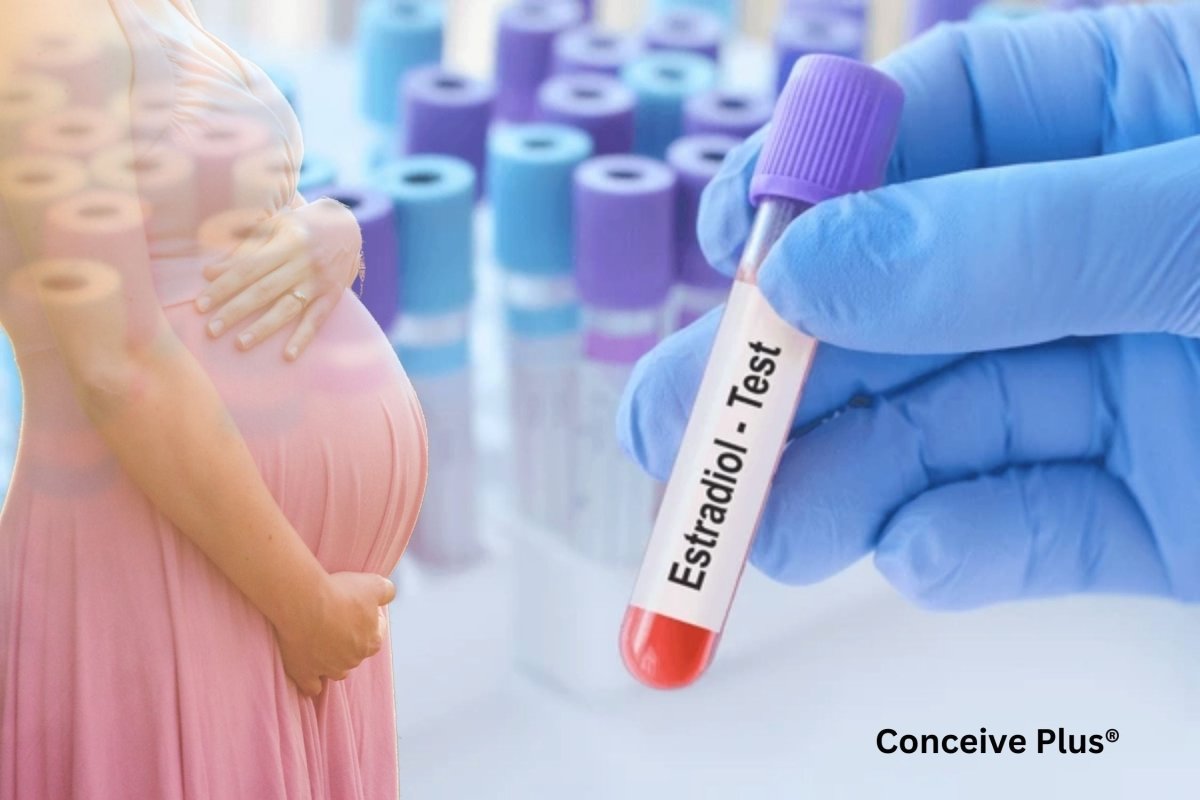

When you're trying to conceive, understanding your body is one of the first steps to figuring things out. Hormones like estradiol levels day 3 and day 3 FSH play a big role in fertility. Testing these hormones on the third day of your cycle helps you and your doctor get a clearer picture of how well your ovaries are working.
These tests are crucial. They help identify issues with ovarian reserve, egg quality, and your overall reproductive health. Let’s explore what these hormones mean and how they could impact your chances of getting pregnant.

Why Day 3 Hormones Matter
Day 3 testing gives a baseline of your hormones. Why? Because your reproductive system is in a kind of resting phase at that time, making the results more accurate. It’s like checking a car’s engine while it’s idling—everything’s calm, and you can see what’s really happening.
Estradiol levels day 3 shows how active your ovaries are.
Day 3 FSH tells us how hard your body is working to get your ovaries to produce eggs.
Together, these tests are like puzzle pieces, helping put together the bigger picture of your fertility [1].
What Estradiol Levels Day 3 Mean
Estradiol is one of the most important forms of estrogen. It’s made by your ovarian follicles, which are the little sacs where eggs grow. This hormone helps eggs mature and gets your uterus ready for pregnancy.
What’s a Normal Estradiol Level Day 3?
Normal estradiol levels day 3: Below 80 pg/mL.
High estradiol levels day 3: If it’s over 80 pg/mL, it could mean your ovarian reserve isn’t as strong as it should be.
When estradiol levels are too high, they can suppress FSH, making FSH look normal even if there’s an issue. That’s why doctors look at these two tests together—alone, they don’t always tell the whole story [2].
What Do Abnormal Levels Mean?
High Estradiol: This could point to a low ovarian reserve, hormonal imbalance, or even a cyst on the ovary.
Low Estradiol: Sometimes, this could mean conditions like PCOS or issues with the pituitary gland.
Tip: Adding nutrients like Vitamin E or CoQ10 to your diet can help protect eggs from stress and improve egg quality over time [3].
Understanding Day 3 FSH
FSH, or Follicle-Stimulating Hormone, is made by your pituitary gland. This hormone signals your ovaries to start preparing eggs for ovulation. Testing day 3 FSH tells us how much effort your brain and body are putting into making this happen.
What’s a Normal FSH Level?
Ideal Range: Below 10 mIU/mL.
Borderline Range: Between 10 and 15 mIU/mL might suggest a reduced ovarian reserve.
High FSH: Above 20 mIU/mL often means the ovaries aren’t responding well [4].
What High FSH Tells Us
When FSH is high, it’s a sign that your body is working extra hard to stimulate the ovaries. This can mean fewer eggs, lower egg quality, or reduced fertility overall. But high FSH doesn’t always mean it’s the end of the road—it’s just one piece of the puzzle.
Tip: Zinc and Selenium are nutrients that can help support healthy hormone levels and improve ovarian health.

Why Estradiol and FSH Are Tested Together
Testing estradiol levels day 3 alongside day 3 FSH gives doctors a fuller picture of your fertility. Here’s what different combinations might mean:
Normal FSH, Normal Estradiol: Things are likely working well!
Normal FSH, High Estradiol: The high estradiol could be hiding a potential issue with ovarian reserve.

✨ Trying to Conceive?
Our Ovulation & Fertility Bundle combines Myo-Inositol with essential vitamins to support healthy hormone balance and regular ovulation.
Shop Now — $55.00✓ Free shipping on orders over $40 | ✓ Trusted by millions of couples worldwide
High FSH, High Estradiol: This combo might mean it’s time to explore fertility treatments.
If results aren’t clear, doctors might order additional tests like AMH (Anti-Müllerian Hormone) or antral follicle counts for more detailed information [5].
Tip: L-Arginine, found in some fertility-support products, improves blood flow to the ovaries, which might help with overall egg quality.
How Lifestyle Can Impact Hormone Levels
Your lifestyle plays a big part in keeping your hormones balanced. Simple changes can make a difference:
Eat Well: Focus on foods rich in folate, magnesium, and omega-3s.
Stay Active: Regular exercise helps keep hormones balanced.
Manage Stress: Stress messes with hormones. Activities like yoga or meditation can help.
Take the Right Supplements: Fertility vitamins with Myo-Inositol and D-Chiro Inositol are great for balancing hormones, especially for women with PCOS [6].
If you’re tracking your fertility and planning for pregnancy, using a dating calculator can help estimate your expected delivery date based on ovulation and conception timing.
Tip: Drinking enough water is a small but powerful way to support your body’s hormone transport system.
How Abnormal Hormone Levels Affect Fertility
If your estradiol levels day 3 or day 3 FSH aren’t where they should be, don’t panic. It doesn’t mean you can’t get pregnant—it just means you might need a little extra help.
Some options include:
Ovulation Medications: Help stimulate egg production.
In Vitro Fertilization (IVF): Useful for women with high FSH or low ovarian reserve.
Lifestyle Adjustments: Eating better, managing stress, and taking targeted supplements can sometimes improve your chances naturally [7].
If you're wondering how many days after ovulation are you pregnant, understanding the implantation process and timing of pregnancy tests can help you track your fertility more accurately.
Tip: Talk to a fertility specialist who can explain your options and create a plan tailored to your needs.

The Bottom Line
Testing estradiol levels day 3 and day 3 FSH is one of the best ways to understand your fertility health. These hormones reveal whether your ovaries are working as they should and help identify any challenges you might face when trying to conceive.
Maintaining normal estradiol levels day 3 through good nutrition, stress management, and the right supplements can go a long way in supporting your fertility journey. Whether you’re just starting or exploring fertility treatments, these hormone tests give you valuable insights into your body’s reproductive health [8].
FAQs
What does high estradiol on day 3 mean?
High estradiol levels might indicate lower ovarian reserve or that estradiol is suppressing FSH, hiding potential issues.
What’s the normal range for FSH on day 3?
A normal range is below 10 mIU/mL. Levels above 15 suggest reduced ovarian reserve.
Can diet really improve hormone levels?
Yes! Foods rich in antioxidants, omega-3s, and vitamins like E can support hormone balance and egg health.
Does abnormal FSH or estradiol mean I can’t get pregnant?
Not necessarily. Many women with abnormal levels conceive with the right treatment or lifestyle changes.
Why test FSH and estradiol together?
Together, these tests provide a more complete picture of ovarian health and fertility potential.
Citations
- Practice Committee of the American Society for Reproductive Medicine (2015). Testing and interpreting measures of ovarian reserve: a committee opinion. Fertility and sterility. Available at: https://pubmed.ncbi.nlm.nih.gov/25585505/
- Kumar, P., & Sait, S. F. (2011). Luteinizing hormone and its dilemma in ovulation induction. Journal of human reproductive sciences. Available at: https://pmc.ncbi.nlm.nih.gov/articles/PMC3136063/
- Tesarik J. (2021). Towards Personalized Antioxidant Use in Female Infertility: Need for More Molecular and Clinical Studies. Biomedicines. Available at: https://pmc.ncbi.nlm.nih.gov/articles/PMC8698668/
- Steiner, A. Z., Pritchard, D., Stanczyk, F. Z., Kesner, J. S., Meadows, J. W., Herring, A. H., & Baird, D. D. (2017). Association Between Biomarkers of Ovarian Reserve and Infertility Among Older Women of Reproductive Age. Available at: https://pubmed.ncbi.nlm.nih.gov/29049585/
- Himabindu, Y., Sriharibabu, M., Gopinathan, K., Satish, U., Louis, T. F., & Gopinath, P. (2013). Anti-mullerian hormone and antral follicle count as predictors of ovarian response in assisted reproduction. Journal of human reproductive sciences. Available at: https://pmc.ncbi.nlm.nih.gov/articles/PMC3713572/
- Unfer, V., Carlomagno, G., Dante, G., & Facchinetti, F. (2012). Effects of myo-inositol in women with PCOS: a systematic review of randomized controlled trials. Gynecological endocrinology : the official journal of the International Society of Gynecological Endocrinology. Available at: https://pubmed.ncbi.nlm.nih.gov/22296306/
- Allersma, T., Farquhar, C., & Cantineau, A. E. (2013). Natural cycle in vitro fertilisation (IVF) for subfertile couples. The Cochrane database of systematic reviews. Available at: https://pmc.ncbi.nlm.nih.gov/articles/PMC7390465/
- Evers J. L. (2002). Female subfertility. Lancet (London, England). Available at: https://pubmed.ncbi.nlm.nih.gov/12126838/
🌱 Support Your Fertility Journey
Conceive Plus fertility supplements are clinically formulated to help regulate your cycle and support egg quality.
Shop Fertility Support →Frequently Asked Questions
Recommended by Fertility Experts
Conceive Plus Men's Fertility Support
Designed to support healthy sperm production, motility, and overall male reproductive health with clinically studied nutrients.
Shop Now →Q: What is a normal day 3 estradiol level for fertility?
A: A normal day 3 estradiol level typically ranges from 25 to 75 pg/mL, though some fertility specialists consider levels up to 100 pg/mL acceptable. According to the American Society for Reproductive Medicine (ASRM), day 3 estradiol should be relatively low during the early follicular phase, as elevated levels may indicate poor ovarian reserve or diminished egg quality. Levels consistently above 100 pg/mL may suggest that your ovaries are showing signs of aging or reduced function. Your fertility doctor will interpret your individual results based on your age, FSH levels, and other markers of ovarian health. Testing on cycle day 3 provides the most accurate baseline because hormones are at their lowest point before the follicular phase begins.
Q: Why do doctors test FSH and estradiol on day 3 of your cycle?
A: Day 3 testing captures your basal hormone levels when FSH and estradiol are at their lowest, providing an accurate assessment of ovarian reserve—how many eggs your ovaries have available. Testing on days 2-4 of menstruation is the standard recommended timeframe according to fertility clinics and ASRM guidelines because this is when the pituitary gland sends out initial FSH signals to recruit eggs for that cycle. Elevated day 3 estradiol or FSH can indicate diminished ovarian reserve, which affects fertility potential and treatment planning. By measuring these hormones at their baseline, doctors get a clearer picture of your ovarian function without interference from hormonal fluctuations later in your cycle. This single test can help determine whether you're a good candidate for fertility treatments like IVF or whether additional testing is needed.
Q: What do high day 3 estradiol levels mean for getting pregnant?
A: High day 3 estradiol levels (above 100 pg/mL) often indicate diminished ovarian reserve, meaning you may have fewer eggs available for ovulation and conception. When estradiol is elevated on day 3, it suggests your ovaries are already in a more advanced state of their cycle, which can compromise egg quality and reduce fertility success rates. Research shows that women with elevated basal estradiol have lower pregnancy rates during fertility treatment, with some studies reporting 20-30% lower success with IVF. However, high day 3 estradiol doesn't mean you can't get pregnant—it simply means your fertility specialist may recommend different treatment approaches or suggest focusing on overall reproductive health through nutrition and supplements. Supporting your body with quality prenatal nutrition and supplements like Conceive Plus may help optimize your overall fertility during this time.
Q: How do day 3 estradiol levels change by age?
A: Day 3 estradiol levels tend to increase slightly with age as women approach perimenopause, with women over 40 typically showing higher baseline levels than younger women. According to fertility data, women in their 20s typically have day 3 estradiol levels of 25-50 pg/mL, while women over 40 may average 40-75 pg/mL or higher. This age-related increase reflects the natural decline in ovarian reserve and changes in hormonal signaling that occur as women age. The American Society for Reproductive Medicine emphasizes that the same estradiol threshold (typically 100 pg/mL) should not be used to interpret results across all age groups, as context matters significantly. Your fertility doctor will evaluate your day 3 estradiol in context with your age, FSH level, and antral follicle count to determine your true ovarian reserve status.
Q: Can you improve day 3 estradiol levels naturally?
A: While you cannot directly lower baseline day 3 estradiol through lifestyle changes alone, you can support overall ovarian health through proper nutrition, stress management, and specific supplements that promote reproductive wellness. Research shows that antioxidant-rich foods and supplements containing ingredients like CoQ10, vitamin D, and prenatal vitamins may support egg quality and ovarian function over time. Maintaining healthy body weight, regular exercise, adequate sleep, and stress reduction have all been shown to improve overall reproductive health markers in women trying to conceive. While supplements like Conceive Plus cannot alter your baseline hormone levels, supporting your body with comprehensive fertility nutrition may help optimize the quality of eggs your ovaries are producing. If you have elevated day 3 estradiol, working with your fertility specialist on a personalized treatment plan is more important than attempting natural remedies alone.
Trusted by Couples in Over 70 Countries
Support Male Fertility From the Inside Out
Male fertility is just as important as female fertility in the conception journey. Conceive Plus Men's range delivers targeted nutritional support to promote healthy sperm and overall reproductive wellbeing.
Shop Men's Range →