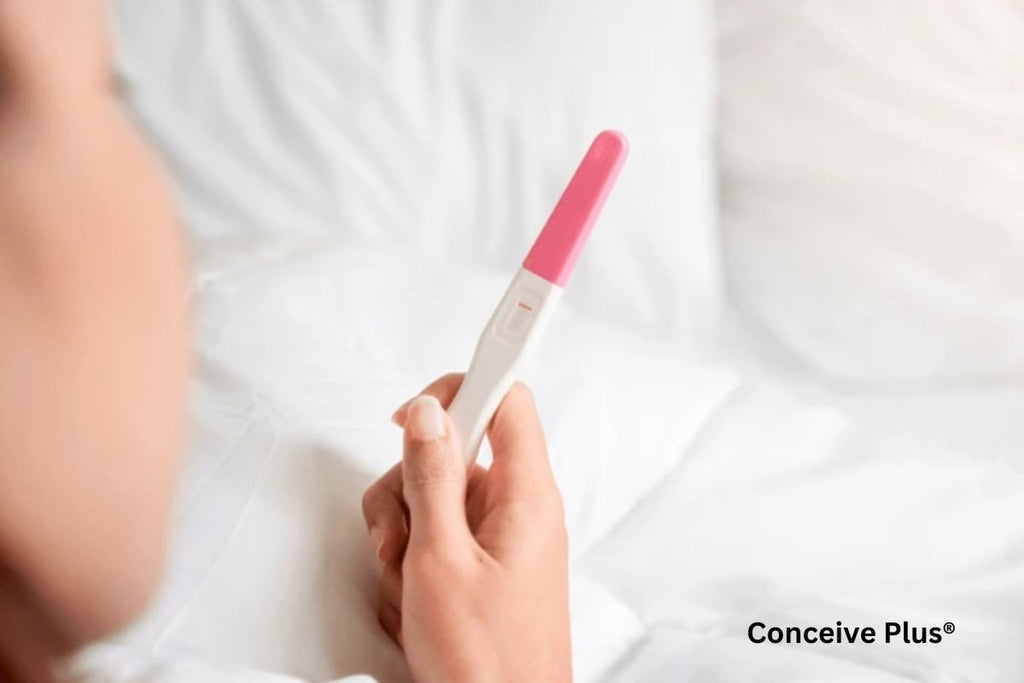
What Is Mean By False Positive Ovulation Test?
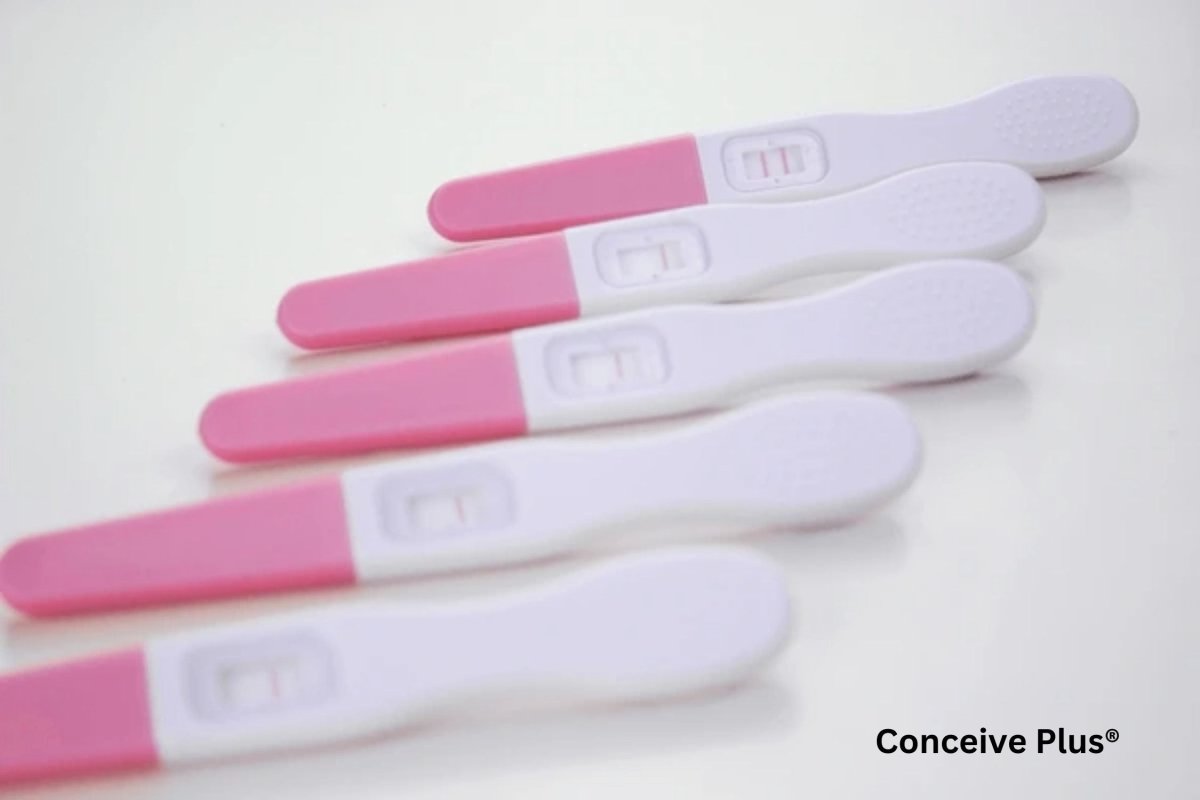

Ovulation is the phase in the female menstrual cycle when the ovaries release the egg. It is the time when a woman's chances of conception are maximum, and this is where ovulation tests play an important role [1].
These tests tell when a woman ovulates, helping them plan intercourse accordingly and increase their chances of conception. However, it is also possible to get a false positive ovulation test. These false reports can lead to confusion, frustration, and difficulty in conception.
In this article, we will explain what ovulation tests are, why they are important, and how they can sometimes give incorrect results. This article also covers tips to improve the accuracy of ovulation tests.

What Is an Ovulation Test?
Ovulation occurs when the levels of luteinizing hormone (LH) suddenly increase [1]. This rise in LH is called an LH surge, and it signals that ovulation will likely happen in the next 24 to 36 hours. But how to track ovulation with a test? An ovulation test measures the level of LH hormone in the urine to determine the ovulation days [2]. For detailed guidance on how to use these tests effectively, refer to the Clear Blue Ovulation Test Instructions, which provide step-by-step information on tracking your LH surge accurately.
Women use these tests to determine their most fertile days, which is very helpful when trying to conceive. Planning intercourse during the most fertile days of women increases the chances of sperm and egg union and fertilization.
Why Are Ovulation Tests Important?
Ovulation tests allow women to understand their fertility cycle. When a woman knows when her ovulation days are expected to come, she can plan intercourse on those days to increase the likelihood of sperm and egg fertilization [3].
Some women can predict their ovulation days just by following an ovulation calendar. However, women who experience irregular periods, such as in PCOS, may not know when their fertile window occurs. In such cases, ovulation tests become significantly helpful in determining the ovulation days. These tests are also used during fertility treatments to time procedures like insemination or egg retrieval [4]. To support hormonal balance and improve ovarian function, consider Conceive Plus Ovulation Support, a scientifically formulated supplement containing D-chiro Inositol, Myo-Inositol, and ginger to regulate ovulation and ease menstrual discomfort.

✨ Trying to Conceive?
Our Ovulation & Fertility Bundle combines Myo-Inositol with essential vitamins to support healthy hormone balance and regular ovulation.
Shop Now — $55.00✓ Free shipping on orders over $40 | ✓ Trusted by millions of couples worldwide

Can Ovulation Tests Be Wrong?
There is always a chance of error in tracking tools, including ovulation tests. One common example of an error in ovulation tests is a false positive result.
False Positive Ovulation Test
It is not surprising that ovulation tests can sometimes give false positives. A false positive means the test shows an LH surge when ovulation is not actually happening. Some common reasons for false positive results are:
- Polycystic Ovary Syndrome (PCOS): PCOS is a condition characterized by abnormal hormonal fluctuations in women [5]. Women with PCOS often have higher LH levels, which is why the test detects LH surge and confirms ovulation.
- Recent Pregnancy or Miscarriage: It is possible that hormones from a previous pregnancy may still be present and interfere with the test results.
- Medications or Supplements: Some drugs, especially fertility medications, can affect hormone levels and cause a false positive.
- Cross-Reactivity with Other Hormones: Ovulation tests may mistake other hormones, like hCG or FSH, for LH, leading to inaccurate or false positive results.
Tips to Increase the Accuracy of Ovulation Tests
The following tips can help you lower the risk of false positives in ovulation tests:
- Track Other Signs of Ovulation: Don't completely rely on the output of the ovulation test. In addition to ovulation tests, you should follow other methods to confirm ovulation, such as changes in cervical mucus and basal body temperature [1].
- Use Multiple Methods: Combine ovulation tests with other tracking tools, like fertility apps, ovulation calculators, or charts.
- Consult a Doctor: If your cycles are irregular or you suspect hormonal issues, seek medical advice. A healthcare provider can help identify the cause of irregular menstrual cycle and suggest the best possible method to track ovulation.

The Bottom Line
Ovulation is a very important phase during the menstrual cycle for any woman planning to conceive. There are many ways to track ovulation, including ovulation tests. However, it is possible to get false positive ovulation test results because of hormonal irregularities and other health conditions.
The best practice when tracking ovulation is to use multiple methods and not rely on just one. Along with ovulation tests, you can track ovulation by detecting changes in cervical mucus and basal body temperature and ovulation calculator.
FREE OVULATION CALCULATOR: Calculate Your Ovulation Days Here
Resources Used
- Holesh JE, Bass AN, Lord M. Physiology, Ovulation. [Updated 2023 May 1]. In: StatPearls [Internet]. Treasure Island (FL): StatPearls Publishing; 2024 Jan-. Available from: https://www.ncbi.nlm.nih.gov/books/NBK441996/
- Demir, A., Hero, M., Alfthan, H., Passioni, A., Tapanainen, J. S., & Stenman, U. H. (2022). Identification of the LH surge by measuring intact and total immunoreactivity in urine for prediction of ovulation time. Hormones (Athens, Greece), 21(3), 413–420. https://doi.org/10.1007/s42000-022-00368-9
- Pregnancy - identifying fertile days: MedlinePlus Medical Encyclopedia. (n.d.). https://medlineplus.gov/ency/article/007015.htm
- Professional, C. C. M. (2024, May 1). IUI (Intrauterine Insemination). Cleveland Clinic. https://my.clevelandclinic.org/health/treatments/22456-iui-intrauterine-insemination
- Singh, S., Pal, N., Shubham, S., Sarma, D. K., Verma, V., Marotta, F., & Kumar, M. (2023). Polycystic Ovary Syndrome: Etiology, Current Management, and Future Therapeutics. Journal of Clinical Medicine, 12(4), 1454. https://doi.org/10.3390/jcm12041454
Conceive Plus is the best place to buy myo-inositol online for the best myo-inositol supplements Conceive Plus Ovulation Support contains premium myo-inositol for sale. Order myo-inositol capsules online today to boost your ovulation and regulate hormones and menstrual cycles.
🌱 Support Your Fertility Journey
Conceive Plus fertility supplements are clinically formulated to help regulate your cycle and support egg quality.
Shop Fertility Support →Frequently Asked Questions
Q: Can an ovulation test be wrong?
A: Yes, ovulation tests can produce inaccurate results, though they are generally reliable when used correctly. According to the American Society for Reproductive Medicine (ASRM), ovulation tests have a sensitivity rate of approximately 99% when detecting the luteinizing hormone (LH) surge, but false positives do occur in about 5-10% of cycles. False positives can result from hormonal irregularities, certain medications, testing errors, or underlying health conditions like polycystic ovary syndrome (PCOS). If you're consistently getting conflicting results, tracking additional fertility signs alongside ovulation tests—such as basal body temperature and cervical mucus changes—can provide more accurate confirmation of your fertile window.
Q: Can I get a false positive ovulation test?
A: False positive ovulation tests do occur, though they are less common than false negatives. A false positive happens when the test shows an LH surge (indicated by a darkened line) when ovulation isn't actually about to occur, or when the surge is too weak to result in actual ovulation. Conditions like PCOS, elevated baseline LH levels, and hormonal imbalances can trigger false positives in up to 10% of cycles. To reduce the likelihood of false positives, use ovulation tests at the same time each day, follow manufacturer instructions carefully, and consider using digital ovulation tests, which may be less prone to interpretation errors than traditional line-based tests.
Q: Can ovulation tests be inaccurate?
A: Ovulation tests can be inaccurate for several reasons, including improper usage, timing, and individual biological factors. Research shows that while ovulation tests are 99% sensitive to LH surges, accuracy drops significantly when tests are not performed correctly or when the test strip quality is compromised. Common causes of inaccuracy include testing at inconsistent times, using diluted urine, expired tests, or not recognizing that an LH surge doesn't always guarantee ovulation will occur. To maximize accuracy, test during your predicted fertile window (typically 12-16 days before your next period), use first-morning urine, and consider pairing ovulation tests with other fertility tracking methods and a healthy lifestyle supported by fertility supplements like Conceive Plus for optimal reproductive health.
Q: Can ovulation cause a false positive pregnancy test?
A: Ovulation itself cannot cause a false positive pregnancy test, as pregnancy tests detect human chorionic gonadotropin (hCG), which is only produced after implantation. However, the hormonal fluctuations during ovulation can sometimes cause faint lines on pregnancy tests if there are trace amounts of hCG present from other sources, though this is extremely rare. The confusion typically arises when women take pregnancy tests during their fertile window expecting ovulation results. For clarity, use ovulation tests to detect the LH surge during your fertile window, and wait until at least 12-14 days after ovulation (when implantation is most likely) to test for pregnancy with reliable accuracy.
Q: Can sperm cause a false positive ovulation test?
A: No, sperm cannot cause a false positive ovulation test because ovulation tests detect luteinizing hormone (LH), a hormone produced by the pituitary gland—not reproductive cells or seminal fluid. Ovulation tests work by identifying a surge in LH levels in urine, which signals that ovulation will occur within 24-48 hours. Sperm present in urine samples would not interfere with this hormone detection process. If you're concerned about test accuracy after intercourse, simply use a fresh urine sample collected before sexual activity, and remember that timing intercourse around your confirmed LH surge—detected by accurate ovulation testing—combined with proper nutrition and reproductive health support, maximizes your chances of conception.