Find out when you're fertile with our ovulation calculator

Understanding how ovulation works will help you plan your path to pregnancy and conceive sooner. Finding out when you ovulate will significantly increase your chances of getting pregnant, so why not use our free ovulation calculator to find out! Just enter the first day of your last period and how long your cycle usually lasts (anywhere from 20 to 45 days) and we'll let you know when you're most likely to be fertile.
Conceive Plus

✨ Trying to Conceive?
Our Ovulation & Fertility Bundle combines Myo-Inositol with essential vitamins to support healthy hormone balance and regular ovulation.
Shop Now — $55.00✓ Free shipping on orders over $40 | ✓ Trusted by millions of couples worldwide
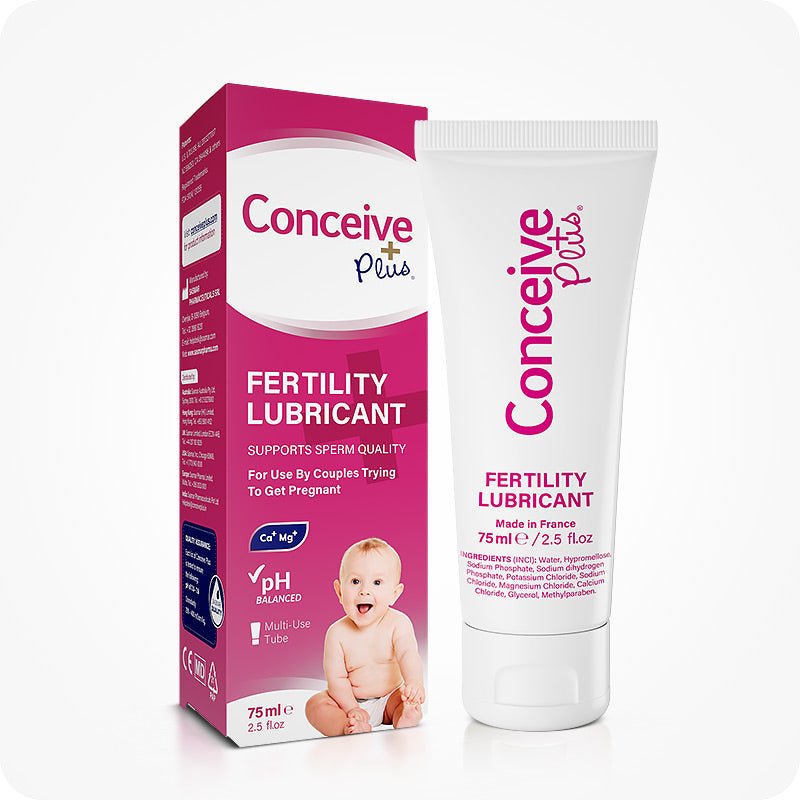
If you have just started trying to get pregnant or have been trying for a while, Conceive Plus can help increase your chances of conception naturally! Recommended by doctors, pharmacists and fertility clinics in more than 60 countries, this is the fertility friendly lubricant approved by the FDA and a prescription is not required.
For where to buy Conceive Plus, visit our where to buy page
🌱 Support Your Fertility Journey
Conceive Plus fertility supplements are clinically formulated to help regulate your cycle and support egg quality.
Shop Fertility Support →Frequently Asked Questions
Recommended by Fertility Experts
Conceive Plus Men's Fertility Support
Designed to support healthy sperm production, motility, and overall male reproductive health with clinically studied nutrients.
Shop Now →How accurate is an ovulation calculator for predicting fertile days?
Ovulation calculators are most accurate for people with regular, predictable cycles and provide a general estimate rather than a definitive prediction. The calculator works best when your cycle length is consistent, but factors like stress, illness, and hormonal changes can shift ovulation timing. For the most accurate fertility tracking, many fertility specialists recommend combining calculator results with other methods like tracking basal body temperature or using ovulation predictor kits.
What if my menstrual cycle is irregular—can I still use an ovulation calculator?
If you have an irregular cycle, an ovulation calculator may be less reliable since it relies on consistent cycle length predictions. However, you can still use it by calculating your average cycle length over several months. For irregular cycles, the American Society for Reproductive Medicine recommends combining calculator estimates with other tracking methods like ovulation predictor kits or consulting with a fertility specialist for personalized guidance.
How many days before ovulation should I have intercourse to get pregnant?
Your fertile window typically includes the five days before ovulation and the day of ovulation itself, as sperm can survive up to five days in the reproductive tract. Having intercourse every 2-3 days throughout your cycle, or daily during your fertile window, gives you the best chances of conception. The two days immediately before ovulation are considered most fertile, so timing intercourse during this period significantly increases your likelihood of pregnancy.
Can I use an ovulation calculator if I have PCOS or endometriosis?
An ovulation calculator may be less reliable for people with PCOS or endometriosis, as these conditions often cause irregular or unpredictable ovulation patterns. If you have either condition, it's best to work with a reproductive endocrinologist or fertility specialist who can provide personalized tracking and treatment options. These specialists can recommend fertility supplements, lifestyle modifications, or medical interventions to support conception.
How long does it typically take to get pregnant after identifying your fertile window?
Does using an ovulation calculator require a prescription or doctor's approval?
No, ovulation calculators are free tools that don't require any prescription or doctor's approval to use, making them accessible for anyone trying to conceive. However, if you're using fertility supplements or medications, it's always recommended to discuss your conception plan with your healthcare provider. Your doctor can offer personalized advice based on your health history and may recommend additional fertility testing if needed.
What's the difference between my ovulation date and my fertile window?
Your ovulation date is the specific day your ovary releases an egg, while your fertile window is the multi-day period when you can become pregnant (typically five days before ovulation through ovulation day). An ovulation calculator estimates when ovulation will occur, allowing you to identify your entire fertile window for intercourse timing. Understanding both concepts helps maximize your chances of conception by targeting the days when pregnancy is most likely.
Trusted by Couples in Over 70 Countries
Support Male Fertility From the Inside Out
Male fertility is just as important as female fertility in the conception journey. Conceive Plus Men's range delivers targeted nutritional support to promote healthy sperm and overall reproductive wellbeing.
Shop Men's Range →