How Long Can You Be Pregnant Safely Without Complications


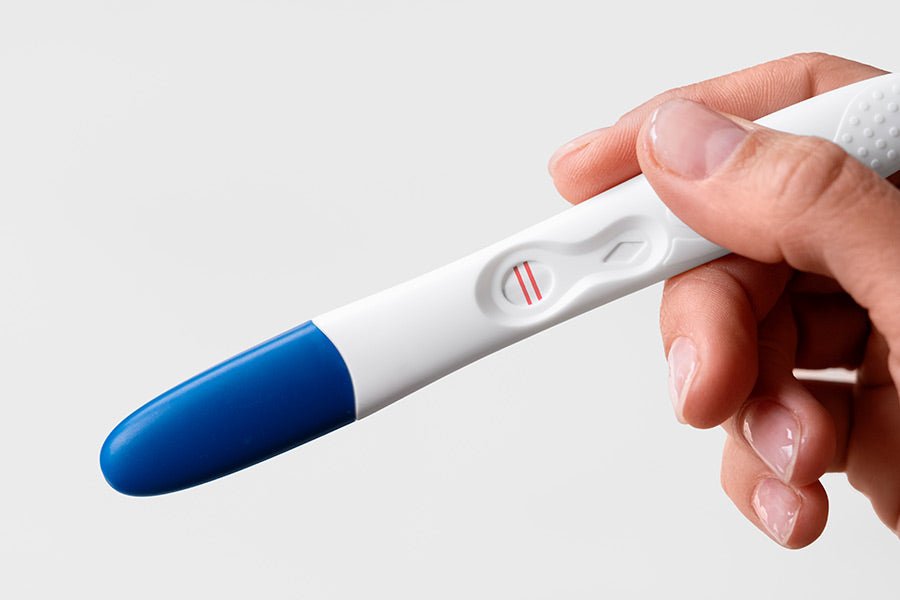
Pregnancy is a journey like no other. It’s a time full of excitement, anticipation, and sometimes, a little stress. But the big question on many minds is how long can you be pregnant? Most pregnancies last around 40 weeks, give or take a week or two. Still, every pregnancy is different, and understanding what’s considered safe, along with the potential risks of going over your due date, can help you feel more confident during this special time [1].
What Decides How Long Pregnancy Lasts?
On average, pregnancy lasts about 280 days or 40 weeks, starting from the first day of your last period. But it’s not a one-size-fits-all thing. Some women deliver a little earlier, and others might go beyond their due date. Babies born between 39 and 40 weeks are full-term, while those arriving before 37 weeks are preterm. Going past 42 weeks is considered post-term [2].

So, what makes one pregnancy shorter or longer than another? Hormones play a huge role. They keep everything balanced and ensure the baby grows at the right pace. But health conditions can shake things up too. For example, high blood pressure or diabetes might impact how long you carry your baby. Even your genetics can have a say! Regular doctor visits are super important to track progress and make sure everything’s on track.
It’s also key to understand the importance of pregnant time. Delivering too early or too late comes with its own risks, so working closely with your healthcare provider helps keep you and your baby safe [3].
Top Tip: Always pay attention to your body and don’t hesitate to ask questions at your prenatal appointments.
How Long Can Woman Get Pregnant?
So, here’s the thing—how long can a woman actually conceive and have a baby? Well, most women have their highest fertility in their 20s and early 30s. Fertility starts to dip after that, but it doesn’t mean you can’t get pregnant. Many women successfully conceive in their late 30s and even early 40s. The window is different for everyone [4].
To keep everything running smoothly, your body needs the right nutrients. Folic acid is one of the big players here. It helps with cell growth and prevents neural tube defects in babies. Another one? Myo-inositol. It works wonders for hormonal balance and ovulation, especially for women with PCOS. And vitamin D? It’s not just for bones—it keeps your hormones in check, too. If you're exploring natural ways to induce ovulation, these nutrients can play a key role in supporting your reproductive health.
Iron and zinc are superstars, too. Iron keeps oxygen flowing to you and your baby, and zinc and fertility are closely linked, as zinc helps hormones stay balanced. If you’re trying to conceive, getting these nutrients from food or supplements can make a big difference [5].
Top Tip: If you’re planning to get pregnant soon, think about starting on supplements or prenatal vitamins a few months ahead of time. It helps!


✨ Trying to Conceive?
Our Ovulation & Fertility Bundle combines Myo-Inositol with essential vitamins to support healthy hormone balance and regular ovulation.
Shop Now — $55.00✓ Free shipping on orders over $40 | ✓ Trusted by millions of couples worldwide
What Happens If Pregnancy Goes Too Long?
Let’s talk about going past 42 weeks. It’s not super common, but when it happens, it’s called post-term pregnancy. This comes with some risks. The placenta might stop working as well as it should, which can limit how much oxygen and nutrients the baby gets. The amniotic fluid might get too low, too, which can press on the umbilical cord. That’s not good [6].
Another thing to think about is how big the baby can get. A bigger baby can make delivery harder and might mean you’ll need a C-section. If your pregnancy goes past 42 weeks, your doctor will probably suggest inducing labor. They’ll also do extra tests, like checking your baby’s heartbeat or doing an ultrasound, to make sure everything’s still okay [7].
Even though most overdue pregnancies end just fine, it’s still important to keep a close eye on things.
Top Tip: Keep track of your baby’s movements during late pregnancy. If something feels off, call your doctor right away.
How to Prepare Your Body for Pregnancy
If you’re trying to get pregnant, it’s all about prepping your body. That means eating well, staying active, and getting the right nutrients. Some vitamins and supplements can really help, too.
For women, folic acid and CoQ10 are game-changers. Folic acid supports healthy fetal development, and CoQ10 improves egg quality. Vitamin B complex also helps by regulating hormones and boosting energy [8].
Men can also benefit from the right nutrients. L-arginine improves blood flow to reproductive organs, while zinc and CoQ10 support sperm health and motility. Stress can mess with fertility, so adaptogens like ashwagandha are great for managing it.
Omega-3 DHA is another important one. It’s not just good for the baby’s brain development but also for overall reproductive health. Getting these nutrients early can make a big difference when you’re trying to conceive [9].
Top Tip: Start making small lifestyle changes now—it all adds up to better fertility and a healthier pregnancy later.

The Bottom Line
So, how long can you be pregnant safely? While the average is about 40 weeks, every pregnancy is unique. Staying informed, eating right, and working with your doctor can help ensure a safe and healthy journey for both you and your baby. Whether you’re planning to conceive or already expecting, taking care of yourself is the best way to prepare for this incredible adventure.
Top Tip: Trust your instincts and keep asking questions. This is your journey—make sure you feel supported every step of the way!
FAQs
How long can woman get pregnant?
Women are most fertile in their 20s and early 30s, but many can still conceive naturally into their 40s.
What is the average pregnant time?
Pregnancy usually lasts about 40 weeks, though full-term can range from 39 to 40 weeks.
Is it dangerous to go past 42 weeks?
Going beyond 42 weeks can increase risks, like reduced oxygen for the baby. It’s best to consult your doctor.
What can help improve fertility naturally?
A balanced diet, regular exercise, and supplements like folic acid and CoQ10 can boost fertility.
What should I do if my pregnancy goes overdue?
Stay in close contact with your doctor. They might suggest extra tests or even induce labor to ensure safety.
Citations
- ACOG. (2013). Definition of Term Pregnancy. Available at: https://www.acog.org/clinical/clinical-guidance/committee-opinion/articles/2013/11/definition-of-term-pregnancy#:~:text=Recommended%20Classification%20of%20Deliveries%20From,through%2040%206%2F7%20weeks
- Mayo Clinic. (2022). Overdue pregnancy: What to do when baby's overdue. Available at: https://www.mayoclinic.org/healthy-lifestyle/pregnancy-week-by-week/in-depth/overdue-pregnancy/art-20048287#:~:text=When%20a%20pregnancy%20reaches%2042,to%20assist%20with%20the%20birth.
- Galal, M., Symonds, I., Murray, H., Petraglia, F., & Smith, R. (2012). Postterm pregnancy. Facts, views & vision in ObGyn. Available at: https://pmc.ncbi.nlm.nih.gov/articles/PMC3991404/
- Habbema, J. D., Eijkemans, M. J., Leridon, H., & te Velde, E. R. (2015). Realizing a desired family size: when should couples start?. Human reproduction (Oxford, England). Available at: https://pubmed.ncbi.nlm.nih.gov/26185187/
- Hunt J. R. (2003). Bioavailability of iron, zinc, and other trace minerals from vegetarian diets. The American journal of clinical nutrition. Available at: https://pubmed.ncbi.nlm.nih.gov/12936958/
- Delaney, M., & Roggensack, A. (2017). No. 214-Guidelines for the Management of Pregnancy at 41+0 to 42+0 Weeks. Journal of obstetrics and gynaecology Canada : JOGC = Journal d'obstetrique et gynecologie du Canada : JOGC. Available at: https://pubmed.ncbi.nlm.nih.gov/28729108/
- Middleton, P., Shepherd, E., & Crowther, C. A. (2018). Induction of labour for improving birth outcomes for women at or beyond term. The Cochrane database of systematic reviews. Available at: https://pubmed.ncbi.nlm.nih.gov/29741208/
- Bentov, Y., & Casper, R. F. (2013). The aging oocyte--can mitochondrial function be improved?. Fertility and sterility. Available at: https://pubmed.ncbi.nlm.nih.gov/23273985/
- Simopoulos A. P. (1991). Omega-3 fatty acids in health and disease and in growth and development. The American journal of clinical nutrition. Available at: https://pubmed.ncbi.nlm.nih.gov/1908631/
🌱 Support Your Fertility Journey
Conceive Plus fertility supplements are clinically formulated to help regulate your cycle and support egg quality.
Shop Fertility Support →Frequently Asked Questions
Recommended by Fertility Experts
Conceive Plus Men's Fertility Support
Designed to support healthy sperm production, motility, and overall male reproductive health with clinically studied nutrients.
Shop Now →Q: Is it safe to be pregnant for 42 weeks?
A: Pregnancies that extend beyond 42 weeks are considered postterm and carry increased risks for both mother and baby. According to the American College of Obstetricians and Gynecologists (ACOG), pregnancies lasting 42 weeks or longer have higher rates of stillbirth, fetal complications, and maternal complications like gestational diabetes and preeclampsia. Most healthcare providers in the US recommend labor induction by 42 weeks to reduce these risks. If you're approaching your due date, maintaining overall health through proper nutrition, prenatal vitamins like Conceive Plus, and regular prenatal checkups can help support a healthy pregnancy outcome.
Q: What happens if you go 2 weeks past your due date?
A: Going two weeks past your due date (reaching 42 weeks gestation) moves your pregnancy into the postterm category, which increases medical risks. The risk of stillbirth increases significantly after 42 weeks, and babies born this late may experience complications like meconium aspiration syndrome and reduced oxygen levels during delivery. The American Society of Reproductive Medicine (ASRM) and ACOG both recommend that pregnancies should not routinely go beyond 42 weeks without medical intervention. Your healthcare provider will likely discuss induction options or closely monitor your pregnancy with additional fetal monitoring tests if you reach this point.
Q: Can pregnancy last 41 weeks safely?
A: A pregnancy lasting 41 weeks is still within a reasonable range, though it's considered overdue. While some pregnancies naturally extend to 41 weeks without complications, risks do begin to increase, and most US obstetricians recommend close monitoring and discussion of labor induction at this point. The American Academy of Pediatrics supports induction by 42 weeks, but many providers prefer to intervene by 41 weeks, especially if other risk factors are present. Your healthcare team will assess your individual situation, including cervical readiness and fetal well-being, to determine the safest course of action for you and your baby.
Q: How do I know if my pregnancy is high-risk for going overdue?
A: Several factors can increase your risk of having a postterm pregnancy, including maternal age over 35, obesity, first-time pregnancy, and certain genetic or uterine conditions. Additionally, African American women experience higher rates of postterm pregnancies and associated complications, according to US maternal health data. You may also face higher risk if you have diabetes, high blood pressure, or previous postterm pregnancies. Regular prenatal care with your OB-GYN is essential for identifying risk factors early; maintaining optimal nutritional status through a balanced diet and prenatal supplementation can also support healthy pregnancy progression.
Q: What's the longest a healthy pregnancy should last without induction?
A: The consensus among US healthcare organizations is that pregnancies should not routinely extend beyond 42 weeks without medical intervention, with many providers recommending induction by 41 weeks or earlier depending on individual circumstances. The standard pregnancy length is 280 days or 40 weeks from the last menstrual period, and studies show that waiting beyond 42 weeks significantly increases risks of stillbirth and neonatal complications. Your healthcare provider will consider factors like your age, health history, and fetal monitoring results when deciding the appropriate time for delivery. Staying informed about your pregnancy timeline and maintaining open communication with your obstetric care team helps ensure both you and your baby receive the safest care possible.
Trusted by Couples in Over 70 Countries
Support Male Fertility From the Inside Out
Male fertility is just as important as female fertility in the conception journey. Conceive Plus Men's range delivers targeted nutritional support to promote healthy sperm and overall reproductive wellbeing.
Shop Men's Range →