How to Increase Fertility Naturally with the Best Diet and Foods

Thinking about how to increase fertility? It can be a challenging journey. For some, getting pregnant seems to happen effortlessly, while for others, it can be a frustrating process filled with doubts and questions. But don’t lose hope just yet. One of the simplest and most natural ways to make a difference is to change your diet. That’s right! A well-planned fertility diet can have a significant impact on reproductive health [1]. In this article, we’re gonna look at what foods for fertility you should eat and which lifestyle changes can really make a difference. From there, we’ll get into some practical tips that could help you on your way.

How Does Diet Affect Fertility?
You’ve probably heard a lot about healthy eating, but does it really matter when it comes to how to boost fertility? Well, yes! It absolutely does. Your body is what you feed it. Consuming nutrient-rich foods can support your hormones, egg and sperm health, and even the environment of your uterus. There are many ways to increase fertility, and food is one of the most effective tools you’ve got [2]. So, what should you put on your plate? Let’s find out.
The Best Foods for Fertility
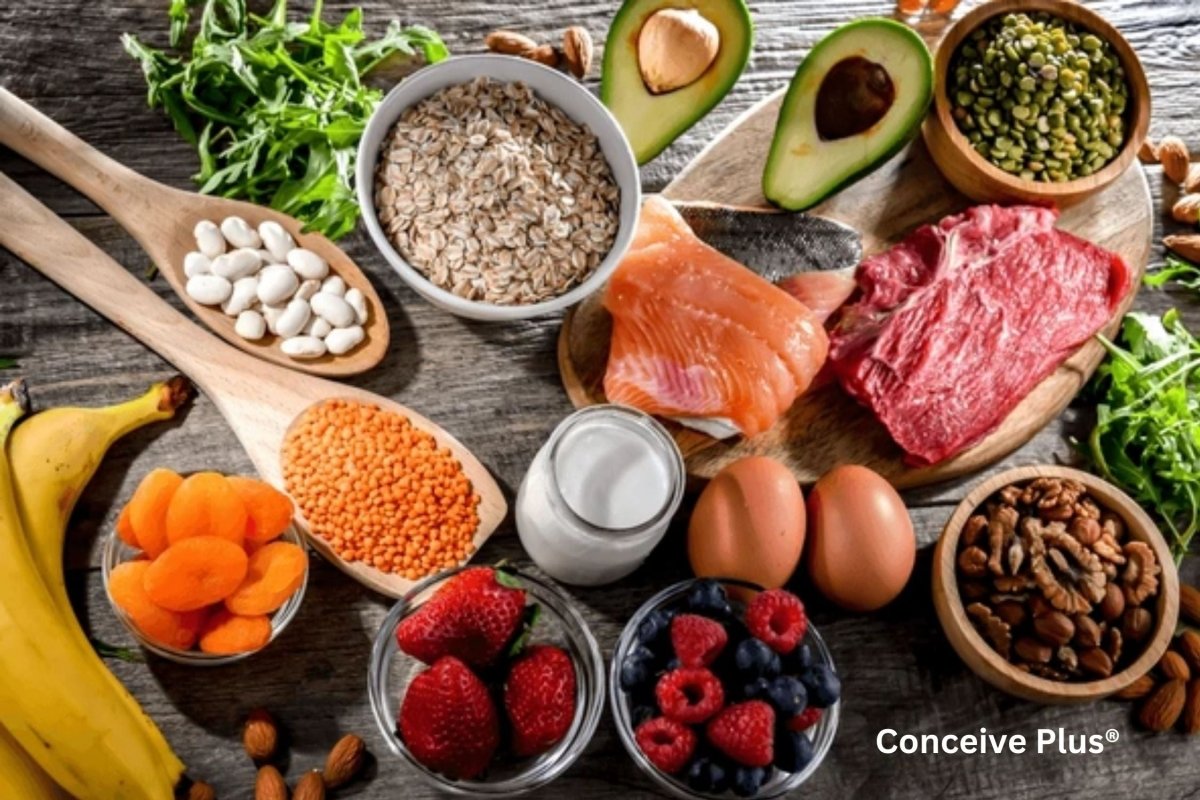
Eating the right food is essential when trying to conceive. So, let’s dive into the best foods for fertility, and how they work to improve reproductive health. From leafy greens to whole grains, there’s plenty of variety that can be added to your meals to help support your fertility journey.
Leafy Greens: Nutrient-Rich Foods for Women and Men
If you’re looking for foods to help fertility, you should start with leafy greens. Spinach, kale, broccoli—they’re all loaded with folate, a B-vitamin that’s critical for egg quality and sperm health. Folate supports cell growth and reduces the risk of neural tube defects in early pregnancy [3]. Eating a serving of greens every day is one of the simplest ways to boost fertility naturally.
These veggies don’t just benefit women; they’re good for men too. Folate helps create healthy sperm, making it a great choice for couples trying to conceive [4]. A handful of leafy greens in your salad, smoothie, or as a side dish can be a game-changer for anyone wondering how to increase fertility in women.
Berries: The Fertility-Boosting Fruits
Let’s talk about berries. Strawberries, blueberries, and raspberries are loaded with antioxidants that help protect your reproductive cells from damage. They are often considered excellent fruits to increase fertility. The antioxidants in berries can improve egg quality in women and sperm health in men [5]. So, add a cup of these colorful berries to your daily diet.
The best part about berries? They’re easy to incorporate into meals—whether in a smoothie, on top of cereal, or as a snack. Berries are not only one of the natural fertility boosters, but they’re also tasty, making them easy to include in a fertility diet.
Whole Grains: The Fiber-Rich Foods for Fertility
Whole grains like oats, brown rice, and quinoa are an integral part of a fertility diet. They are packed with fiber and complex carbohydrates, which help regulate blood sugar levels. Stable blood sugar is vital for hormonal balance, making these foods helpful for women experiencing irregular periods [6]. This makes whole grains some of the best foods that promote fertility.
It’s not just about regulating hormones—whole grains support digestive health too, which can indirectly aid fertility by keeping your body running smoothly. Swapping refined grains for whole grains is a simple step toward how to improve fertility. It’s not complicated; it’s just about making smarter choices.
Fatty Fish: Omega-3-Rich Foods That Support Fertility
Fatty fish like salmon, mackerel, and sardines are rich in omega-3 fatty acids, which are known to support reproductive health [7]. These healthy fats are vital for hormone production and reducing inflammation, making them powerful fertility boosters. Omega-3s improve blood flow to reproductive organs, supporting egg and sperm quality. Including fish in your diet twice a week can make a noticeable difference.
For those who are vegetarian or vegan, omega-3s can be found in plant-based foods like chia seeds, flaxseeds, and walnuts. These sources of omega-3s provide similar benefits, offering a great natural way to increase fertility. So, whether it’s a grilled salmon dinner or a flaxseed smoothie, add these healthy fats to your plate.
Nuts and Seeds: Powerful Fertility Snacks
Nuts and seeds like almonds, walnuts, pumpkin seeds, and sunflower seeds are packed with nutrients that aid fertility. They contain zinc, vitamin E, and selenium, which are known for improving both egg and sperm quality. Zinc is particularly essential for testosterone production in men, making these foods a must-have for anyone wondering how to become more fertile [8].
Among these, pumpkin seeds stand out as a powerful fertility food, offering essential nutrients that can enhance reproductive health. If you're curious about how pumpkin seeds benefits sperm, understanding their role in male fertility can help you make the most of this superfood.
Vitamin E helps enhance sperm motility and protects eggs from damage, making nuts and seeds some of the best ways to improve fertility. Snack on a handful each day, or add them to salads, oatmeal, or smoothies for a fertility-boosting snack. Consistency is key, so make them part of your daily diet.
For a more holistic approach, incorporating certain cum food options into your diet can support reproductive health and enhance fertility naturally.

How to Increase Fertility in Women
For women, there are specific nutrients that can support how to increase fertility in women. Hormonal balance, egg quality, and regular ovulation are all crucial components of female fertility. Here are some dietary changes that can help.
Vitamin D: The Sunshine Vitamin
Vitamin D is often called the "sunshine vitamin" because it’s produced in the skin when exposed to sunlight. But it’s more than just a mood booster—it plays a significant role in supporting reproductive health. Studies have shown that women with adequate vitamin D levels are more likely to ovulate regularly [9]. It’s one of the nutrients that act as an ovulation increasing food. If you’re wondering how to increase ovulation naturally, try adding foods rich in folate, vitamin D, and omega-3 fatty acids to your diet, as they help support hormonal balance and regular ovulation.

✨ Support Healthy Sperm
Our Motility Support supplement contains Zinc, CoQ10, and L-Carnitine — clinically studied nutrients for sperm health and motility.
Shop Now — $34.95✓ Free shipping on orders over $40 | ✓ Trusted by millions of couples worldwide
Foods like eggs, fortified dairy products, and fatty fish are good sources of vitamin D. You can also get it through supplements if your levels are low. Checking your vitamin D levels with a blood test is a good idea if you’re serious about finding ways to improve fertility.
Myo-Inositol for PCOS
Myo-inositol is a type of sugar found naturally in the body. It’s known to improve insulin sensitivity and hormonal balance, especially in women with polycystic ovary syndrome (PCOS), a common cause of infertility [10]. This supplement has been proven effective in improving egg quality and regularizing periods, making it one of the natural ways to get pregnant. If you’re dealing with PCOS, adding myo-inositol to your routine can be a helpful step in how to increase fertility.
Women with PCOS often face challenges with irregular ovulation. Myo-inositol works by improving insulin regulation, which can support more regular cycles and increase the chances of ovulation. It's one of the natural ways to boost fertility that has gained significant attention in recent years.
How to Boost Male Fertility
Men play an equally crucial role in conception, so let’s focus on what foods and lifestyle changes can increase fertility in men. Men’s reproductive health is directly affected by diet, making it important to include specific nutrients that improve sperm quality [11].
Zinc for Sperm Quality
Zinc is essential for testosterone production and sperm development. Foods like oysters, beef, beans, and pumpkin seeds are rich in zinc, making them some of the best foods for male fertility [12]. Zinc improves sperm motility and overall count, making it a key nutrient for anyone wondering what increases fertility in men.
By adding zinc-rich foods to your diet, you can support the creation of healthy sperm. It’s simple but effective, making zinc one of the top ways to improve fertility in men.
CoQ10: The Antioxidant for Men
Coenzyme Q10 (CoQ10) is a powerful antioxidant that has been shown to improve sperm motility and overall quality. It helps protect sperm from oxidative stress, making it a popular choice for men looking for natural ways to boost fertility. CoQ10 can be found in foods like spinach, broccoli, and fatty fish, but supplements are often used to achieve higher doses.
Including CoQ10 in a man’s diet or supplement routine can make a real difference, especially for those facing issues with sperm quality. It’s one of the effective fertility boosters for men trying to improve their reproductive health.
L-Carnitine: An Amino Acid for Fertility
L-carnitine is an amino acid that has been found to improve sperm motility. It works by enhancing the energy production of sperm cells, making them more capable of reaching the egg. Foods like beef, chicken, and dairy are good sources of L-carnitine, making them some of the best foods that promote fertility in men.
For men trying to conceive, adding L-carnitine-rich foods or supplements to their routine can be a simple and effective way to boost fertility naturally. It’s not just about quantity, but quality, when it comes to sperm health.

Lifestyle Tips for Increasing Fertility
While diet is a big part of how to boost fertility naturally, lifestyle factors also play a significant role. Let’s explore some of the ways you can make simple changes to improve reproductive health.
Maintain a Healthy Weight
Whether you’re underweight or overweight, both can affect fertility by disrupting hormonal balance. Achieving and maintaining a healthy weight is one of the most effective ways to improve fertility. Being at a healthy weight can promote regular menstrual cycles and improve ovulation, which is critical for conception. What helps fertility the most is a combination of a balanced diet, regular exercise, stress reduction, and adequate hydration, all of which support reproductive health for both men and women.
For men, maintaining a healthy weight can also improve testosterone levels and sperm quality, making it one of the key steps in how to become more fertile.
Manage Stress Levels
Stress has a direct impact on reproductive hormones. High stress levels can disrupt hormone balance and even affect ovulation. So, managing stress is a crucial step in how to naturally boost ovulation. Techniques like meditation, yoga, or even simple breathing exercises can help reduce stress.
Reducing stress is not just helpful for women but also for men. Stress can lower testosterone levels, affecting sperm quality. So, stress management is one of the simple yet effective ways to improve fertility for both partners.
Stay Hydrated
It may sound basic, but staying hydrated is crucial when trying to conceive. Proper hydration helps improve cervical mucus, which is essential for sperm mobility and survival. Drinking enough water each day is a small but effective step toward increasing fertility.
If you’re looking for a straightforward answer to how do I become more fertile, the answer could be as simple as drinking more water. It’s one of the easiest natural ways to increase fertility.
The Bottom Line
Looking for how to increase fertility naturally? It doesn’t have to be overly complicated. A combination of a fertility diet, lifestyle changes, and stress management can significantly improve your chances of conceiving. Remember, it’s about consistency and patience. From eating the right foods that promote fertility to maintaining a healthy lifestyle, every small change counts. To improve fertility naturally, focus on consuming whole foods rich in vitamins, minerals, and antioxidants, while also incorporating daily physical activity and consistent sleep patterns into your routine. And keep in mind that both partners play an equally important role.
FAQs
How do I become more fertile?
Adopting a balanced diet, maintaining a healthy weight, managing stress, and adding key supplements like folic acid and CoQ10 can improve fertility in both men and women.
What increases fertility?
Eating a nutrient-rich diet, regular exercise, proper hydration, and maintaining a balanced lifestyle contribute to increased fertility.
What are the best foods for fertility?
Leafy greens, whole grains, berries, nuts, seeds, and fatty fish are some of the best foods that support fertility for both men and women.
How can I boost fertility naturally?
By eating a nutrient-rich diet, managing stress, maintaining a healthy weight, and tracking your menstrual cycle, you can effectively boost fertility naturally.
Are there natural ways to increase fertility?
Yes, focusing on a balanced diet, maintaining a healthy weight, tracking ovulation, and reducing stress are all effective natural ways to improve fertility.
This guide covers everything from how to increase fertility through diet and lifestyle adjustments to natural ways to boost fertility. Consistent efforts in diet and lifestyle can make a significant difference. Be patient, and stay committed.
Citations
- Chavarro, J. E., Rich-Edwards, J. W., Rosner, B. A., & Willett, W. C. (2007). Diet and lifestyle in the prevention of ovulatory disorder infertility. Obstetrics and gynecology. Available at: https://pubmed.ncbi.nlm.nih.gov/17978119/
- Gaskins, A. J., & Chavarro, J. E. (2018). Diet and fertility: a review. American journal of obstetrics and gynecology. Available at: https://pubmed.ncbi.nlm.nih.gov/28844822/
- Chiu, Y. H., Afeiche, M. C., Gaskins, A. J., Williams, P. L., Petrozza, J. C., Tanrikut, C., Hauser, R., & Chavarro, J. E. (2015). Fruit and vegetable intake and their pesticide residues in relation to semen quality among men from a fertility clinic. Human reproduction (Oxford, England). Available at: https://pubmed.ncbi.nlm.nih.gov/25824023/
- Barber, T. M., Kabisch, S., Pfeiffer, A. F. H., & Weickert, M. O. (2020). The Health Benefits of Dietary Fibre. Nutrients. Available at: https://pubmed.ncbi.nlm.nih.gov/33096647/
- Stanhiser, J., Jukic, A. M. Z., McConnaughey, D. R., & Steiner, A. Z. (2022). Omega-3 fatty acid supplementation and fecundability. Human reproduction (Oxford, England). Available at: https://pubmed.ncbi.nlm.nih.gov/35147198/
- Ruder, E. H., Hartman, T. J., Blumberg, J., & Goldman, M. B. (2008). Oxidative stress and antioxidants: exposure and impact on female fertility. Human reproduction update. Available at: https://pmc.ncbi.nlm.nih.gov/articles/PMC2772106/
- Land, K. L., Miller, F. G., Fugate, A. C., & Hannon, P. R. (2022). The effects of endocrine-disrupting chemicals on ovarian- and ovulation-related fertility outcomes. Molecular reproduction and development. Available at: https://pmc.ncbi.nlm.nih.gov/articles/PMC10100123/
- Pilz, S., Zittermann, A., Obeid, R., Hahn, A., Pludowski, P., Trummer, C., Lerchbaum, E., Pérez-López, F. R., Karras, S. N., & März, W. (2018). The Role of Vitamin D in Fertility and during Pregnancy and Lactation: A Review of Clinical Data. International journal of environmental research and public health. Available at: https://pmc.ncbi.nlm.nih.gov/articles/PMC6210343/
- de La Rochebrochard, E., & Thonneau, P. (2003). Paternal age >or=40 years: an important risk factor for infertility. American journal of obstetrics and gynecology. Available at: https://pubmed.ncbi.nlm.nih.gov/14586322/
- Alesi, S., Ee, C., Moran, L. J., Rao, V., & Mousa, A. (2022). Nutritional Supplements and Complementary Therapies in Polycystic Ovary Syndrome. Advances in nutrition (Bethesda, Md.). Available at: https://pmc.ncbi.nlm.nih.gov/articles/PMC9340985/
- Agarwal, A., Gupta, S., & Sikka, S. (2006). The role of free radicals and antioxidants in reproduction. Current opinion in obstetrics & gynecology. Available at: https://pubmed.ncbi.nlm.nih.gov/16735834/
- Gaskins, A. J., Colaci, D. S., Mendiola, J., Swan, S. H., & Chavarro, J. E. (2012). Dietary patterns and semen quality in young men. Human reproduction (Oxford, England). Available at: https://pubmed.ncbi.nlm.nih.gov/22888168/
Buy sperm volume supplements and sperm swallowing products from Conceive Plus, the fertility brand trusted by men to increase male fertility, boost sperm motility and sperm volume. Order premium sperm swallowing supplements here today!
🌱 Boost Male Fertility Naturally
Conceive Plus Men's Motility Support is formulated with the nutrients that matter most for sperm quality, count, and motility.
Shop Men's Fertility →Frequently Asked Questions
Recommended by Fertility Experts
Conceive Plus Men's Fertility Support
Designed to support healthy sperm production, motility, and overall male reproductive health with clinically studied nutrients.
Shop Now →Q: What foods increase fertility in females?
A: Research shows that foods rich in antioxidants, healthy fats, and vitamins can significantly support female fertility. The American Society for Reproductive Medicine (ASRM) recommends incorporating leafy greens, fatty fish high in omega-3s, whole grains, legumes, and colorful fruits and vegetables into your diet. These foods help regulate hormones, improve egg quality, and reduce inflammation in the reproductive system. Additionally, maintaining adequate iron intake through sources like spinach and red meat, along with supplements like Conceive Plus that contain fertility-supporting nutrients, can enhance your body's natural fertility potential.
Q: Can diet really affect fertility?
A: Yes, diet plays a crucial role in reproductive health for both men and women. Studies published in medical journals have shown that women who follow a fertility-focused diet have up to 69% better outcomes with assisted reproductive technologies. The Harvard School of Public Health found that dietary patterns emphasizing whole foods, healthy fats, and plant-based proteins can improve ovulatory function and egg quality. Conversely, diets high in processed foods and refined carbohydrates are associated with increased inflammation and reduced fertility. A comprehensive approach combining proper nutrition with lifestyle modifications and appropriate supplementation can significantly enhance your chances of conception.
Q: How long does it take for diet changes to improve fertility?
A: Most fertility experts recommend following a fertility-focused diet for at least 3 months before expecting noticeable improvements, as this timeframe aligns with the egg development cycle. According to ASRM guidelines, egg maturation takes approximately 90 days, so dietary changes need time to positively impact egg quality and hormonal balance. For men, sperm production cycles last about 74 days, meaning consistent dietary improvements can benefit male fertility within 2-3 months as well. Some couples may experience faster results, while others may need 6 months or longer depending on their individual health factors and existing nutrient deficiencies.
Q: What vitamins and minerals are most important for fertility?
A: The most critical nutrients for fertility include folate, vitamin D, CoQ10, zinc, and selenium, which support egg and sperm health. The CDC recommends that women of childbearing age consume 400 micrograms of folic acid daily to prevent birth defects and support conception. Vitamin D deficiency is linked to reduced fertility rates in both men and women, with research showing that adequate levels improve pregnancy outcomes. Products like Conceive Plus are formulated with these essential micronutrients, along with L-arginine and other amino acids that enhance blood flow to reproductive organs. Additionally, iron and B vitamins play vital roles in energy production and hormone regulation necessary for optimal fertility.
Q: Are there foods I should avoid when trying to conceive?
A: Yes, certain foods and beverages can negatively impact fertility and should be limited or avoided when trying to conceive. High trans fat consumption, excessive caffeine (more than 200mg daily according to ASRM), and high-mercury fish like shark and king mackerel can reduce fertility rates in both sexes. Processed foods, refined sugars, and foods with high pesticide residues should also be minimized, as they increase inflammation and hormone disruption. Alcohol consumption should be eliminated or significantly reduced, as studies show even moderate drinking can decrease fertility in women by up to 40%. Focus instead on organic, whole foods and ensure you're receiving proper micronutrient support through a balanced diet and trusted fertility supplements.
Trusted by Couples in Over 70 Countries
Support Male Fertility From the Inside Out
Male fertility is just as important as female fertility in the conception journey. Conceive Plus Men's range delivers targeted nutritional support to promote healthy sperm and overall reproductive wellbeing.
Shop Men's Range →