What Does Late Period With Period Symptoms Indicate?
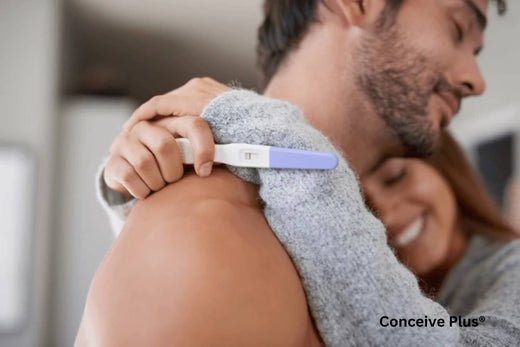

Missing a period, even after experiencing period symptoms, can be an indication of multiple things. This situation can be confusing for any woman and may raise the question: could this mean pregnancy?
In some cases, you may experience period symptoms like cramping, bloating, or breast tenderness, but then no bleeding occurs [1]. These symptoms without bleeding mean there is a higher chance that you have conceived. However, period symptoms without periods can also be an indication of some underlying issues.
In this article, we will explore how a late period with period symptoms indicates pregnancy, other signs of pregnancy, and health conditions that may cause missed periods.
Late Period With Period Symptoms: Could It Be Pregnancy?
One of many possible reasons for a late period with period symptoms is pregnancy. When you’re pregnant, your body starts producing hormones like progesterone and human chorionic gonadotropin or hCG [2]. These hormones can cause symptoms similar to those you typically experience during menstruation or periods.
For example, cramping in the lower abdomen that you normally experience during periods can also happen in early pregnancy as the uterus adjusts to the growing baby [3]. Breast tenderness is also common in early pregnancy because pregnancy hormones make the breast tissues more sensitive [4].
These symptoms may feel just like premenstrual syndrome (PMS), but a missed period with PMS symptoms could be an indication that you are pregnant.

What Are the Early Signs of Pregnancy?
If you are experiencing period symptoms and your periods are late than normal, you must look for symptoms of early pregnancy in your body. These signs can tell you if you are really pregnant or if pregnancy symptoms before missed period are due to something concerning.
Some common early pregnancy signs to look for include:
- Nausea or Morning Sickness: Feeling nausea or vomiting, especially in the morning, can occur early in pregnancy. You experience such feelings because of the increased production and release of hCG in pregnancy [5].
- Fatigue: Different hormonal changes occur in the body soon after you achieve pregnancy. These changes are supposed to prepare the body for a healthy pregnancy, but they may sometimes cause fatigue.
- Breast Changes: Hormonal changes in early pregnancy also influence breast tissues. Your breasts may feel swollen, tender, or heavier, and the area around your nipples, called areolas, may start to appear darker [4].
- Mood Swings: Hormonal shifts in the early pregnancy days can cause sudden changes in mood or emotions. Such mood swings can also impact your appetite, and you might crave certain foods or feel repelled by others that you normally enjoy.
- Implantation Bleeding: Some women experience light spotting of pink or brown color a few days after ovulation. Women often mistake it for a very light period, but it is actually due to the implantation of a fertilized egg into the uterus.

✨ Think You Might Be Pregnant?
Get fast, accurate results up to 6 days before your missed period with our early detection pregnancy test.
Shop Now — $9.80✓ Free shipping on orders over $40 | ✓ Trusted by millions of couples worldwide
Keep in mind that every woman's body is different and its response towards pregnancy can also be different. This means that the lack of these symptoms doesn't confirm that you are not pregnant.
How to Confirm Pregnancy?
The best way to confirm if you are pregnant after noticing early pregnancy symptoms is by taking a pregnancy test. Here are the two main test options for you:
- Home Pregnancy Test: Home pregnancy test kit detects the presence of hCG in your urine. These test kits are easy to use, and you can get results in minutes from the comfort of your home. Taking these tests according to the instructions provided can give you up to 99% accurate results about your pregnancy.

- Blood Test: For a blood test to confirm a pregnancy, you need to visit a doctor's office or hospital. These tests can detect smaller amounts of hCG and confirm pregnancy earlier than a urine test. Blood tests can also provide an exact hCG level, which helps monitor the progress of pregnancy.
Other Possible Causes of Missed Period
If you are experiencing stomach cramps sore breasts but no period and even your pregnancy test results are negative, one of the following factors can be responsible for this:
- Stress: Evidence shows that high levels of stress can disrupt your menstrual cycle, causing a late period or skipped cycle [6]. Stress can disturb hormonal levels that regulate a normal menstrual cycle.
- Hormonal Imbalances: Conditions like polycystic ovary syndrome (PCOS) or thyroid problems can affect your hormonal balance, causing a delay in periods.
- Weight Changes: Reports show that rapid weight loss, gain, or being underweight can affect the pattern of your menstrual cycle [7]. This may result in delayed ovulation or delayed periods.
- Medications: Some forms of birth control, including hormonal contraceptives, can directly impact your hormonal balance, and you experience irregular periods.
- Perimenopause: If you are in your 40s, late or missed periods could be due to the natural transition to menopause.

The Bottom Line
Women trying to conceive are usually very conscious of the signs their bodies show of pregnancy. In that state, experiencing late periods with period symptoms can add to their confusion.
While a late period with period symptoms may indicate pregnancy, it’s not the only possibility. It is a good idea to take a pregnancy test after a missed period to confirm if you are pregnant or not.
If your pregnancy test is negative, consider other factors like stress, hormonal imbalances, or lifestyle changes that might be affecting your cycle. If you find yourself confused, consult your doctor to understand what's happening in your body and ensure your reproductive well-being.
Resources Used
- Weon, H. W., & Son, H. K. (2023b). An Analysis of Menstrual Symptoms, Menstrual Attitudes, Physical Stress and Psychological Stress According to the Menstrual Cycle Phase. Iranian Journal of Public Health. https://doi.org/10.18502/ijph.v52i6.12958
- Magon, N., & Kumar, P. (2012b). Hormones in pregnancy. Nigerian Medical Journal, 53(4), 179. https://doi.org/10.4103/0300-1652.107549
- Pregnancy Cramps. American Pregnancy Association. https://americanpregnancy.org/healthy-pregnancy/pregnancy-concerns/cramping-during-pregnancy/
- Dominkovic, M. D., Ivanac, G., Bojanic, K., Kralik, K., Smolic, M., Divjak, E., Smolic, R., & Brkljacic, B. (2020). Exploring Association of Breast Pain, Pregnancy, and Body Mass Index with Breast Tissue Elasticity in Healthy Women: Glandular and Fat Differences. Diagnostics, 10(6), 393. https://doi.org/10.3390/diagnostics10060393
- Nausea during pregnancy: A good thing? (n.d.-b). Mayo Clinic. https://www.mayoclinic.org/healthy-lifestyle/pregnancy-week-by-week/expert-answers/nausea-during-pregnancy/faq-20057917
- Clinic, C. (2024a, June 27). Can Stress Cause You to Skip a Period? Cleveland Clinic. https://health.clevelandclinic.org/can-stress-cause-you-to-skip-a-period
- Itriyeva, K. (2022). The effects of obesity on the menstrual cycle. Current Problems in Pediatric and Adolescent Health Care, 52(8), 101241. https://doi.org/10.1016/j.cppeds.2022.101241
🌱 Get Answers Early
Millions of women trust Conceive Plus for their fertility journey. Clinically validated pregnancy tests delivered to your door.
Shop Pregnancy Tests →Frequently Asked Questions
Recommended by Fertility Experts
Conceive Plus PCOS Range
A targeted nutritional approach to support hormonal balance and reproductive health for women with PCOS.
Shop Now →Q: Can you have period symptoms but no period and still be pregnant?
A: Yes, it is absolutely possible to experience period-like symptoms such as cramping, bloating, and breast tenderness without actually menstruating, and this can indicate pregnancy. According to the American College of Obstetricians and Gynecologists (ACOG), many pregnant women report experiencing these symptoms during early pregnancy due to hormonal changes and increased blood flow to the breasts and pelvic area. The key difference is that in pregnancy, these symptoms persist and may be accompanied by other signs like nausea, fatigue, or changes in appetite. If you suspect you might be pregnant, taking a home pregnancy test 12-14 days after conception or waiting until the first day of your missed period will provide the most accurate results. Maintaining overall reproductive health through proper nutrition and supplementation with products like Conceive Plus can support your fertility journey during this crucial time.
Q: What causes late period with cramps but no bleeding?
A: A late period accompanied by cramping but no bleeding can result from several factors, including pregnancy, hormonal imbalances, thyroid disorders, polycystic ovary syndrome (PCOS), or significant stress. According to the National Institutes of Health, hormonal fluctuations account for approximately 30-40% of irregular menstrual cycles in women of reproductive age. Other medical causes include uterine fibroids, endometriosis, or changes in contraceptive use, all of which should be evaluated by a healthcare provider. Lifestyle factors such as excessive exercise, dramatic weight changes, or inadequate nutrition can also delay menstruation while causing cramping sensations. If your symptoms persist beyond two weeks or are accompanied by severe pain, fever, or heavy bleeding when it does occur, consult your gynecologist for proper diagnosis and treatment.
Q: How long should I wait to take a pregnancy test if I have a late period?
A: The FDA recommends waiting until at least the first day of a missed period for the most accurate home pregnancy test results, though some sensitive tests can detect pregnancy 6-8 days after ovulation. For best accuracy, most healthcare providers suggest taking a test in the morning when human chorionic gonadotropin (hCG) hormone levels are most concentrated in urine. If your test is negative but your period remains absent, wait 3-5 days and retest, as hCG levels double approximately every 48-72 hours in early pregnancy. Blood tests ordered by your healthcare provider can detect pregnancy earlier than home urine tests, sometimes as early as 6-8 days after ovulation. Maintaining optimal fertility health through proper supplementation and balanced nutrition with products like Conceive Plus may support conception success and overall reproductive wellness.
Q: What does it mean if I have PMS symptoms but my period is 2 weeks late?
A: When PMS symptoms persist but your period is significantly delayed, this may indicate pregnancy, hormonal irregularities, or an underlying health condition requiring medical evaluation. The American Society for Reproductive Medicine (ASRM) notes that delayed menstruation combined with PMS-like symptoms occurs in approximately 25-30% of early pregnancies, as progesterone levels remain elevated rather than dropping as they would before menstruation. Other possibilities include thyroid dysfunction, which affects approximately 12% of women and can disrupt menstrual cycles; elevated stress levels; or conditions like PCOS that cause irregular periods. A two-week delay warrants a pregnancy test followed by a consultation with your healthcare provider if results are negative. Supporting your reproductive health through proper nutrition, stress management, and supplementation may help regulate your cycle and optimize your fertility potential.
Q: Can stress cause late period with cramping and no bleeding?
A: Yes, chronic or acute stress can significantly delay menstruation while causing cramping and other PMS-like symptoms due to its effects on the hypothalamic-pituitary-ovarian axis that regulates your cycle. Research published by the American Psychological Association indicates that elevated cortisol levels from stress can suppress reproductive hormones, leading to delayed or absent periods in up to 15-20% of women experiencing significant life stressors. Stress-related delays are typically accompanied by the same cramping, bloating, and breast tenderness associated with regular periods because your body is still preparing for menstruation hormonally, even if ovulation is delayed. Reducing stress through exercise, meditation, adequate sleep, and proper nutrition can help regulate your cycle within 1-3 months in many cases. Supporting your body's natural balance with a comprehensive approach to reproductive health, including proper supplementation and stress reduction techniques, can optimize your chances of conception and menstrual regularity.
Trusted by Couples in Over 70 Countries
Take Control of Your Reproductive Health With PCOS
Living with PCOS presents unique challenges on the path to conception. Conceive Plus PCOS range is formulated with key nutrients to help support hormonal balance and a healthy cycle, empowering you on your fertility journey.
Explore the PCOS Range →