Low folate in male diet linked to risk of offspring birth defects

Previous research has shown that what mothers eat during pregnancy affects the health of their offspring. But now, a new study suggests that a father's diet prior to conception could also play an important role in their child's health, particularly when it comes to consumption of folate.

✨ Trying to Conceive?
Our Ovulation & Fertility Bundle combines Myo-Inositol with essential vitamins to support healthy hormone balance and regular ovulation.
Shop Now — $55.00✓ Free shipping on orders over $40 | ✓ Trusted by millions of couples worldwide
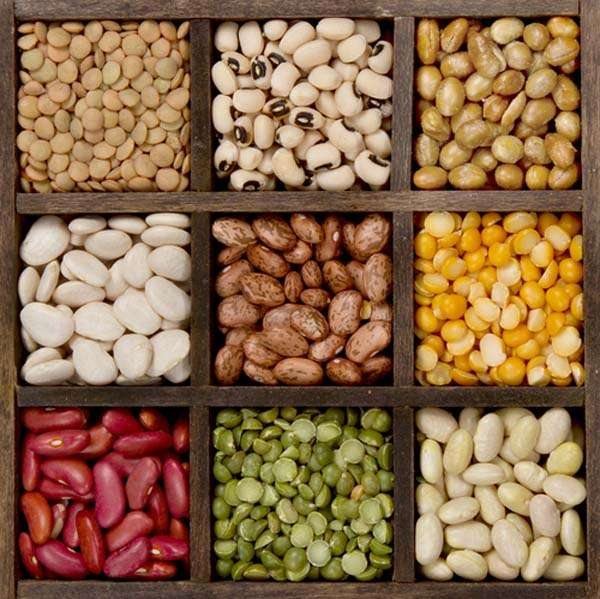
Folate, also known as vitamin B9, is found naturally in a broad variety of foods, including dark green leafy vegetables, nuts, beans, peas, fruit and fruit juices, dairy products, poultry and meat, eggs, seafood and grains.
The study, conducted testings on mice fathers, concluded that, “ sperm can carry a "memory" of a father's lifestyle choices and diet, and the information from a father's diet is transferred to an "epigenomic map," which can influence a child's development.
Leaving Researcher Sarah Kimmins to say that their findings suggest that fathers need to think about what they eat, smoke and drink just as much as mothers do, as their lifestyle choices could impact future generations.
🌱 Support Your Fertility Journey
Conceive Plus fertility supplements are clinically formulated to help regulate your cycle and support egg quality.
Shop Fertility Support →Frequently Asked Questions
Recommended by Fertility Experts
Conceive Plus Men's Fertility Support
Designed to support healthy sperm production, motility, and overall male reproductive health with clinically studied nutrients.
Shop Now →What is folate and why is it important for male fertility?
Folate, also known as vitamin B9, is a essential nutrient that plays a crucial role in DNA synthesis and cell division, processes that are vital for healthy sperm production. Research suggests that adequate folate intake in men may reduce the risk of chromosomal abnormalities in sperm that could lead to birth defects in offspring. Studies have shown that men with low folate levels may have higher rates of sperm with abnormal chromosome numbers, which can affect fertility and pregnancy outcomes.
How much folate should men consume daily when trying to conceive?
The National Institutes of Health recommends that adult men consume 400 micrograms (mcg) of folate daily, a guideline that applies whether or not a man is trying to conceive. Men planning to father children should aim to meet or exceed this daily recommendation for at least 2-3 months before conception, as sperm development takes approximately 74 days. Consulting with a healthcare provider can help determine if supplementation is necessary based on individual dietary intake and health status.
What are the best food sources of folate for men?
Excellent sources of folate include dark green leafy vegetables (spinach, kale, broccoli), legumes (lentils, black beans, chickpeas), asparagus, Brussels sprouts, avocados, nuts, seeds, and fortified grain products. Animal-based sources like poultry, beef, eggs, and seafood also contain folate, making it relatively easy to obtain through a balanced diet. For men with dietary restrictions or those unable to consume adequate folate through food alone, folic acid supplements or prenatal vitamins designed for men are available options.
How does paternal diet affect birth defects according to recent research?
Recent studies, including research conducted on animal models, have found that sperm carries an "epigenomic map" that reflects a father's lifestyle choices and dietary habits, which can be transferred to offspring and influence fetal development. This suggests that a father's nutrition, including folate intake, may impact the risk of birth defects such as neural tube defects and chromosomal abnormalities in his children. This groundbreaking research indicates that preconception paternal health is nearly as important as maternal health in preventing birth defects.
Are folate supplements necessary for men trying to conceive?
While most men can obtain adequate folate through a balanced diet rich in fruits, vegetables, legumes, and fortified grains, some men may benefit from supplementation, particularly those with dietary restrictions, certain genetic conditions like MTHFR mutations, or low sper
How long before conception should men improve their diet and folate intake?
Men should ideally begin optimizing their diet and folate intake at least 2-3 months before attempting conception, as this is the timeframe required for complete sperm production (spermatogenesis). This window allows enough time for dietary changes and supplementation to influence the epigenomic markers carried in sperm that may affect offspring development. However, establishing healthy eating habits even earlier is beneficial for overall reproductive health and general wellness.
Can low folate in fathers cause miscarriage or pregnancy loss?
While research on paternal folate and miscarriage is still emerging, low folate levels in men have been associated with increased chromosomal abnormalities in sperm, which can contribute to miscarriage and genetic disorders in offspring. Adequate paternal folate intake may help reduce the risk of aneuploidy (abnormal chromosome numbers) that commonly leads to pregnancy loss. Couples experiencing recurrent miscarriage should discuss both maternal and paternal preconception health optimization with their fertility specialist or reproductive endocrinologist.
Trusted by Couples in Over 70 Countries
Support Male Fertility From the Inside Out
Male fertility is just as important as female fertility in the conception journey. Conceive Plus Men's range delivers targeted nutritional support to promote healthy sperm and overall reproductive wellbeing.
Shop Men's Range →