Ovulation and Pregnancy Test Accuracy: Gaining Clarity on the Journey
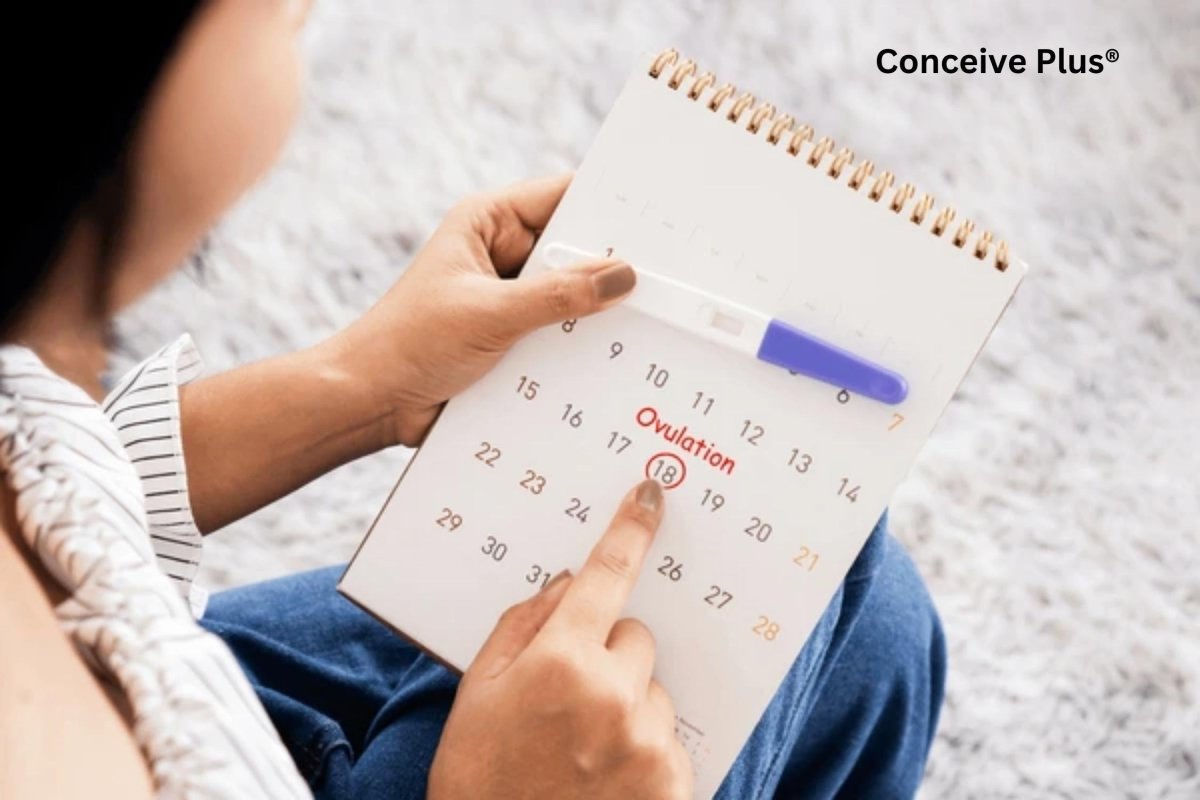

Fertility can feel like a puzzle when you’re trying to conceive or track your reproductive health. From monitoring cycle changes to interpreting subtle body signals, there are multiple steps involved in pinpointing the most fertile days and determining whether conception has occurred. It’s hardly surprising that a wide range of test kits is available on the market, each designed to either detect ovulation or confirm pregnancy, such as an ovulation and pregnancy test. These home-based tools can help couples time intercourse optimally and quickly learn if their efforts have been successful. With evolving science and a variety of options, understanding the distinctions between different tests has become increasingly important for anyone seeking clarity on their path to parenthood.

Understanding the Main Hormones
Advances in reproductive healthcare have led to highly specific kits that can detect hormonal fluctuations. Ovulation tests generally identify a surge in luteinizing hormone (LH), which triggers the release of an egg from the ovary. When LH levels spike, it indicates a short window—often 24 to 36 hours—during which a woman’s fertility peaks. This makes it easier to predict ideal times for intercourse or procedures like intrauterine insemination. By contrast, a pregnancy test looks for human chorionic gonadotropin (hCG), a hormone produced by placental cells shortly after a fertilized egg implants into the uterine lining. Detecting hCG in urine, particularly in the first few weeks of gestation, provides a strong indication that a woman is expecting. Some products combine functions, offering what might be informally termed an ovulation pregnancy test, although typically they are distinct devices that rely on separate hormone indicators [1].
Finding the Ideal Testing Schedule
Timing is critical when using fertility tools at home. For an ovulation kit, healthcare professionals often suggest starting daily tests several days before your expected LH surge. This makes it possible to catch the exact moment when the hormone is about to peak. Each test stick comes with instructions on how long to hold it in a urine stream and how quickly to read the results. Most kits feature lines or digital readouts indicating whether the LH surge is detected. Individuals with shorter or irregular cycles may need to start testing earlier or continue longer to ensure they don’t miss the crucial surge. On top of that, charting other signals—like basal body temperature or changes in cervical mucus—can serve as additional confirmation and enhance overall accuracy. When tracking fertility, understanding how long ovulation lasts can help pinpoint the most fertile days and improve the accuracy of ovulation test results.

✨ Trying to Conceive?
Our Ovulation & Fertility Bundle combines Myo-Inositol with essential vitamins to support healthy hormone balance and regular ovulation.
Shop Now — $55.00✓ Free shipping on orders over $40 | ✓ Trusted by millions of couples worldwide
Pregnancy detection relies on the presence of hCG, which begins to appear in measurable amounts about eight to ten days after ovulation, though the timeline varies from person to person. Some tests claim they can identify pregnancy several days before a missed period, but accuracy tends to improve closer to or after the day your period is due. Results typically show up as a line, plus sign, or digital “pregnant” reading. False negatives may occur if testing is done too early, as hCG may still be below the threshold required by the test. On the other hand, false positives are rare but can happen due to certain medications or very specific medical conditions. Reconfirming a positive result a few days later and consulting a healthcare provider helps validate findings [2].
While ovulation tests are a useful tool for predicting fertility windows, it’s important to be aware of the possibility of a false positive ovulation test, which can sometimes lead to confusion when tracking cycles.

Combining Methods for Better Insights
Because each type of kit targets different hormones, pairing an ovulation-focused device with a method that identifies hCG can offer comprehensive insights. In many cases, couples use an ovulation tool to determine the most strategic time to attempt conception and then switch to a pregnancy test after the waiting period. This sequence helps reduce the guesswork surrounding fertility windows and early pregnancy detection. Keeping track of results over multiple cycles can offer patterns for those experiencing difficulties conceiving, providing valuable data to discuss with a medical professional [3].
The Bottom Line
Whether employed separately or in tandem, an ovulation and pregnancy test can significantly simplify the journey, aiding couples in their quest for accurate, timely answers. In recognizing the hormonal mechanics behind these tools, individuals can make informed decisions about their reproductive goals. Ultimately, each step in this process requires patience, good record-keeping, and clear communication between partners.

References
- Johnson S, Stanford JB, Warren G, Bond S, Bench-Capon S, Zinaman MJ. Increased Likelihood of Pregnancy Using an App-Connected Ovulation Test System: A Randomized Controlled Trial. J Womens Health (Larchmt). 2020 Jan;29(1):84-90. doi: 10.1089/jwh.2019.7850. Epub 2019 Sep 4. PMID: 31483187; PMCID: PMC6983750.
- Chard T. Pregnancy tests: a review. Hum Reprod. 1992 May;7(5):701-10. doi: 10.1093/oxfordjournals.humrep.a137722. PMID: 1639991.
- Kennedy CE, Yeh PT, Gholbzouri K, Narasimhan M. Self-testing for pregnancy: a systematic review and meta-analysis. BMJ Open. 2022 Feb 28;12(2):e054120. doi: 10.1136/bmjopen-2021-054120. PMID: 35228285; PMCID: PMC8886405.
🌱 Support Your Fertility Journey
Conceive Plus fertility supplements are clinically formulated to help regulate your cycle and support egg quality.
Shop Fertility Support →Frequently Asked Questions
Recommended by Fertility Experts
Conceive Plus Men's Fertility Support
Designed to support healthy sperm production, motility, and overall male reproductive health with clinically studied nutrients.
Shop Now →Q: How accurate are ovulation tests compared to pregnancy tests?
A: Ovulation tests are typically 99% accurate when used correctly, detecting the luteinizing hormone (LH) surge that occurs 24-48 hours before ovulation, according to the American Society for Reproductive Medicine (ASRM). Pregnancy tests vary in accuracy from 99% on the day of a missed period to as low as 50-60% when used several days before, depending on the test sensitivity and human chorionic gonadotropin (hCG) levels. The timing of when you use each test significantly impacts results—ovulation tests work best during your fertile window, while pregnancy tests require sufficient hCG production. Many couples use both test types strategically, starting with ovulation tests to identify peak fertility days, then confirming pregnancy with a pregnancy test after a missed period. Combining these tests with fertility supplements like Conceive Plus can optimize your conception strategy by supporting reproductive health during your fertile window.
Q: What is the best time to take an ovulation and pregnancy test?
A: Ovulation tests should be taken during your fertile window, typically beginning 5 days before your expected ovulation date through the day of ovulation itself, with testing ideally done between 12 p.m. and 8 p.m. when LH surge is most concentrated. Pregnancy tests should not be taken until at least 12-14 days after ovulation (or the day of a missed period) when hCG levels are reliably detectable, as testing too early can result in false negatives. According to the FDA, first-morning urine provides the most concentrated samples for both test types, though ovulation tests actually perform better in afternoon urine due to the LH surge pattern. Most fertility specialists recommend tracking your cycle length for 2-3 months to accurately predict your ovulation window before beginning tests. Pairing proper test timing with evidence-based fertility support, such as Conceive Plus, which contains hyaluronic acid to support cervical mucus quality, can enhance your overall conception success.
Q: Can you test for ovulation and pregnancy on the same day?
A: No, testing for both ovulation and pregnancy on the same day is not practical or useful because they measure different hormones at different stages of your cycle—ovulation tests detect LH before ovulation occurs, while pregnancy tests detect hCG only after implantation, which happens 6-12 days post-ovulation. Testing for pregnancy the day of ovulation would yield a negative result since hCG production hasn't yet begun, potentially causing unnecessary confusion and disappointment. The appropriate approach is to use ovulation tests during your fertile window (typically days 5-7 before expected ovulation), have intercourse during this period, and then wait at least 12-14 days after ovulation before taking a pregnancy test. The American College of Obstetricians and Gynecologists (ACOG) recommends this sequential testing approach to avoid false results and unnecessary anxiety. Supporting your fertility journey with evidence-based supplements like Conceive Plus during your fertile window can help optimize conditions for conception while you're actively tracking with ovulation tests.
Q: Why did my ovulation test show positive but I'm not pregnant?
A: A positive ovulation test (indicating an LH surge) does not guarantee pregnancy because successful conception requires multiple factors beyond ovulation, including healthy sperm, proper timing of intercourse, normal fallopian tube function, and successful implantation—studies show that even fertile couples have only a 20-25% chance of conceiving each cycle. Some women experience multiple LH surges or false positives due to hormonal conditions like polycystic ovary syndrome (PCOS), thyroid disorders, or high baseline LH levels, as noted by the ASRM. Approximately 10-15% of couples experience unexplained infertility despite confirmed ovulation, which may relate to egg quality, sperm quality, or other reproductive factors. If you've been charting positive ovulation tests without achieving pregnancy for 6-12 months (or 3-6 months if over age 35), consulting a fertility specialist is recommended to investigate underlying causes. In the interim, optimizing your reproductive health with supplements like Conceive Plus, which contains key fertility nutrients such as L-carnitine to support sperm health and zinc for reproductive function, may help improve conception odds.
Q: How many days after ovulation can you get a positive pregnancy test?
A: A positive pregnancy test can typically be detected 6-8 days after ovulation (around the time of implantation), though the most reliable results occur 12-14 days after ovulation or from the first day of a missed period, when hCG levels are sufficiently elevated for detection. According to the FDA, standard pregnancy tests detect hCG levels of 25 mIU/mL, while sensitive early detection tests may pick up levels as low as 10 mIU/mL, but testing too early still results in false negatives in approximately 40-50% of cases. Implantation doesn't occur until 6-12 days after ovulation, so hCG production—which only begins after implantation—means testing before this window is premature. Clinical pregnancy can be confirmed through a blood test (quantitative hCG) as early as 7-8 days after ovulation, which is more reliable than home urine tests during early detection. To give yourself the best chance at a positive result, wait until at least the first day of your missed period, and consider supporting your reproductive health with Conceive Plus throughout your cycle to optimize uterine conditions and support overall fertility.
Trusted by Couples in Over 70 Countries
Support Male Fertility From the Inside Out
Male fertility is just as important as female fertility in the conception journey. Conceive Plus Men's range delivers targeted nutritional support to promote healthy sperm and overall reproductive wellbeing.
Shop Men's Range →