Ovulation Test Instructions: When and How to Use It Correctly
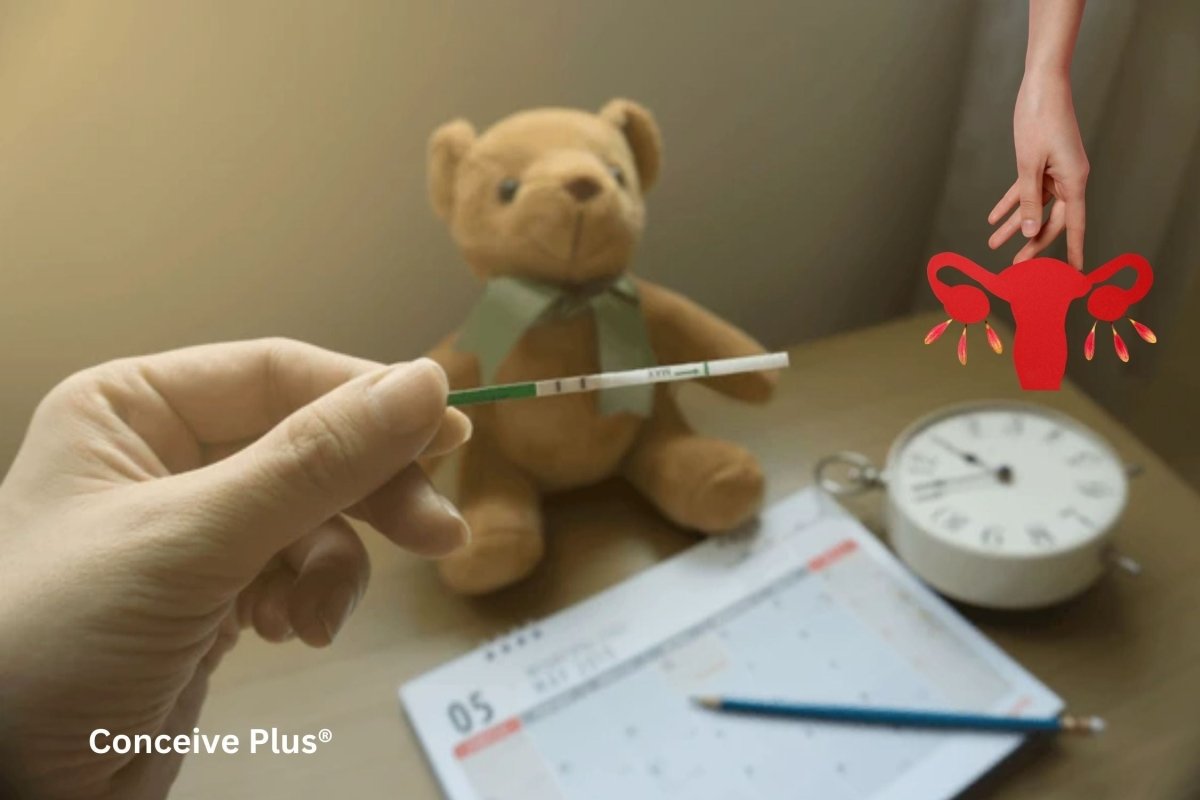

Ovulation is a key part of the female menstrual cycle and plays a central role in conception. For women who are planning a pregnancy, knowing when they ovulate can help increase the chances of success.
Ovulation is the time when a woman is most fertile during her monthly cycle. There are several signs that your body shows as an indication of ovulation [1]. However, not all women experience ovulation signs, and these signs can vary across cycles.
This is where an ovulation test comes in handy. This test helps take the guesswork out of your cycle so you can know exactly when you are most fertile and have the best chance of getting pregnant.

What Happens During Ovulation?
Ovulation is the process when an ovary releases an egg into the fallopian tube. This event usually happens once in the middle of each menstrual cycle and is the period when a woman is most fertile [2].
During ovulation, certain hormones increase in the body, especially the luteinizing hormone (LH). When LH reaches its peak, it is known as an LH surge, which triggers the release of the egg. This surge in LH is what many ovulation tests try to detect [3].
Understanding ovulation is important because it provides insight into your reproductive cycle and overall fertility. Many women notice other signs of ovulation, such as changes in cervical mucus or slight pain in the lower abdomen, but using an ovulation test can give you a more accurate indication of your most fertile days.

Image Source: https://blog.inito.com/normal-lh-level/
The Importance of Tracking Ovulation
It’s important for a woman to understand that she isn’t fertile every day of her cycle. The female body releases just one egg per cycle, and once it’s released, it only survives for 12 to 24 hours [4].
However, sperm can live inside the reproductive tract for up to 5 days, which means a woman’s fertile window is actually a few days before and the day of ovulation [4]. Timing intercourse around your fertile window increases the chance of fertilization.
While some women can track their ovulation with calendar methods or physical signs, using an ovulation test can remove the guesswork. These tests detect hormonal changes and give a clearer picture of when the egg is ready to be fertilized.
By using a home ovulation test, you can monitor your cycle more effectively and plan intercourse during the days you are most likely to conceive. Whether you choose an ovulation prediction kit (OPK) or an ovulation detection kit, the main goal is to pinpoint the LH surge, which is the best indicator of ovulation [3].
How Ovulation Tests Work?
Many wonder how do ovulation tests work. An ovulation kit is designed to detect the surge in LH that occurs before an egg is released. The tests use LH strips or LH test strips that are dipped into urine. When the LH level rises above a certain threshold, the test will show a positive result [3].
Some tests are known by different names. For example, you might hear the term OPK test. To define OPK, it stands for “ovulation predictor kit.” Many women refer to OPK meaning when they talk about this ovulation testing method.
In some cases, people even use the term OPK ovulation as a shorthand for this process. These fertility strips are a trusted method for detecting your most fertile days to increase the chances.


✨ Trying to Conceive?
Our Ovulation & Fertility Bundle combines Myo-Inositol with essential vitamins to support healthy hormone balance and regular ovulation.
Shop Now — $55.00✓ Free shipping on orders over $40 | ✓ Trusted by millions of couples worldwide
Step-by-Step Instructions for Testing Ovulation at Home
Home ovulation test kits are popular since they let you detect your ovulation and find the most fertile day from the comfort of your home. Here, we outline easy at home ovulation test instructions to help you get started:
- Buy a Reliable Kit: Choose an ovilation kit or ovulation prediction kit that fits your needs. These kits usually come with multiple strips and clear instructions. Make sure you buy from a reputable brand with good customer reviews.
- Collect a Sample: The test kit usually comes with a clean container, and you will need to collect urine in that container. Early morning urine is often recommended for a sample because LH levels can be more concentrated.
- Dip the Test Strip: Follow the provided instructions on how to use your test. Many kits provide how to use ovulation strips guidelines, which typically involve dipping the strip into the urine for a few seconds. Some test kits also allow you to hold the ovulation test strip directly in your urine stream for a few seconds.
- Wait for the Results: After dipping, lay the test strip on a flat surface and wait for the result window to appear. Most tests will indicate your LH level within a few minutes.
- Interpret the Result: Check the test strip carefully. Many kits offer a line or symbol that will change if you detect a surge in LH.
How to Read Ovulation Test Strips?
Knowing how to read ovulation test strips is an important step in the testing process. Most test strips will display one or two lines. Here’s what they mean:
- Control Line: This line confirms that the test strip is working correctly and should get accurate test results.
- Test Line: The intensity of the test line is compared to the control line. When the test line is as dark as or darker than the control line, it indicates a surge in LH. This result is sometimes referred to as a positive ovulation test strip.
Many instructions also provide guidance on ovulation test strips results. Some kits even offer a digital display that tells you whether your LH levels are elevated. The process is designed to be simple so that you do not have to worry about misinterpreting your results.
Understanding Your Ovulation Test Results
A positive ovulation test strip means that you have a surge in LH and that ovulation is likely to occur within the next 24 to 36 hours. When you see a positive result, it is a signal to plan intercourse soon if you are trying to conceive.
Keep in mind that there might be slight variations between brands. Some tests may require you to compare the intensity of two lines. For instance, if you’re using ovulation test strips or ovulation sticks, you will need to check the darkening of the test line in relation to the control line. In other cases, the ovulation test strips results will clearly indicate that you are in your fertile window.
If you have questions about how to use ovulation strips or how to interpret your results, don’t hesitate to talk to your healthcare provider. They can help you understand the readings from your ovulation test kit.

Monitoring Ovulation Strip Progression
Another aspect to consider is ovulation strip progression. This term refers to the changes in the test strip readings over several days. By monitoring these changes, you can better understand the pattern of your cycle. Noticing a gradual darkening or a sudden change in the ovulation test strips can help you predict exactly when you will ovulate.
Tracking the ovulation strip progression along with your calendar can also provide helpful insights into how your body works. This way, even if you have irregular cycles, you can still plan conception with higher chances of success.
When to Take Ovulation Test?
One of the most common questions is when is the best time to take an ovulation test. Most experts suggest starting to test a few days before the expected ovulation date. Generally, you should consider when to start testing for ovulation about five to seven days before you think you will ovulate, and then test daily until you see a surge.
It is also helpful to know when to take ovulation test or the timing of the ovulation test during the day. Early morning tests are more popular, but some experts believe you can test any time of the day if you have a very concentrated urine sample.
Tips for Maximizing Accuracy
While the correct timing of ovulation testing is essential for getting results, here are some additional tips to help you maximize the accuracy of your tests:
- Always read and follow the provided easy at home ovulation test instructions.
- Try to use the same testing method every cycle for consistency.
- Make sure you test at the same time each day.
- Keep a record of your ovulation predictor kit positive result and any physical signs you notice. This record can help you spot patterns over time.
- Don’t stress if your test is negative one day besides experiencing physical symptoms. It might take a few days of testing before you see the LH surge.
Other Signs of Ovulation
Besides using an ovulation test, your body provides natural clues that ovulation is approaching. Here are five common signs:
- Cervical Mucus Change: As ovulation approaches, cervical mucus increases and becomes clear, slippery, and stretchy, resembling raw egg whites [5]. This change helps sperm move more easily through the cervix and survive longer, increasing the chances of fertilization.
- Mild Pelvic Pain (Mittelschmerz): Some women feel a slight cramp or sharp pain on one side of their lower abdomen when an ovary releases an egg. This discomfort, known as mittelschmerz, may last a few minutes to a few hours and is a reliable sign of ovulation [6].
- Increased Libido: A natural rise in estrogen and LH around ovulation can increase libido or sexual desire. This is the body’s way of encouraging conception during the most fertile days.
- Higher Basal Body Temperature: After ovulation, progesterone causes a slight rise in basal body temperature (BBT) [7]. Tracking BBT daily over several cycles can confirm ovulation, though it does not predict it in advance.
- Breast Tenderness: Hormonal fluctuations before and after ovulation can make breasts feel fuller, sore, or more sensitive to touch. This symptom varies in intensity from woman to woman.
The Bottom Line
Tracking ovulation is an essential step towards conception, but many women find it challenging to do so solely based on physical signs. This is where the ovulation test helps, making it easy to accurately predict your most fertile days and plan intercourse accordingly.
Ovulation predictor kits help you test ovulation by detecting LH surge, which occurs shortly before ovulation. To get accurate results, you must perform the test at the right time and follow the instructions carefully. Through accurate test results, you can better understand your cycle and plan intercourse with maximum chances of getting pregnant.
Resources Used
- Owen, M. (2013). Physiological signs of ovulation and fertility readily observable by women. The Linacre Quarterly, 80(1), 17–23. https://doi.org/10.1179/0024363912z.0000000005
- Holesh, J. E., Bass, A. N., & Lord, M. (2023, May 1). Physiology, ovulation. StatPearls - NCBI Bookshelf. https://www.ncbi.nlm.nih.gov/books/NBK441996/
- Ovulation home test: MedlinePlus Medical Encyclopedia. (n.d.). https://medlineplus.gov/ency/article/007062.htm
- Pregnancy - identifying fertile days: MedlinePlus Medical Encyclopedia. (n.d.). https://medlineplus.gov/ency/article/007015.htm
- Professional, C. C. M. (2025, March 31). Cervical mucus. Cleveland Clinic. https://my.clevelandclinic.org/health/body/21957-cervical-mucus
- Brott, N. R., & Le, J. K. (2023, May 1). Mittelschmerz. StatPearls - NCBI Bookshelf. https://www.ncbi.nlm.nih.gov/books/NBK549822/
- Steward, K., & Raja, A. (2023, July 17). Physiology, ovulation and basal body temperature. StatPearls - NCBI Bookshelf. https://www.ncbi.nlm.nih.gov/books/NBK546686/
🌱 Support Your Fertility Journey
Conceive Plus fertility supplements are clinically formulated to help regulate your cycle and support egg quality.
Shop Fertility Support →Frequently Asked Questions
Recommended by Fertility Experts
Conceive Plus Men's Fertility Support
Designed to support healthy sperm production, motility, and overall male reproductive health with clinically studied nutrients.
Shop Now →Q: When should I use an ovulation test—first morning urine or throughout the day?
A: According to Cleveland Clinic guidance, ovulation predictor kits work best with first morning urine because LH (luteinizing hormone) concentrations are typically highest at this time. However, some women may have their LH surge peak at different times during the day, so testing twice daily—once with first morning urine and again in the afternoon—can increase accuracy for detecting your surge. The American College of Obstetricians and Gynecologists recommends starting tests a few days before your expected ovulation and continuing until you detect a positive result. Most importantly, consistency in testing time helps you establish your personal LH patterns, making it easier to identify when you're most fertile.
Q: What does a positive ovulation test mean—does it confirm ovulation will happen?
A: A positive ovulation test indicates that your LH surge has been detected, which means ovulation will typically occur within 24 to 36 hours, according to Cleveland Clinic. However, it's important to understand that a positive test predicts ovulation rather than confirming it has already happened. A positive result occurs when the test line appears as dark as or darker than the control line, signaling the hormonal trigger for ovulation. While LH surge is a highly reliable predictor, factors like certain medications, irregular cycles, or hormonal conditions can occasionally affect results. Pairing ovulation tests with other fertility awareness methods—like tracking cervical mucus changes or using fertility supplements like Conceive Plus to support reproductive health—provides a more comprehensive approach to conception planning.
Q: How accurate are ovulation prediction kits compared to other fertility tracking methods?
A: Ovulation predictor kits are among the most accurate fertility tracking methods available, with clinical studies showing they correctly predict ovulation in approximately 99% of cycles when used properly. The American Society for Reproductive Medicine (ASRM) recognizes LH surge detection as a reliable indicator of impending ovulation, making these kits a trusted tool for fertility-focused couples. Unlike basal body temperature tracking, which identifies ovulation after it occurs, ovulation tests provide advance notice when you're about to enter your most fertile window. For the most reliable results, begin testing 2-3 days before your anticipated ovulation date and continue until you see a positive result. Many women find combining ovulation tests with a preconception supplement regimen, such as Conceive Plus, creates a comprehensive fertility optimization strategy.
Q: What if my ovulation test line is almost as dark as the control line—is that positive?
A: According to Cleveland Clinic standards, an ovulation test is considered positive when the test line appears as dark as or darker than the control line, indicating a significant LH surge has been detected. A line that is almost as dark but not quite equal typically indicates you're approaching your LH surge but haven't reached the peak yet—this is sometimes called a "near positive." If you see a nearly positive result, continue testing every 6-12 hours, as your true LH surge (and ovulation) will likely occur within the next day or two. This timing is crucial because you're most fertile in the 24-36 hours following a true positive, so catching the peak surge helps you time intercourse optimally. Tracking these progression patterns across multiple cycles also helps you understand your individual hormone patterns better.
Q: How long does ovulation actually occur after I get a positive ovulation test result?
A: Research published by Cleveland Clinic and supported by ASRM data confirms that ovulation typically occurs within 24 to 36 hours after a positive LH surge is detected on an ovulation test. This 24-36 hour window is the most fertile period of your menstrual cycle, making it the ideal time for intercourse if you're trying to conceive. It's important to note that while sperm can survive for up to 5 days in the reproductive tract, the egg itself is only viable for about 12-24 hours after ovulation, making timing critical. Beginning intercourse as soon as you see a positive result and continuing for the next two days maximizes your chances of conception. For couples pursuing pregnancy, combining ovulation test accuracy with healthy lifestyle practices and reproductive health supplements like Conceive Plus creates an optimal environment for successful conception.
Trusted by Couples in Over 70 Countries
Support Male Fertility From the Inside Out
Male fertility is just as important as female fertility in the conception journey. Conceive Plus Men's range delivers targeted nutritional support to promote healthy sperm and overall reproductive wellbeing.
Shop Men's Range →