PCOS and Fertility: Your Complete Science-Backed Guide to Conceiving with Polycystic Ovary Syndrome


Polycystic Ovary Syndrome (PCOS) affects approximately 1 in 10 women of reproductive age worldwide, making it one of the most common endocrine disorders — and one of the leading causes of female infertility. Yet a PCOS diagnosis is far from a fertility dead end. With the right understanding, medical support, and lifestyle strategies, the vast majority of women with PCOS can and do conceive.
This comprehensive guide explores everything you need to know about PCOS and fertility in 2026 — from the underlying hormonal mechanisms to evidence-based treatment options, diet strategies, supplement support, and when to seek fertility assistance.
What Is PCOS and How Does It Affect Fertility?
PCOS is a hormonal disorder characterised by three main features — the Rotterdam criteria, which require at least two of: irregular or absent ovulation, elevated androgen levels, and polycystic ovaries on ultrasound. The primary reason PCOS affects fertility is ovulatory dysfunction. Without regular ovulation, there are fewer opportunities for conception each year.
Additionally, the hormonal environment in PCOS — including elevated LH, insulin resistance, and hyperandrogenism — can impact egg quality, endometrial receptivity, and the hormonal milieu necessary for successful implantation.
Support Your Hormonal Balance with Conceive Plus
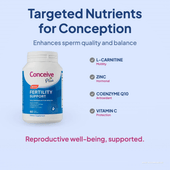
For women navigating PCOS, every step toward hormonal balance matters. Conceive Plus Women's Fertility Support is specifically formulated with myo-inositol, folic acid, vitamin D3, and CoQ10 — key nutrients shown in clinical research to support ovarian function and regular ovulation in women with PCOS. Explore Conceive Plus Women's Fertility Support →
Understanding the PCOS Phenotypes
PCOS is not one-size-fits-all. Four distinct phenotypes exist: Phenotype A (classic — all three criteria), B (irregular ovulation + elevated androgens), C (elevated androgens + polycystic ovaries, regular ovulation), and D (irregular ovulation + polycystic ovaries, normal androgens). Knowing your phenotype helps tailor treatment.
Insulin Resistance — The Hidden Driver
50–90% of women with PCOS have some degree of insulin resistance. Excess insulin stimulates ovarian androgen production, disrupting follicle development and ovulation. A landmark study in the American Journal of Clinical Nutrition found women with PCOS on a low-glycaemic diet for 12 weeks experienced a 67% improvement in menstrual regularity.
Lifestyle Strategies for PCOS Fertility
Blood Sugar Regulation
A low-GI diet rich in non-starchy vegetables, legumes, whole grains, lean protein, and healthy fats improves both metabolic and reproductive outcomes.
Anti-Inflammatory Nutrition
Fatty fish (omega-3s), leafy greens, berries, turmeric, and ginger help reduce systemic inflammation and improve ovarian function.
Targeted Supplementation
- Myo-inositol/D-chiro-inositol (40:1): Improves insulin sensitivity, reduces androgens, restores ovulation
- CoQ10: Supports mitochondrial function in egg cells
- Vitamin D3: 85% of PCOS women are deficient; supplementation improves insulin sensitivity and follicle development
- Methylated folate: Essential for egg quality and early development
- Omega-3s: Reduce inflammation and lower androgens
Medical Treatments
Letrozole is now first-line ovulation induction, superior to clomiphene citrate in live birth rates. Metformin helps when insulin resistance is present. Gonadotropins and IVF are options for treatment-resistant cases. IVF success rates in PCOS are excellent with modern protocols.
The Role of Fertility Lubricants
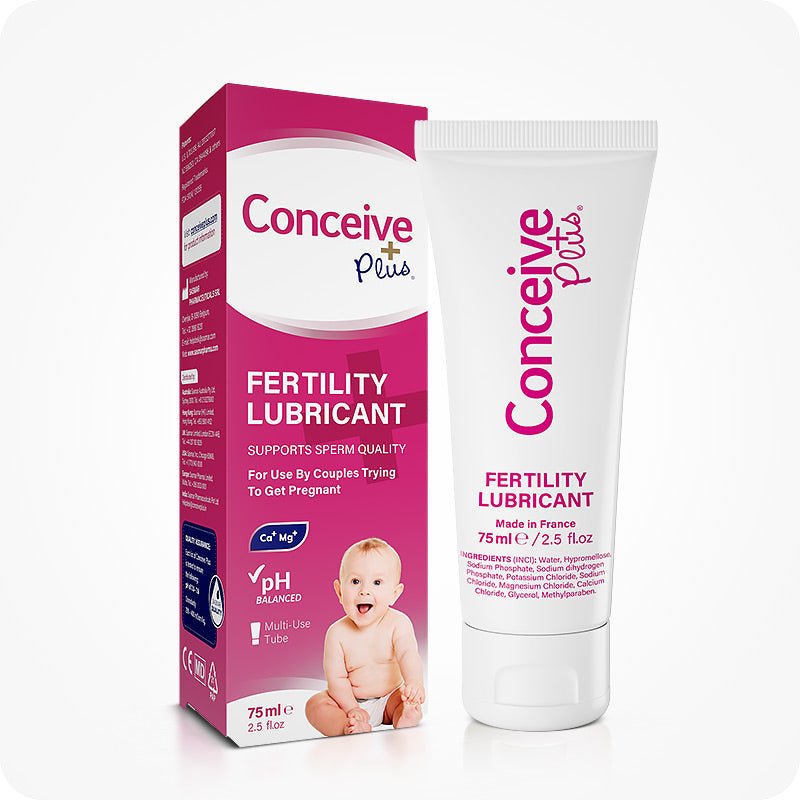
Many women with PCOS have reduced cervical mucus quality. Conceive Plus is pH-balanced and iso-osmotic to match fertile-quality mucus, supporting sperm survival. Unlike regular lubricants, it has been clinically tested as sperm-safe.
Your PCOS Journey — Supported Every Step
Living with PCOS doesn't mean your fertility journey stops here. With the right medical guidance, lifestyle adjustments, and targeted nutritional support, thousands of women with PCOS conceive every year. Conceive Plus supports your journey with science-backed formulations. View the Full Conceive Plus Collection →
Frequently Asked Questions
Can I get pregnant naturally with PCOS?
Yes. Many women conceive naturally, especially with lifestyle modifications that restore ovulatory function.
Does PCOS cause miscarriage?
Slightly elevated risk of early loss. Managing insulin resistance before conception may reduce this risk.
What is the best diet for PCOS?
A low-glycaemic, anti-inflammatory pattern rich in vegetables, lean protein, healthy fats, and complex carbohydrates.
How long to regulate cycles?
3–6 months with consistent lifestyle changes.
Can I do IVF with PCOS?
Absolutely. Success rates are generally good with modern stimulation protocols.
Is PCOS lifelong?
It is chronic, but symptoms change over time and can be effectively managed.
Does PCOS affect egg quality?
Current evidence suggests women with PCOS have good ovarian reserve but possibly some reduction in oocyte competence. CoQ10 and myo-inositol may help.
Should I take metformin?
When insulin resistance is present, metformin can help. Letrozole is first-line for ovulation induction.
Can I use fertility lubricant with PCOS?
Yes. A sperm-safe lubricant is especially helpful for PCOS-related cervical mucus issues.
Final Thoughts
PCOS is challenging but far from a definitive barrier to parenthood. With a comprehensive approach — insulin management, targeted nutrition, supplementation, and modern treatments when needed — the prognosis is excellent.