Red Maca Root: Unveiling an Ancient Marvel
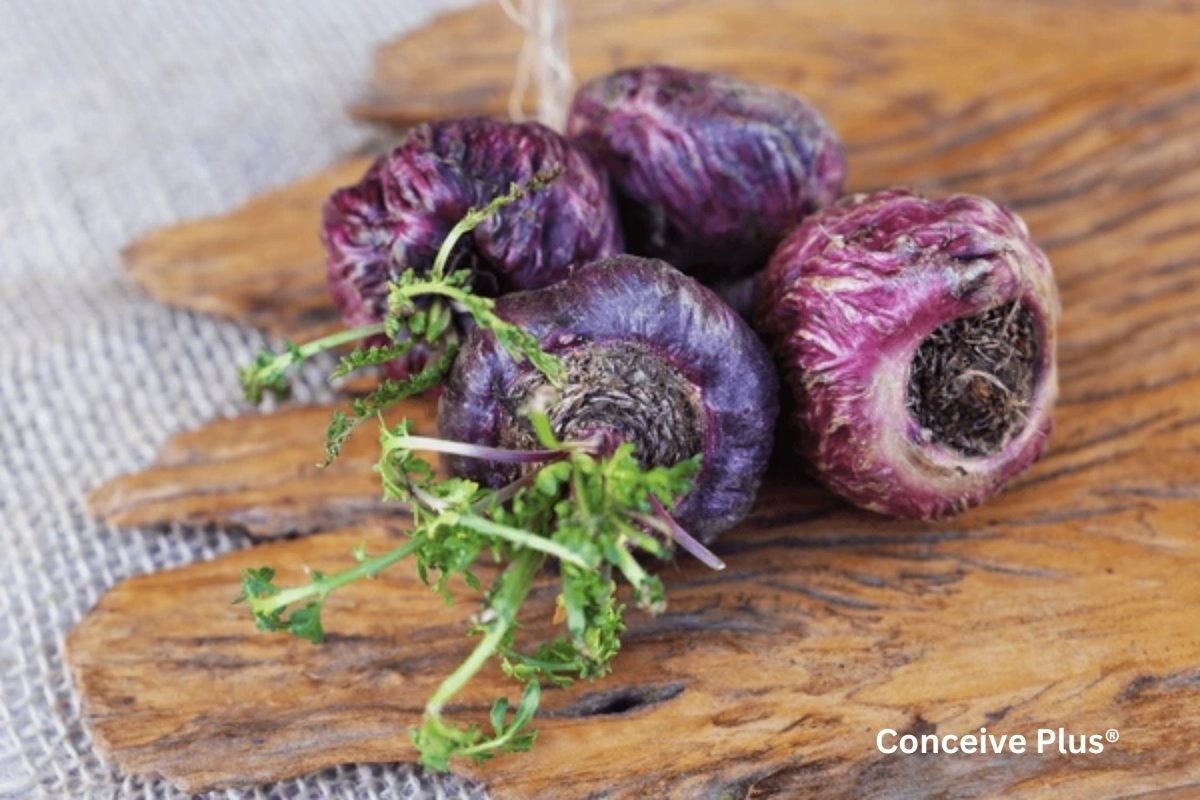

For centuries, communities in the high-altitude Andes region have revered a particular plant for its reputed benefits. Though numerous local herbs have contributed to indigenous healing traditions in South America, one has generated significant modern interest for its potential nutritional and supportive properties. This notable botanical, grown at altitudes exceeding 12,000 feet, belongs to the red maca root family—more specifically, the unique red variety. The broader maca plant species has deep roots in Andean culture, with historical texts suggesting its cultivation dates back over 2,000 years. The surrounding mountainous terrain, characterized by harsh sunlight, strong winds, and dramatic temperature fluctuations, forced vegetation to develop robust defense mechanisms and concentrated nutrient profiles. Among the different maca varieties, the red type is often praised for its distinctive color and potential health properties.
Today, shoppers in health food markets see more products labeled “red” among the broader maca family, prompting questions about what sets this variety apart. Retail shelves may display powdered versions, encapsulated supplements, or blended beverage mixes featuring the scarlet tuber. Scientific findings, local testimonials, and expanded availability have merged to make this root a focal point of alternative health conversations. Despite the rising popularity, sorting fact from assumption is essential. An informed perspective begins with a closer look at its composition and use, helping anyone interested in this root choose wisely and responsibly [1].

Exploring the Nutrient Composition
A key feature of this striking Peruvian root lies in its robust nutrient density. Like other maca varieties, the red type contains carbohydrates, proteins, and dietary fiber, making it a useful addition to meals for those seeking to enrich daily macros. In particular, the proportions of amino acids in maca have drawn attention from nutrition enthusiasts who prioritize balanced protein intake. A full complement of amino acids serves vital functions in muscle tissue upkeep, cognitive support, and enzyme production. Moreover, the root features a range of essential vitamins and minerals, including vitamin C, copper, and iron. Each contributes to normal bodily operations, such as immune defense, oxygen transport, and energy production [2].
Alongside these basic nutrients, the root offers various phytochemicals, including glucosinolates and polyphenols. These compounds may exert antioxidant effects that protect cells from environmental stress. Antioxidants have long been explored in research for their possible role in mitigating damage caused by free radicals, which can result from intense exercise, pollution, or other stressors. Some experts believe that the synergy between red maca’s antioxidants and its other nutrient components could support overall well-being in a more impactful way than isolated nutrients alone.
In addition, certain enthusiasts highlight the plant’s possible adaptogenic qualities. An adaptogen is a term sometimes used to describe substances believed to help the body maintain a stable equilibrium during stressful situations. While these claims are still a subject of ongoing investigation, many consumers who integrate it into daily routines do so with the hope of reaping potential mood- and energy-related benefits. Though direct scientific conclusions remain cautious and call for more data, the preliminary discussions around these effects are spurring even greater interest in the scarlet-hued root.
If you're looking to fine-tune your routine for enhanced male fertility, check out our guide on when is the best time to take maca root to learn how to harness its full benefits.

Hormonal Balance and Possible Benefits
In traditional Peruvian practice, maca varieties were said to help with energy, vitality, and equilibrium. The red type, in particular, has attracted attention from individuals exploring potential support for hormonal well-being, especially related to women’s health. Preliminary scientific findings on this variety point to potential influences on hormone-related processes. Some small-scale investigations have suggested that the red color may hint at unique compounds that could play a role in balancing certain aspects of reproductive health or in moderating common symptoms.
Those who explore red maca root often do so because they hope it might help them manage occasional fluctuations in mood or energy linked to life’s transitions. Although more large-scale research is needed, anecdotal testimonies describe a sense of greater vitality or improved stamina after consistent use. This anecdotal evidence spurs further curiosity, but it is crucial to keep in mind that each person’s physiology and experience can vary significantly. Certain individuals may notice a pronounced difference, while others might not perceive any change at all.

✨ Trying to Conceive?
Our Ovulation & Fertility Bundle combines Myo-Inositol with essential vitamins to support healthy hormone balance and regular ovulation.
Shop Now — $55.00✓ Free shipping on orders over $40 | ✓ Trusted by millions of couples worldwide
Still, this variety’s traditional association with natural hormonal support underscores its special place among botanicals. Due to its rising fame, specialists and holistic practitioners are encouraging more comprehensive clinical studies to verify or clarify these impacts and potential uses. Meanwhile, individuals choosing to incorporate this plant into their lifestyle should do so in an informed manner, possibly consulting qualified professionals if they plan to use it as part of a targeted approach [3].
Bone Health Perspectives
Another noteworthy topic linked to the scarlet tuber is potential bone health. Some proponents of red maca have pointed to preliminary laboratory studies that indicate possible benefits for skeletal well-being, especially in specific age groups or for postmenopausal individuals. Calcium and phosphorus, both of which support healthy bone mass, can be present in moderate amounts in maca. The synergy of these minerals with other bioactive components might offer an avenue for further scientific exploration.
While such possibilities are promising, experts emphasize that any root, herb, or isolated nutrient must be just one part of a broader, well-rounded approach to bone maintenance. Proper posture, strength-building exercise, and a balanced diet rich in vitamins, minerals, and protein are well-known contributors to bone integrity. Before attributing too much importance to any single element, one should consider overall lifestyle habits. A piece of the puzzle, no matter how beneficial, seldom replaces the need for consistency in exercise and a varied, nutrient-rich diet. Therefore, if individuals are interested in exploring red maca root for bone-related reasons, it is vital to combine it with other proven methods of maintaining skeletal strength.

A Look at Culinary and Supplemental Forms
As modern consumers search for diverse ways to include this root in their routines, multiple forms have emerged on the global market. Traditional Peruvian dishes often feature fresh or dried maca in stews, porridges, or as an ingredient in baked goods. However, for many people outside the Andean region, fresh bulbs are less accessible, prompting reliance on processed forms. One of the most popular is red maca powder, which can be easily measured into smoothies or sprinkled over breakfast bowls. This powder typically undergoes a careful drying procedure to preserve its nutritional elements before being ground into a fine texture that blends well with liquids.
Besides powders, another convenient option for those who prefer standardized doses or dislike the taste is red maca root pills. These allow for precise intake throughout the day without the fuss of scooping or mixing. Similarly, red maca root capsules provide comparable flexibility, often appealing to individuals who travel frequently or have minimal preparation time. The capsule form can also assist those who wish to maintain consistent serving sizes, potentially avoiding issues of under- or over-measuring. Because flavors differ widely among individuals, some may enjoy the subtle earthiness of the powder, while others prefer odor-free capsules or pills to mask the root’s taste [4].
Whichever format one chooses, quality control is vital. Consumers should seek reputable sources that conduct laboratory testing for purity, heavy metals, and other potential contaminants. Ensuring that manufacturing processes follow standardized safety and quality guidelines can help maintain the beneficial qualities that made this root famous. Evaluating label information and reading reviews from reliable retailers or third-party testers can further guide individuals toward the best options.
Important Considerations and Precautions
Despite its promising attributes, it is essential to approach any novel supplement or superfood responsibly. Like many natural products, red maca may not be suitable for everyone. People with specific hormone-sensitive conditions or endocrine-related health concerns should consult a qualified healthcare provider before incorporating it into their diet. Though the body of research on maca’s effects has grown, large-scale clinical trials are still relatively limited, leaving certain aspects of its influence on hormone balance or other bodily functions open to further study.
Allergies also deserve consideration, though documented allergies to the maca plant are uncommon. When introducing it for the first time, taking a moderate approach—starting with small amounts and observing any changes—can be prudent. Observing how one’s body responds allows for timely adjustments. Paying attention to signals such as stomach upset, skin reactions, or changes in mood is a good practice with any dietary adjustment. Should any concerning symptoms arise, it is advisable to discontinue use and seek professional guidance as necessary [5].
If you're curious about exploring whether maca boosts libido, consider reading our guide on does maca make you horny and how long it takes to work for more detailed insights.
The Bottom Line
Red maca root has garnered considerable attention for its bold color, nutrient content, and potential to support various aspects of wellness. Though it has a long history in Andean cultures, the global spotlight on this scarlet variety has sparked a desire for deeper understanding and systematic research. Those drawn to this vibrant tuber might do so for potential hormonal balance, bone health support, or general nutritional enrichment. In powder form, it lends itself to smoothies, energy bars, or hot beverages. In pill or capsule formats, it offers convenient serving sizes and portability. Regardless of preference, seeking reputable sources and approaching usage with balanced expectations can enhance a user’s experience.
Ultimately, its journey from the rugged Peruvian mountains to international popularity illustrates the global fascination with nature’s potent offerings. While marketing claims abound, evidence-based guidelines will continue to shape its place in nutrition and integrative health. Used wisely and responsibly, this rooted treasure stands as a testament to the enduring relationship between traditional knowledge and modern scientific inquiry—a connection that may continue to flourish as more discoveries come to light.
References
- Ulloa Del Carpio N, Alvarado-Corella D, Quiñones-Laveriano DM, Araya-Sibaja A, Vega-Baudrit J, Monagas-Juan M, Navarro-Hoyos M, Villar-López M. Exploring the chemical and pharmacological variability of Lepidium meyenii: a comprehensive review of the effects of maca. Front Pharmacol. 2024 Feb 19;15:1360422. doi: 10.3389/fphar.2024.1360422. PMID: 38440178; PMCID: PMC10910417.
- Institute of Medicine (US) Panel on Dietary Antioxidants and Related Compounds. Dietary Reference Intakes for Vitamin C, Vitamin E, Selenium, and Carotenoids. Washington (DC): National Academies Press (US); 2000. 5, Vitamin C. Available from: https://www.ncbi.nlm.nih.gov/books/NBK225480/
- Gonzales-Arimborgo C, Yupanqui I, Montero E, Alarcón-Yaquetto DE, Zevallos-Concha A, Caballero L, Gasco M, Zhao J, Khan IA, Gonzales GF. Acceptability, Safety, and Efficacy of Oral Administration of Extracts of Black or Red Maca (Lepidium meyenii) in Adult Human Subjects: A Randomized, Double-Blind, Placebo-Controlled Study. Pharmaceuticals (Basel). 2016 Aug 18;9(3):49. doi: 10.3390/ph9030049. PMID: 27548190; PMCID: PMC5039502.
- Gonzales GF, Villaorduña L, Gasco M, Rubio J, Gonzales C. Maca (Lepidium meyenii Walp), una revisión sobre sus propiedades biológicas [Maca (Lepidium meyenii Walp), a review of its biological properties]. Rev Peru Med Exp Salud Publica. 2014;31(1):100-10. Spanish. PMID: 24718534.
- Beharry S, Heinrich M. Is the hype around the reproductive health claims of maca (Lepidium meyenii Walp.) justified? J Ethnopharmacol. 2018 Jan 30;211:126-170. doi: 10.1016/j.jep.2017.08.003. Epub 2017 Aug 12. PMID: 28811221.
🌱 Support Your Fertility Journey
Conceive Plus fertility supplements are clinically formulated to help regulate your cycle and support egg quality.
Shop Fertility Support →Frequently Asked Questions
Recommended by Fertility Experts
Conceive Plus Men's Fertility Support
Designed to support healthy sperm production, motility, and overall male reproductive health with clinically studied nutrients.
Shop Now →Q: What is red maca?
A: Red maca is a nutrient-dense root vegetable native to the high-altitude Andes Mountains of Peru, grown at elevations exceeding 12,000 feet above sea level. Unlike its yellow and black counterparts, the red variety contains unique phytonutrients and has been cultivated for over 2,000 years in indigenous South American communities. Red maca belongs to the Brassicaceae family and is rich in vitamins, minerals, amino acids, and plant compounds that have attracted modern scientific interest. The root is typically consumed as a powder supplement in the United States and is often included in formulations designed to support reproductive wellness, including products like Conceive Plus.
Q: What is red maca good for?
A: Red maca has been traditionally used to support energy, stamina, and reproductive health, with several modern studies exploring its potential benefits for fertility-related concerns. Research suggests that maca may support healthy hormone balance and sexual function in both men and women, making it a popular ingredient in fertility supplement regimens recommended by reproductive health practitioners. The root's nutrient profile—including arginine, zinc, and B vitamins—supports overall reproductive system health and vitality. While the American Society for Reproductive Medicine (ASRM) emphasizes that supplements should complement, not replace, medical fertility treatments, many couples incorporate red maca as part of a comprehensive wellness approach alongside other fertility-supporting nutrients found in products like Conceive Plus.
Q: Is red maca safe for fertility?
A: Red maca is generally recognized as safe for most adults when consumed in typical supplement doses, with no major safety concerns reported in U.S. fertility wellness communities. The root has a long history of safe use in Peru and other Andean regions, and modern clinical studies have not identified significant adverse effects in individuals using it for reproductive support. However, individuals with thyroid conditions, hormone-sensitive cancers, or those taking blood thinners should consult their healthcare provider before beginning any new supplement regimen. As with all fertility supplements, it's important to choose products from reputable manufacturers that follow FDA guidelines for dietary supplements, ensuring quality and purity standards comparable to those maintained by established brands like Conceive Plus.
Q: Does red maca improve egg quality?
A: While red maca contains antioxidants and nutrients that theoretically support reproductive health, direct clinical evidence specifically linking maca consumption to improved egg quality remains limited in peer-reviewed U.S. medical literature. Some smaller studies suggest that maca's nutrient density—particularly its antioxidant content—may support cellular health, though larger, more rigorous clinical trials are needed to establish definitive benefits for ovarian function. Red maca is best viewed as one component of a comprehensive fertility wellness strategy that includes proper nutrition, stress management, and medical care as recommended by reproductive endocrinologists. Many fertility specialists suggest combining traditional botanical supplements like red maca with evidence-based nutritional formulations such as Conceive Plus, which contains clinically-studied ingredients specifically designed to support reproductive health.
Q: How long does it take red maca to work for fertility?
A: Most nutritional supplements, including red maca, require consistent use over several weeks to months to potentially demonstrate benefits, as they work with the body's natural biological cycles rather than providing immediate effects. For reproductive health specifically, many practitioners recommend a minimum of 2-3 months of regular supplementation to allow for meaningful changes, since fertility-related improvements are often tied to hormonal cycles and gamete development. Individual results vary significantly based on factors such as baseline health, age, diet, stress levels, and overall lifestyle—variables that U.S. fertility specialists routinely assess when counseling patients on supplement timelines. To optimize results, fertility experts often recommend combining red maca with other science-backed ingredients in formulations like Conceive Plus, which provides multiple synergistic nutrients designed to support reproductive wellness over time.
Trusted by Couples in Over 70 Countries
Support Male Fertility From the Inside Out
Male fertility is just as important as female fertility in the conception journey. Conceive Plus Men's range delivers targeted nutritional support to promote healthy sperm and overall reproductive wellbeing.
Shop Men's Range →