Understanding Reproductive Glands and Their Role in Fertility
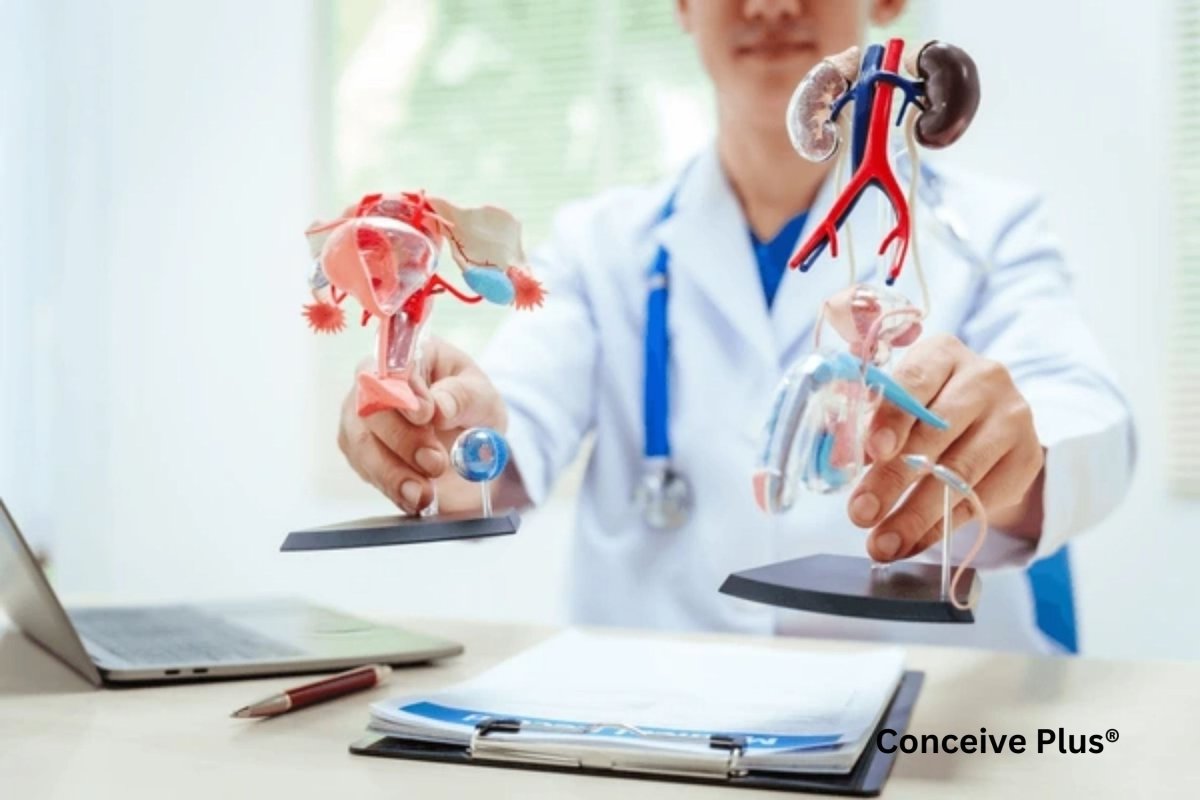

Reproductive glands are absolute key to fertility. They’re the body’s primary source of reproductive cells—eggs in women and sperm in men—as well as the hormones that keep the reproductive system running. Without these glands working well, the chances of conception go way down. In women, it’s the ovaries; in men, it’s the testes. For those trying to conceive, knowing how these glands function can be a game-changer.

The Ovaries: Women’s Reproductive Glands
In women, reproductive glands refer to the ovaries. Positioned on each side of the uterus, the ovaries are in charge of two major jobs. They produce eggs, essential for conception, and they also release hormones like estrogen and progesterone. Estrogen helps regulate the menstrual cycle, and progesterone gets the uterine lining ready to support a fertilized egg [1]. These hormones play big roles in overall reproductive health.
Good nutrition can make a real difference here. Folic acid and vitamin D are two nutrients that help support ovarian health. Folic acid promotes healthy cell growth and supports balanced hormone levels, while vitamin D helps with hormone regulation and even bone health, which matters for reproductive wellness too [2].
Top Tip: Adding folic acid and vitamin D to your diet may give your body’s reproductive system a boost, creating a healthier environment for conception.
The Male Gonads Are Called the Testes
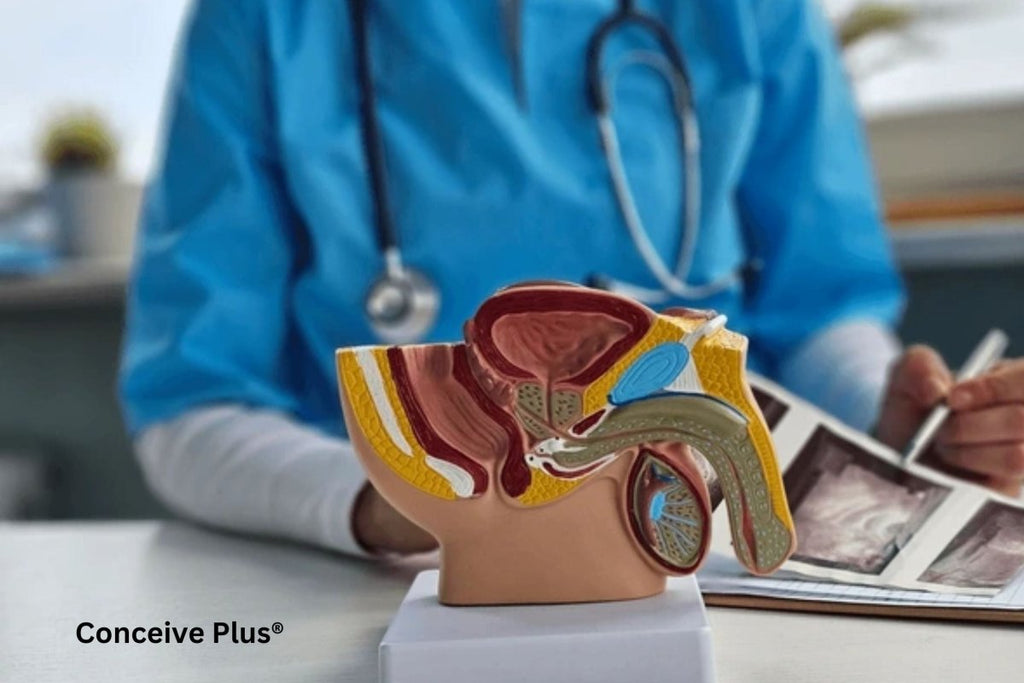
In men, the male gonads are called testes. And what is the male gonad exactly? It’s the testicle, an essential part of male reproductive health. The testes are housed in the scrotum, where they produce sperm and release testosterone, the hormone responsible for sperm production and male traits like muscle mass, body hair, and energy levels. Testosterone is vital for fertility, as it supports the production and quality of sperm [3].
Nutrients like zinc and L-carnitine can help improve sperm health. Zinc plays a big role in maintaining testosterone levels, while L-carnitine supports sperm motility, helping the testes perform their reproductive roles effectively [4].
Top Tip: Men looking to improve sperm quality might want to try adding zinc and L-carnitine to their routine. These can be great for boosting overall fertility.
What is the Primary Function of the Reproductive System?
So, what is the primary function of the reproductive system? The primary function is simple: to create, store, and transport reproductive cells. In men, it’s all about sperm production, while in women, it’s about egg production. When these cells come together, fertilization can happen, and conception becomes possible. Both male and female gonads are responsible for producing these cells and releasing the hormones needed to support a healthy reproductive process [5].
Iron and selenium are also essential here. Iron is necessary for good blood flow, which keeps reproductive cells healthy, and selenium acts as an antioxidant, protecting both eggs and sperm from damage [6].
Top Tip: Don’t forget about iron and selenium. They’re small but mighty for reproductive health, supporting the cells and glands needed for conception.

Gonads Include the Testes and Ovaries
The gonads include the testes in men and the ovaries in women. These are the main reproductive organs, responsible for creating both reproductive cells and the hormones needed to support the reproductive system.

✨ Support Healthy Sperm
Our Motility Support supplement contains Zinc, CoQ10, and L-Carnitine — clinically studied nutrients for sperm health and motility.
Shop Now — $34.95✓ Free shipping on orders over $40 | ✓ Trusted by millions of couples worldwide
In women, the ovaries produce estrogen and progesterone, which are essential for regulating the menstrual cycle and preparing the body for pregnancy. Understanding the anatomy of a pregnant woman is essential when considering how the reproductive system adapts throughout pregnancy, especially in terms of hormonal shifts and physical changes.
For men, the testes produce testosterone, which is needed for sperm production and male reproductive health [7]. Understanding male body anatomy is crucial, especially when considering the function of the testes and scrotum in sperm production and overall reproductive health.
Supporting these hormones reproductive system is essential for both partners. Vitamins like B complex and E are really helpful here. Vitamin B6 helps regulate hormone levels, while Vitamin E serves as an antioxidant, protecting reproductive cells from oxidative stress [8].
Top Tip: Including B vitamins and Vitamin E in your diet can help balance hormone levels and protect reproductive health, which is a win for anyone trying to conceive.
Hormones of the Reproductive System and Fertility
The hormones of the reproductive system include testosterone, estrogen, and progesterone—all crucial for fertility. In women, estrogen and progesterone help regulate the menstrual cycle and prepare the body for pregnancy. In men, testosterone supports sperm production and sexual health. These hormones are regulated by the hypothalamus and pituitary gland in the brain, which send signals to the gonads to keep the body’s reproductive system on track [9].
Adding iodine and magnesium can be beneficial for keeping these hormone levels steady. Iodine is important for thyroid health, which has an indirect effect on hormone balance, and magnesium helps with stress management, which can make a difference in hormonal balance [10].
Top Tip: To support hormone health, try adding iodine and magnesium to your diet, which can be especially helpful if you’re focusing on fertility.

The Bottom Line
Healthy reproductive glands are essential for anyone wanting to conceive. By focusing on balanced nutrition, managing stress, and supporting hormone health, you can help your body prepare for pregnancy. Conceive Plus offers a range of supplements that include fertility-supporting nutrients, making it easier for couples to support their reproductive health and navigate the path to parenthood.
FAQs
What are reproductive glands?
Reproductive glands are organs like ovaries and testes that produce eggs and sperm, as well as hormones essential for fertility.
Why are the male gonads called testes?
The male gonads are called testes. They’re responsible for making sperm and testosterone, which are key to male reproductive health.
What is the primary function of the reproductive system?
The primary function of the reproductive system is to produce, store, and transport reproductive cells needed for conception.
What nutrients support reproductive health?
Nutrients like folic acid, zinc, and omega-3 fatty acids all support reproductive health and help improve conditions for fertility.
What is male gonads and their role?
What is male gonads refers to the testes, which produce sperm and testosterone, both crucial for male fertility and reproductive health.
Citations
- Skarzynski, D. J., Ferreira-Dias, G., & Okuda, K. (2008). Regulation of luteal function and corpus luteum regression in cows: hormonal control, immune mechanisms and intercellular communication. Reproduction in domestic animals = Zuchthygiene. Available at: https://pubmed.ncbi.nlm.nih.gov/18638105/
- Holick M. F. (2007). Vitamin D deficiency. The New England journal of medicine. Available at: https://pubmed.ncbi.nlm.nih.gov/17634462/
- Ohlander, S. J., Lindgren, M. C., & Lipshultz, L. I. (2016). Testosterone and Male Infertility. The Urologic clinics of North America. Available at: https://pubmed.ncbi.nlm.nih.gov/27132576/
- Lenzi, A., Lombardo, F., Sgrò, P., Salacone, P., Caponecchia, L., Dondero, F., & Gandini, L. (2003). Use of carnitine therapy in selected cases of male factor infertility: a double-blind crossover trial. Fertility and sterility. Available at: https://pubmed.ncbi.nlm.nih.gov/12568837/
- Valeggia, C., & Ellison, P. T. (2009). Interactions between metabolic and reproductive functions in the resumption of postpartum fecundity. American journal of human biology : the official journal of the Human Biology Council. Available at: https://pmc.ncbi.nlm.nih.gov/articles/PMC3305908/
- Barbieri R. L. (2014). The endocrinology of the menstrual cycle. Methods in molecular biology (Clifton, N.J.). Available at: https://pubmed.ncbi.nlm.nih.gov/24782009/
- Rochira V, Carani C. Estrogens, Male Reproduction and Beyond. [Updated 2023 Mar 21]. In: Feingold KR, Anawalt B, Blackman MR, et al., editors. Endotext [Internet]. South Dartmouth (MA): MDText.com. Available at: https://www.ncbi.nlm.nih.gov/books/NBK278933/
- Traber, M. G., & Stevens, J. F. (2011). Vitamins C and E: beneficial effects from a mechanistic perspective. Free radical biology & medicine. Available at: https://pubmed.ncbi.nlm.nih.gov/21664268/
- Klein CE. The Hypothalamic-Pituitary-Gonadal Axis. In: Kufe DW, Pollock RE, Weichselbaum RR, et al., editors. Holland-Frei Cancer Medicine. 6th edition. Hamilton (ON): BC Decker. Available at: https://www.ncbi.nlm.nih.gov/books/NBK13386/
- Song, Y., Ridker, P. M., Manson, J. E., Cook, N. R., Buring, J. E., & Liu, S. (2005). Magnesium intake, C-reactive protein, and the prevalence of metabolic syndrome in middle-aged and older U.S. women. Diabetes care. Available at: https://pubmed.ncbi.nlm.nih.gov/15920065/
🌱 Boost Male Fertility Naturally
Conceive Plus Men's Motility Support is formulated with the nutrients that matter most for sperm quality, count, and motility.
Shop Men's Fertility →Frequently Asked Questions
Recommended by Fertility Experts
Conceive Plus Men's Fertility Support
Designed to support healthy sperm production, motility, and overall male reproductive health with clinically studied nutrients.
Shop Now →Q: What gonads include the reproductive system?
A: Gonads are the primary reproductive glands that include the ovaries in women and the testes in men. These organs are responsible for producing gametes—eggs (ova) in females and sperm in males—which are essential for conception. According to the American Society for Reproductive Medicine (ASRM), healthy gonadal function is critical for fertility, as these glands also produce the hormones testosterone, estrogen, and progesterone that regulate the entire reproductive cycle. Without properly functioning gonads, natural conception becomes significantly more challenging, which is why maintaining gonadal health through proper nutrition, supplementation, and lifestyle choices is important for those trying to conceive.
Q: What are gamete producing glands and why do they matter for fertility?
A: Gamete-producing glands—the ovaries and testes—are responsible for creating the reproductive cells needed for conception. In women, the ovaries produce approximately 400,000 eggs over a lifetime, releasing roughly one mature egg during each menstrual cycle, while in men, the testes produce millions of sperm daily. The quality and quantity of gametes directly impact fertility success rates; studies show that egg and sperm quality decline with age and poor health habits. Supporting these glands through adequate micronutrient intake, including antioxidants and amino acids found in fertility supplements like Conceive Plus, can help optimize gamete production and overall reproductive health.
Q: Which glands produce the egg cells and hormones in women?
A: The ovaries are the female reproductive glands responsible for producing both egg cells and the hormones that regulate reproduction. Each ovary releases a mature egg during ovulation, typically occurring around day 14 of a 28-day menstrual cycle, while continuously producing estrogen and progesterone to support fertility and pregnancy. These hormones not only prepare the uterus for implantation but also regulate secondary sexual characteristics and bone health. For women trying to conceive, ensuring optimal ovarian function through healthy lifestyle practices and proper nutritional support is essential for successful conception and pregnancy outcomes.
Q: How do reproductive glands affect fertility and conception?
A: Reproductive glands are fundamental to fertility because they produce both the gametes needed for fertilization and the hormones that create optimal conditions for conception. According to the CDC, approximately 12% of women of reproductive age in the US experience fertility issues, many of which relate to gonadal dysfunction such as irregular ovulation or low hormone production. When reproductive glands function properly, they maintain regular ovulation cycles in women and consistent sperm production in men, significantly improving the chances of successful fertilization. Supporting gonadal health through proper nutrition, stress management, and supplementation with evidence-based fertility products can help optimize reproductive function and increase conception rates.
Q: What is the difference between reproductive and gonadal health?
A: Reproductive health encompasses the overall function of the entire reproductive system—including the uterus, fallopian tubes, prostate, and seminal vesicles—while gonadal health specifically refers to the functioning of the gonads (ovaries and testes) that produce gametes and hormones. Gonadal health is a critical component of reproductive health, as the hormones and cells produced by the gonads directly influence the function of all other reproductive organs. The ASRM emphasizes that optimizing gonadal health is foundational for fertility, as dysfunction in the ovaries or testes can compromise the entire reproductive system's ability to support conception. Both aspects must work together for successful fertility, making comprehensive reproductive wellness—including targeted nutritional support—essential for those seeking to conceive.
Trusted by Couples in Over 70 Countries
Support Male Fertility From the Inside Out
Male fertility is just as important as female fertility in the conception journey. Conceive Plus Men's range delivers targeted nutritional support to promote healthy sperm and overall reproductive wellbeing.
Shop Men's Range →