Secondary Infertility: Why Conceiving Again Can Be Harder Than You Think


Secondary Infertility: Why Conceiving Again Can Be Harder Than You Think
You already have a child. Maybe the pregnancy came easily the first time, or maybe it took some effort — but it happened. Now you're trying again, and months have passed. Nothing. It's a situation that can feel isolating and confusing, partly because it's rarely talked about. Friends and family may assume that because you've been pregnant before, getting pregnant again should be straightforward. But secondary infertility is very real, remarkably common, and can be just as emotionally and physically complex as primary infertility.
In the United States, secondary infertility affects approximately 11% of couples who already have at least one child, according to the Centers for Disease Control and Prevention (CDC). That's roughly 3 million women in the US alone struggling to conceive after a previous successful pregnancy. Despite these numbers, it remains one of the least-discussed forms of infertility — leaving many couples to navigate the experience largely on their own.
This article breaks down everything you need to know about secondary infertility: what causes it, how it's diagnosed, what treatment options are available, and how you can support your reproductive health during the process.
What Is Secondary Infertility?
Secondary infertility is defined as the inability to conceive or carry a pregnancy to term after previously giving birth to a child. Clinically, it is typically diagnosed when a couple has been trying to conceive for 12 months without success if the woman is under 35, or 6 months if she is 35 or older. If you've experienced two or more miscarriages after a previous live birth, that may also fall under the broader secondary infertility umbrella.
It's worth distinguishing secondary infertility from simply needing more time. Fertility naturally fluctuates from cycle to cycle, and conception doesn't always happen on the first try — even for people with no underlying issues. However, if you've been actively trying within the timeframes above and haven't conceived, it's worth seeking a professional evaluation.
One of the most pervasive misconceptions about secondary infertility is that it must be less serious than primary infertility because a pregnancy has already occurred. In reality, the physiological causes are often identical, and the emotional toll can be compounded by guilt, confusion, and a lack of social recognition for the struggle.
Common Causes of Secondary Infertility
Supporting Your Fertility Journey
Conceive Plus Women's Fertility Support provides essential nutrients including folate, CoQ10, and zinc to support reproductive health during every phase of your trying-to-conceive journey.
Explore Women's Fertility Support →Secondary infertility can stem from issues affecting either partner, and in some cases, multiple overlapping factors. Understanding the most common causes is the first step toward finding answers.
Age-Related Decline in Fertility
This is the single most common contributor to secondary infertility. Female fertility begins a gradual decline in the mid-30s, accelerating after 37. Between a first and second pregnancy, even a few years can make a significant difference in egg quality, ovarian reserve, and hormonal function. The American Society for Reproductive Medicine (ASRM) notes that by age 40, a woman's chance of conceiving per cycle is approximately 5%, compared to around 20% in her late 20s.
For men, age-related changes in sperm quality — including reduced motility and increased DNA fragmentation — can also develop in the time between pregnancies.
Changes in Uterine or Pelvic Health
Previous pregnancies, deliveries, or surgical procedures can introduce new structural changes in the uterus or fallopian tubes. These include:
- Uterine fibroids: Non-cancerous growths that can distort the uterine cavity and interfere with implantation.
- Asherman's syndrome: Intrauterine adhesions (scar tissue) that can develop following a dilation and curettage (D&C), cesarean section, or other uterine procedure. It's estimated to affect up to 20% of women who've had a D&C.
- Endometrial polyps: Small growths on the inner uterine lining that may interfere with embryo implantation.
- Fallopian tube damage: Pelvic infections, including sexually transmitted infections, or complications from a previous delivery can cause scarring or blockage in the fallopian tubes.
Hormonal Imbalances
Hormonal shifts can emerge or worsen over time. Conditions like polycystic ovary syndrome (PCOS), thyroid disorders, elevated prolactin levels, or diminished ovarian reserve can all affect ovulation — the essential first step toward conception. A study published in the Journal of Clinical Endocrinology & Metabolism found that thyroid antibodies were present in a significant proportion of women with unexplained infertility, highlighting how subtle hormonal issues can fly under the radar.
Endometriosis
Endometriosis — a condition where tissue similar to the uterine lining grows outside the uterus — can develop or progress between pregnancies. It affects approximately 10% of women of reproductive age in the US, according to the Endometriosis Foundation of America. Inflammation, adhesions, and ovarian cysts caused by endometriosis can significantly reduce fertility potential.
Male Factor Infertility
Secondary infertility is not purely a female issue. Studies suggest that male factor infertility contributes to around 40-50% of all infertility cases. In the time between pregnancies, men may experience declines in sperm count, motility, or morphology due to age, lifestyle factors, occupational exposures, or new health conditions. Varicocele — enlarged veins in the scrotum that can impair sperm production — is one of the most common treatable causes of male infertility.
Weight and Lifestyle Changes
Significant weight gain or loss since the first pregnancy can disrupt hormonal balance. Body weight influences estrogen production, ovulation regularity, and overall reproductive function in women. For men, obesity is associated with lower testosterone and reduced sperm quality. Changes in diet, exercise habits, stress levels, and sleep patterns can all impact fertility in both partners.
Unexplained Infertility
In approximately 15-25% of cases, no clear cause is identified even after thorough testing. This can be one of the most frustrating diagnoses, but it doesn't mean treatment options are exhausted. Many couples with unexplained secondary infertility go on to conceive with lifestyle interventions, fertility-supportive supplementation, or medical assistance.
The Emotional Impact of Secondary Infertility
The emotional experience of secondary infertility is often misunderstood and minimized — even by well-meaning loved ones. Couples are sometimes told things like, "At least you have one," or "Be grateful for what you have." While these comments are not intended to harm, they can feel deeply invalidating.
Research published in the Journal of Obstetrics and Gynaecology Canada found that women with secondary infertility reported levels of psychological distress comparable to those with primary infertility — including anxiety, depression, grief, and relationship strain. Guilt is particularly common: guilt for wanting another child, guilt that the struggle seems ungrateful given existing parenthood, and guilt if the desire for a second child feels like it's affecting the first.
It's important to recognize that these feelings are valid and normal. The desire to expand your family doesn't diminish appreciation for the child you already have. If you're struggling emotionally, consider connecting with a counselor who specializes in fertility-related issues, or joining a secondary infertility support group. Organizations like RESOLVE: The National Infertility Association offer resources specifically for this experience.
How Secondary Infertility Is Diagnosed
Diagnosis typically involves a thorough evaluation of both partners. Here's what to expect when you consult a fertility specialist:
For Women:
- Medical history review: Previous pregnancies, deliveries, surgeries, miscarriages, and menstrual history.
- Hormone panel: FSH, LH, estradiol, AMH (anti-Müllerian hormone, a key marker of ovarian reserve), prolactin, TSH.
- Transvaginal ultrasound: To assess ovarian reserve (antral follicle count), uterine structure, and potential fibroids or cysts.
- Hysterosalpingography (HSG): An X-ray procedure to evaluate the fallopian tubes and uterine cavity for blockages or abnormalities.
- Hysteroscopy or laparoscopy: If structural issues are suspected, a specialist may recommend direct visualization of the uterus or pelvic cavity.
For Men:
- Semen analysis: Evaluates sperm count, motility, morphology, and volume.
- Hormone testing: Testosterone, FSH, LH, prolactin.
- Scrotal ultrasound: If varicocele or other structural issues are suspected.
- Sperm DNA fragmentation test: Increasingly used when standard semen analysis is normal but conception is failing.
Don't wait too long to seek evaluation. If you are 35 or older, the ASRM recommends consulting a specialist after just six months of trying. Earlier intervention can make a meaningful difference in outcomes.
Treatment Options for Secondary Infertility
Treatment depends heavily on the underlying cause. Fortunately, there are many effective options.
Lifestyle and Nutritional Support
Before moving to medical interventions, optimizing both partners' health is an important and often underestimated step. Research shows that nutritional status, body weight, and lifestyle factors have measurable effects on fertility outcomes.
Key areas to focus on include:
- Folate and folic acid: Adequate folate intake is critical for early embryo development and reducing the risk of neural tube defects. Women trying to conceive should aim for at least 400–800 mcg of folic acid daily.
- Antioxidants: CoQ10, vitamin E, and vitamin C help protect egg and sperm cells from oxidative stress damage.
- Zinc and selenium: Both are involved in hormone regulation and sperm production.
- Omega-3 fatty acids: Support healthy uterine lining and sperm membrane integrity.
- Vitamin D: Deficiency is linked to reduced fertility in both men and women.
A comprehensive prenatal and fertility supplement can help fill nutritional gaps during the trying-to-conceive phase. Conceive Plus Women's Fertility Support is formulated with folate, CoQ10, zinc, and other evidence-based nutrients designed to support reproductive health. For men, Conceive Plus Men's Fertility Support provides key nutrients including zinc, selenium, and CoQ10 to support sperm quality.
Maintaining a healthy weight, reducing alcohol and caffeine consumption, quitting smoking, and managing chronic stress through exercise, mindfulness, or therapy can all contribute to improved fertility outcomes.
Ovulation Induction
If irregular ovulation is identified, medications like clomiphene citrate (Clomid) or letrozole may be prescribed to stimulate the ovaries to release eggs more reliably. These are often combined with timed intercourse or intrauterine insemination (IUI).
Intrauterine Insemination (IUI)
IUI involves placing washed sperm directly into the uterus during the fertile window, bypassing the cervix and increasing the number of sperm available to reach the egg. It is often a first-line assisted reproductive treatment, especially when sperm motility is a factor or when the cause of infertility is unexplained.
In Vitro Fertilization (IVF)
IVF involves stimulating the ovaries to produce multiple eggs, retrieving them, fertilizing them in a laboratory, and transferring one or more resulting embryos back to the uterus. IVF success rates have improved significantly in recent years. According to the Society for Assisted Reproductive Technology (SART), the average live birth rate per IVF cycle for women under 35 using their own eggs is approximately 40-50%.
IVF may be recommended when other treatments haven't worked, when both fallopian tubes are blocked, when ovarian reserve is low, or when male factor infertility is severe.
Surgical Treatment
Surgical procedures may be used to remove fibroids, polyps, or uterine adhesions; repair blocked fallopian tubes; treat endometriosis; or correct varicocele in men. Outcomes vary depending on the severity of the condition and the individual's overall fertility status.
Donor Options
In cases where egg or sperm quality is severely compromised, donor eggs, donor sperm, or embryo donation may be discussed. While emotionally complex, these options offer high success rates and have helped many families grow.
How to Support Your Fertility Naturally While Trying to Conceive
While medical evaluation and treatment are important, there is a great deal you can do on a daily basis to support your reproductive health. These aren't just placebo effects — many have legitimate evidence behind them.
Track Your Cycle
Even if your cycles seemed regular before, secondary infertility can sometimes involve subtle shifts in ovulation timing. Using ovulation predictor kits (OPKs), basal body temperature (BBT) charting, or fertility-tracking apps can help you identify your most fertile window with greater accuracy. Apps like Clue, Ovia, or Natural Cycles are popular choices with large user bases and improving algorithmic accuracy.
Reduce Oxidative Stress
Oxidative stress — caused by an imbalance between free radicals and antioxidants in the body — can damage DNA in both eggs and sperm. A diet rich in colorful fruits and vegetables, nuts, and whole grains helps counteract this. Supplementing with antioxidants like CoQ10 and vitamin C can provide additional support. Some research suggests CoQ10 supplementation may improve ovarian response in women with diminished ovarian reserve.
Support Sperm Health
Male fertility deserves equal attention. Sperm health can decline due to heat exposure (laptops, hot tubs, tight underwear), certain medications, anabolic steroids, heavy alcohol use, and nutritional deficiencies. Encouraging your partner to take a targeted men's fertility supplement — such as Conceive Plus Men's Motility Support with CoQ10 and zinc — and to adopt healthy lifestyle habits can meaningfully improve outcomes.
Manage Stress
Chronic stress elevates cortisol, which can interfere with the hormones that regulate ovulation. While stress alone is unlikely to cause infertility, managing it effectively supports overall hormonal health. Consider regular moderate exercise (not excessive endurance training, which can disrupt cycles), adequate sleep (7-9 hours per night), mindfulness practices, and social support.
Time Intercourse Strategically
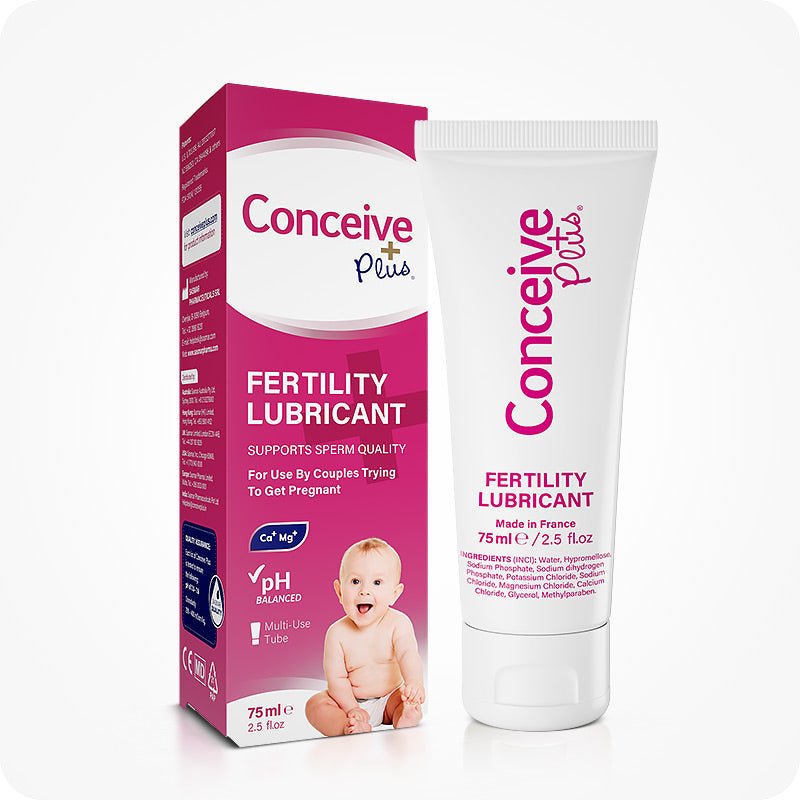
The fertile window is typically the five days before ovulation plus the day of ovulation — a total of six days, with peak fertility in the 24-48 hours before ovulation. Using a fertility-friendly lubricant like Conceive Plus Fertility Lubricant during this window can help maintain a sperm-friendly environment, as many standard lubricants can impair sperm motility.
When to Seek Help and What to Expect
If you've been trying to conceive for 12 months (or 6 months if you're 35+), it's time to seek a reproductive evaluation. Start with your OB/GYN or primary care provider, who can order initial blood work and refer you to a reproductive endocrinologist (RE) if needed.
When you first visit a fertility clinic, expect a thorough intake process. Both partners will typically be evaluated. Be prepared to discuss your full medical history, previous pregnancies, any procedures you've had, current medications, and lifestyle habits. The more complete the picture, the more targeted your treatment plan can be.
It's also reasonable to seek a second opinion if you're not getting answers or progress. Fertility medicine is a rapidly evolving field, and different clinics may have different approaches, technologies, and success rates.
Insurance coverage for fertility treatments in the US varies significantly. As of 2024, 19 states have laws mandating some form of infertility insurance coverage, with varying requirements. The American Infertility Association and RESOLVE maintain updated state-by-state coverage guides that can help you understand your benefits.
Secondary Infertility After Specific Situations
After a C-Section
Cesarean delivery can sometimes lead to uterine scar tissue or a condition called isthmocele (a niche or defect in the cesarean scar), which may impair implantation or lead to irregular bleeding. If you've had a C-section and are experiencing difficulty conceiving, mention it specifically to your specialist so they can evaluate the uterine scar.
After a Pregnancy Loss
Miscarriage is heartbreaking under any circumstances. If you experienced a pregnancy loss between pregnancies and are now having difficulty conceiving again, be sure to discuss this history with your provider. D&C procedures following miscarriage can rarely cause Asherman's syndrome, and recurrent pregnancy loss may indicate immunological or coagulation issues worth investigating.
After Breastfeeding
Breastfeeding suppresses ovulation through the hormone prolactin. If you were breastfeeding until recently, your cycles may take several months to fully regularize. This is a normal physiological process and typically resolves on its own, though it can add to the overall timeline of when you're actually able to try conceiving.
Frequently Asked Questions About Secondary Infertility
How common is secondary infertility?
Secondary infertility affects approximately 11% of couples who already have one or more children in the United States. The CDC estimates that around 3 million women aged 15-44 in the US experience secondary infertility. Despite how common it is, awareness and public conversation around it remains limited.
Can secondary infertility just resolve on its own?
Sometimes, yes — especially in younger women where timing and stress may be contributing factors. However, waiting too long to seek evaluation can reduce treatment options, particularly as age affects egg quality. If you meet the diagnostic criteria (12 months of trying under 35, or 6 months if 35+), seeking evaluation is recommended rather than waiting indefinitely.
Is secondary infertility more of a "woman's issue"?
No. Male factor infertility contributes to approximately 40-50% of all infertility cases, and secondary infertility is no different. Sperm quality can decline over time due to age, lifestyle changes, or new health conditions. Both partners should be evaluated simultaneously for the most accurate picture.
Can stress cause secondary infertility?
Stress alone is unlikely to be a direct cause of secondary infertility. However, chronic stress can disrupt the hypothalamic-pituitary-gonadal axis, affecting ovulation regularity and hormonal balance. Managing stress effectively supports overall reproductive health, even if it isn't the root cause of infertility.
How does age affect secondary infertility?
Age is one of the most significant factors in secondary infertility. Egg quantity and quality decline naturally starting in the mid-30s and more sharply after 37. If several years have passed between pregnancies, age-related changes in ovarian reserve may be a contributing factor. AMH testing can provide a snapshot of current ovarian reserve.
What fertility treatments are available for secondary infertility?
Treatment options include lifestyle and nutritional interventions, ovulation induction medications, intrauterine insemination (IUI), in vitro fertilization (IVF), and surgical procedures to address structural issues like fibroids, polyps, or blocked tubes. The appropriate treatment depends on the identified cause and the ages of both partners.
Is IVF a guaranteed solution for secondary infertility?
IVF offers high success rates, particularly for younger women, but it is not a guarantee. Success rates depend on age, egg quality, sperm quality, embryo quality, and uterine receptivity. According to SART data, average live birth rates per IVF cycle range from around 40-50% for women under 35 to around 5-10% for women over 42 using their own eggs.
What role does nutrition play in secondary infertility?
Nutrition plays a meaningful supporting role. Adequate folate intake is essential for early embryo development. Antioxidants like CoQ10, vitamin C, and vitamin E help protect egg and sperm from oxidative damage. Zinc and selenium support hormonal balance and sperm production. Vitamin D deficiency has been linked to reduced fertility. A targeted fertility supplement can help ensure you're meeting nutritional needs specific to the preconception phase.
Should both partners be tested at the same time?
Yes. Testing both partners simultaneously is the most efficient approach. Given that male factor issues contribute to roughly half of all infertility cases, evaluating only the female partner can lead to delayed diagnosis and treatment. A semen analysis is a straightforward, non-invasive first step for men.
Where can I find support for secondary infertility?
RESOLVE: The National Infertility Association (resolve.org) offers resources, local support groups, and peer-led networks specifically for those experiencing secondary infertility. Online communities on platforms like Reddit (r/secondaryinfertility), Facebook groups, and fertility-focused forums can also provide valuable emotional connection and shared experiences.
Moving Forward With Hope
Secondary infertility is real, complex, and more common than most people realize. But it is also one of the most treatable forms of infertility. With a thorough evaluation, appropriate treatment, and strong support — both medically and emotionally — many couples with secondary infertility go on to expand their families.
The most important steps you can take right now are: don't wait too long to seek evaluation, encourage both partners to participate in the process, optimize your overall health through nutrition and lifestyle, and reach out for emotional support when you need it. You are not alone in this journey, and resources — medical and emotional — are available to help you navigate it.
Whether you're just beginning to wonder why conception isn't happening or you're already several steps into diagnosis and treatment, the path forward exists. Keep asking questions, keep advocating for yourself, and know that secondary infertility, while challenging, is a chapter — not the whole story.
Ready to Take the Next Step?
Whether you're facing secondary infertility or planning ahead, Conceive Plus offers a complete range of science-backed fertility supplements designed to support both partners.
Explore All Products →