When to Take a Pregnancy test for Optimal Results
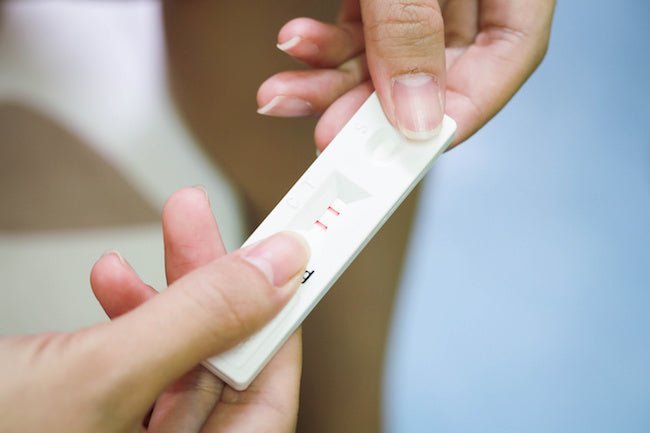

Getting pregnant is a happy and life-turning point for a woman. Knowing that you are going to welcome a little baby into your life is not only overwhelming but also somewhat stressful.
For majority of women, the decision when to take a pregnancy test is a cause of anxiety while you wait to hear the news. If you think that you may be pregnant, you would want to check it as soon as possible. But it is essential to know how these pregnancy tests work.
When you are pregnant
In the initial days of the pregnancy, fetus produces a hormone Human Chorionic Gondotrophin normally called hCG. This hormone can be detected in your blood and urine if you are pregnant. As the pregnancy progresses, the levels of hCG increases. It peaks around 8-11 weeks before it drops to a lower level during the 12-16 weeks. You may notice some red discharge during early pregnancy, this can be normal but still talk to your doctor and ask. According to study some pregnancy tests seem to have a poor detection limit for hCG than others. Therefore it is suggested for best results to take the pregnancy test early in the morning as hCG levels are at their highest at that time and after a night of sleeping the urine is more concentrated.

✨ Trying to Conceive?
Our Ovulation & Fertility Bundle combines Myo-Inositol with essential vitamins to support healthy hormone balance and regular ovulation.
Shop Now — $55.00✓ Free shipping on orders over $40 | ✓ Trusted by millions of couples worldwide
You need to follow the manufacturer’s instructions carefully that come with the test. This is required as the procedures could vary and affect your result. Excessive fluid intake could dilute hCG that could make the result difficult to read.
Best Time to Take a Pregnancy test
Sometimes you may feel like taking a test early because you feel the signs that you might have conceived. The most popular first pregnancy signs are cramps, tender breasts, nausea, food aversions, exhaustion, frequent urination and missed period. Even if you feel one or several of these signs, the best time to take a pregnancy test is after your period is late. This assists you from getting false negative or false positive results.
A number of home pregnancy tests claim to provide 99% accuracy on pregnancy results on the first day after you have missed your period. But research shows that most home pregnancy tests do not spot pregnancy that early. Even if they do, results tend to be almost nonexistent or so faint it can be misunderstood easily. And according to research and medical experts, it is recommended to wait until a week to get the optimal results.
Waiting for seven days after you have missed your period gives you the best pregnancy result. If you can wait a week after missing your period, most of the pregnancy tests will give you an accurate answer.
Conceive Plus® can help with your family planning!
Conceive Plus® products are available in pharmacies, drug stores, fertility clinics and even supermarkets in over 70 countries around the world helping millions of couples to get pregnant. Each day more and more trust our products to support their journey of starting or expanding their family.
🌱 Support Your Fertility Journey
Conceive Plus fertility supplements are clinically formulated to help regulate your cycle and support egg quality.
Shop Fertility Support →Frequently Asked Questions
Recommended by Fertility Experts
Conceive Plus Men's Fertility Support
Designed to support healthy sperm production, motility, and overall male reproductive health with clinically studied nutrients.
Shop Now →How early can I detect pregnancy with a home test?
Home pregnancy tests can typically detect hCG levels around the time of your missed period, though some sensitive tests may work a few days before. However, the FDA notes that most home tests are most reliable when used after a missed period, as hCG levels are still building in early pregnancy. Testing too early may result in false negatives, so waiting until at least the first day of a missed period gives the most accurate results.
Why is morning urine better for pregnancy testing?
Morning urine is more concentrated after overnight sleep, resulting in higher hCG levels that are easier for tests to detect. This concentration increases the sensitivity of the test and reduces the likelihood of false negatives. Limiting fluid intake the night before testing can further increase urine concentration and improve accuracy.
Can I get a false negative if I test too early?
Yes, testing before hCG levels are sufficiently elevated can result in a false negative. The American Society for Reproductive Medicine recommends waiting until at least the first day after a missed period for the most reliable results. If you test early and get a negative result but still suspect pregnancy, consider retesting a few days later or requesting a blood test from your healthcare provider.
Are expensive pregnancy tests more accurate than dollar store tests?
Both expensive and budget-friendly pregnancy tests must meet FDA standards for accuracy, so brand price doesn't necessarily indicate better performance. The key factors affecting accuracy are timing of the test, proper use according to instructions, and hCG levels in your system rather than the cost. What matters most is following the manufacturer's instructions carefully and testing a
Should I follow up a home pregnancy test with a blood test?
If you receive a positive home test result, most healthcare providers recommend confirming with a quantitative blood test (beta hCG) that measures the exact hormone level. Blood tests are more sensitive and can detect pregnancy earlier than urine tests, and they help doctors establish a baseline hCG level to monitor pregnancy progression. If you have a negative home test but strong pregnancy symptoms, your doctor may also recommend a blood test for confirmation.
Does drinking water before a pregnancy test affect the results?
Excessive water intake can dilute your urine and lower hCG concentration, potentially causing a false negative or very faint positive result. For the most accurate test, avoid drinking large amounts of fluids before testing and use your first morning urine when possible. If you must test after drinking fluids, it's better to wait a few hours or retest the next morning.
What should I do if I get conflicting pregnancy test results?
If home tests show different results, contact your healthcare provider for a clinical blood test, which is the most reliable confirmation method. Factors like test sensitivity, timing, hCG levels, and user error can affect home test results, making a professional blood test the best way to clarify. Your doctor can also rule out other conditions causing pregnancy-like symptoms if the blood test is negative.
Trusted by Couples in Over 70 Countries
Support Male Fertility From the Inside Out
Male fertility is just as important as female fertility in the conception journey. Conceive Plus Men's range delivers targeted nutritional support to promote healthy sperm and overall reproductive wellbeing.
Shop Men's Range →