The 7 Most Important Vitamins for Pregnancy: A 2026 Essential Guide


Your pregnancy nutrition plan shouldn't start the day you see a positive test; it actually begins 90 days before you even conceive. It's completely normal to feel overwhelmed by conflicting advice or worry about how the most important vitamins for pregnancy actually impact your baby's development. Between managing morning sickness and trying to swallow oversized capsules, the pressure to get everything right can feel like a full time job. You deserve a clear path through the noise so you can focus on the joy of your growing family.
In this guide, we'll identify the critical nutrients that provide a biological foundation for fetal brain and eye development. You'll learn why the American College of Obstetricians and Gynecologists (ACOG) recommends 600 mcg of folate and how new 2026 standards, like California’s SB 646, are finally bringing more transparency to supplement safety. We'll also cover bioavailable forms like methylfolate for those with the MTHFR gene variation and alternative formats for easier digestion. By the end, you'll have the confidence to choose a supplement that truly supports your body and your baby through every trimester.
Key Takeaways
- Learn why your body’s nutritional requirements increase by up to 50% and how these nutrients influence your baby’s long-term health through fetal programming.
- Identify the most important vitamins for pregnancy including folate and iron, which are vital for supporting a massive increase in blood volume and preventing developmental issues.
- Discover the critical roles of DHA and choline, often-overlooked nutrients that serve as the primary building blocks for your baby’s brain and retina.
- Understand the "90-day rule" for preconception health and why starting your vitamin regimen early is essential for egg maturation and quality.
- Gain clarity on how to choose a high-quality supplement by prioritizing bioavailable ingredients that your body can actually absorb and use effectively.
Why Prenatal Nutrition is the Critical Foundation for Your Pregnancy
Pregnancy isn't just a physical change; it's a metabolic marathon. Your body's nutrient requirements don't just increase slightly; they skyrocket by up to 50% to support a growing life. This biological demand is driven by "fetal programming," a concept where your nutritional status during gestation actually influences your child's long-term health outcomes, from metabolic function to cognitive potential. While many people believe a balanced diet is always enough, the reality of modern food production makes it difficult to hit every milestone. Prenatal vitamins serve as a vital safety net, ensuring you consistently meet the threshold for the most important vitamins for pregnancy even on days when morning sickness makes eating a challenge.
To better understand this concept, watch this helpful video:
The Biological Shift: How Your Body Prioritizes the Baby
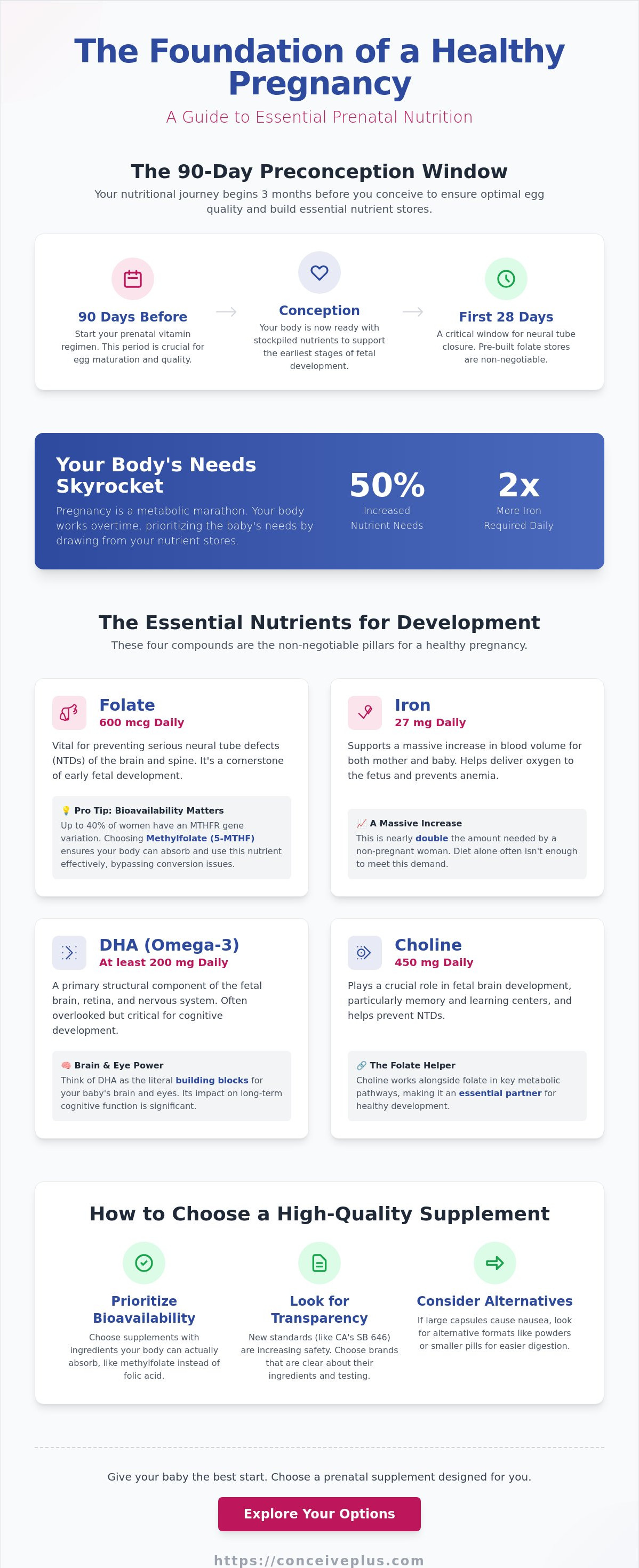
The moment the placenta forms, it begins acting as a sophisticated nutrient pump. It prioritizes the fetus, often drawing from your own "nutrient banks" if your daily intake falls short. This is why building up your stores of calcium, iron, and folate before you even conceive is so critical. The first 28 days of pregnancy are especially intense. During this window, the embryo's neural tube closes and the basic structures of the heart and brain begin to form. If your body hasn't already stockpiled the necessary building blocks, the embryo may face developmental hurdles before you even realize you're pregnant.
Bridging the Gap: Diet vs. Supplementation
Eating well is the foundation, but modern life presents unique challenges. Soil depletion and heavy food processing mean that even "healthy" produce may contain fewer minerals than it did decades ago. Nutrients like Vitamin D and Iron are notoriously difficult to obtain in sufficient quantities through food alone. Vitamin D often requires sunlight that many office-based lifestyles lack, while the 27 mg of iron needed daily is nearly double what a non-pregnant woman requires. For a deeper look at these requirements, you can consult this comprehensive guide to prenatal nutrition which details how needs change across trimesters. Understanding these gaps helps you realize that the most important vitamins for pregnancy aren't just "extras" but essential components of a healthy gestation. The preconception window is the 90 days prior to pregnancy when your body prepares for the high-stakes task of building a new human, and using tools like an ovulation calculator can help you time your nutritional ramp-up perfectly.
The Big Four: Most Important Vitamins for Pregnancy Development
While every nutrient plays a role in your health, four specific compounds act as the non-negotiable pillars of a healthy gestation. These are widely considered the most important vitamins for pregnancy because they directly prevent developmental defects and support your body's massive physiological expansion. Without these, your body may struggle to keep up with the demands of a growing placenta and a developing fetal circulatory system.
Folic Acid vs. Folate: What You Need to Know
Folate is essential for preventing neural tube defects (NTDs), which are serious birth defects of the brain and spine. The CDC recommends starting with 400 mcg at least one month before conception, increasing to 600 mcg once pregnant. However, not all supplements are created equal. Up to 40% of women have a genetic variation known as MTHFR. This variation makes it difficult for the body to convert synthetic folic acid into its active form. For these women, choosing methylfolate (5-MTHF) is often preferred because it's already bioavailable and ready for the body to use. You can learn more about how timing impacts your success in this article on Can Prenatal Pills Help You Get Pregnant? Myths vs. Science in 2026.
Iron and Oxygen: Fueling Your Growing Baby
Your blood volume increases by approximately 50% during pregnancy. To support this, your iron requirements jump from 18 mg to 27 mg per day. Iron is the primary vehicle for oxygen delivery to your baby. If your levels drop, you may experience pregnancy-induced anemia, characterized by extreme fatigue, dizziness, and shortness of breath. To maximize benefits, try pairing your iron intake with Vitamin C, which significantly enhances absorption. Avoid taking iron at the same time as calcium, as these two minerals compete for the same receptors in your gut.
Beyond blood and DNA, your baby needs specific support for skeletal and endocrine health. Vitamin D is a critical "hormone vitamin" that regulates calcium and phosphate, ensuring your baby's bones and teeth develop properly while protecting your own bone density. Current 2026 guidelines suggest 600 IU daily. Similarly, iodine is the silent hero of fetal development. It's required for the production of maternal thyroid hormones, which are essential for the baby's brain and nervous system structure. For a detailed breakdown of daily requirements, you can view the official vitamin recommendations for pregnancy. Making sure you support your body with high-quality nutrients early on ensures you aren't playing catch-up during the demanding second and third trimesters.
Beyond the Basics: Overlooked Nutrients for Brain and Eye Health
While folate and iron dominate most conversations about prenatal health, they aren't the only players in the game. To provide a truly comprehensive biological foundation, you must look toward a second tier of nutrients that specifically target cognitive architecture and visual acuity. These are often grouped among the most important vitamins for pregnancy because they handle the sophisticated "wiring" of the fetal nervous system. Without adequate levels of these compounds, even a high-folate diet may leave gaps in your baby's developmental potential.
Choline: The Brain Booster Most Prenatals Miss
Choline has recently emerged as a powerhouse for neurodevelopment, yet research suggests that approximately 90% of pregnant women do not meet the recommended daily intake of 450 mg. This nutrient is essential for the structural integrity of the brain and spinal cord. It also plays a vital role in placental function, helping to transport other nutrients to the fetus more efficiently. Choline works synergistically with Folate to ensure proper gene expression in the developing fetus. By including choline in your regimen, you support higher processing speeds and better stress recovery for your child later in life.
DHA and Omega-3s: Building the Nervous System
Docosahexaenoic acid (DHA) is an omega-3 fatty acid that serves as a primary structural component of the human brain and retina. During the third trimester, the fetal brain undergoes a massive growth spurt, requiring a steady supply of at least 200 mg of DHA daily. While many experts suggest eating fish twice a week, concerns about mercury levels often lead women to seek purified supplements. High-quality fish oil or algae-based DHA can bridge this gap safely. Beyond fetal benefits, these healthy fats help regulate maternal mood and may reduce the risk of preterm birth, making them key nutrients for fetal development and maternal well-being.
Two other critical nutrients deserve a place in your daily routine: Vitamin B12 and Calcium. Vitamin B12 acts as the essential partner to Folate for DNA synthesis. A deficiency in B12 can actually "trap" folate in a form the body can't use, effectively neutralizing its benefits. Pregnant women should aim for 2.6 mcg daily to keep this cycle moving. Meanwhile, your body requires 1000 mg of calcium every day. If you don't consume enough, the baby will draw calcium directly from your bones to build their own skeleton. Ensuring you have these most important vitamins for pregnancy in your system protects your long-term bone density while giving your baby the resources they need to thrive.
The TTC Connection: Starting Your Vitamin Regimen Before Conception
Waiting until you see a positive pregnancy test to start your regimen is a common mistake that ignores the biological timeline of human development. The reality is that your eggs begin their final maturation process approximately 90 days before they are released during ovulation. During this three-month window, the environment in your ovaries directly impacts egg quality and chromosomal health. This is why the Essential Guide to Fertility Prenatal Vitamins: Preparing Your Body for Conception in 2026 emphasizes early intervention. By the time you confirm a pregnancy, the most critical phases of neural tube closure are already underway. Starting the most important vitamins for pregnancy early ensures your nutrient banks are full when they matter most.
Egg Quality and Antioxidants
Egg cells require a massive amount of energy to divide and develop correctly. Coenzyme Q10 (CoQ10) acts as the spark plug for the mitochondria within your eggs, providing the cellular energy needed for successful conception. Vitamins C and E also play a vital role by protecting these delicate cells from oxidative stress, which can otherwise damage DNA and reduce fertility. To make sure you're timing these nutrients with your peak fertile window, using an ovulation calculator can help you stay on track and ensure your body is primed for the demands of early gestation.
Hormone Balance and Cycle Regularity
Cycle regularity is the foundation of a healthy pregnancy. Myo-Inositol has become a standout nutrient for its ability to support insulin sensitivity and promote regular ovulation. For those managing specific hormonal challenges, this Myo-Inositol for PCOS Fertility: A Comparison Guide for Conception in 2026 explains how this compound helps restore balance to the reproductive system. A predictable cycle doesn't just make it easier to conceive; it's a sign that your body is hormonally prepared to sustain a new life. Integrating these most important vitamins for pregnancy into your daily routine well before your first ultrasound gives your baby the best possible start. If you're ready to take the next step, you can explore specialized fertility support bundles designed to bridge these nutritional gaps before you conceive.
Choosing the Right Pregnancy Vitamins: What to Look For
Selecting a supplement involves more than just picking the first bottle you see on the shelf. As you've learned, the most important vitamins for pregnancy must be present in specific quantities, but their chemical form is just as vital. Bioavailability determines whether your body can actually absorb and use these nutrients or if they simply pass through your system. For example, choosing chelated minerals or methylated vitamins ensures that even if you have digestive sensitivities or genetic variations, your baby still receives the necessary building blocks for development.
Don't be swayed by "one-a-day" marketing. Many of the most important vitamins for pregnancy, such as calcium and choline, are physically bulky. It's often impossible to fit the full recommended daily intake of every essential nutrient into a single small capsule. High-quality regimens often require multiple capsules or separate doses to ensure you're getting therapeutic levels rather than just a "dusting" of ingredients. In 2026, transparency is also reaching new heights. With regulations like California’s SB 646 now requiring public access to heavy metal testing results, you should prioritize brands that embrace third-party testing and "clean" labels free from artificial dyes and fillers.
Avoiding Common Supplement Pitfalls
One of the biggest risks in prenatal nutrition is "mega-dosing." While you need more nutrients, higher isn't always better. Excessive intake of preformed Vitamin A (retinol) can actually be harmful to fetal development, which is why experts recommend looking for beta-carotene sources instead. Similarly, traditional iron supplements are notorious for causing constipation and worsening morning sickness. Look for "gentle" forms like iron bisglycinate that are easier on the stomach. For many, using TTC fertility products bundles provides a streamlined way to get these balanced ratios without the guesswork of mixing multiple individual brands.
The Conceive Plus Difference
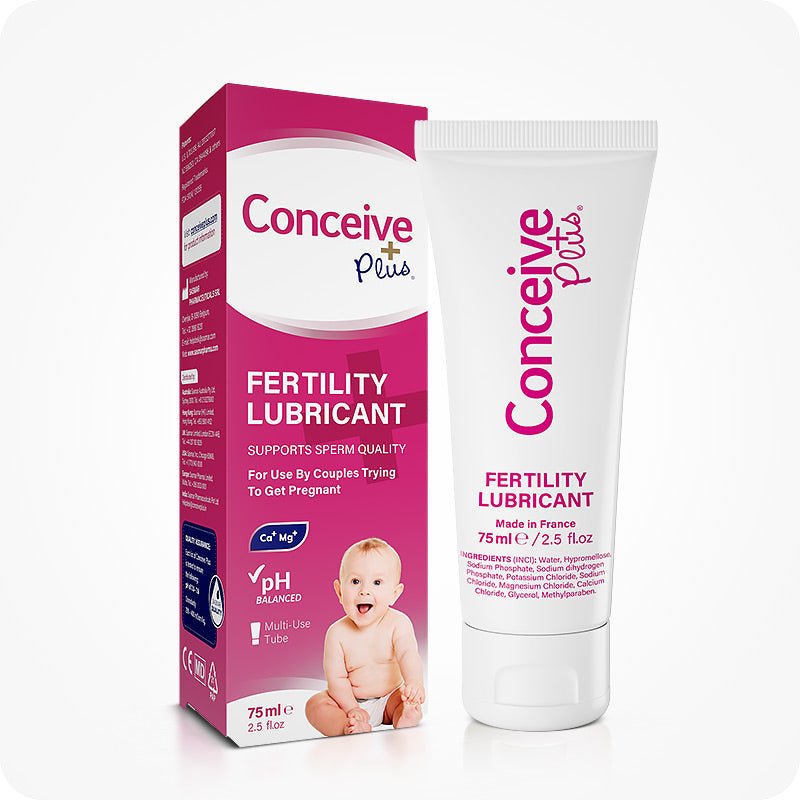
Conceive Plus takes a fertility-first approach to nutrition, recognizing that the path to a healthy pregnancy starts with hormonal balance and egg quality. By bridging the gap between preconception care and early pregnancy support, these formulas ensure your body isn't just surviving the 40 weeks of gestation but thriving. If you're curious about how these targeted nutrients have helped others, you can read Conceive Plus reviews from parents who prioritized their nutritional foundation early. When you're ready to commit to your health and your baby's future, shop best-selling fertility products to find the right fit for your unique journey.
Empowering Your Journey to Motherhood
Your nutritional choices today create the biological blueprint for your baby's future. By focusing on the 90-day preconception window and prioritizing bioavailable forms of folate, iron, and choline, you're doing more than just taking a pill. You're actively supporting neural tube closure, brain architecture, and maternal energy levels. Understanding the most important vitamins for pregnancy allows you to cut through the information overload and choose supplements that meet 2026 safety standards with complete confidence.
Formulated by fertility experts and available in over 70 countries, Conceive Plus is a brand trusted by millions of couples worldwide. You don't have to navigate these complex nutritional demands alone. Take the next step in your fertility journey today. Explore the Conceive Plus Fertility & Pregnancy Support Collection to find the high-quality nutrients your body needs from preconception through delivery. You're already taking the most vital step by educating yourself on these requirements. Trust your preparation as you move forward into this exciting new chapter of life.
Frequently Asked Questions
When is the best time to start taking vitamins for pregnancy?
You should start taking vitamins at least three months before you begin trying to conceive to ensure your body is fully prepared. This 90 day window allows your system to build up essential nutrient banks, such as folate and iron, which are critical during the first few weeks of development. Because the neural tube closes by day 28, having these nutrients already in your system is the best way to prevent early developmental issues.
Can I just take a regular multivitamin instead of a prenatal?
A regular multivitamin is generally insufficient because it isn't formulated for the unique physiological demands of gestation. Prenatal vitamins contain higher concentrations of iron, folic acid, and iodine, which are the most important vitamins for pregnancy development. Standard multivitamins may also contain too much preformed Vitamin A, which can be harmful to a developing embryo if taken in high doses.
Will prenatal vitamins help me get pregnant faster?
Prenatal vitamins don't guarantee immediate conception, but they do support the biological processes that make pregnancy possible. Ingredients like Myo-Inositol help regulate ovulation, while antioxidants like Vitamin E protect eggs from damage. By improving your overall reproductive health and hormone balance, these nutrients create a more favorable environment for a successful pregnancy. This ensures your body is ready the moment fertilization occurs.
What happens if I forget to take my pregnancy vitamins for a few days?
Missing your vitamins for a few days won't cause an immediate crisis, so you don't need to worry. Your body has some storage of these nutrients, though they are depleted more quickly during pregnancy. Simply start taking them again as soon as you remember. Never take a double dose to make up for missed days, as this can lead to toxicity or severe nausea.
Do pregnancy vitamins have side effects like nausea or constipation?
Nausea and constipation are common side effects, often caused by the high iron content found in most formulas. You can reduce these symptoms by taking your vitamins with a snack or right before you go to sleep. If the problem persists, consider switching to a liquid or gummy format, or look for a supplement that uses a non-constipating, chelated form of iron.
Is it possible to take too many vitamins during pregnancy?
It is definitely possible to over-supplement, and doing so can be dangerous for your baby. Fat-soluble vitamins like A, D, E, and K are stored in your body's fat tissues and can reach toxic levels if taken in excess. Always follow the specific dosage instructions from your healthcare provider to ensure you're getting the necessary nutrients safely without risking toxicity.
Do I still need vitamins if I eat a balanced, organic diet?
Yes, you still need vitamins because even a perfect organic diet often struggles to meet the extreme nutritional thresholds required to grow a human life. Getting the required 27 mg of iron or 600 mcg of folate daily through food alone would require eating massive quantities of specific items every single day. Supplements bridge this gap, making the most important vitamins for pregnancy a necessary safety net.
What is the difference between Folic Acid and Folate in supplements?
The primary difference is how your body absorbs and processes them. Folic acid is a synthetic form that must be converted by your liver, while folate is the natural form. Many women choose methylfolate because it is bioavailable and ready for immediate use. This is especially helpful for those with the MTHFR gene mutation, which makes it difficult to convert the synthetic version efficiently.