The Essential Guide to Fertility Prenatal Vitamins: Preparing Your Body for Conception in 2026


With the U.S. fertility rate hitting a historic low of 53.1 births per 1,000 women in 2025, the pressure to make every cycle count has never been higher. You've likely felt the frustration of slow progress or the confusion of choosing between folate and folic acid while the clock keeps ticking. It's completely natural to worry about age-related decline, but you don't have to leave your success to chance. Selecting high quality fertility prenatal vitamins is your first step toward taking control of your reproductive health.
True conception success requires 90 days of cellular readiness for both partners. We'll show you how the right nutrients optimize egg and sperm quality during this critical preconception window to help you achieve a faster time to conception and prevent birth defects. From the rise of methylfolate to the latest 2026 trends in personalized nutrition, this guide provides the roadmap you need to prepare your body for a healthy pregnancy.
Key Takeaways
- Learn why you should start a supplement protocol at least 90 days before trying to conceive to match the biological maturation cycle of eggs and sperm.
- Understand the crucial difference between folic acid and methylfolate in fertility prenatal vitamins to ensure your body can effectively absorb these vital nutrients.
- Discover how targeted male prenatal supplements improve sperm count and motility, ensuring both partners are physically prepared for conception.
- Explore how specific ingredients like Myo-Inositol support cycle regularity and hormonal balance, especially for those managing PCOS.
- Find out how to integrate internal nutritional support with cycle tracking and external fertility aids to maximize your success rate each month.
What Are Fertility Prenatal Vitamins and Why Do They Matter?
Standard multivitamins keep you healthy; Prenatal vitamins support a growing baby; but fertility prenatal vitamins are designed specifically to help you conceive. The term "prenatal" is actually a bit of a misnomer. These supplements shouldn't just be a reaction to a positive pregnancy test. Instead, they act as a proactive tool to optimize your reproductive system before fertilization even occurs. By the time you miss a period, the most critical stages of organ development have already begun.
Micronutrients like zinc, selenium, and B-vitamins act as the chemical messengers that balance your hormones and trigger regular ovulation. Without the right levels, your body might struggle to release a healthy egg or prepare the uterine lining for implantation. Creating a nutrient-rich environment ensures that when conception happens, the embryo has every resource it needs to thrive. It's about building a surplus of health before the demand of pregnancy begins.
To better understand how to choose the right supplement for your needs, watch this helpful video:
Bridging the Preconception Nutrient Gap
Modern diets often fall short. Even if you're eating plenty of greens, soil depletion and food processing mean levels of folate and iodine are frequently lower than required for optimal fertility. Additionally, stress and environmental toxins can deplete your body's existing nutrient stores faster than you can replace them. Preconception health is the essential foundation for a healthy 40-week journey. Starting a targeted protocol helps fill these gaps before they impact your cycle.
Fertility Vitamins vs. Standard Prenatals
The primary difference lies in the goal. Standard prenatals focus on preventing birth defects in a fetus that already exists. In contrast, fertility prenatal vitamins focus on the health and cellular quality of the parents. You'll often find higher concentrations of specific antioxidants like CoQ10, which supports mitochondrial function in eggs. Bioavailability is also a major factor. As of 2026, the industry has shifted toward using methylfolate rather than synthetic folic acid. This ensures your body can actually use the nutrient, regardless of your genetic makeup. To jumpstart your journey, you might explore conceive plus ttc fertility products bundles that combine these essential nutrients with other support tools.
The 90-Day Rule: Timing Your Fertility Vitamin Protocol
Most people think conception is a monthly event. Biologically, it's a three-month process. The egg you ovulate today began its final maturation journey about 90 days ago. If you wait until you're actively trying to conceive to start fertility prenatal vitamins, you've missed the window to influence that specific egg's development. This 90-day lead time is what experts call the "pre-preconception" phase. It is the critical period when your body builds the internal reserves necessary for a successful, healthy pregnancy.
Consistency during this window is non-negotiable. Cellular maturation is a continuous cycle; skipping doses disrupts the steady supply of nutrients your cells require to reach peak quality. This is especially true if you're transitioning off hormonal birth control. Long-term contraceptive use can deplete essential nutrients like B6, Vitamin C, and magnesium. Starting your vitamins while you're still on birth control ensures your body isn't starting from a deficit. To keep your timing precise, using an ovulation calculator can help you visualize your upcoming cycles while your body prepares.
The Science of Egg Maturation
During the 90 days before ovulation, the oocyte (egg) is highly sensitive to its environment. This is when it's most vulnerable to oxidative stress, which can damage DNA and lead to chromosomal issues. Antioxidants found in high-quality fertility prenatal vitamins, such as CoQ10 and Vitamin E, act as a shield for the egg. They also support mitochondrial energy. Mitochondria are the batteries of the cell, and an egg needs immense energy to divide properly after fertilization. Your health today directly dictates the quality and viability of the egg you release three months from now.
Sperm Quality and the 90-Day Cycle
Fertility isn't just a female focus. Men produce new sperm through a process called spermatogenesis, which takes approximately 74 days. When you factor in the time it takes for sperm to mature and travel, you're looking at a full three-month cycle for any nutritional improvements to take effect. Vitamins like Zinc, Selenium, and L-carnitine influence sperm count, swimming speed (motility), and shape (morphology). They also reduce DNA fragmentation, a common but often overlooked cause of early pregnancy loss. For the best results, both partners should start their supplement protocol simultaneously. You can find professional-grade support for both partners in these fertility supplements and products.
Key Ingredients to Look for in Fertility Prenatal Vitamins
Picking the right supplement requires looking past the front of the bottle. It's not just about what's inside, but how your body uses it. While standard prenatals often rely on synthetic ingredients, the best fertility prenatal vitamins prioritize bioavailability. This is most evident in the choice between folate and folic acid. Approximately 40% of the population has a variation in the MTHFR gene that makes it difficult to convert synthetic folic acid into its usable form. Using methylfolate ensures your body can immediately use this B-vitamin for DNA synthesis and the prevention of neural tube defects.

✨ Start Your Prenatal Care Today
Our Prenatal Vitamins with DHA, Choline & Folate provide the essential nutrients you and your baby need for a healthy start.
Shop Now — $34.95✓ Free shipping on orders over $40 | ✓ Trusted by millions of couples worldwide
Energy production is another critical factor. CoQ10, often in the form of Ubiquinone, acts as the internal battery for your cells. As eggs age, their mitochondrial function naturally declines, which can lead to fertilization failures. High concentrations of CoQ10 provide the energy needed for the complex process of chromosomal division during the 90-day maturation window we discussed earlier. Without this cellular fuel, even a healthy egg may struggle to develop into a viable embryo.
Hormonal balance also depends on Vitamin D3 and Iodine. Vitamin D acts more like a pro-hormone than a vitamin, influencing how your body responds to estrogen and progesterone. Meanwhile, Iodine supports the thyroid, which is the master regulator of your reproductive health. If your thyroid is sluggish, your entire cycle can become unpredictable.
The "Big Three" for Female Fertility
- Folate: This is the gold standard for supporting early cell division and preventing defects.
- Iron: It builds the blood volume necessary to carry oxygen to your reproductive organs. Anemia can lead to thin uterine linings or even stop ovulation entirely.
- Zinc: This mineral plays a structural role in follicular fluid, helping the egg mature properly before it is released.
Advanced Support: Myo-Inositol and Antioxidants
Myo-Inositol has become a 2026 staple for its ability to improve insulin sensitivity and support regular cycles. This is particularly vital for those managing PCOS, as it helps lower androgen levels and improves egg quality. When you pair this with antioxidants like Selenium and Vitamin E, you create a powerful defense against oxidative stress. For a comprehensive approach that covers these advanced nutrients, many couples choose Conceive Plus best-selling fertility products to bridge the gap between basic nutrition and clinical-grade support.
Why Men Need Fertility Vitamins Too
For too long, the conversation around conception has focused almost exclusively on the female partner. This is a significant oversight. Since the male provides exactly half of the genetic blueprint, his nutritional status is just as vital for a healthy pregnancy. While women take fertility prenatal vitamins to support egg quality and implantation, men require a specific set of micronutrients to ensure their contribution is viable. Male factors contribute to approximately half of all infertility cases, yet many men don't realize they can actively improve their numbers through targeted supplementation.
Male-specific formulas work to improve three key metrics: count, motility (swimming speed), and morphology (shape). If sperm can't swim straight or lack the correct structure, they won't reach the egg, regardless of how well the female partner has prepared. Protecting sperm DNA from oxidative damage is perhaps the most critical role of these vitamins. High levels of DNA fragmentation are linked to higher miscarriage rates and fertilization failure. By taking a proactive approach, both partners can ensure they are providing the strongest possible foundation for their future child.
Sperm Health: The Other 50% of the Equation
Poor sperm morphology isn't just a hurdle for getting pregnant; it can lead to early pregnancy loss even after a successful fertilization. Modern lifestyles make this challenge even harder. Factors like sitting for long periods, exposure to environmental toxins, and poor dietary choices create heat and oxidative stress that damage developing cells. The 90-day maturation window we discussed earlier applies here too. When both partners commit to a supplement protocol, they create a synergistic effect that significantly increases the chances of a healthy, full-term pregnancy. You can find comprehensive support for both of you in these conceive plus ttc fertility products bundles.
Essential Nutrients for the Male Partner
- L-Carnitine and L-Arginine: These amino acids act as the fuel for sperm movement. They provide the stamina required for the long journey through the reproductive tract.
- Vitamin C and E: These vitamins serve as an antioxidant shield. They neutralize the free radicals that would otherwise attack and break down paternal DNA.
- Selenium: This mineral is essential for the structural integrity of the sperm tail. Without enough selenium, sperm may be unable to "kick" effectively, leading to poor motility.
- Zinc: Often called the "fertility mineral," zinc is required for healthy testosterone levels and sperm volume.
Improving male fertility doesn't happen overnight, but the results of a dedicated 90-day protocol are often measurable and dramatic. Don't leave your half of the equation to chance. To get started today, explore the full range of male fertility support and take the first step toward a faster conception.
Maximizing Success: Integrating Vitamins into Your TTC Protocol
Your internal biology is only half the puzzle. Even the most effective fertility prenatal vitamins can't overcome poor timing or a hostile vaginal environment. To truly maximize your success, you must bridge the gap between your nutritional preparation and your active trying-to-conceive (TTC) habits. This means creating a holistic "Conception Environment" where your body's cellular readiness meets perfect timing and supportive external conditions.
Taking a proactive approach to your environment ensures that the high-quality eggs and sperm you've been nourishing for the last 90 days actually have the chance to meet. It's about removing every possible hurdle between you and a positive pregnancy test. When your internal health and external actions are in sync, you create the most efficient path to conception.
Tracking and Timing for Success
Don't leave the most important days of your month to guesswork. Many couples miss their fertile window because they rely on vague symptoms or standardized calendars that don't account for individual cycle variations. Using an ovulation calculator is the first step in pinpointing when your body is actually prepared to conceive. This tool helps you identify the five-day window leading up to and including ovulation, giving sperm the best chance to be present when the egg is released.
To get even more precise, monitor your Luteinizing Hormone (LH) surge. This hormonal spike is the final signal that tells your body to release the egg you've been protecting with your antioxidant protocol. When you combine high-quality Conceive Plus tracking tools with your vitamin regimen, you ensure you're hitting the peak fertility window with the best possible egg quality. It's the difference between guessing and knowing your body's exact rhythm.
The Role of Fertility Friendly Lubricant
One of the most common mistakes couples make is using standard lubricants during their fertile window. Most household lubes have a low pH and high salt concentration, which can be lethal to sperm. Even if you've been taking the best fertility prenatal vitamins to improve sperm motility, a standard lubricant can stop those cells in their tracks. It's essentially like asking a marathon runner to swim through a pool of acid.
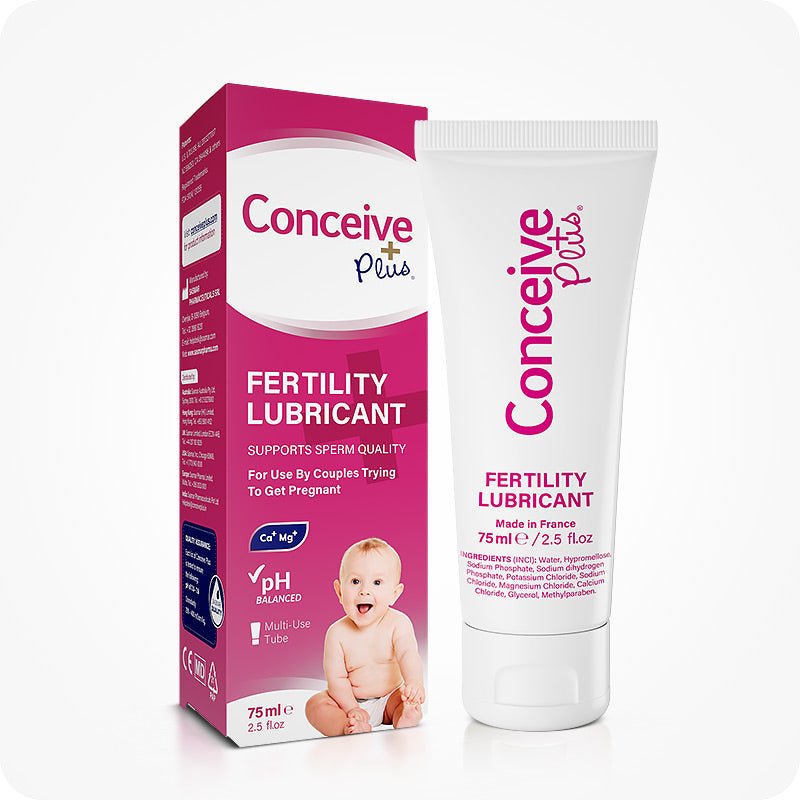
Instead, you should use fertility friendly lubricants. These products are specifically formulated to mimic the natural pH, osmolality, and consistency of fertile cervical mucus. They provide a safe medium for sperm to travel through, protecting their integrity and speed as they move toward the egg. By aligning your internal health with an external environment that welcomes sperm, you significantly increase your odds of success each cycle. Shop the full Conceive Plus range to start your journey and give your body the complete support it deserves.
Take Control of Your Path to Parenthood
Building a healthy pregnancy starts long before the first positive test. By respecting the 90-day biological window for egg and sperm maturation, you're giving your future child the strongest possible start. Choosing high quality fertility prenatal vitamins with bioavailable ingredients like methylfolate and CoQ10 ensures that both partners are meeting the cellular demands of conception. When you combine this internal nutritional foundation with precise cycle tracking and sperm-friendly environments, you significantly improve your chances of success.
Since 2008, millions of couples worldwide have trusted Conceive Plus to support their dreams of starting a family. As an OB-GYN recommended brand, our products are clinically formulated for both men and women to address the unique needs of the TTC journey. You don't have to leave your fertility to chance when you can proactively optimize your reproductive health starting today. Your proactive choices now create the foundation for a healthy 40-week journey and beyond.
Start your journey with Conceive Plus Fertility Support and take the first step toward the family you've been waiting for. You have the tools and the knowledge; now it's time to put them into action with confidence.
Frequently Asked Questions
Can I take prenatal vitamins if I am not pregnant yet?
Yes, starting your supplement protocol before pregnancy is highly recommended by reproductive specialists. Most experts suggest beginning at least three months before you start trying to conceive. This proactive approach ensures your body has a surplus of critical nutrients like folate and iodine before the high-demand phase of embryonic development begins. It builds a healthy nutritional foundation from the very first moment of fertilization.
How long does it take for fertility vitamins to start working?
It takes approximately 90 days for fertility prenatal vitamins to fully impact the quality of your eggs or sperm. This timeline matches the biological maturation cycle of reproductive cells. While you may see some nutritional benefits sooner, consistent supplementation for three full months provides the most significant boost to your preconception health. This lead time allows your body to optimize the cellular environment for successful fertilization.
Do fertility prenatal vitamins have side effects like nausea?
Some users experience mild nausea, which is often caused by the iron content or the size of the supplement. To minimize this, try taking your vitamins with a full meal or just before bed. Choosing a high quality formula with bioavailable ingredients can also reduce digestive discomfort and improve overall absorption. If symptoms persist, look for a formula specifically designed to be gentle on the stomach while still providing essential nutrients.
What is the difference between folic acid and folate in prenatals?
Folate is the natural form of Vitamin B9, while folic acid is the synthetic version. Many modern fertility prenatal vitamins use methylfolate because it's easier for the body to process, especially for those with certain genetic variations like MTHFR. This ensure you're effectively protecting against neural tube defects from day one. Using the bioavailable form means your body doesn't have to work as hard to convert the nutrient into a usable state.
Can men take regular multivitamins instead of fertility supplements?
Men can take regular multivitamins, but they often lack the specific concentrations of antioxidants and amino acids needed for reproductive health. Targeted male supplements focus on L-Carnitine, Zinc, and Selenium to improve sperm count and motility. These specialized ingredients provide much more support for conception than a generic daily multivitamin. For the best results, men should use a formula that specifically addresses sperm DNA integrity and swimming speed.
Will taking prenatal vitamins help me get pregnant faster?
While no supplement guarantees immediate results, optimizing your nutritional status can reduce the time to conception. By balancing hormones and improving the quality of eggs and sperm, you increase the likelihood of successful fertilization each month. These vitamins create the ideal internal environment for a faster, healthier path to pregnancy. When your body has everything it needs to support a new life, the biological process can happen more efficiently.
Do I still need to eat healthy if I am taking fertility vitamins?
Yes, a nutrient-dense diet remains essential because supplements are meant to "supplement" your food, not replace it. Whole foods provide complex fibers and phytonutrients that work alongside your vitamins to support metabolic health. A balanced diet paired with a consistent vitamin protocol offers the most comprehensive support for your fertility. Think of your diet as the primary fuel and your vitamins as the targeted support that fills the gaps.
Should I stop taking fertility vitamins once I get a positive test?
You shouldn't stop taking supplements, but you should consult your doctor about transitioning to a standard prenatal formula. Many fertility vitamins contain high levels of ingredients like CoQ10 that are great for conception but less necessary during pregnancy. Your healthcare provider will help you adjust your protocol to support the specific needs of each trimester. Once you conceive, your nutritional priorities shift from egg quality to supporting the baby's rapid organ development.
🌱 Everything You and Baby Need
Conceive Plus Prenatal Vitamins are formulated with DHA for brain development and Folate for neural tube protection.
Shop Prenatal Vitamins →Frequently Asked Questions
What's the difference between folic acid and methylfolate in fertility vitamins?
Folic acid is a synthetic form of vitamin B9 that requires conversion in your body, while methylfolate is the naturally occurring, bioavailable form that your body can use immediately. For those with MTHFR gene mutations or methylation issues, methylfolate is often more effective at supporting egg quality and preventing neural tube defects. Most fertility specialists now recommend methylfolate as the preferred option for preconception supplementation.
Can I use regular prenatal vitamins instead of fertility-specific prenatal vitamins?
While regular prenatal vitamins contain essential nutrients like folic acid and iron, fertility-specific prenatal vitamins are formulated with higher concentrations of conception-supporting ingredients like Myo-Inositol, CoQ10, and antioxidants that aren't typically found in standard prenatals. Fertility vitamins are optimized for the preconception phase when egg and sperm quality is your primary focus, whereas regular prenatals emphasize nutrients needed during pregnancy itself. The American Society for Reproductive Medicine (ASRM) supports using targeted fertility supplements during the 90-day preconception window.
Do fertility vitamins work if I have PCOS?
Yes—fertility vitamins containing Myo-Inositol have been specifically studied in PCOS populations and shown to improve ovulatory function and cycle regularity. Myo-Inositol helps regulate insulin sensitivity and hormone levels, which are key PCOS concerns that impact fertility. Many US fertility clinics now recommend Myo-Inositol supplementation as a first-line intervention for PCOS management before or alongside other treatments.
How much does fertility prenatal vitamin supplementation typically cost?
Quality fertility prenatal vitamins typically range from $30-$80 per month, depending on brand and formulation complexity. Most health insurance plans do not cover fertility supplements, though some FSA/HSA accounts allow pre-tax spending on these products. Since the 90-day preconception protocol requires 3 months of consistent use before trying to conceive, budgeting $90-$240 upfront is reasonable for both partners' supplementation.
Should my male partner take fertility vitamins too?
Yes—male fertility vitamins are equally important since sperm quality takes approximately 74 days to mature, matching the same 90-day biological window as eggs. Men's fertility supplements typically contain CoQ10, L-carnitine, zinc, and selenium to support sperm count, motility, and morphology. Research shows that male partner supplementation significantly improves fertilization rates and time-to-conception, making it a critical component of couples' fertility planning.
When should I start taking fertility prenatal vitamins if I want to conceive?
You should ideally start your fertility vitamin protocol at least 90 days before you begin actively trying to conceive, as this matches the biological maturation cycle of both eggs and sperm. Starting earlier gives your body adequate time to optimize nutrient levels and improve cellular reproductive health. If you're already trying to conceive, begin supplementation immediately, though you may not see full benefits until completing the 90-day cycle.
Are fertility prenatal vitamins FDA regulated?
Fertility prenatal vitamins are classified as dietary supplements, which means they're regulated by the FDA under the Dietary Supplement Health and Education Act (DSHEA) rather than as pharmaceutical drugs. This means they don't require pre-market approval, but manufacturers are responsible for ensuring safety and accuracy of label claims. When selecting a fertility vitamin, look for third-party testing certifications from organizations like NSF International or USP to ensure quality and purity.
Trusted by Couples in Over 70 Countries
Support Male Fertility From the Inside Out
Male fertility is just as important as female fertility in the conception journey. Conceive Plus Men's range delivers targeted nutritional support to promote healthy sperm and overall reproductive wellbeing.
Shop Men's Range →