The Power of Prenatal Fertility Vitamins for Conception


Trying to conceive can be an exciting yet challenging journey for many couples. One crucial aspect of improving fertility and increasing the chances of a successful pregnancy is ensuring optimal nutritional intake, particularly through the use of fertility vitamins. In this comprehensive guide, we'll explore the essential vitamins that can support your reproductive health and provide practical tips to incorporate them into your fertility journey.
Understanding the Role of Vitamins in Fertility
Fertility is a complex process that involves a delicate balance of hormones, egg quality, and overall reproductive function. Vitamins play a crucial role in maintaining this balance and supporting various aspects of fertility. Let's dive into the key vitamins that are essential for women trying to conceive.
Vitamin B Complex
The B-complex vitamins, including B6, B12, and folate, are vital for reproductive health. Folate, in particular, is crucial during the preconception and early pregnancy stages, as it helps prevent neural tube defects in the developing baby. Adequate B-vitamin intake can also help regulate ovulation, support egg quality, and promote a healthy uterine lining.
Vitamin C
Vitamin C is a powerful antioxidant that can help protect the body from oxidative stress, which can negatively impact fertility. It also plays a role in the production of progesterone, a hormone essential for maintaining a healthy pregnancy.
Vitamin D
Vitamin D is often referred to as the "fertility vitamin" due to its significant impact on reproductive health. It can enhance egg quality, improve implantation, and support healthy hormone levels. Many women trying to conceive may be deficient in vitamin D, making supplementation an important consideration.
Vitamin E
Vitamin E is another antioxidant that can help protect the eggs and sperm from damage caused by free radicals. It may also improve blood flow to the reproductive organs, which can enhance fertility.
Best Vitamins for Women Trying to Conceive
Recommended by Fertility Experts
Conceive Plus Men's Fertility Support
Designed to support healthy sperm production, motility, and overall male reproductive health with clinically studied nutrients.
Shop Now →
✨ Start Your Prenatal Care Today
Our Prenatal Vitamins with DHA, Choline & Folate provide the essential nutrients you and your baby need for a healthy start.
Shop Now — $34.95✓ Free shipping on orders over $40 | ✓ Trusted by millions of couples worldwide
When it comes to fertility vitamins, there are several options to consider. Prenatal vitamins are a popular choice, as they are designed to provide the essential nutrients needed for a healthy pregnancy. However, for women specifically focused on improving their fertility, there are also fertility-specific supplements that may be more tailored to their needs.
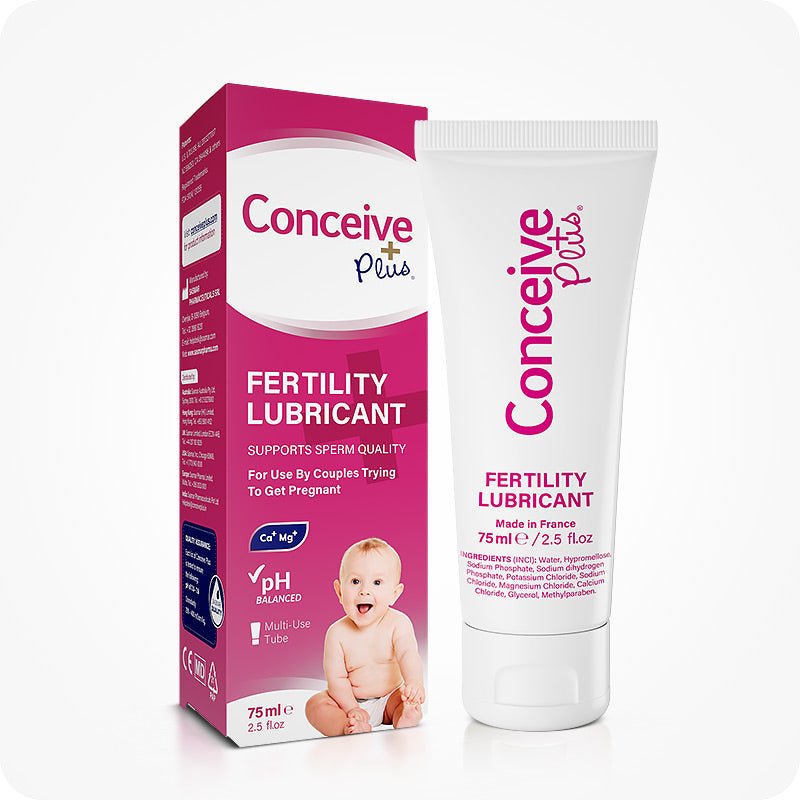
Conceive Plus, for example, is a trusted brand that offers a comprehensive fertility supplement formulated with the key vitamins and minerals to support conception. Their fertility vitamins for women include a carefully curated blend of B-complex vitamins, vitamin C, vitamin D, and vitamin E, among other fertility-supporting nutrients.
Lifestyle Factors and Fertility
While vitamins play a crucial role in fertility, it's important to consider other lifestyle factors that can impact your ability to conceive. Maintaining a healthy diet, engaging in regular exercise, and managing stress levels can all contribute to improved fertility.
A balanced, nutrient-rich diet that includes a variety of fruits, vegetables, whole grains, and lean proteins can provide the necessary building blocks for reproductive health. Regular exercise can help regulate hormone levels, improve blood flow, and maintain a healthy weight, all of which are important for fertility.
Lastly, managing stress is crucial, as high levels of stress can disrupt the delicate hormonal balance and negatively impact fertility. Incorporating stress-reducing techniques, such as meditation, yoga, or counseling, can be beneficial for women trying to conceive.
Success Stories and Real-Life Examples
Many women have experienced the positive impact of fertility vitamins on their conception journey. Conceive Plus, for example, has numerous testimonials from women who were able to conceive after incorporating their fertility supplements into their routine.
One such story is that of Sarah, a 35-year-old woman who had been trying to conceive for over a year. After consulting with her healthcare provider, she started taking Conceive Plus fertility vitamins and made some lifestyle adjustments. Within a few months, she was able to conceive and is now the proud mother of a healthy baby.
"I was feeling discouraged and worried that I might not be able to have a child," Sarah shared. "But taking the Conceive Plus vitamins and making some changes to my diet and exercise routine really made a difference. I'm so grateful for the support and the amazing results."
Incorporating Fertility Vitamins into Your Routine
When it comes to incorporating fertility vitamins into your routine, it's important to follow the recommended dosage and timing. Conceive Plus suggests taking their fertility supplement daily, preferably with a meal, to ensure optimal absorption of the nutrients.
It's also important to note that fertility vitamins can be used in conjunction with other fertility treatments, such as assisted reproductive technologies (ART) or medications prescribed by your healthcare provider. Be sure to discuss your supplement regimen with your doctor to ensure a comprehensive and coordinated approach to your fertility journey.
Conclusion
Fertility vitamins can be a powerful tool in your quest to conceive. By understanding the essential role of vitamins like B-complex, vitamin C, vitamin D, and vitamin E, you can take proactive steps to support your reproductive health and increase your chances of a successful pregnancy.
Incorporating a trusted fertility supplement like Conceive Plus, along with a healthy lifestyle, can be a game-changer for women trying to conceive. Remember, every journey is unique, so be patient, stay consistent, and work closely with your healthcare provider to achieve your fertility goals.
🌱 Everything You and Baby Need
Conceive Plus Prenatal Vitamins are formulated with DHA for brain development and Folate for neural tube protection.
Shop Prenatal Vitamins →Frequently Asked Questions
When should I start taking prenatal vitamins if I'm trying to conceive?
The American College of Obstetricians and Gynecologists (ACOG) recommends starting prenatal vitamins at least one month before attempting to conceive, though ideally three months prior to allow nutrients like folate to build up in your system. Since many pregnancies are unplanned, any woman of childbearing age who could become pregnant should consider taking a prenatal vitamin with at least 400 micrograms of folic acid daily. Starting early ensures optimal nutrient levels during the critical early weeks of pregnancy when neural tube development occurs.
What is the recommended daily dose of folate for women trying to conceive?
The CDC and ACOG recommend that women of childbearing age consume 400 micrograms (0.4 mg) of folic acid daily, though women with a personal or family history of neural tube defects may need up to 4 mg daily under physician supervision. Most quality prenatal vitamins contain the standard 400 mcg dose, which is the amount shown to reduce neural tube defects by up to 70% when taken before conception and during early pregnancy. It's important to note that folic acid (the synthetic form) is better absorbed than folate from food sources alone.
Does vitamin D deficiency affect fertility, and should I get tested?
Research suggests that vitamin D deficiency may negatively impact ovulation, egg quality, and implantation rates, though the American Society of Reproductive Medicine (ASRM) notes that evidence is still evolving. While some fertility specialists recommend vitamin D testing as part of preconception screening, there is no universal fertility-specific standard; however, maintaining a vitamin D level of at least 30 ng/mL is generally considered adequate for overall health. If you live in northern climates or have limited sun exposure, supplementation with 1,000-2,000 IU daily is often recommended during fertility treatment.
Are there any fertility vitamins not covered by insurance, and what should I expect to pay?
Most insurance plans do not cover over-the-counter prenatal or fertility vitamins, as they are classified as dietary supplements rather than medications requiring FDA approval. Quality prenatal vitamins typically range from $15-$50 per month, with specialized fertility formulas sometimes costing more; many brands offer subscription discounts or free shipping on larger orders. Some fertility clinics may recommend specific brands or offer discounted options through their pharmacy partners, so it's worth asking your reproductive endocrinologist for recommendations.
Can men benefit from fertility vitamins, and what should they take?
Yes, male fertility can be significantly impacted by nutritional deficiencies, and the ASRM acknowledges that vitamins like C, E, zinc, and selenium may support sperm health and motility. Men trying to conceive should consider a male fertility vitamin or standard multivitamin containing antioxidants and zinc, as oxidative stress and nutrient deficiencies can reduce sperm count and quality. It's recommended that both partners optimize their nutrition at least three months before attempting conception, as sperm production takes approximately 74 days.
Is it safe to take fertility vitamins alongside prescription fertility medications?
Most standard prenatal and fertility vitamins are safe to take with prescription fertility medications like Clomid or Letrozole, but you should always inform your fertility specialist about all supplements you're taking. Certain vitamins in high doses can interact with medications or affect hormone levels, so your reproductive endocrinologist should review your complete vitamin regimen during your initial consultation. The FDA does not regulate supplements with the same rigor as medications, making professional medical guidance especially important when combining treatments.
How long does it take for fertility vitamins to improve egg quality and fertility?
Since eggs develop over approximately 90 days (three months), most fertility specialists recommend taking prenatal vitamins for at least three months before expecting noticeable improvements in egg quality or fertility markers. While some nutrients like folate begin accumulating in your system within weeks, the full benefits of optimized nutrition typically become apparent after a full cycle of egg development. Individual results vary based on baseline nutritional status, age, and overall health, so consistency over several months is key for maximum benefit.
Trusted by Couples in Over 70 Countries
Support Male Fertility From the Inside Out
Male fertility is just as important as female fertility in the conception journey. Conceive Plus Men's range delivers targeted nutritional support to promote healthy sperm and overall reproductive wellbeing.
Shop Men's Range →