How to Manage Third Trimester Fatigue and Handle Pregnancy Exhaustion Naturally

Lots of people notice their energy takes a dip as pregnancy moves forward, especially when third trimester fatigue starts creeping in. Though, let’s be real, some women actually start feeling wiped out earlier on, like dealing with early pregnancy exhaustion or extreme fatigue early pregnancy. The body’s busier than ever, pumping more blood around, raising hormone levels, and trying to keep up with all the changes—it’s no wonder your energy can evaporate sometimes.
It’s not just about waiting until later stages. You can be hit by extreme fatigue first trimester and feel super sleepy in the second trimester before extreme fatigue pregnancy rears its head once again. Many folks realize pretty quickly that fatigue and pregnancy go hand in hand. In the following sections, we’ll dive into how each trimester might zap your energy, plus some tips on how to overcome tiredness during pregnancy whenever those slumps attack.

What Causes Fatigue During Pregnancy?
Fatigue is something that can really strike at any point while you’re expecting. You might have fatigue early pregnancy symptoms in the very first weeks, driven by a big jump in progesterone. Then, once you get closer to the end, you face more fatigue in last trimester. And that final stretch can bring on a whole new level of pregnancy fatigue, because the baby’s growing like crazy and your body is adjusting to all that extra weight [1].
Worries and stress definitely can make the tiredness worse, as your mind might spin over all the changes. If you’re not eating enough good stuff or if your sleep pattern is off, you might find yourself with persistent pregnancy tired vibes. Keeping these triggers in check—like stress or poor nutrition—often helps you prevent total burnout.
First Trimester Fatigue
Most people don’t expect that first trimester exhaustion to kick in so hard. But guess what? It’s pretty common. As your body works on building the placenta—super energy-hungry process—things can feel intense. Then add all the hormone swings, and you’ve got a recipe for extreme fatigue first trimester. You might even find your appetite is weird, and morning sickness is messing with what you eat [2].
On top of that, you may also notice extreme tiredness in early pregnancy. Frequent trips to the bathroom (especially at night) sure don’t help. It’s normal to wonder if extreme tiredness during early pregnancy gender might reveal if you’re carrying a boy or girl, but there’s no scientific link there. Usually, it’s just the hormones that punch up your fatigue.
Top Tip: Try small snacks—like apple slices with peanut butter or maybe a few cheese cubes with whole-grain crackers—to keep blood sugar steady. That can help fend off big energy crashes.
When Does First Trimester Fatigue Peak?
Everybody’s different, but lots of folks say they’re most tired around week 9 or 10. That’s when a bunch of critical baby development is underway. It’s also when hormone levels can feel like they’re skyrocketing [3]. If extreme fatigue pregnancy makes it tough to do your normal day-to-day stuff, it’s worth chatting with your healthcare person. They can check if anything else (like anemia) might be dragging you down.
Second Trimester Fatigue
Once you pass the earliest phase, you might see a bit more pep in your step. But that doesn’t mean you won’t have any tired second trimester days. The baby’s still growing, your body’s still shifting, and new issues—like backaches or heartburn—can rob you of restful sleep. If you’re also juggling older kids or hectic work demands, pregnancy exhaustion can sneak up [4].
On the plus side, many people find they’re less nauseous in the second trimester and a bit calmer emotionally. Even so, you have to keep an eye on what you eat and how you plan your day. Good nutrition and short breaks here and there can stave off the slump.
Top Tip: Don’t forget water. Dehydration often makes you feel more sluggish. Add lemon slices or cucumber to your water if you’re bored with the plain taste.
Third Trimester Exhaustion
Now you’re closer to the end. This is when you can get smacked with extreme fatigue third trimester. Plus, there’s pregnancy tired third trimester hanging around, too. Carrying that extra baby weight can throw off your posture, make sleep tough, and amplify normal aches. Then there’s also the emotional side, like worries about labor or simply thinking about life after the baby arrives.
If you’re noticing extreme tiredness in third trimester, you’re definitely not alone. Everything—from daily chores to standing in line at the grocery store—could feel like an uphill battle. Meanwhile, “nesting” urges to rearrange your home might push you to overdo things. Tiredness in third trimester of pregnancy demands a balance: try to pace yourself so you don’t run out of steam.
When Does Third Trimester Fatigue Start?
A lot of people see their energy nosedive sometime around weeks 28–30, just as the baby starts packing on extra pounds [5]. Hormones don’t help, and you might discover some new aches, too. Sudden exhaustion third trimester is a possibility, so pay attention to any red flags like dizziness, major swelling, or blurred vision, which might be symptoms needing medical care.

✨ Start Your Prenatal Care Today
Our Prenatal Vitamins with DHA, Choline & Folate provide the essential nutrients you and your baby need for a healthy start.
Shop Now — $34.95✓ Free shipping on orders over $40 | ✓ Trusted by millions of couples worldwide
Top Tip: If you can, take quick breaks during the day to stretch or stroll. It might reduce leg swelling and even help you rest a bit better at night.

Recognizing What Does Pregnancy Fatigue Feel Like
It’s not one-size-fits-all. Some folks say pregnancy fatigue feels like they’re wading through quicksand. Others compare it to a never-ending cold—just a heavy sense of blah [6]. You might also have moments of clouded thinking or just struggle focusing at work or during conversations. If that’s how it is for you, try not to be too hard on yourself. Remember, your body is busy doing a crazy amount of work.
How to Overcome Tiredness During Pregnancy
Even small lifestyle tweaks can cut back on fatigue during pregnancy. Whether you’re coping with first trimester fatigue or tackling the fatigue in last trimester, these suggestions might help:
1. Refine Your Eating Habits
- Frequent, Balanced Meals: Aiming for smaller meals every few hours can keep your blood sugar steady. Include plenty of fruits, veggies, lean proteins, and whole grains.
- Focus on Iron & Folic Acid: Low iron often leads to feeling wiped out. Foods like spinach, beans, and fortified cereals can help keep your levels up.
- Hydration: Without enough fluids, you may feel super sluggish. If plain water is dull, try herbal teas or throw in some fruit slices.
2. Gentle Exercise
Light workouts—like walking, prenatal yoga, or a swim—may actually help with extreme fatigue with pregnancy by boosting circulation and giving you a mental lift. Just watch for any warning signs and symptoms of your body might give you, like dizziness or cramping. If you do too much, you might end up even more drained.
3. Improve Your Sleep Routine
- Set a Schedule: Going to bed and waking up around the same time helps your body clock.
- Support Pillows: A pillow between your knees or under your belly might help reduce aches and aid restful sleep, especially if you’re feeling 3rd trimester fatigue.
- Limit Screen Time: Electronics late at night can trick your brain into staying alert, so consider reading a paperback or listening to calming music instead.
4. Tackle Stress
Anxiety can worsen how wiped out you feel. Whether you’re nervous about labor or unsure how to juggle new responsibilities, stress may keep you up at night. Some people try meditation or get a prenatal massage for stress relief. If you have pressing concerns, it often helps to speak with a professional or share them with your support system.
5. Tune in to Your Body
Some days, you’ll be fine. Other days, you’ll want to nap as much as possible. That’s totally normal. If extreme fatigue pregnancy doesn’t ease up or you suspect something is off—say, you’re constantly dizzy—you might need to check in with a doctor. Anemia, gestational diabetes, or thyroid issues can definitely worsen your energy slump.
Possible Underlying Causes
Although you might think all fatigue is just “part of the deal,” sometimes there’s an underlying culprit:
- Anemia: If your body’s low on iron or B vitamins, you can have chronic tiredness and get lightheaded.
- Gestational Diabetes: Messy blood sugar can cause energy spikes and crashes.
- Thyroid Problems: Both hyper- and hypothyroidism can mess with your energy and mood.
Early detection makes it a lot easier to handle these conditions, so don’t hesitate to ask your provider for a check-up if things seem out of the ordinary [7].

The Bottom Line
Whether you’re struggling with first trimester fatigue, second trimester fatigue, or third trimester fatigue, there’s a bunch of things you can try to keep your energy from tanking. Watch your diet, move around gently, and try to stick to a decent bedtime routine to handle pregnancy tired third trimester as well as earlier signs of extreme tiredness in early pregnancy. If you notice extreme tiredness in third trimester or a sudden exhaustion third trimester that hits out of nowhere, don’t hesitate to ask a professional about it. Taking care of yourself from the start to the finish line can make a difference. By paying attention to stress levels, sneaking in breaks during your day, and fueling up with balanced meals, you stand a better shot at tackling any fatigue in last trimester or whenever you feel your energy dipping.
FAQs
What does pregnancy fatigue feel like?
Some compare it to a low-level flu that just never ends—tired muscles, a dull headache, and trouble concentrating.
When does first trimester fatigue peak?
Quite often, around week 9 or 10. That’s when hormones crank up and the placenta is in full construction mode.
When does third trimester fatigue start?
A lot of women say it’s around weeks 28–30, which is roughly when the baby’s growth kicks into high gear.
Can extreme fatigue early pregnancy hurt the baby?
Typical levels of tiredness shouldn’t directly harm the baby, but if it’s severe—or if you’re fainting or too weak to eat properly—it’s time to chat with a healthcare professional.
Does extreme tiredness during early pregnancy gender reveal anything?
There’s no real proof that your level of fatigue is tied to having a boy or girl. Hormones and your overall health usually matter most here.
Citations
- Wang X. (2021). Healthy diet during pregnancy-navigating the double-edged sword. The American journal of clinical nutrition. Available at: https://pmc.ncbi.nlm.nih.gov/articles/PMC8326046/
- Tal R, Taylor HS. Endocrinology of Pregnancy. [Updated 2021 Mar 18]. In: Feingold KR, Anawalt B, Blackman MR, et al., editors. Endotext [Internet]. South Dartmouth. Available at: https://www.ncbi.nlm.nih.gov/books/NBK278962/
- Lee, K. A., & Zaffke, M. E. (1999). Longitudinal changes in fatigue and energy during pregnancy and the postpartum period. Journal of obstetric, gynecologic, and neonatal nursing. Available at: https://pubmed.ncbi.nlm.nih.gov/10102546/
- Facco, F. L., Kramer, J., Ho, K. H., Zee, P. C., & Grobman, W. A. (2010). Sleep disturbances in pregnancy. Obstetrics and gynecology. Available at: https://pubmed.ncbi.nlm.nih.gov/20027038/
- Ma, D., Kang, Y., Wang, D., Chen, H., Shan, L., Song, C., Liu, Y., Wang, F., & Li, H. (2022). Association of Fatigue With Sleep Duration and Bedtime During the Third Trimester. Frontiers in psychiatry. Available at: https://pubmed.ncbi.nlm.nih.gov/35873267/
- Behrenz, K. M., & Monga, M. (1999). Fatigue in pregnancy: a comparative study. American journal of perinatology. Available at: https://pubmed.ncbi.nlm.nih.gov/10458531/
- Plows, J. F., Stanley, J. L., Baker, P. N., Reynolds, C. M., & Vickers, M. H. (2018). The Pathophysiology of Gestational Diabetes Mellitus. International journal of molecular sciences. Available at: https://pmc.ncbi.nlm.nih.gov/articles/PMC6274679/
🌱 Everything You and Baby Need
Conceive Plus Prenatal Vitamins are formulated with DHA for brain development and Folate for neural tube protection.
Shop Prenatal Vitamins →Frequently Asked Questions
Recommended by Fertility Experts
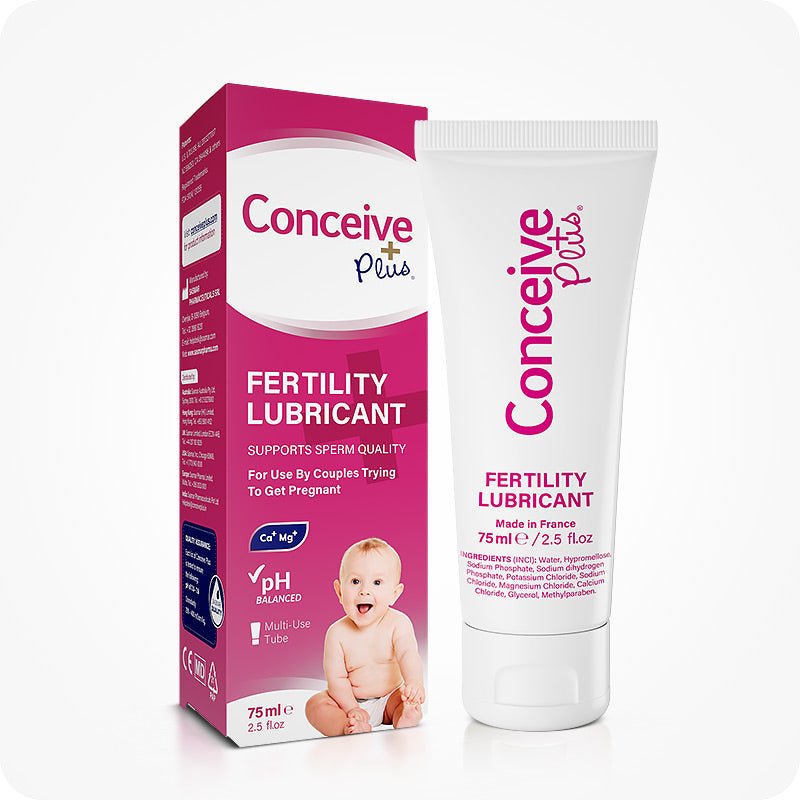
Conceive Plus Fertility Lubricant
Specially formulated to be sperm-friendly and isotonic, supporting your natural conception journey without disrupting the reproductive environment.
Shop Now →Q: Why am I so tired during pregnancy third trimester?
A: Third trimester fatigue occurs because your body is working overtime to support your growing baby and prepare for labor. During this stage, your blood volume increases by up to 50%, your heart works harder to circulate oxygen, and hormonal changes—particularly rising progesterone levels—naturally promote sleepiness. Additionally, physical discomfort from the extra weight you're carrying, frequent bathroom trips, and sleep disruptions make rest less restorative. The American College of Obstetricians and Gynecologists (ACOG) notes that fatigue is one of the most common third trimester complaints, affecting the majority of pregnant women.
Q: Is extreme fatigue in early pregnancy normal?
A: Yes, extreme fatigue in early pregnancy is completely normal and affects up to 80% of pregnant women, particularly during the first trimester. This exhaustion is primarily driven by rapidly rising hormone levels, especially progesterone and human chorionic gonadotropin (hCG), which signal your body to prioritize fetal development. Your metabolism also increases by 10-25% during pregnancy, requiring more energy from your body even while resting. Most women find that energy levels improve somewhat in the second trimester, though fatigue often returns in the third trimester as physical demands increase.
Q: What natural ways can I manage pregnancy exhaustion without medication?
A: Managing pregnancy exhaustion naturally starts with prioritizing sleep—aim for 8-10 hours nightly and take short naps when possible, as your body genuinely needs more rest during pregnancy. Stay hydrated and eat nutrient-dense foods rich in iron, B vitamins, and protein, as deficiencies in these nutrients commonly worsen fatigue; consider incorporating fertility-focused supplements like Conceive Plus prenatal vitamins that support energy metabolism during pregnancy. Regular gentle movement like walking or prenatal yoga can paradoxically boost energy levels by improving circulation and sleep quality. Additionally, reducing stress through meditation, spending time outdoors for natural light exposure, and delegating household tasks can help preserve your limited energy reserves.
Q: When should I be concerned about pregnancy fatigue and talk to my doctor?
A: While fatigue is normal in pregnancy, you should contact your healthcare provider if you experience sudden severe exhaustion that prevents daily functioning, as this could indicate gestational anemia, thyroid dysfunction, or gestational diabetes—conditions affecting 15-25% of pregnant women. According to the American Pregnancy Association, warning signs include extreme fatigue accompanied by shortness of breath, dizziness, rapid heartbeat, or persistent headaches. Your doctor may recommend a simple blood test to check iron and thyroid levels, which can be easily managed with dietary changes or supplementation. It's always better to report unusual symptoms rather than assume they're normal pregnancy changes.
Q: What vitamins and nutrients help with pregnancy fatigue?
A: Iron is one of the most critical nutrients for managing pregnancy fatigue, as your body needs twice the normal amount to support increased blood volume; low iron affects approximately 40% of pregnant women. B vitamins, particularly B12 and folate, are essential for energy metabolism and red blood cell formation, while magnesium supports muscle function and sleep quality. Vitamin D deficiency is linked to increased pregnancy fatigue and affects up to 40% of pregnant women, making supplementation important, especially during winter months. Choosing a comprehensive prenatal supplement like Conceive Plus that includes these key nutrients—iron, B-complex vitamins, and vitamin D—can help address nutritional gaps that contribute to exhaustion and support your body's increased energy demands.
Trusted by Couples in Over 70 Countries
Start Your Fertility Journey With the Right Support
Conceive Plus Fertility Lubricant is specially formulated to be compatible with sperm, eggs, and embryos. Whether you are just starting out or have been trying for a while, our products are designed to work with your body — not against it.
Explore Fertility Lubricant →