Tips to boost your fertility

Say no to alcohol and cigarettes
Several Scientific studies have proven that excessive consumption of alcoholic drinks and cigarettes can reduce man’s sperm quality and quantity. It is advised to exclude it from your and your partner’s daily diet when trying to conceive. But if abstinence is not possible then it is advised to reduce it to the strict minimum. The most important is exclude drinking and smoking during the second half of your cycle. Because that’s when you might be pregnant. If on the other hand you experience a period as normal, there’s little harm in drinking sensibly in accordance with medical guidelines.Seek out essential nutrients
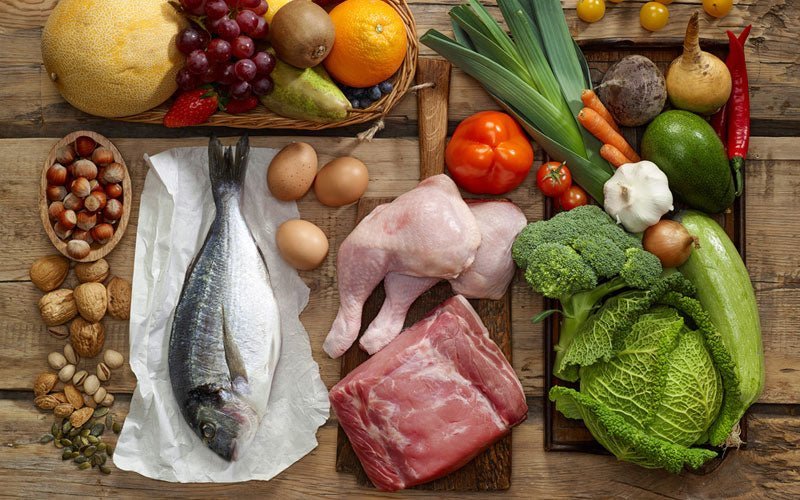
It has also been proved that deficiency in vitamins such as iron and vitamin D can prevent women from ovulation. If you have polycystic ovary syndrome (PCOS), you are likely to have a low shortage of vitamin D. Some women with PCOS are exposed to deficiency in vitamin D. So it is recommended to eat more fatty fish (such as salmon, tuna, and mackerel), eggs and drink cow’s milk to increase vitamin D in your body. But organ meats like liver and giblets, oysters, soybeans, pumpkin seeds, spinach and lentils are good source of iron. Also, low shortage of iodine can be said to weaken the performance of the thyroid gland as it is one of the major cause of infertility, a study even said that 50% of patient that suffer from infertility have shortage of iodine. A solution to this is taking an iodine supplement to counter the deficiency.Differentiate between good fats and bad fats

✨ Trying to Conceive?
Our Ovulation & Fertility Bundle combines Myo-Inositol with essential vitamins to support healthy hormone balance and regular ovulation.
Shop Now — $55.00✓ Free shipping on orders over $40 | ✓ Trusted by millions of couples worldwide
Trans fats (found primarily in foods such as commercial baked and snack foods, animal products, french fries and some margarines) increase insulin resistance. Insulin helps move glucose from the bloodstream to the cells; resistance means it’s harder to move glucose into the cells. The pancreas keeps pumping out more insulin anyway, and the result is more insulin in your bloodstream. High insulin levels cause a lot of metabolic disturbances that affect ovulation. Bad fats should be excluded from your diet.
Instead, it is advisable to consume good fats such as:
- Monounsaturated fatty acids – Found in plant foods like nuts, avocados, olive oil, and canola oil, and in poultry
- Polyunsaturated fatty acids – Found in fatty fish such as salmon and mackerel, and corn and soybean oils
- Ok-in-moderation fat – Found in meat and dairy products such as cheese, butter, and milk
Limit Caffeine
One study showed that women who drank more than one cup of coffee a day were half as likely to become pregnant per cycle as compared to women who consumed less. Another study in patients undergoing in vitro fertilisation (IVF) demonstrated that women who consumed even modest amounts of caffeine (50 mg) were likely to have decreased live birth rates. Although researchers haven’t been able to find a clear connection between moderate caffeine intake and fertility problems, the answer may be related to the ability of caffeine to influence the quality of the developing oocyte (egg). It’s generally considered safe to consume 200 to 300 milligrams (mg) of caffeine daily while trying to conceive. That’s up to two 8-ounce cups of coffee for a weak brew. If you get more than that, it might be a good idea to cut back.
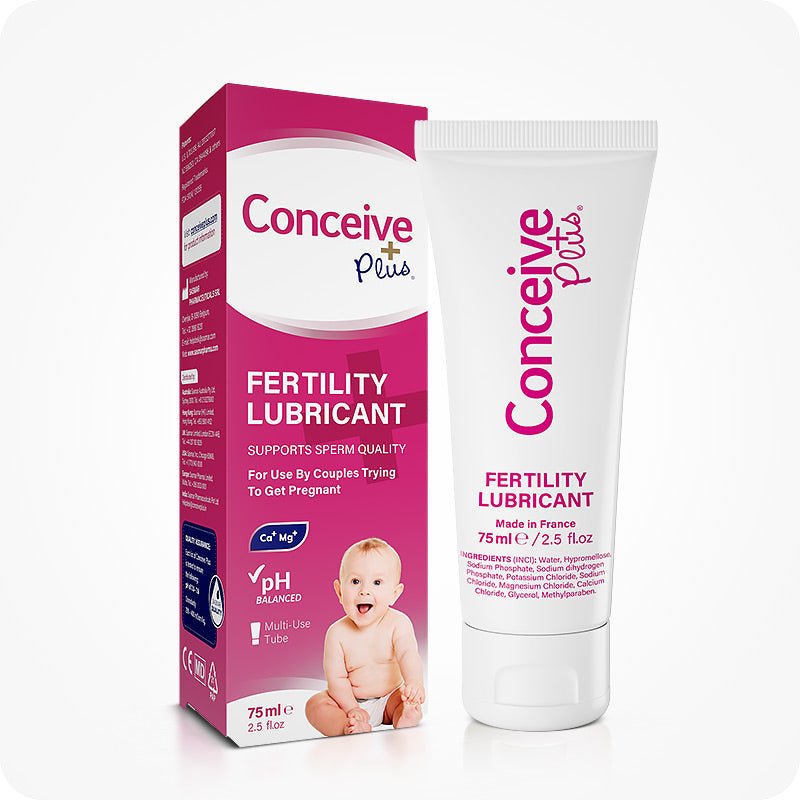
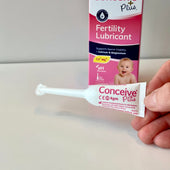
Check out Conceive Plus!
Since 2005, our mission to provide products that truly benefit the lives of consumers has remained solid. Conceive Plus® products are available in pharmacies, drug stores, fertility clinics and even supermarkets in over 70 countries around the world helping millions of couples to get pregnant.
🌱 Support Your Fertility Journey
Conceive Plus fertility supplements are clinically formulated to help regulate your cycle and support egg quality.
Shop Fertility Support →Frequently Asked Questions
Recommended by Fertility Experts
Conceive Plus Men's Fertility Support
Designed to support healthy sperm production, motility, and overall male reproductive health with clinically studied nutrients.
Shop Now →How long before conception should I start making lifestyle changes to improve fertility?
It's recommended to begin optimizing your health at least 3 months before trying to conceive, as this timeframe allows your body to adjust to dietary and lifestyle changes and can improve egg and sperm quality. The FDA and American Society for Reproductive Medicine (ASRM) suggest that preconception care should start as soon as you decide you want to have a baby. However, even small improvements made immediately can have positive effects on your fertility journey.
What specific vitamin deficiencies affect female fertility and how can I test for them?
Vitamin D and iron deficiencies are the most common nutritional deficiencies that can impair ovulation and fertility in women, particularly those with PCOS. You can request blood tests from your healthcare provider to check your vitamin D, iron, and iodine levels, and most insurance plans cover these basic fertility workup tests. If deficiencies are found, your doctor may recommend dietary changes or supplements, such as prenatal vitamins that contain these essential nutrients.
Is it safe to drink alcohol while trying to conceive?
The safest approach is to avoid alcohol entirely when actively trying to conceive, especially during the second half of your menstrual cycle when pregnancy may have occurred. The CDC and ASRM recommend abstinence because alcohol can impair egg quality and increase miscarriage risk, and there is no established safe level of alcohol consumption during the conception period. If you do choose to drink before confirming your cycle, limit consumption to the first half and follow medical guidelines for moderate drinking.
How do trans fats impact my fertility and which foods should I avoid?
Trans fats increase insulin resistance, which disrupts hormone levels and interferes with ovulation, making them particularly problematic for fertility. You should avoid commercial baked goods, fried foods, certain margarines, and processed snacks that contain partially hydrogenated oils, which are the primary
Can iodine deficiency really affect my ability to get pregnant?
Yes—iodine is essential for proper thyroid function, and studies suggest that approximately 50% of infertility cases may be linked to iodine deficiency. The thyroid regulates metabolism and hormones critical for ovulation and conception, so inadequate iodine can significantly impact fertility. You can increase iodine intake through iodized salt, seafood, dairy products, or by taking a supplement recommended by your fertility doctor.
Should my partner also make lifestyle changes to improve fertility?
Absolutely—male factor infertility accounts for about 40% of conception difficulties, and lifestyle changes significantly impact sperm quality and quantity. Studies show that alcohol and smoking reduce sperm count and motility in men, so your partner should also eliminate or minimize these substances when trying to conceive. Both partners making healthy changes together increases the chances of successful conception and ensures a healthy environment for pregnancy.
What is the connection between PCOS and vitamin D deficiency, and how should I manage it?
Women with PCOS are at higher risk for vitamin D deficiency, which can worsen insulin resistance and disrupt ovulation—creating a cycle that makes conception more difficult. The ASRM recommends that women with PCOS get their vitamin D levels tested and aim for optimal levels through fatty fish, egg yolks, fortified milk, and supplements if needed. Managing vitamin D deficiency is considered part of a comprehensive PCOS treatment plan and may improve fertility outcomes when combined with other interventions.
Trusted by Couples in Over 70 Countries
Support Male Fertility From the Inside Out
Male fertility is just as important as female fertility in the conception journey. Conceive Plus Men's range delivers targeted nutritional support to promote healthy sperm and overall reproductive wellbeing.
Shop Men's Range →