Where to Get Fertility Test: Clinics and At-Home Options
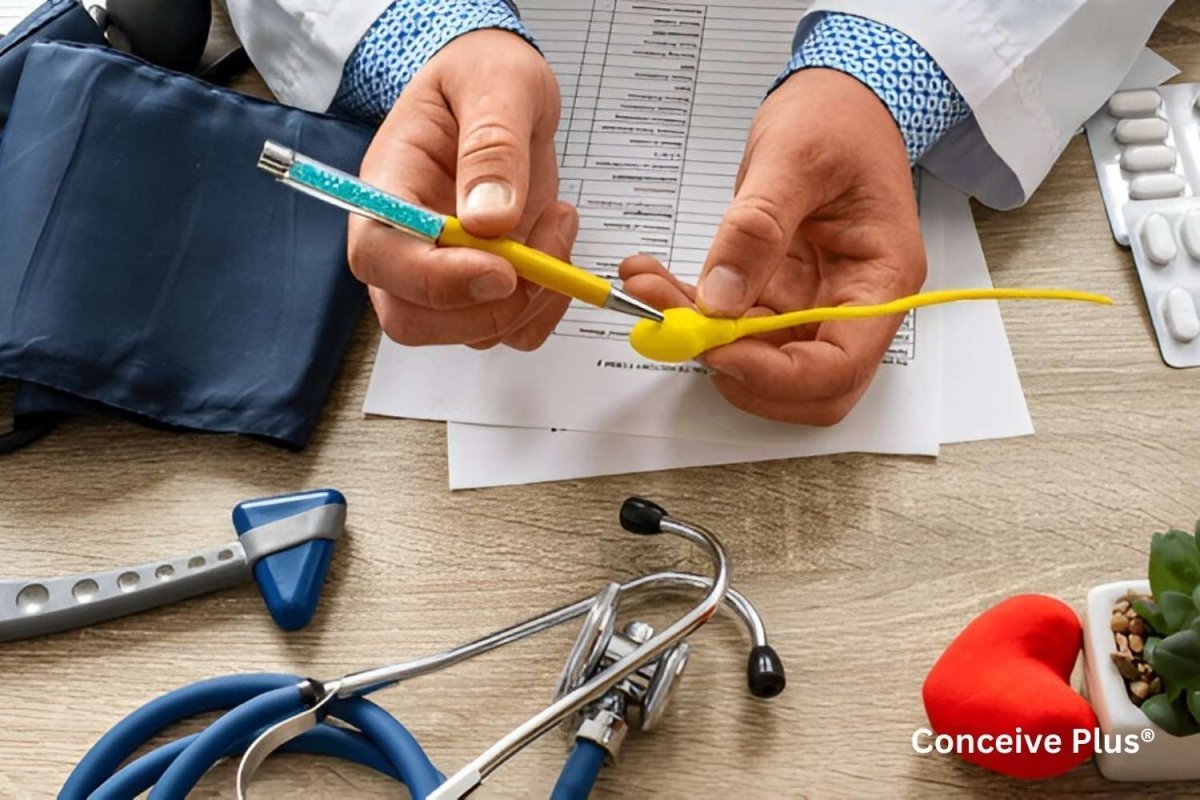

If you are trying to have a baby but failing, it is important to test for the cause. The tests that tell you about your fertility status or how likely you can father a child are called fertility tests. Male fertility tests tell you key information about your sperm health and the overall health of your reproductive system [1]. Taking a test to check male fertility can provide valuable insights into your reproductive health.
When it's the first fertility test, men often find themselves asking, where do I go to get a fertility test, or where to get fertility test.
Fortunately, there are different ways to get a fertility test. Today, you can visit any clinic to evaluate your fertility health or perform a fertility test at home with reliable results.

How Does A Fertility Test Work?
There are multiple factors that determine men's fertility status, and fertility tests measure those factors. Here is how to test for infertility with the help of the following factors:
-
Sperm Health
Sperm health is determined by the number of sperm cells (sperm count), how well the sperm can swim (sperm motility), and the shape of the sperm (sperm morphology). Tests like semen analysis measure these sperm parameters and give you detailed information about your sperm health [2].
-
Hormone Levels
Testosterone is the primary male sex hormone, which is essential for healthy sperm production [3]. When a male has low testosterone, it reduces his ability to produce healthy sperm cells. Different fertility tests measure testosterone levels in the body and inform you whether you are testosterone deficient.
-
General Reproductive Health
General reproductive health refers to the health of the overall reproductive system. This can include tests for analyzing the ability of the testes to produce sperm or the ability of the penis to get an erection and deliver the sperm cells into the female body.
Fertility Tests at Clinics
The best way to evaluate your fertility status and overall reproductive health is to get detailed fertility tests at any hospital or a fertility clinic. Clinics typically offer you all types of fertility tests and give you a clear picture of your reproductive health.
Types of Fertility Tests At Clinics
Any hospital or fertility clinic typically offers you the following tests:
- Semen Analysis: Semen analysis is the most common test for male fertility. This test provides you with information about your sperm count, motility, and morphology [2]. A semen analysis report is often enough to make the diagnosis and proceed with the infertility treatment.
- Blood Tests: These tests focus on checking hormone levels in the blood, like testosterone levels. Blood tests can also tell about infections that might affect reproductive health.
- Ultrasound Scans: Ultrasound is a diagnostic procedure that uses sound waves to scan reproductive organs. These ultrasounds can detect abnormalities, such as blockage or clots in the reproductive system.
- Infectious Disease Testing: Some fertility tests are specially designed for testing infections that can affect fertility. One common example is urine tests for sexually transmitted infections [4].
- Genetic Testing: Genetic testing is a complex procedure that you get at only some fertility clinics. This tests your genetic sequence for any genetic mutation that might cause poor sperm production [5].

✨ Support Healthy Sperm
Our Motility Support supplement contains Zinc, CoQ10, and L-Carnitine — clinically studied nutrients for sperm health and motility.
Shop Now — $34.95✓ Free shipping on orders over $40 | ✓ Trusted by millions of couples worldwide

Benefits of Clinic-Based Fertility Tests
Fertility clinics are equipped with advanced technology, and they can test different aspects of fertility with precision. Since fertility clinics have qualified and skilled staff, the chances of human error are very low compared to at-home fertility tests.
One major benefit of getting fertility tests from a clinic is the expert advice on your test reports. Different fertility clinics offer consultation services where a fertility specialist analyzes your report and guides you on your fertility journey based on your reports.
At-Home Fertility Tests
At-home fertility tests offer a good start for evaluating your fertility status without needing to visit a clinic. It is also a convenient option for people who are hesitant to visit a clinic or are concerned about their privacy.
Types of At-Home Fertility Tests
There are only limited male fertility aspects that you can test at home. You can check fertility at home with the following kits:
- Sperm Test Kits: Sperm test kits come with all the necessary equipment and instructions on how to perform the test. These test kits usually tell about sperm count and sperm motility.

- Hormone Testing Kits: At-home hormone testing kits are not as common as sperm test kits. However, they are effective in giving you a hint about your hormone levels. But how is fertility test done for hormones at home? Blood or saliva is commonly used as a sample for hormone testing at home.
Choosing Between Clinic and At-Home Testing
Both clinic and at-home testing have their advantages and disadvantages. You can choose the one that suits you the best.
- Clinic Testing: Clinic-based tests are objectively more accurate, provide comprehensive insights, and offer the chance to get professional advice. These tests can be costly and a little inconvenient for some people.
If you are trying to conceive or have any concerns about your fertility, it’s a good idea to search for ‘fertility test near me’ on the internet and book a consultation.
- At-Home Testing: Fertility home tests are more convenient and often less expensive. These tests allow you to test your reproductive health in the comfort of your home. In addition to testing, some men choose to use fertility supplements that support sperm health and enhance fertility.
However, if the results are concerning or unclear, it's best to go for a more detailed, clinic-based fertility test option.
The Bottom Line
Fertility tests are specially designed tests that give you valuable insights into your fertility status. These tests can help you figure out the causes of infertility and track the improvement in reproductive health.
Some people ask questions like where to get fertility test or how to test for fertility status. Fertility clinics provide different fertility test options based on your requirements or prescription by your doctor.
The other option to test for fertility health is to use at-home fertility testing kits. These kits allow you to analyze key aspects of your fertility, such as sperm health and sex hormone levels.
FAQs
-
How do doctors test for infertility?
Doctors test for infertility with the help of semen analysis, blood tests, imaging techniques, and medical histories. The fertility treatments then involve addressing the cause of infertility.
-
How to test if a woman is infertile?
A woman is considered infertile if she has been trying to conceive for more than 12 months without any birth control but with no success.
Resources Used
- Leslie, S. W., Soon-Sutton, T. L., & Khan, M. A. (2024h, February 25). Male Infertility. StatPearls - NCBI Bookshelf. https://www.ncbi.nlm.nih.gov/books/NBK562258/
- Sunder, M., & Leslie, S. W. (2022i, October 24). Semen Analysis. StatPearls - NCBI Bookshelf. https://www.ncbi.nlm.nih.gov/books/NBK564369/
- Assar, G. N., & Leslie, S. W. (2023e, January 2). Physiology, Testosterone. StatPearls - NCBI Bookshelf. https://www.ncbi.nlm.nih.gov/books/NBK526128/
- Garcia, M. R., Leslie, S. W., & Wray, A. A. (2024, April 20). Sexually Transmitted Infections. StatPearls - NCBI Bookshelf. https://www.ncbi.nlm.nih.gov/books/NBK560808/
- Pelzman, D. L., & Hwang, K. (2021). Genetic testing for men with infertility: techniques and indications. Translational Andrology and Urology, 10(3), 1354–1364. https://doi.org/10.21037/tau-19-725
🌱 Boost Male Fertility Naturally
Conceive Plus Men's Motility Support is formulated with the nutrients that matter most for sperm quality, count, and motility.
Shop Men's Fertility →Frequently Asked Questions
Recommended by Fertility Experts
Conceive Plus Men's Fertility Support
Designed to support healthy sperm production, motility, and overall male reproductive health with clinically studied nutrients.
Shop Now →Do I need a doctor's referral to get fertility testing?
While some fertility clinics and hospitals accept self-referrals, many insurance plans require a doctor's referral for coverage of fertility tests. We recommend contacting your primary care physician or OB-GYN first to discuss your fertility concerns and obtain a referral, which can help ensure your tests are covered by insurance. If you prefer to skip the referral process, at-home fertility tests are available without any physician involvement.
Are at-home fertility tests accurate and FDA-approved?
Many at-home male fertility tests measure key parameters like sperm count and motility, though they typically don't provide the comprehensive analysis of a clinical semen analysis. The FDA regulates some at-home fertility tests, but results vary in accuracy depending on the brand and methodology. For the most reliable diagnosis, especially if you're concerned about infertility, a clinical semen analysis performed by a certified andrology laboratory is still considered the gold standard by the American Society for Reproductive Medicine (ASRM).
What is the average cost of fertility testing without insurance?
At-home fertility tests typically range from $50 to $300, while a clinical semen analysis at a fertility clinic can cost between $200 and $500 depending on the facility and location. Comprehensive fertility workups that include hormone testing and other evaluations may cost $1,000 or more. Many fertility clinics offer package pricing, and some provide discounts for uninsured patients, so it's worth calling ahead to ask about pricing.
How long does it take to get fertility test results?
At-home fertility tests typically provide results within 24-48 hours, though some may take up to 5-7 days depending on the testing method. Clinical semen analyses at fertility clinics usually take 2-7 business days, as the sample must be analyzed by a trained andrologist in a specialized laboratory. Hormone level tests may take longer, sometimes up to 1-2 weeks, depending on the lab's processing time.
Will my insurance cover fertility testing?
Insurance coverage for fertility testing varies significantly by plan and state, with some plans covering diagnostic tests while others only cover treatment. Federal employees and residents of certain states like New York and Illinois have more comprehensive fertility coverage, while others may have limited or no coverage. We recommend contacting your insurance provider directly to ask about coverage for semen analysis and hormone testing, and whether a referral is required.
What should I do to prepare for a semen analysis test?
For the most accurate semen analysis results, you should abstain from ejaculation for 2-5 days before the test, as recommended by ASRM guidelines. Avoid alcohol, smoking, and excessive heat exposure for at least 24 hours prior to testing, as these can temporarily affect sperm quality. Most clinics will provide specific preparation instructions when you schedule your appointment, so be sure to follow them carefully for reliable results.
Can fertility testing diagnose the exact cause of infertility?
While fertility tests provide important information about sperm health and hormone levels, they may not identify all causes of infertility, which is why a comprehensive evaluation by a fertility specialist is often necessary. Some causes of male infertility, such as blocked ejaculatory ducts or genetic issues, require additional imaging or genetic testing to diagnose. If initial fertility tests show abnormal results, your doctor may recommend further evaluation with a reproductive endocrinologist or urologist specializing in male infertility.
Trusted by Couples in Over 70 Countries
Support Male Fertility From the Inside Out
Male fertility is just as important as female fertility in the conception journey. Conceive Plus Men's range delivers targeted nutritional support to promote healthy sperm and overall reproductive wellbeing.
Shop Men's Range →