Health & Fitness Magazine...
The UK's Health & Fitness magazine says ... "A HELPING HAND"
Frequently Asked Questions
Recommended by Fertility Experts
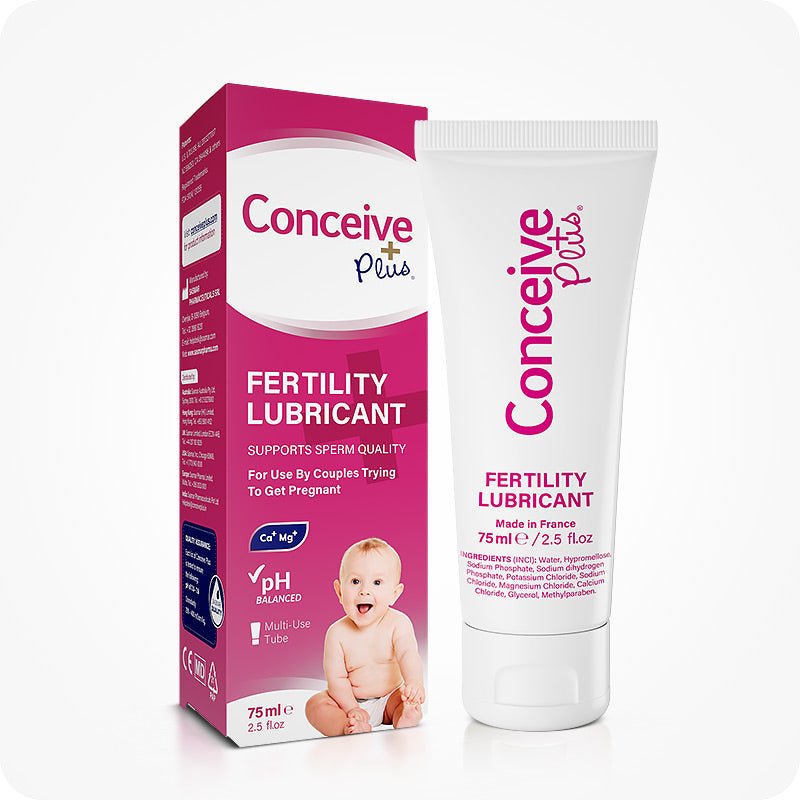
Conceive Plus Fertility Lubricant
Specially formulated to be sperm-friendly and isotonic, supporting your natural conception journey without disrupting the reproductive environment.
Shop Now →What fertility treatments are covered by insurance in the United States?
Insurance coverage for fertility treatments varies significantly by state and plan. Currently, 19 US states have some form of fertility insurance mandate, though coverage details differ widely—some cover only diagnostic testing, while others cover procedures like IVF. It's essential to review your specific plan documents or contact your insurance provider directly to understand what fertility services, medications, and procedures are covered under your policy.
How does the ASRM define infertility, and when should I see a fertility specialist?
The American Society for Reproductive Medicine (ASRM) defines infertility as the inability to achieve pregnancy after one year of unprotected intercourse (or six months if the woman is over 35). You should consider consulting a fertility specialist if you're under 35 and haven't conceived after 12 months of trying, or over 35 and haven't conceived after 6 months of trying.
Are fertility drugs FDA-approved, and what are the potential side effects?
Yes, common fertility medications like clomiphene citrate, gonadotropins, and GnRH agonists are FDA-approved for treating infertility. Potential side effects can include headaches, mood changes, bloating, and in rare cases, ovarian hyperstimulation syndrome (OHSS). Your fertility clinic will monitor you closely during treatment and discuss specific risks based on your health profile.
What is the success rate of IVF in the United States?
IVF success rates in the US vary based on age, egg quality, and clinic, but the CDC reports that approximately 40-50% of IVF cycles result in pregnancy for women under 35. Success rates decline with age, dropping to about 10-20% for women over 42. The Society for Assisted Reproductive Technology (SART) publishes clinic-specific data that can help you compare outcomes.
Can lifestyle changes improve fertility before pursuing medical treatment?
Yes, lifestyle modifications such as maintaining a healthy weight, managing stress, limiting alcohol, quitting smoking, and eating a nutrient-rich diet can improve fertility outcomes naturally. Many fertility specialists recommend trying these evidence-based approaches for 3-6 months before pursuing invasive treatments, though the timeline depends on your age and individual circumstances.
How much does fertility treatment cost in the US, and are there financial assistance options?
The cost of fertility treatments ranges from
What should I look for when choosing a fertility clinic?
Look for clinics with board-certified reproductive endocrinologists, transparent success rate data (available through SART), proper accreditation, and comprehensive patient support services. It's also important to consider the clinic's location, insurance acceptance, and whether their treatment philosophy aligns with your values and goals. Reading patient reviews and scheduling consultations with multiple clinics can help you make an informed decision.
Trusted by Couples in Over 70 Countries
Start Your Fertility Journey With the Right Support
Conceive Plus Fertility Lubricant is specially formulated to be compatible with sperm, eggs, and embryos. Whether you are just starting out or have been trying for a while, our products are designed to work with your body — not against it.
Explore Fertility Lubricant →