"I believe your product was the answer to all our prayers!"
We are so delighted to receive the below email and photo... isn't she just beautiful?
Testimonial: Hi, I wanted to drop you a quick line just to let you know, I believe your product was the answer to all our prayers! In 2008 we decided to try for a 2nd child- our first we conceived via frozen embryo from a failed ICSE treatment. We went ahead and started a fresh ICSE cycle which proved to be one problem after another and after making no successful embryos from the cycle due to poor egg and sperm quality I had more tests and was told that my amh level was so low I only had aprox 6 months of fertility left- we raced to find funds to try another cycle which I got 22 eggs and out if those only 2 fertilised- these were put back in but unfortunately didn't take and we were told the devastating news that it would now need to be donor egg and Sperm.
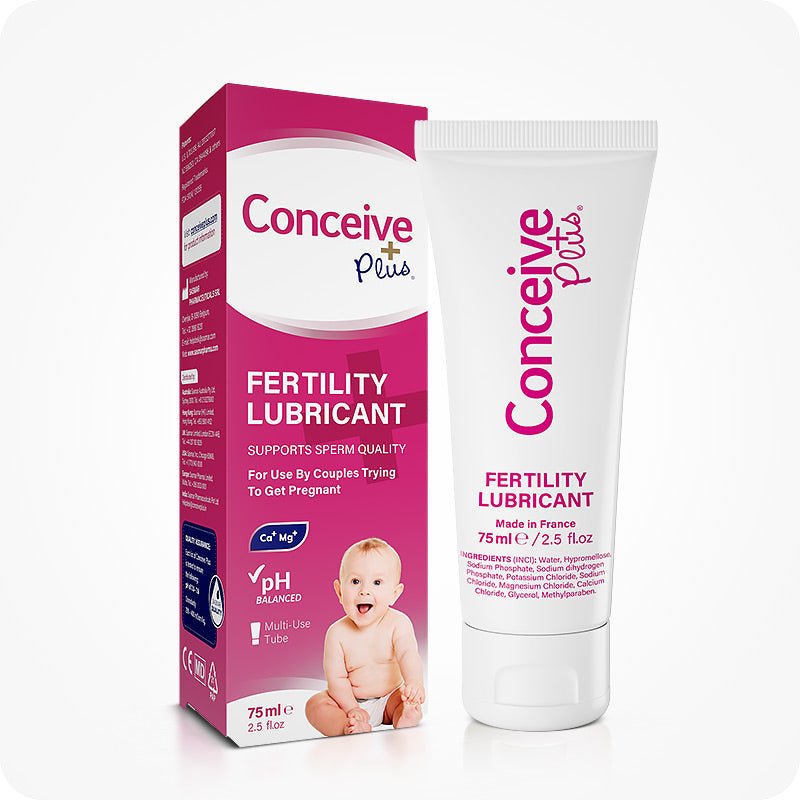
We couldn't afford to go for any more treatment at that time and after some research online I came across your product. I decided to go and purchase some (much to the bemusement of my husband who thought id lost my mind- after starting to use it the first month after our failed treatment I was absolutely gobsmacked to find out I was pregnant!!!!
The clinic were in shock and said it might not be a viable pregnancy as it could be things going on from the last cycle etc and it took 3 weeks before I got a confirmation that we had indeed conceived ourselves and there's no doubt in my mind that it was this gel! I had a few friends who have also been trying and it worked for another 2 of them!
Thanks so much as whatever it does this gel, it worked and as crazy as it sounds I don't doubt for a minute it was this.... Thanks for your time ....
Jen from Southport (ja****@hotmail.com)
Frequently Asked Questions
Recommended by Fertility Experts
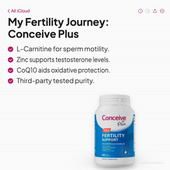
Conceive Plus Men's Fertility Support
Designed to support healthy sperm production, motility, and overall male reproductive health with clinically studied nutrients.
Shop Now →What is AMH and why is it important for fertility?
AMH (anti-müllerian hormone) is a blood test that measures your ovarian reserve, indicating how many eggs you have remaining. Low AMH levels may suggest diminished ovarian reserve, though it's just one factor in fertility assessment and doesn't determine your ability to conceive naturally. The American Society for Reproductive Medicine (ASRM) recommends using AMH alongside other tests like FSH and antral follicle counts for a complete fertility evaluation.
Can you get pregnant naturally after failed IVF cycles?
Yes, many couples conceive naturally after unsuccessful fertility treatments, though the reasons vary widely. Factors like stress reduction, lifestyle changes, nutritional support, and time can all play roles in natural conception. It's important to work with a fertility specialist to identify any underlying issues that may have contributed to previous treatment failures.
What should I know about ICSI treatment and fertilization rates?
ICSI (intracytoplasmic sperm injection) is recommended when male factor infertility is present, as it involves injecting a single sperm into an egg. Low fertilization rates despite adequate egg and sperm numbers may indicate egg quality issues, sperm quality problems, or embryonic factors. Your fertility clinic can discuss whether ICSI is appropriate for your specific situation based on semen analysis results.
How can I improve egg and sperm quality before fertility treatment?
Both egg and sperm quality can be influenced by lifestyle factors including diet, exercise, stress management, sleep, and avoiding smoking and excessive alcohol. Research suggests that certain supplements and nutrients—like CoQ10, vitamin D, and antioxidants—may support reproductive health, though evidence varies. Consulting with a reproductive endocrinologist or registered dietitian specializing in fertility can help create a personalized plan to optimize both partners' reproductive health.
What is the success rate for frozen embryo transfers versus fresh cycles?
Recent data shows frozen embryo transfers often have comparable or slightly higher success rates than fresh cycles, with the added benefit of allowing time for uterine preparation. Success rates depend on multiple factors including embryo quality, maternal age, and the specific fertility clinic's expertise. The CDC's Assisted Reproductive Technology (ART) Success Rates report provides detailed national data that can help you compare clinic outcomes.
Does insurance cover fertility treatments like IVF and ICSI in the United States?
Insurance coverage for fertility treatments varies significantly by state and insurance plan—some states mandate coverage while others don't. IVF, ICSI, and other assisted reproductive procedures can cost $12,000-$15,000 or more per cycle, making insurance coverage an important consideration. Contact your insurance provider directly to understand your specific benefits, and ask your fertility clinic about payment plans or financing options if coverage is limited.
When should I consider seeing a fertility specialist?
The American College of Obstetricians and Gynecologists (ACOG) recommends fertility evaluation after one year of unprotected intercourse for women under 35, or after six months for women 35 and older. You should also seek specialist care if you have known fertility risk factors, irregular cycles, previous failed treatments, or if your OB-GYN suspects reproductive issues. A fertility specialist can perform comprehensive testing to identify treatable causes and discuss appropriate treatment options.
Trusted by Couples in Over 70 Countries
Support Male Fertility From the Inside Out
Male fertility is just as important as female fertility in the conception journey. Conceive Plus Men's range delivers targeted nutritional support to promote healthy sperm and overall reproductive wellbeing.
Shop Men's Range →