Women loose 90% of their eggs by age 30

✨ Trying to Conceive?
Our Ovulation & Fertility Bundle combines Myo-Inositol with essential vitamins to support healthy hormone balance and regular ovulation.
Shop Now — $55.00✓ Free shipping on orders over $40 | ✓ Trusted by millions of couples worldwide
🌱 Support Your Fertility Journey
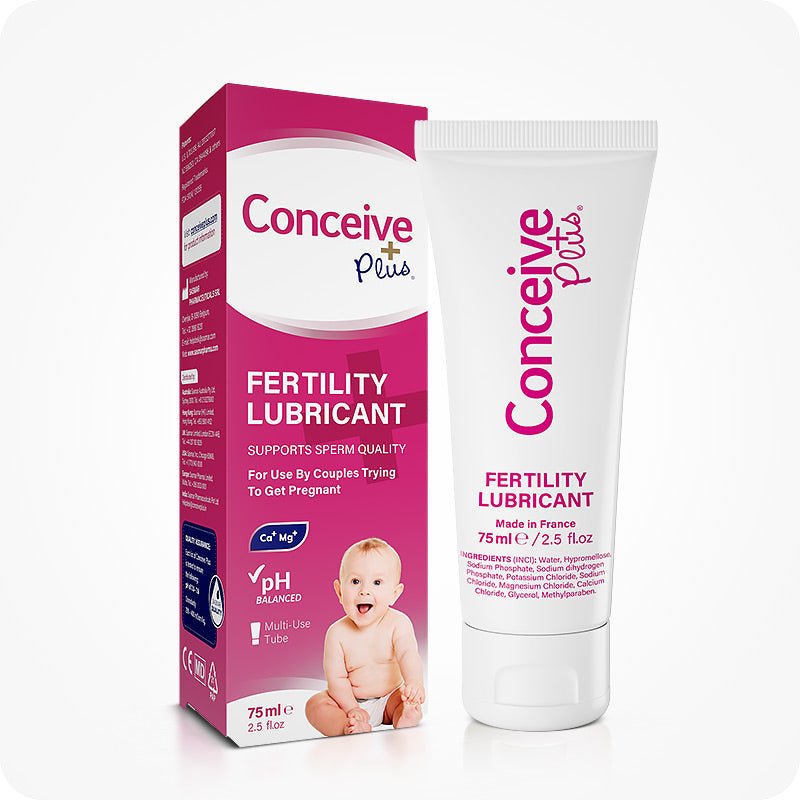
Conceive Plus fertility supplements are clinically formulated to help regulate your cycle and support egg quality.
Shop Fertility Support →Frequently Asked Questions
Recommended by Fertility Experts
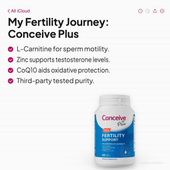
Conceive Plus Men's Fertility Support
Designed to support healthy sperm production, motility, and overall male reproductive health with clinically studied nutrients.
Shop Now →Is it true that women are born with all the eggs they'll ever have?
Yes, according to the American Society for Reproductive Medicine (ASRM), women are born with approximately 1-2 million eggs, and this number only decreases over time—they don't regenerate. By puberty, this number drops to around 300,000-400,000 eggs, and the decline continues throughout a woman's reproductive years. This is why egg quantity and quality become increasingly important factors in fertility as women age.
What causes egg loss during reproductive years?
Egg loss occurs through a natural biological process called atresia, where eggs that are not selected during the menstrual cycle die off. Additionally, each month during ovulation, a woman releases one egg, and approximately 1,000 eggs are lost during each cycle regardless of whether pregnancy occurs. This continuous decline is a normal part of reproductive aging and is not preventable through lifestyle changes alone.
Can supplements like Myo-Inositol improve egg quality at any age?
While supplements like Myo-Inositol may support hormone balance and ovulation regularity—particularly in women with PCOS—they cannot increase the number of eggs you have or reverse age-related egg decline. The FDA regulates supplements differently than medications, so it's important to consult with a fertility specialist or your OB-GYN before starting any supplement regimen to ensure it's appropriate for your specific situation.
How does age affect fertility and egg quality according to fertility experts?
The American Society for Reproductive Medicine reports that egg quality declines significantly after age 35, with miscarriage rates and chromosomal abnormalities increasing substantially. By age 40, fertility drops more dramatically, and by age 45, pregnancy becomes increasingly unlikely without assisted reproductive technologies like IVF. Age-related decline in egg quality is the primary reason why maternal age is a significant factor in fertility outcomes.
What fertility testing options are available to assess remaining egg supply?
Women can discuss ovarian reserve testing with their fertility specialist, which typically includes blood tests measuring Anti-Müllerian Hormone (AMH) levels and follicle-stimulating hormone (FSH), along with transvaginal ultrasound to count antral follicles. These tests provide a snapshot of egg quantity but not quality, and results should be interpreted by a qualified reproductive endocrinologist. Insurance coverage for fertility testing varies, so check with your provider about wh
At what age should women concerned about egg supply consider fertility evaluation?
The American College of Obstetricians and Gynecologists recommends that women over 35 who have been trying to conceive for 6 months, or women over 40 trying for 3 months, should seek fertility evaluation. However, younger women with concerns about ovarian reserve, irregular cycles, or family history of early menopause may also benefit from consultation with a reproductive endocrinologist. Early evaluation can help identify options and allow time for treatment planning if necessary.
Are there FDA-approved treatments to improve egg quantity or stop egg loss?
There are currently no FDA-approved medications or treatments that can increase egg quantity or prevent the natural decline of eggs over time. However, treatments like hormone therapy can optimize ovulation and egg release, and assisted reproductive technologies like IVF can help maximize the chances of conception with remaining eggs. Your fertility specialist can discuss evidence-based treatment options tailored to your age, health status, and fertility goals.
Trusted by Couples in Over 70 Countries
Support Male Fertility From the Inside Out
Male fertility is just as important as female fertility in the conception journey. Conceive Plus Men's range delivers targeted nutritional support to promote healthy sperm and overall reproductive wellbeing.
Shop Men's Range →