Does the missionary position increase chances of conception compared to other positions?
The missionary position is often recommended by fertility specialists because it allows for deeper penetration and keeps sperm closer to the cervix, potentially improving fertilization odds. However, the American Society for Reproductive Medicine (ASRM) notes that the most important factor is regular intercourse around ovulation, regardless of position. Any position that allows for comfortable, consistent intercourse during your fertile window can support conception.
Conceive Plus Ovulation Support — scientifically formulated for cycle health
Should I stay in bed after intercourse to help with conception?
While some couples believe remaining horizontal after sex improves conception chances, research shows this practice has minimal impact on pregnancy rates. The ASRM states that sperm reach the fallopian tubes within minutes of ejaculation, so brief bed rest is not necessary. Focus instead on timing intercourse correctly around ovulation for the best fertility outcomes.
Can using fertility lubricants affect conception success?
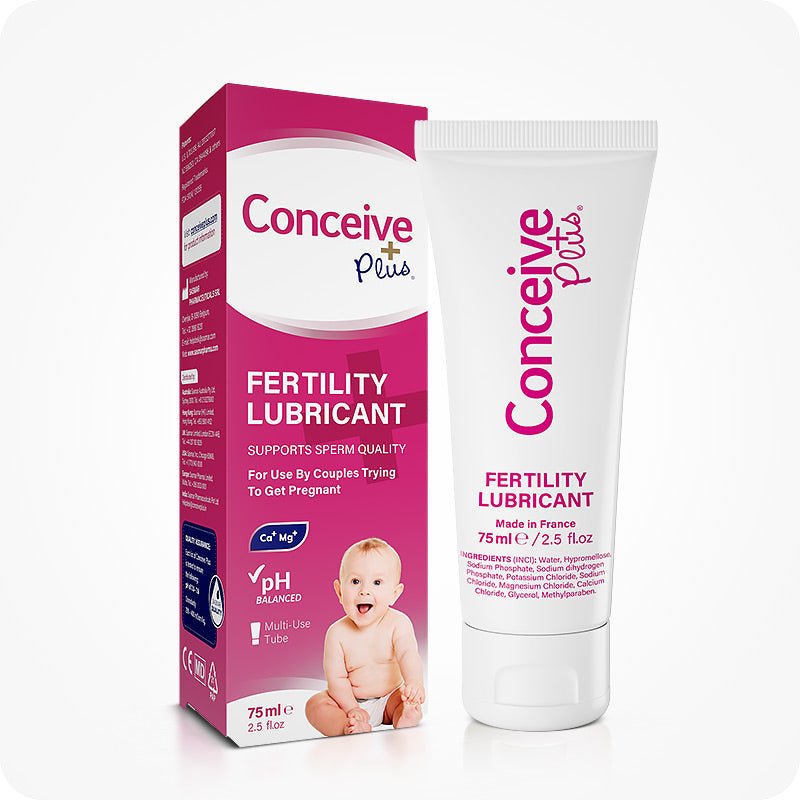
Standard personal lubricants can actually harm sperm mobility and may reduce conception chances. Fertility-specific lubricants, such as those containing non-spermicidal formulas, are designed to mimic natural cervical mucus and support sperm movement without interfering with fertilization. If you're using any lubricant during your fertile window, choose one specifically labeled as fertility-friendly.
How often should we have intercourse to maximize conception chances?
The ASRM recommends having intercourse every 2-3 days throughout your cycle, or at least every other day during your fertile window (typically the 5 days before ovulation and the day of ovulation). This frequency helps ensure healthy sperm are present when the egg is released, without depleting sperm count. Tracking ovulation through methods like basal body temperature or ovulation predictor kits can help you time intercourse more effectively.
Does female orgasm during intercourse help with conception?
While some studies suggest uterine contractions from orgasm may help sperm transport, the evidence is inconclusive and not considered a primary factor in conception success. The most critical elements remain timing intercourse during ovulation and having healthy sperm and egg quality. Fertility specialists emphasize that stress reduction and overall health are more important than achieving orgasm during conception attempts.
When should I see a fertility specialist if position changes haven't
Conceive Plus Women's Fertility — trusted by thousands of couples
helped us conceive?
The American College of Obstetricians and Gynecologists recommends consulting a fertility specialist after 12 months of unprotected intercourse without conception if you're under 35, or after 6 months if you're 35 or older. Position changes alone are not a fertility treatment and won't address underlying medical issues like irregular ovulation or blocked fallopian tubes. A specialist can run diagnostic tests and recommend evidence-based treatments if needed.
Are there supplements or products that work better with certain positions for conception?
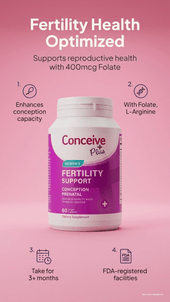
While fertility lubricants and supplements for sperm health may support conception efforts, their effectiveness is independent of sexual position. Products like those containing L-arginine or CoQ10 have some clinical support for improving sperm quality when taken as directed. Always consult your healthcare provider before starting any supplement, and remember that position selection is less important than addressing any underlying fertility factors.
Trusted by Couples in Over 70 Countries
Support Male Fertility From the Inside Out
Male fertility is just as important as female fertility in the conception journey. Conceive Plus Men's range delivers targeted nutritional support to promote healthy sperm and overall reproductive wellbeing.