20 Weeks Belly: What to Expect and How to Care for It


You have covered half the way to pregnancy and your 20 weeks belly is now more noticeable. It’s your body’s adapting to motherhood. Your growing bump shows the healthy growth of the baby within you. It’s totally fine to feel a little emotional seeing these drastic changes in your body.
At 20 weeks, your uterus size has grown quite well, reaching almost about the level of your belly button. After this expansion, you might feel your baby's movements more than often. In this post, let’s explore what you can expect at 20 weeks of pregnancy. Know more about your baby's development, physical changes you may experience, common symptoms, and how to care for your growing belly.

Your Baby's Development at 20 Weeks
Your baby has grown to about the size of a banana. 20 weeks belly means a baby between 6.5 to 8 inches from crown to rump, weighing around 9 to 10.2 ounces. Your little one's body is developing fast.
Your baby's skin is now protected by a fine, light hair called lanugo and a slick, white substance known as vernix. These protective layers help shield your baby's delicate skin while in the amniotic fluid. Remarkably, your baby's unique fingerprints are forming, a trait that will stay with them for life [1].
Your baby's senses are also developing. They now have working taste buds and may even be practicing their sucking reflex. You might catch a glimpse of your baby sucking their thumb during your next ultrasound! Your little one is also becoming more active, gulping down amniotic fluid and developing regular sleep-wake cycles.
Physical Changes in Your 20-Week Belly
The size of uterus at 20 weeks makes you “visibly” pregnant. You're likely to have gained about 10 pounds by now. The recommended weight gain during pregnancy depends on your pre-pregnancy weight. So, if you started at a normal weight, you may gain between 25 and 35 pounds throughout your pregnancy. Earlier in your pregnancy, you might have wondered, 'how big is my womb at 12 weeks,' but now at 20 weeks, your growing belly is a clear sign of your baby's development.
The growing belly is a sign that your baby is healthy and growing. At this stage, your little one measures between 6.5 to 8 inches from crown to rump and weighs about 9 to 10.2 ounces. You might notice your belly button protruding as your uterus pushes against your abdominal wall.
Remember, every pregnancy is unique. Factors like your height, muscle tone, and whether this is your first pregnancy can affect how you carry your baby. Don't worry if your uterus size at 20 weeks is different from others – just make sure you and your baby are healthy.


✨ Think You Might Be Pregnant?
Get fast, accurate results up to 6 days before your missed period with our early detection pregnancy test.
Shop Now — $9.80✓ Free shipping on orders over $40 | ✓ Trusted by millions of couples worldwide
Common Symptoms at 20 Weeks
At 20 weeks pregnant, you're likely to go through a range of symptoms as your body continues to adapt to pregnancy.
- One of the most exciting things that’ll happen to you is feeling your baby's first movements. This is known as quickening. You might sense fluttering, tapping, or light rolls in your lower belly. These sensations usually start by the 16th week and become prominent by the 25th week. However, first-time moms may not feel them until closer to 20 weeks.
- Your appetite may increase as your body demands more nourishment for your growing baby. You'll need about 300 to 350 extra calories per day in the second trimester. But food aversions are not that common. It only happens to 60% of pregnant women. Listen to your body and try to make nutritious choices when possible for a healthy uterus size at 20 weeks [3].
- Other common symptoms at this stage include
- Fatigue
- Headaches, and
- Mild swelling in your legs and feet.
Remember, every pregnancy is slightly different from others. So, it’s okay to have any other symptoms too.
Caring for Your 20-Week Belly
As your 20 weeks belly grows, it's crucial to take care of yourself and your developing baby.
- Exercise is one of the best things you can do for yourself and your little one. It helps you gain an appropriate amount of weight and prepares you for the challenges of birth. Aim for 150 minutes of cardiovascular activity each week and 2 to 3 days of strength training exercises [4].
- Walking is an excellent, low-impact exercise for pregnant women. Try to walk for 30 minutes a day, three to five times a week. If you're new to exercise, start with 10 minutes and gradually increase your time.
- Gentle yoga can be your best friend during pregnancy. It helps stretch muscles, reduce pregnancy pains, and decrease blood pressure. Practice yoga three to five times a week for about 30 minutes. However, avoid hot yoga, as it can raise your body temperature to dangerous levels [2].
Remember to stay hydrated and listen to your body. If you feel queasy, too hot, or experience any unusual symptoms, stop exercising. Always consult with your healthcare provider before starting any new exercise routine during pregnancy. Additionally, taking prenatal vitamins containing nutrients like folic acid, iron, and DHA can support your baby's development and your overall health during this stage.

The Bottom Line
As your pregnancy progresses to the 20-week mark, your body undergoes tons of changes. The growing size of uterus at 20 weeks is a great sign of your little one's development. From feeling your baby's first movements to seeing your bump become more visible, a lot of things will happen. Remember to take care of yourself during this with a healthy diet, an active routine, and understanding your body's needs.
Let’s look forward to the coming months. By understanding what to expect and how to care for your growing belly, you can confidently enjoy this special time. Always consult your healthcare provider for any concerns or questions.
Citations
- Catherine Donaldson-Evans, Jennifer Wu, M.D., F.A.C.O.G. 20 Weeks Pregnant. WhatToExpect[Internet]. September 3, 2024. Available from- https://www.whattoexpect.com/pregnancy/week-by-week/week-20.aspx
- Karen Miles, Layan Alrahmani, M.D., ob-gyn, MFM. Growth chart: Fetal length and weight, week by week. Pub- Nov 29, 2022. Available from- https://www.babycenter.com/pregnancy/your-body/growth-chart-fetal-length-and-weight-week-by-week_1290794
- American Pregnancy Association, 20 Weeks Pregnant- https://americanpregnancy.org/healthy-pregnancy/week-by-week/20-weeks-pregnant/
- Gascoigne EL, Webster CM, Honart AW, Wang P, Smith-Ryan A, Manuck TA. Physical activity and pregnancy outcomes: an expert review. Am J Obstet Gynecol MFM. 2023 Jan;5(1):100758. doi:10.1016/j.ajogmf.2022.100758. Epub 2022 Sep 26. PMID: 36174931; PMCID: PMC9772147.
🌱 Get Answers Early
Millions of women trust Conceive Plus for their fertility journey. Clinically validated pregnancy tests delivered to your door.
Shop Pregnancy Tests →Frequently Asked Questions
Recommended by Fertility Experts
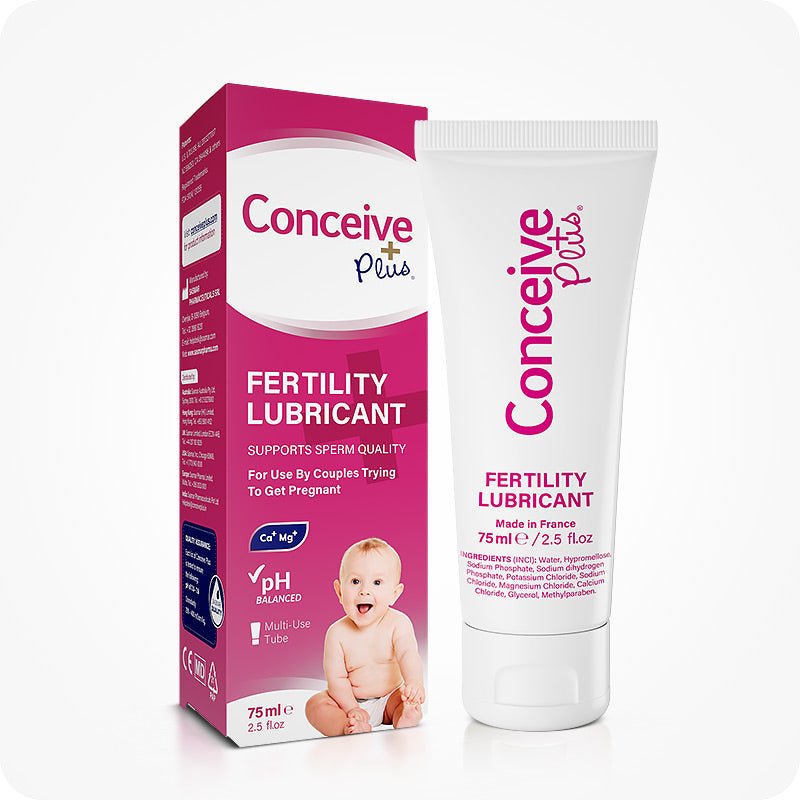
Conceive Plus Fertility Lubricant
Specially formulated to be sperm-friendly and isotonic, supporting your natural conception journey without disrupting the reproductive environment.
Shop Now →Is it normal to feel baby movements at 20 weeks pregnant?
Yes, at 20 weeks many pregnant people begin to feel their baby's movements more frequently as the baby becomes increasingly active. These early movements, sometimes called quickening, may feel like flutters, bubbles, or gentle kicks and typically become stronger and more noticeable as your pregnancy progresses. If this is your first pregnancy, you might feel movements slightly later than subsequent pregnancies.
How much weight should I have gained by 20 weeks of pregnancy?
The American College of Obstetricians and Gynecologists (ACOG) recommends a total pregnancy weight gain of 25-35 pounds for individuals at a normal pre-pregnancy weight. By 20 weeks, you should have gained approximately 10 pounds, though this can vary based on your starting weight, metabolism, and individual circumstances. Your healthcare provider can help determine if your weight gain is on track for your specific situation.
What is lanugo and vernix, and are they necessary?
Lanugo is fine, light hair that covers your baby's skin at 20 weeks and provides protection in the amniotic fluid, while vernix is a slick, white substance that serves a similar protective function. Both are natural developments that help shield your baby's delicate skin during pregnancy. Most of the lanugo will shed before birth, and the vernix will help protect your baby's skin during delivery and after birth.
Why does my belly button stick out during pregnancy?
As your uterus expands to accommodate your growing baby, it pushes against your abdominal wall and can cause your belly button to protrude outward—a common and temporary change during pregnancy. This typically occurs around 20 weeks when your uterus reaches about the level of your belly button. In most cases, your belly button returns to its normal appearance after pregnancy, though some individuals may experience permanent changes.
Can I see my baby sucking their thumb on ultrasound at 20 weeks?
Yes, at your 20-week anatomy ultrasound, your baby is developing a sucking reflex and may appear to be sucking their thumb, which is a normal developmental milestone. Modern ultrasound technology often captures these precious moments, giving you a glimpse into your baby's behavior in the womb. This activity helps your baby practice the skills they'll need for feeding after birth.
How is my baby sized compared to other measurements at 20 weeks?
At 20 weeks, your baby is approximately the size of a banana, measuring between 6.5 to 8 inches from crown to rump and weighing about 9 to 10.2 ounces. This midpoint ultrasound is often called the anatomy scan and allows your healthcare provider to confirm healthy development and check fetal measurements. Growth may vary slightly between babies, and your doctor will compare measurements to standardized growth charts to ensure your baby is developing appropriately.
Does how I carry my baby at 20 weeks predict the baby's sex?
No, how you carry your baby—whether your bump is high, low, wide, or pointed—does not reliably indicate your baby's sex, despite popular myths. Factors like your height, muscle tone, whether this is your first pregnancy, and your body composition have much more influence on how your belly appears. Your anatomy ultrasound at 20 weeks is the most reliable way to determine your baby's sex if you choose to know.
Trusted by Couples in Over 70 Countries
Start Your Fertility Journey With the Right Support
Conceive Plus Fertility Lubricant is specially formulated to be compatible with sperm, eggs, and embryos. Whether you are just starting out or have been trying for a while, our products are designed to work with your body — not against it.
Explore Fertility Lubricant →