8 Obesity Fertility Problems Women Face


It is well known that obese people face a lot of health problems. They are more prone to heart diseases, high blood pressure and fluctuating glucose levels in their body. But what is often forgotten is that obese women also face fertility problems. Those could be so severe that they can lead to a long-term infertility; that is the inability to reproduce even with assisted reproductive technologies.
1. OBESITY SERIOUSLY AFFECTS THE FERTILIZATION
It is very difficult for a woman who is obese to get pregnant: the fat accumulated around the abdominal area of the body make it difficult for proper fertilisation of the egg by a healthy sperm.2. OBESITY SERIOUSLY AFFECTS THE MENSTRUAL CYCLE
For a woman who wants to get pregnant, her menstrual cycle needs to be regular. However as obesity affects the menstrual cycle, this makes it difficult to predict when she will be fertile.
3. OBESITY INCREASES THE RISK OF MISCARRIAGE
The effect of obesity on fertility and pregnancy includes an increased risk of miscarriage. The fat around the uterus will press the foetus and cause nutritional problems.4. OBESITY CAN LEAD TO A POLYCYSTIC OVARIAN SYNDROME

✨ Trying to Conceive?
Our Ovulation & Fertility Bundle combines Myo-Inositol with essential vitamins to support healthy hormone balance and regular ovulation.
Shop Now — $55.00✓ Free shipping on orders over $40 | ✓ Trusted by millions of couples worldwide
5. OBESITY CAN CREATE AN OVERSUPPLY OF OESTROGENS
Obesity will also increase the quantity of oestrogen, even if this hormone is necessary during the conception, having an oversupply will affect the fertility and pregnancy.6. OBESITY CAN AUGMENT THE ANDROGEN LEVEL
Hyperandrogenism is the oversupply of androgen level, caused by obesity. It is responsible for the disruption of the ovarian cycle in a woman’s monthly period.7. OBESITY WILL DECREASE SUCCESS IN FERTILITY TREATMENTS
Another effect of obesity is the decreased success of fertility treatments and other assisted reproductive technologies, such as in vitro fertilization (IVF), intracytoplasmic sperm injection (ICSI) and etc.
8. OBESITY CAN CREATE RESISTANCE TO LEPTIN
Leptin is a protein present in the body that helps to regulate body weight and infertility. But another unwanted effect of obesity on fertility and pregnancy is that it renders the leptin protein useless leading to fertility problems.CONCLUSION
Obesity has a direct effect on fertility which should not be underestimated. Every extra kilo on top of your healthy body mass index can slowly start affecting your fertility and lead to obesity. That on itself can make it almost impossible to give birth to a child. Infertility problems are faced even by women who have a normal ovulation cycle if they happen to be overweight.But not only women should be worried. Men also bear the burden of obesity: Fertility Advice for MenYou can find some of our food tips on the Conceive Plus facebook page.
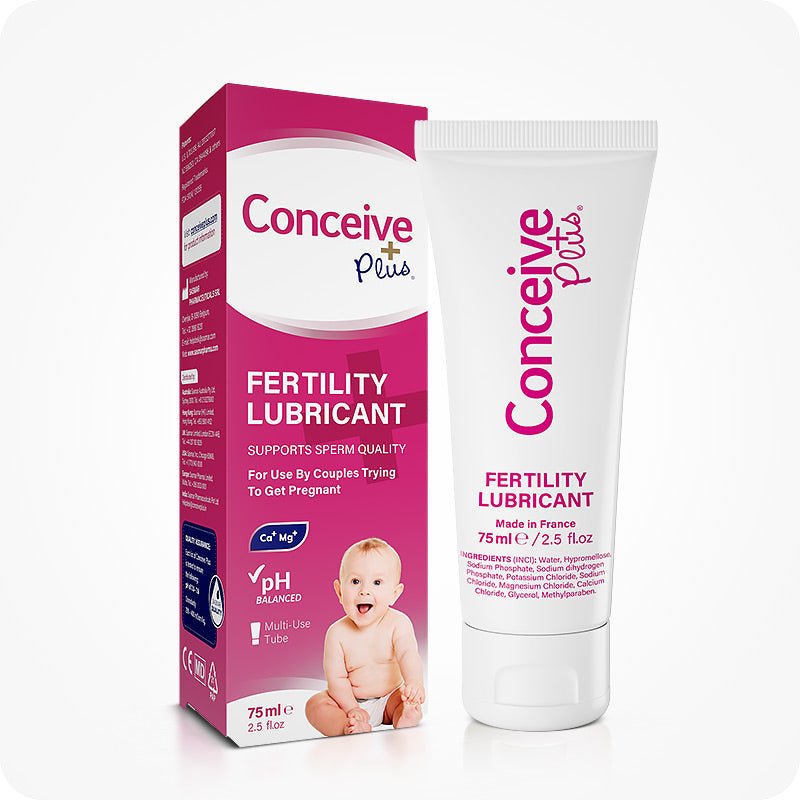
Learn more about how Conceive Plus fertility friendly personal lubricant can help with getting pregnant naturally. Click Here to learn more about Conceive Plus.
🌱 Support Your Fertility Journey
Conceive Plus fertility supplements are clinically formulated to help regulate your cycle and support egg quality.
Shop Fertility Support →Frequently Asked Questions
Recommended by Fertility Experts
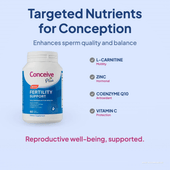
Conceive Plus Men's Fertility Support
Designed to support healthy sperm production, motility, and overall male reproductive health with clinically studied nutrients.
Shop Now →How much weight do I need to lose to improve my fertility?
Research shows that losing just 5-10% of your body weight can significantly improve fertility outcomes, restore regular menstrual cycles, and increase the success rates of fertility treatments like IVF. The American Society for Reproductive Medicine (ASRM) recommends working with your healthcare provider to develop a personalized weight loss plan, as individual results vary based on starting weight, overall health, and underlying conditions like PCOS.
Can obesity affect egg quality and embryo development?
Yes, obesity can negatively impact egg quality by increasing oxidative stress and inflammation, which can affect embryo development and implantation rates. Studies show that women with obesity have lower fertilization rates and fewer viable embryos during IVF cycles compared to women at a healthy weight, making weight management an important factor before pursuing fertility treatment.
Is weight loss surgery recommended for infertile women with obesity?
Bariatric surgery may be an option for women with significant obesity (BMI over 40) who have not succeeded with other weight loss methods, but it should be discussed carefully with both your fertility specialist and bariatric surgeon. Most fertility experts recommend waiting 12-18 months after weight loss surgery before attempting pregnancy to ensure nutritional stability, though some women do experience improved fertility shortly after surgery.
Will my insurance cover fertility treatment if I have obesity?
Insurance coverage varies significantly by state and plan—some states mandate fertility coverage while others do not, and many insurers may require documented weight loss efforts or a specific BMI threshold before covering IVF or other treatments. It's essential to contact your insurance provider directly and ask about their spe
What is the connection between obesity and insulin resistance in fertility?
Obesity often leads to insulin resistance, which triggers increased androgen (male hormone) production, disrupting ovulation and menstrual regularity—a condition particularly common in women with PCOS. Managing insulin resistance through diet, exercise, and sometimes medication (like metformin, which is FDA-approved for PCOS) can help restore ovulation and improve fertility outcomes.
Can I get pregnant while losing weight, or should I wait until I reach a target weight?
While it's generally recommended to reach a healthier weight before conception for better outcomes, many women do conceive during the weight loss process—the key is doing so safely without extreme dieting or calorie restriction. Consult with your fertility doctor about a balanced approach that supports both weight loss and reproductive health, as rapid or severe weight loss can actually disrupt hormones and menstrual cycles.
Are there specific vitamins or supplements that help with obesity-related infertility?
Inositol (particularly myo-inositol), vitamin D, and antioxidants like CoQ10 have shown promise in improving insulin sensitivity and ovulation in women with obesity-related fertility issues, especially those with PCOS. However, always consult with your healthcare provider before starting any supplement regimen, as they can recommend evidence-based options tailored to your specific hormonal imbalances and health needs.
Trusted by Couples in Over 70 Countries
Support Male Fertility From the Inside Out
Male fertility is just as important as female fertility in the conception journey. Conceive Plus Men's range delivers targeted nutritional support to promote healthy sperm and overall reproductive wellbeing.
Shop Men's Range →