Anejaculation Meaning: Understanding the Concept of Anejaculation and Its Implications
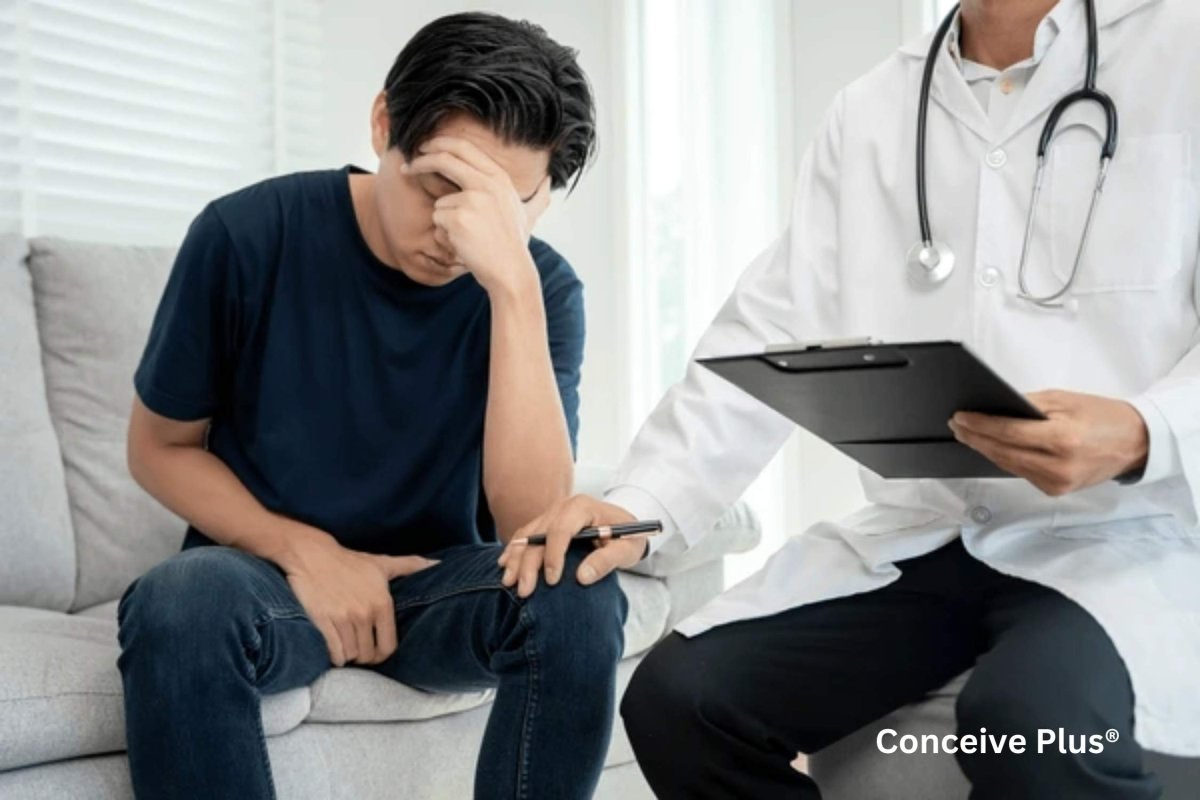

Anejaculation meaning is the inability to ejaculate semen during sexual activity or other forms of stimulation, despite experiencing normal arousal and orgasmic sensations. This condition can be a source of significant concern for individuals and couples, often leading to confusion about its causes and treatment options. Understanding this phenomenon is key to managing its impact effectively.

Exploring the Causes of Anejaculation
Anejaculation can arise from various factors, including physical, psychological, and neurological issues. Common causes include:
- Neurological Disorders: Conditions such as multiple sclerosis, spinal cord injuries, or nerve damage can disrupt the pathways responsible for ejaculation [1].
- Surgical Procedures: Certain surgeries, such as prostatectomy or pelvic surgeries, may interfere with the normal ejaculation process [2].
- Medication Side Effects: Drugs used to treat conditions like high blood pressure, depression, or anxiety can impact ejaculation as a side effect.
- Psychological Factors: Anxiety, stress, or past trauma related to sexual experiences can contribute to the development of anejaculation.
- Chronic Health Conditions: Diseases such as diabetes or hormonal imbalances can also impair the body’s ability to ejaculate.
Differentiating Anejaculation from Other Conditions
It is important to note that anejaculation is distinct from other ejaculatory disorders such as retrograde ejaculation, where semen flows backward into the bladder instead of being expelled through the urethra. Anejaculation, in contrast, involves no visible ejaculation at all [3].
How Is Anejaculation Diagnosed?
Diagnosing anejaculation requires a thorough medical history review and physical examination. Healthcare professionals may conduct tests to evaluate hormonal levels, assess the functioning of the nervous system, and identify any underlying conditions contributing to the issue. Advanced diagnostic tools such as imaging or urodynamic studies may also be used to pinpoint specific causes.

Treatment Options for Anejaculation
The approach to treating anejaculation depends on its root cause. Some common strategies include:
- Medications: Drugs that enhance nerve function or stimulate muscle contractions may be prescribed in cases where neurological issues are involved.
- Psychological Therapy: Counseling or therapy can help address psychological barriers contributing to anejaculation, such as anxiety or past trauma.
- Medical Devices: For individuals with nerve-related causes, devices like vibratory stimulators or electroejaculation equipment can aid in achieving ejaculation.
- Surgical Interventions: In cases where physical obstructions are identified, surgery may be necessary to correct the problem. For those experiencing challenges with ejaculation, exploring techniques on how to increase ejaculation time can provide additional strategies to improve sexual health and performance.
Impacts on Fertility and Relationships
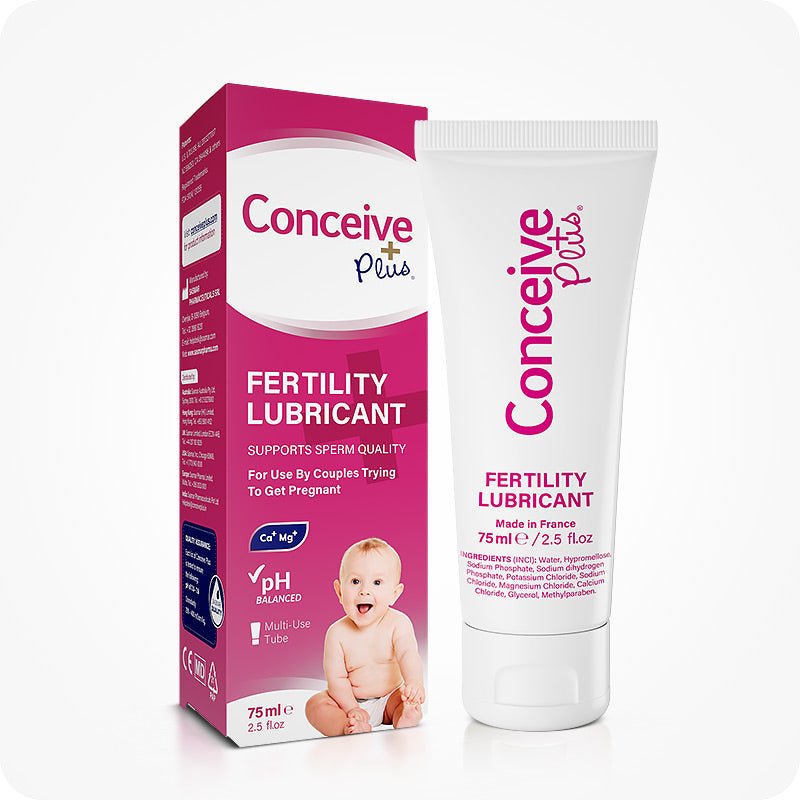
Anejaculation can significantly impact fertility, as the absence of ejaculate limits the ability to conceive naturally. Assisted reproductive techniques, such as sperm retrieval followed by in vitro fertilization (IVF), can offer a solution for individuals facing this challenge. For individuals or couples experiencing discomfort or challenges with intimacy due to anejaculation, using a high-quality personal lubricant can improve comfort and enhance the overall sexual experience.
In relationships, open communication and support are essential to navigate the emotional and physical effects of anejaculation. Seeking professional help together can strengthen understanding and collaboration between partners.

The Bottom Line
Recognizing the anejaculation meaning and understanding its implications are crucial steps toward managing this condition effectively. By addressing the underlying causes and exploring tailored treatment options, individuals can regain confidence and improve their quality of life. For anyone asking, "what is anejaculation?" The answer lies in a nuanced understanding of the condition and a proactive approach to treatment and support.
References:
- Calabrò RS, Polimeni G, Ciurleo R, Casella C, Bramanti P. Neurogenic ejaculatory disorders: focus on current and future treatments. Recent Pat CNS Drug Discov. 2011 Sep 1;6(3):205-21. doi: 10.2174/157488911796958011. PMID: 21834782.
- Green TP, Saavedra-Belaunde J, Wang R. Ejaculatory and Orgasmic Dysfunction Following Prostate Cancer Therapy: Clinical Management. Med Sci (Basel). 2019 Dec 10;7(12):109. doi: 10.3390/medsci7120109. PMID: 31835522; PMCID: PMC6950339.
- Egilmez, O. B., & Orum, M. H. (2018). Intercourse type of situational anejaculation or inability to ejaculate intra-vaginally: three case reports from a conservative islamic community. Psychiatry and Clinical Psychopharmacology, 28(4), 473–476. https://doi.org/10.1080/24750573.2018.1468618
🌱 Explore Conceive Plus
From fertility lubricants to supplements for him and her — discover clinically-tested products trusted by millions of couples worldwide.
Shop All Products →Frequently Asked Questions
Recommended by Fertility Experts
Conceive Plus Men's Fertility Support
Designed to support healthy sperm production, motility, and overall male reproductive health with clinically studied nutrients.
Shop Now →Q: What is anejaculation and how common is it in men?
A: Anejaculation is the consistent inability to ejaculate semen during sexual activity despite normal arousal and orgasm, affecting approximately 1-2% of men in the United States according to reproductive health data. This condition differs from retrograde ejaculation, where semen enters the bladder rather than exiting through the urethra. Anejaculation can be primary (occurring since first sexual experience) or acquired (developing after a period of normal function), and understanding which type applies is crucial for determining appropriate treatment. The condition may result from medications, neurological disorders, psychological factors, or structural abnormalities, making a proper medical evaluation essential for diagnosis.
Q: What causes anejaculation and can it be treated?
A: Anejaculation stems from multiple causes including antipsychotic medications, spinal cord injuries, diabetes-related neuropathy, psychological stress, and sometimes idiopathic factors where no clear cause is identified. Treatment depends on the underlying cause and may include medication adjustments, therapy with a reproductive endocrinologist, counseling for psychological factors, or assisted reproductive techniques recommended by the American Society for Reproductive Medicine (ASRM). For men experiencing anejaculation related to lifestyle factors, comprehensive approaches addressing overall reproductive health—including proper nutrition, stress management, and supplementation with products like Conceive Plus—can support fertility optimization. A urologist or fertility specialist can perform diagnostic testing to identify the specific cause and recommend personalized treatment options.
Q: Does anejaculation affect fertility and can men with this condition have children?
A: Yes, anejaculation significantly impacts natural conception since sperm cannot reach the female reproductive tract through normal sexual intercourse, but men with this condition can still father children through assisted reproductive methods. Techniques such as electroejaculation, penile vibratory stimulation, or surgical sperm retrieval can extract sperm for use in intrauterine insemination (IUI) or in vitro fertilization (IVF), with success rates varying based on sperm quality and the underlying cause of anejaculation. According to ASRM data, men with anejaculation who pursue fertility treatment have reasonable prospects for biological parenthood when working with specialized fertility clinics. Consulting with a reproductive urologist and fertility specialist early is critical to exploring viable options for family planning.
Q: Is anejaculation the same as erectile dysfunction?
A: No, anejaculation and erectile dysfunction (ED) are distinct conditions affecting different aspects of sexual function; anejaculation involves the inability to ejaculate while ED is the inability to achieve or maintain an erection. Men with anejaculation typically experience normal arousal, erections, and orgasmic sensations but cannot expel semen, whereas men with ED struggle with the physical mechanics of achieving sexual readiness. However, both conditions can coexist and may share some underlying causes such as diabetes, cardiovascular disease, or certain medications, so comprehensive medical evaluation is important. Understanding the distinction helps guide appropriate treatment, as therapies for ED (such as PDE5 inhibitors) differ from those used to address anejaculation.
Q: When should I see a doctor about anejaculation concerns?
A: You should consult a healthcare provider if you consistently experience inability to ejaculate for more than a few weeks, especially if this represents a change from your normal sexual function or is affecting your fertility goals. A urologist or reproductive endocrinologist can perform a thorough evaluation including medical history, physical examination, and specialized testing such as semen analysis or imaging studies to identify underlying causes. Early intervention is particularly important if you're planning to conceive, as fertility specialists can discuss time-sensitive options and treatment timelines according to ASRM guidelines. Beyond medical treatment, addressing overall reproductive wellness through proper hydration, stress reduction, and targeted nutritional support may also be beneficial in your comprehensive approach to sexual and reproductive health.
Trusted by Couples in Over 70 Countries
Support Male Fertility From the Inside Out
Male fertility is just as important as female fertility in the conception journey. Conceive Plus Men's range delivers targeted nutritional support to promote healthy sperm and overall reproductive wellbeing.
Shop Men's Range →