IVF improving but other fertility treatments keep multiple births high
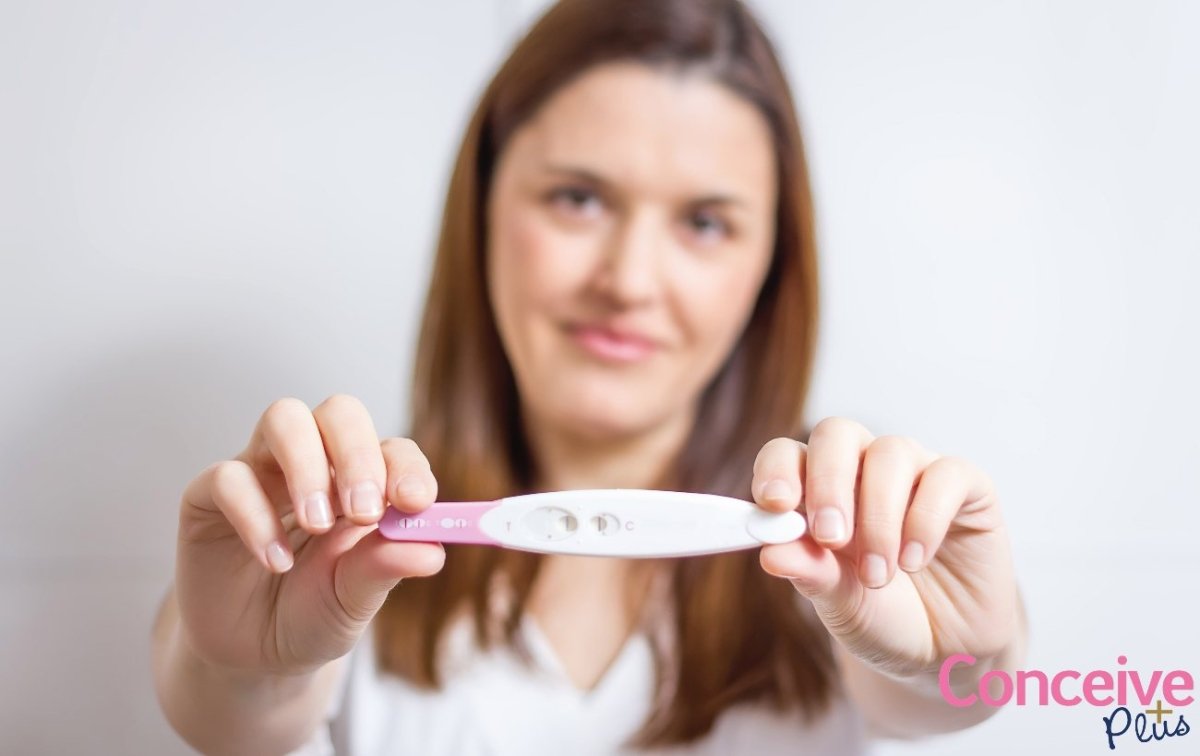

Fertility technology in the United States has a huge influence on the frequency of twins, triplets, and other multiple births, according to new estimates published in the New England Journal of Medicine.
Dr. Eli Y. Adashi, professor of obstetrics and gynecology at Brown University, and his colleagues calculated that more than a third of twin births and more than three-quarters of triplets or higher-order births in the United States in 2011 were the result of fertility treatments. However, the proportion of triplets or more related to medical assistance has actually dropped from a peak of 84 percent in 1998 after in vitro fertilization (IVF) guidelines discouraging implantation of three or more embryos took effect that year, the study reports. IVF has also improved enough that single embryo transfers now often succeed in producing healthy pregnancies.
But in the meantime, non-IVF fertility treatments such as ovarian stimulation and ovulation induction have increased to become the predominant source of medically assisted multiple births in the country.

✨ Trying to Conceive?
Our Ovulation & Fertility Bundle combines Myo-Inositol with essential vitamins to support healthy hormone balance and regular ovulation.
Shop Now — $55.00✓ Free shipping on orders over $40 | ✓ Trusted by millions of couples worldwide
"It's an unintended consequence of otherwise well intentioned and remarkable technology."
Some mothers and couples may hope for twins through fertility treatments, Adashi said, but more often multiple births are not desired. In those cases, he said, the new parents and children incur unwarranted medical risk and long-term financial costs that doctors should strive to prevent. "We do have a real problem with way too many multiple births in the United States with consequences to both mothers and babies," said Adashi, the study's senior author and former dean of the Warren Alpert Medical School of Brown University.
Multiples multiply
The contribution of fertility treatments over the last 40 years is unmistakable: Between 1971 and 2011, the percent of U.S. births that were multiples doubled to 3.5 percent from 1.8 percent. Even after adjusting for maternal age, the rate of twin births rose 1.6 times between 1971 and 2009, the authors reported. And while triplets or more due to IVF have dropped to 32 percent of cases from 48 percent between 1998 and 2011, the percent of triplets or more due to non-IVF procedures rose to 45 percent of cases from 36 percent during that same time.
"IVF is moving, in a sense, in the right direction and cleaning up its act, whereas the non-IVF technologies are at a minimum holding their own and possibly getting worse," Adashi said.He suggests that, from a policy point of view what is needed is an expansion of focus in improving all fertility treatments, whereby they weren't considered as relevant as IVF previously.
🌱 Support Your Fertility Journey
Conceive Plus fertility supplements are clinically formulated to help regulate your cycle and support egg quality.
Shop Fertility Support →Frequently Asked Questions
Recommended by Fertility Experts
Conceive Plus Men's Fertility Support
Designed to support healthy sperm production, motility, and overall male reproductive health with clinically studied nutrients.
Shop Now →What fertility treatments increase the risk of multiple births?
Non-IVF fertility treatments such as ovarian stimulation and ovulation induction are now the predominant source of medically assisted multiple births in the United States. These treatments carry a higher risk of multiples compared to modern IVF with single embryo transfer, which has become increasingly successful at producing healthy singleton pregnancies.
Are multiple births from fertility treatments covered by insurance?
Insurance coverage for fertility treatments varies widely by state and insurance plan in the US. However, the medical costs associated with multiple births—including higher rates of complications for both mothers and babies—often result in significant additional expenses that may not be fully covered, making the prevention of unintended multiples financially important for families.
Why did triplet births decrease after 1998?
In 1998, IVF guidelines from the American Society of Reproductive Medicine (ASRM) discouraged implantation of three or more embryos, leading to a significant drop in triplet and higher-order births from IVF procedures. The proportion of triplets or more related to IVF declined from 48 percent in 1998 to 32 percent by 2011 as a result of these safer practice recommendations.
What are the health risks of multiple births from fertility treatments?
Multiple births carry significant medical risks for both mothers and babies, including increased rates of prematurity, low birth weight, gestational diabetes, and preeclampsia in mothers. Children born as multiples also face higher rates of developmental complications and long-term health challenges, which is why fertility specialists now prioritize reducing unintended multiple births.
Can single embryo transfer during IVF be successful?
Yes, modern IVF has improved significantly, and single embryo transfer now often succeeds in producing healthy pregnancies. This advancement has reduced the need to transfer multiple embryos, thereby decreasing the rate of triplets and higher-order births associated with IVF while maintaining good success rates for achieving pregnancy.
What percentage of US multiple births are caused by fertility treatments?
According to research published in the New England Journal of Medicine, more than one-third of twin births and more than three-quarters of triplets or higher-order births in the United States in 2011 were the result of fertility treatments. Between 1971 and 2011, the overall rate of multiple births in the US doubled from 1.8 percent to 3.5 percent due largely to assisted reproductive technology.
Should I be concerned about multiple births if I pursue fertility treatment?
If you're considering fertility treatment, discuss the multiple birth risks with your fertility specialist, as the risks vary by treatment type. Modern IVF with single embryo transfer carries lower risks of multiples, while ovulation induction and ovarian stimulation carry higher risks, so your doctor can help you make an informed decision based on your specific situation.
Trusted by Couples in Over 70 Countries
Support Male Fertility From the Inside Out
Male fertility is just as important as female fertility in the conception journey. Conceive Plus Men's range delivers targeted nutritional support to promote healthy sperm and overall reproductive wellbeing.
Shop Men's Range →