IVF Preparation: Your Complete Guide to a Stronger Start


Preparing for in vitro fertilisation (IVF) is one of the most significant — and emotionally complex — steps a person or couple can take on the path to parenthood. Whether you're entering your first cycle or returning after a previous attempt, the weeks and months before treatment represent a genuine window of opportunity. The choices you make now — about nutrition, lifestyle, stress, and supplementation — can meaningfully influence your outcomes.
This guide draws on current clinical evidence and fertility medicine research to give you a comprehensive, science-backed roadmap for IVF preparation. It is not meant to replace the advice of your reproductive endocrinologist; rather, it is designed to help you walk into that clinic as prepared as possible.
Understanding the IVF Process: What You're Preparing For
IVF is a multi-stage assisted reproductive technology (ART) process in which eggs are retrieved from the ovaries, fertilised with sperm in a laboratory setting, and then transferred back into the uterus as embryos. According to the Society for Assisted Reproductive Technology (SART), more than 400,000 ART cycles are performed in the United States annually, resulting in tens of thousands of live births.
A single IVF cycle typically involves the following phases:
- Ovarian stimulation: Injectable gonadotropins are administered for 8–14 days to stimulate the ovaries to produce multiple follicles.
- Monitoring: Regular ultrasounds and blood tests track follicle development.
- Egg retrieval: A minor surgical procedure, typically under sedation, retrieves the mature eggs.
- Fertilisation and culture: Eggs and sperm are combined in the lab; resulting embryos are cultured for 3–5 days.
- Embryo transfer: One or more embryos are transferred to the uterus.
- The two-week wait: A blood test approximately 10–14 days later confirms whether implantation occurred.
Understanding each stage helps you appreciate why preparation matters. Egg quality, uterine receptivity, and sperm parameters — all of which are influenced by lifestyle and nutritional factors — are critical determinants of success at virtually every step.
The Nutritional Foundation: What Your Body Needs Before IVF
Supporting Your IVF Journey
Optimising your nutrient levels before and during IVF is one of the most impactful steps you can take. Conceive Plus Prenatal Essential Nutrients is formulated with the key vitamins and minerals your body needs — including methylfolate, CoQ10, and DHA.
Explore Prenatal Support →Nutrition during the 90 days before egg retrieval is particularly significant because that is the approximate time it takes for an egg (oocyte) to mature from a primordial follicle to a mature, retrievable state. This maturation window offers a meaningful opportunity to influence egg quality through diet and supplementation.
Folate and Folic Acid
Folate — and specifically its bioavailable form, methylfolate (5-MTHF) — is essential for DNA synthesis and cell division. Research published in the American Journal of Clinical Nutrition has linked higher folate intake with improved oocyte quality and fertilisation rates. Because up to 40% of the population carries variants of the MTHFR gene that reduce folate metabolism, choosing a supplement containing methylfolate rather than synthetic folic acid may be beneficial for many women.
The recommended intake for women preparing for pregnancy is at least 400–800 mcg of folate daily, with some fertility specialists recommending higher doses for women with MTHFR variants or recurrent pregnancy loss.
Coenzyme Q10 (CoQ10)
CoQ10 is one of the most studied supplements in fertility medicine. As a mitochondrial cofactor, it plays a central role in cellular energy production. Egg cells require extraordinary amounts of energy during maturation and fertilisation — more than almost any other cell in the human body. A 2018 randomised controlled trial published in Reproductive Biology and Endocrinology found that CoQ10 supplementation (600 mg/day) in poor ovarian responders was associated with higher numbers of mature oocytes retrieved and improved fertilisation rates.
CoQ10 levels naturally decline with age, making supplementation particularly relevant for women over 35.
Vitamin D
Vitamin D deficiency is remarkably common — affecting an estimated 40% of American adults — and its implications for fertility are significant. Vitamin D receptors are present on ovarian follicles, the uterine lining, and even in immune cells involved in implantation. A 2019 meta-analysis in Human Reproduction Update found that women with sufficient vitamin D levels had significantly higher clinical pregnancy rates and live birth rates following IVF than those who were deficient.
Testing your vitamin D status (25-OH vitamin D) before starting IVF is advisable. Optimal levels for fertility are generally considered to be between 40–60 ng/mL.
Omega-3 Fatty Acids (DHA and EPA)
Docosahexaenoic acid (DHA) and eicosapentaenoic acid (EPA), found in fatty fish and fish oil supplements, are critical for embryo development, particularly brain and nervous system formation. DHA also appears to support endometrial receptivity. A study in the Journal of Assisted Reproduction and Genetics found that women with higher DHA levels had better quality embryos on day 3 of culture.
Iron, Iodine, and Choline
These three nutrients are frequently overlooked but critically important. Iron supports oxygen transport and energy metabolism; iron-deficiency anaemia is associated with anovulation and poor IVF outcomes. Iodine is essential for thyroid function, which in turn regulates reproductive hormones and implantation. Choline is needed for neural tube closure and placental function, and most women do not get adequate amounts from diet alone.
Lifestyle Optimisation: The Factors Within Your Control
While genetics and age play significant roles in IVF outcomes, lifestyle factors are modifiable — and the scientific literature is increasingly clear about their impact.
Body Weight and BMI
Both underweight and overweight status can negatively affect IVF outcomes. A large 2019 study published in JAMA found that women with a BMI above 30 had significantly lower rates of live birth following IVF compared to women with a healthy BMI, even after controlling for other variables. This is thought to be due to altered hormonal environments and metabolic dysfunction that affect follicle development and uterine receptivity.
That said, rapid or extreme weight loss immediately before a cycle is not advisable — gradual, sustainable changes over 3–6 months are more likely to be beneficial.
Physical Activity
Moderate, regular exercise supports healthy hormone levels, reduces insulin resistance, and improves overall cardiovascular health — all of which benefit fertility. However, very high-intensity exercise may suppress ovulation and is generally not recommended during the stimulation phase. Walking, swimming, yoga, and Pilates are generally considered appropriate during the lead-up to IVF.
Alcohol and Caffeine
The evidence on alcohol and IVF is compelling: even moderate consumption is associated with reduced ovarian response and lower live birth rates. A 2016 study in the British Medical Journal found that women who drank 4 or more drinks per week in the year before IVF were 16% less likely to achieve a live birth. Most fertility specialists advise complete abstinence during stimulation and the two-week wait.
Caffeine, while less clearly harmful, is typically restricted to fewer than 200 mg/day (roughly one 8 oz cup of coffee) during fertility treatment.
Smoking
Smoking has a well-documented negative effect on egg quality, ovarian reserve, and uterine receptivity. Studies suggest that smokers require significantly higher doses of gonadotropins to achieve comparable stimulation responses and have lower live birth rates. If you smoke, quitting — ideally at least 3 months before your cycle — is one of the most impactful changes you can make.
Sleep and Circadian Rhythm
Emerging research highlights the importance of adequate sleep for reproductive health. Melatonin, a hormone produced during sleep, is also secreted by ovarian follicular cells and appears to protect eggs from oxidative stress. A 2019 study in Fertility and Sterility found that women who slept fewer than 7 hours per night had significantly fewer oocytes retrieved compared to those sleeping 7–8 hours. Aim for 7–9 hours of quality sleep and avoid night-shift work if possible during stimulation.
Understanding and Managing Stress During IVF Preparation
It would be dismissive to simply tell someone undergoing IVF to "just relax." The emotional weight of fertility treatment is real — financial stress, relationship strain, the grief of previous losses, the uncertainty of outcomes. And yet, the physiological effects of chronic stress on reproduction are equally real and worth addressing.
Elevated cortisol levels can interfere with the pulsatile release of GnRH (gonadotropin-releasing hormone), disrupting the hormonal cascade that drives ovulation and follicle development. Chronic psychological stress has been associated with lower fertilisation rates and implantation failure in some studies, though causality remains difficult to establish given the inherent stress of the IVF process itself.
Practical mind-body strategies that have shown benefit in fertility contexts include:
- Mindfulness-based stress reduction (MBSR): A structured 8-week program with demonstrated benefits for anxiety and quality of life in IVF patients (Harvard Mind/Body Institute research).
- Acupuncture: While its direct effect on IVF success rates remains debated, acupuncture has been shown to reduce anxiety and improve sleep quality in women undergoing IVF.
- Cognitive behavioural therapy (CBT): Structured CBT, including fertility-specific protocols, can help address catastrophic thinking patterns common during fertility treatment.
- Journalling and social support: Online fertility communities and in-person support groups can reduce isolation and provide practical information from those who've been through similar journeys.
Engaging with a fertility counsellor — many clinics offer this service — before, during, and after treatment is something that most reproductive medicine professionals actively encourage rather than suggesting it as a last resort.
Male Factor Preparation: Supporting Sperm Health
IVF is often discussed primarily from the female partner's perspective, yet sperm quality contributes critically to fertilisation, embryo development, and ultimately live birth. Approximately 40–50% of infertility cases involve a male factor, and even in cases where IVF with ICSI (intracytoplasmic sperm injection) is planned, sperm DNA integrity matters for embryo quality.
The process of spermatogenesis — the creation of new sperm — takes approximately 74 days. This means that the 3 months before egg retrieval is the window in which lifestyle and nutritional changes can most directly influence sperm quality.
Key Nutrients for Sperm Health
- Antioxidants (Vitamin C, Vitamin E, Zinc, Selenium): Oxidative stress is a leading cause of sperm DNA fragmentation. A 2019 Cochrane review concluded that antioxidant supplementation in men was associated with higher live birth rates.
- Folate: Adequate folate intake is linked to lower rates of sperm chromosomal abnormalities.
- CoQ10: Supports sperm motility by enhancing mitochondrial function in the sperm midpiece.
- L-Carnitine: Essential for sperm energy metabolism and has been shown to improve motility in men with oligospermia.
Lifestyle Factors for Male Fertility
- Heat exposure: The testes are designed to operate below core body temperature. Prolonged exposure to heat — laptops on laps, hot tubs, heated car seats — can impair sperm production. Avoid for the 3 months before retrieval.
- Alcohol: Regular alcohol consumption reduces testosterone levels and sperm quality.
- Smoking and recreational drugs: Both are directly toxic to sperm DNA.
- Exercise: Moderate exercise improves testosterone and sperm parameters; anabolic steroids severely impair spermatogenesis and should be avoided.
Working With Your Fertility Team: Questions to Ask
Your reproductive endocrinologist is your most important partner in this process. Preparation also means showing up to appointments equipped with the right questions. Here are some to consider raising before your IVF cycle begins:
- What is my AMH (Anti-Müllerian Hormone) and what does it suggest about my ovarian reserve? AMH is the most widely used marker of ovarian reserve and helps predict response to stimulation.
- Should I have a saline infusion sonogram (SIS) or hysteroscopy to assess my uterine cavity? Uterine abnormalities such as polyps, fibroids, or adhesions can impair implantation and are often treatable before the cycle.
- Is genetic carrier screening recommended? Depending on your family history and ethnicity, carrier screening for conditions like cystic fibrosis, spinal muscular atrophy, or fragile X may be advisable before proceeding.
- Should we consider preimplantation genetic testing (PGT)? PGT-A screens embryos for chromosomal abnormalities and can improve the likelihood of a successful transfer, particularly for women over 35 or those with recurrent pregnancy loss.
- What protocol are you planning — and why? There are several ovarian stimulation protocols (long agonist, antagonist, flare). Understanding why a particular approach is being recommended for your specific profile is valuable.
- What supplements or dietary changes do you recommend, and are there any you advise against? Always disclose any supplements you are taking; some herbs (e.g., high-dose liquorice root, certain Chinese herbal blends) may interfere with hormonal medications.
Building Your IVF Preparation Timeline
The following timeline provides a practical framework for preparing 3 months ahead of your planned cycle. Adjust based on your clinic's specific protocols and your own health history.
3 Months Before
- Begin a comprehensive prenatal supplement including methylfolate, DHA, CoQ10, vitamin D, iodine, and choline
- Schedule baseline blood work (AMH, FSH, LH, Estradiol, TSH, Vitamin D, full blood count)
- Review and optimise diet toward a Mediterranean-style pattern (rich in vegetables, legumes, whole grains, oily fish, olive oil; low in processed foods and red meat)
- If applicable, begin alcohol and smoking cessation
- Male partner begins sperm-support supplementation and lifestyle optimisation
- Consider connecting with a fertility counsellor or support group
2 Months Before
- Review test results with your reproductive endocrinologist; address any identified deficiencies
- Discuss your stimulation protocol and medication schedule
- Begin moderate exercise routine if not already established
- Optimise sleep hygiene — target 7–9 hours nightly
- Reduce caffeine to under 200 mg/day
1 Month Before
- Continue all supplements — do not stop without consulting your doctor
- Reduce high-intensity exercise in favour of lower-impact movement
- Prepare your work and home environment for the stimulation phase: plan flexibility for monitoring appointments
- Arrange emotional support for the two-week wait period
- Review clinic instructions for medication administration carefully
The Week Before Retrieval
- Follow all clinic dietary and fasting instructions precisely
- Avoid NSAIDs (ibuprofen, aspirin) unless specifically prescribed — they can interfere with follicular development
- Arrange transport for egg retrieval day — you will not be able to drive after sedation
- Prioritise rest and stress reduction
After the Transfer: Continuing to Support Implantation
Preparation does not end at egg retrieval or even at transfer. The two-week wait (TWW) — the period between embryo transfer and the pregnancy blood test — is a time to continue supporting your body as it adjusts to the possibility of implantation.
During this phase, most clinics prescribe progesterone supplementation (via vaginal pessaries, injections, or a combination) to support the luteal phase. Adhering precisely to your medication schedule during the TWW is essential.
From a lifestyle standpoint:
- Continue your prenatal supplements
- Remain hydrated — particularly important after retrieval to reduce the risk of mild OHSS (ovarian hyperstimulation syndrome)
- Gentle walking is fine; avoid strenuous exercise
- Limit exposure to heat (saunas, hot baths)
- Be kind to yourself — the emotional turbulence of this phase is entirely normal and valid
A positive test result does not mean supplements or caution can be abandoned; rather, the prenatal regimen should continue throughout the first trimester and beyond as directed by your healthcare team.
Frequently Asked Questions About IVF Preparation
How long before IVF should I start preparing?
Ideally, begin preparation at least 3 months before your planned retrieval date. This aligns with the developmental window for egg maturation (90+ days) and spermatogenesis (approximately 74 days). However, any preparation is better than none — even starting one month out with nutritional and lifestyle changes can make a positive difference.
Does diet really make a difference in IVF outcomes?
Yes — and the research is increasingly clear. A Mediterranean-style diet has been specifically associated with improved IVF success rates in multiple studies, including a large 2018 cohort study in Human Reproduction. This dietary pattern emphasises vegetables, legumes, whole grains, fish, and olive oil while limiting red and processed meat. The key mechanisms appear to be anti-inflammatory effects and improved mitochondrial function in developing eggs.
Which supplements are most important for IVF preparation?
For women, the most evidence-supported supplements include methylfolate, CoQ10 (ubiquinol form), vitamin D, DHA/omega-3s, iodine, and choline. For men, antioxidants (vitamins C and E, zinc, selenium), CoQ10, and folate are well-supported. Always confirm your supplement regimen with your reproductive endocrinologist, as some nutrients may interact with medications or may not be appropriate in high doses for certain individuals.
Can stress actually reduce IVF success rates?
The relationship between stress and IVF outcomes is complex and not fully established. What is clear is that chronic physiological stress affects the hormonal environment, and that the psychological stress of IVF itself is significant and real. Evidence supports using mind-body interventions — mindfulness, counselling, yoga, and acupuncture — to improve quality of life during IVF, regardless of whether they directly improve pregnancy rates.
Should I take a break between IVF cycles?
This depends on the circumstances, including why a previous cycle failed, your physical recovery, and your mental health. Most reproductive endocrinologists recommend at least one full menstrual cycle of recovery before starting another stimulation protocol. Using that interval for renewed nutritional preparation, addressing any identified issues (e.g., uterine polyp removal, vitamin D optimisation), and emotional recovery is a wise use of the time.
Is CoQ10 safe to take during IVF stimulation?
CoQ10 is generally considered safe and is widely used by fertility specialists. Some clinics recommend continuing it through stimulation; others prefer to stop at retrieval. Follow your clinic's specific guidance. The forms most commonly recommended for fertility are ubiquinol (the reduced, more bioavailable form), typically at doses of 200–600 mg/day for women and 200–400 mg/day for men.
What role does thyroid health play in IVF preparation?
Thyroid function has a significant impact on fertility and early pregnancy. Subclinical hypothyroidism — where TSH is mildly elevated but T3/T4 remain normal — has been associated with implantation failure and early miscarriage. Many fertility specialists recommend a TSH below 2.5 mIU/L before and during early pregnancy. If your TSH is elevated, thyroid treatment before proceeding with IVF may be recommended.
How can I improve embryo quality before IVF?
Embryo quality is influenced by both egg and sperm quality. The most evidence-based strategies for improving egg quality include CoQ10 supplementation, optimising vitamin D levels, a Mediterranean diet, adequate sleep, smoking cessation, and reducing alcohol. For sperm, antioxidant supplementation, avoiding heat exposure, and reducing alcohol and tobacco are well-supported. Remember that the 90-day window before retrieval is your primary opportunity.
Does acupuncture help with IVF?
Acupuncture on the day of embryo transfer was once widely promoted based on early studies, but subsequent larger trials have been less conclusive about its direct impact on live birth rates. However, acupuncture has been shown to reduce anxiety, improve sleep, and support overall wellbeing during fertility treatment. If you find it helpful and it fits within your budget, there is little reason not to continue — but it should not replace evidence-based medical care.
When should I start taking a prenatal vitamin for IVF?
Ideally, at least 3 months before your IVF cycle — and specifically, at least 1 month before the cycle begins, as the neural tube closes very early in pregnancy (around day 21–28 after conception). Starting earlier gives your body time to build stores of critical nutrients, particularly folate and vitamin D. If you're already pregnant following a successful transfer, continue your prenatal supplement throughout the first trimester and ideally throughout pregnancy.
Disclaimer: This article is intended for informational purposes and does not constitute medical advice. Always consult with your reproductive endocrinologist or healthcare provider before making changes to your supplement regimen, diet, or lifestyle during fertility treatment.
Ready to Begin? Build Your Foundation First.
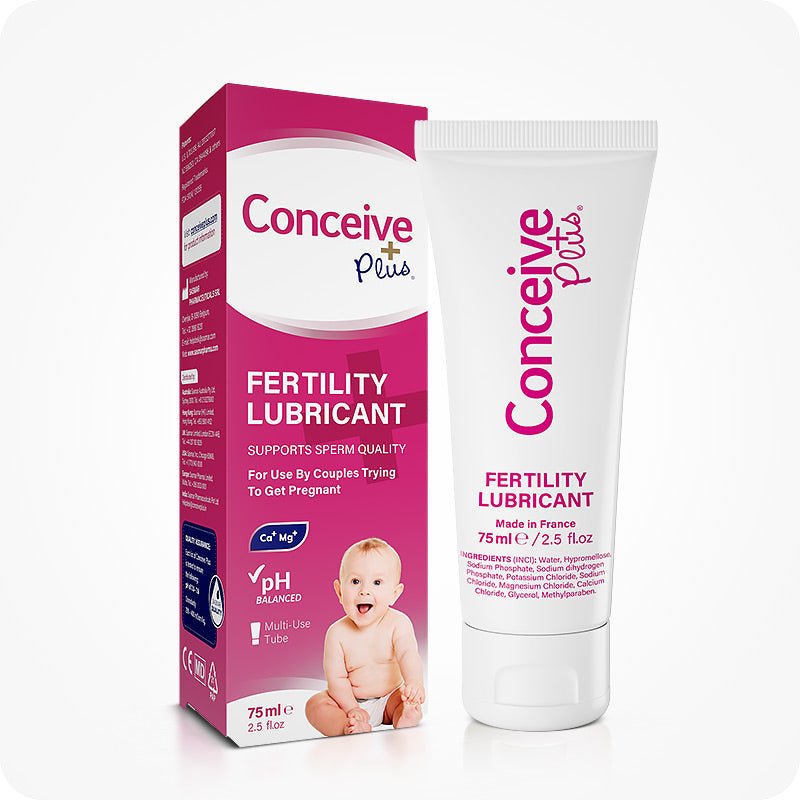
Whether you're starting your first IVF cycle or preparing for another, Conceive Plus offers a complete range of science-backed supplements — from prenatal nutrients to fertility lubricants — designed to support every step of your fertility journey.
Shop Fertility Support →