Not Taking Prenatal Vitamins: Exploring the Concerns Around Not Taking Prenatal Vitamins


Prenatal vitamins typically provide critical nutrients like folic acid, iron, and vitamin D, all of which are vital for fetal growth. Current findings from leading medical organizations highlight that these supplements help prevent neural tube defects and bolster the immune system. Yet some expectant mothers question, “Is it bad not taking prenatal vitamins?” Opinions vary, as each pregnancy can differ based on genetic, dietary, and medical factors. Some women may manage a balanced diet that supplies essential vitamins, while others rely on supplements to address nutrient gaps. Healthcare professionals still emphasize that daily vitamins can be a reliable way to ensure the baby is getting what it needs [1].

Risks of Nutrient Deficiency During Pregnancy
Pregnant individuals often wonder, “Is it bad to not take prenatals while pregnant?” Given the role of nutrients in placental development, deficiency during any stage of pregnancy can pose risks. According to the Centers for Disease Control and Prevention (CDC), adequate folic acid intake can reduce neural tube defect risks. Low iron levels might increase the likelihood of anemia and maternal fatigue. Inadequate vitamin D could affect calcium absorption, potentially impacting a child’s skeletal health. Meanwhile, folic acid is essential for neural tube formation, so insufficient intake could elevate the chance of birth defects. Doctors usually recommend finding an optimal vitamin regimen tailored to individual needs [2].
Lifestyle and Dietary Influences on Prenatal Vitamin Use

✨ Start Your Prenatal Care Today
Our Prenatal Vitamins with DHA, Choline & Folate provide the essential nutrients you and your baby need for a healthy start.
Shop Now — $34.95✓ Free shipping on orders over $40 | ✓ Trusted by millions of couples worldwide
Lifestyle and dietary patterns can influence personal decisions about “not taking prenatal vitamins.” Some pregnant people prefer to source minerals from whole foods and engage in regular monitoring of their nutrient levels through blood tests. Others may encounter digestive discomfort or allergies to specific ingredients in vitamins, making supplementation less appealing. For those who struggle with swallowing pills or experience digestive discomfort, liquid prenatal vitamins can be an effective alternative, offering essential nutrients in a more easily absorbed form. However, in cases where diet alone lacks enough key nutrients, multivitamins can offer support for fetal development. Beyond pregnancy, some individuals wonder, can you take prenatal vitamins without being pregnant, as these supplements contain high levels of essential nutrients that may offer benefits or pose certain risks depending on individual health needs.

The Second Trimester and Nutrient Needs
Those who consider “not taking prenatal vitamins in second trimester” might miss out on vital nutrients essential during a period of rapid fetal growth. This stage demands extra calcium and iron to support organ and bone development. Skipping supplements might make it challenging to keep up with these increased needs, so expert advice is usually advisable. Healthcare providers can offer tailored recommendations that account for each individual’s health profile [3].
The Bottom Line
In conclusion, while some women successfully navigate pregnancy without supplements, most healthcare experts caution against not taking prenatal vitamins. A balanced approach that combines a nutrient-rich diet with professional guidance can ensure the best outcome for both mother and baby.

References
- Adams JB, Kirby JK, Sorensen JC, Pollard EL, Audhya T. Evidence based recommendations for an optimal prenatal supplement for women in the US: vitamins and related nutrients. Matern Health Neonatol Perinatol. 2022 Jul 11;8(1):4. doi: 10.1186/s40748-022-00139-9. PMID: 35818085; PMCID: PMC9275129.
- Wanjari MB, Late SV, Sharma R, Munjewar PK. A critical evaluation of prenatal supplements: Are they meeting the mark? J Family Med Prim Care. 2023 Dec;12(12):3048-3054. doi: 10.4103/jfmpc.jfmpc_1038_23. Epub 2023 Dec 21. PMID: 38361856; PMCID: PMC10866212.
- Institute of Medicine (US) and National Research Council (US) Committee to Reexamine IOM Pregnancy Weight Guidelines; Rasmussen KM, Yaktine AL, editors. Weight Gain During Pregnancy: Reexamining the Guidelines. Washington (DC): National Academies Press (US); 2009. Available from: https://www.ncbi.nlm.nih.gov/books/NBK32813/ doi: 10.17226/12584
🌱 Everything You and Baby Need
Conceive Plus Prenatal Vitamins are formulated with DHA for brain development and Folate for neural tube protection.
Shop Prenatal Vitamins →Frequently Asked Questions
Recommended by Fertility Experts
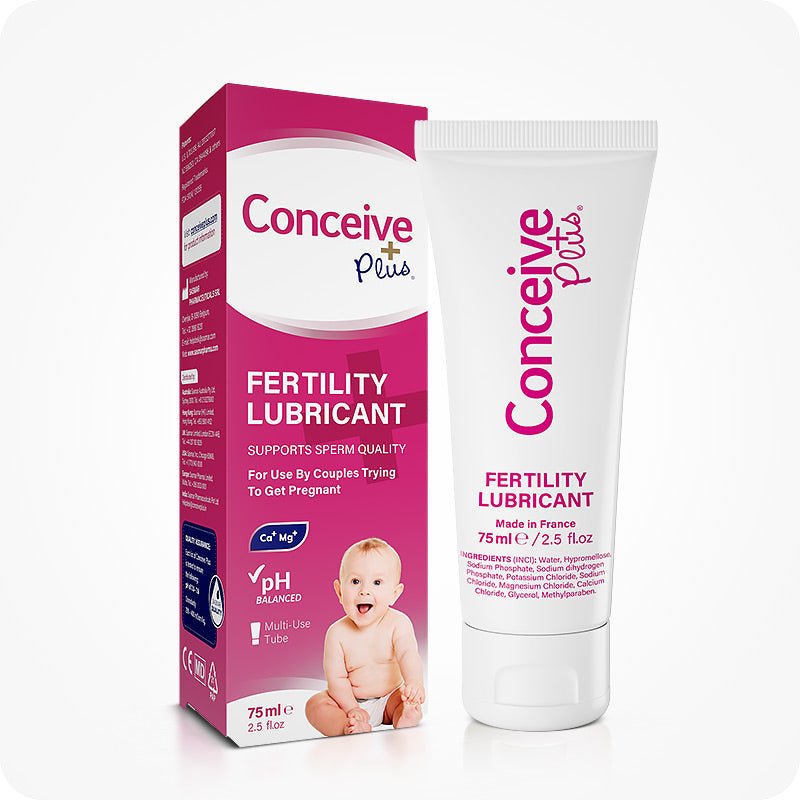
Conceive Plus Fertility Lubricant
Specially formulated to be sperm-friendly and isotonic, supporting your natural conception journey without disrupting the reproductive environment.
Shop Now →Q: Can I skip prenatal vitamins?
A: While it's technically possible to skip prenatal vitamins, medical organizations like the American College of Obstetricians and Gynecologists (ACOG) strongly recommend taking them throughout pregnancy and the preconception period. Prenatal vitamins are specifically formulated to deliver critical nutrients—particularly folic acid, which reduces the risk of neural tube defects by up to 70% according to CDC data. If you're considering skipping them, consult your healthcare provider about your individual nutritional needs, as dietary sources alone may not provide adequate amounts of all essential nutrients. Some women use comprehensive fertility supplements like Conceive Plus to support nutritional gaps during the preconception phase, which can be beneficial before transitioning to a prenatal vitamin.
Q: Is it bad to forget to take your prenatal vitamins?
A: Occasionally forgetting a dose of prenatal vitamins is not typically harmful, as these supplements build up in your system over time rather than requiring daily perfection. However, consistently forgetting doses or skipping multiple days can reduce the protective benefits, especially regarding folic acid supplementation during the critical early weeks of pregnancy when neural tube development occurs. If you forget a dose, simply take it the next day and continue with your regular schedule—don't double up on doses. To improve consistency, try setting daily phone reminders, using a pill organizer, or taking your prenatal at the same time as another daily habit like breakfast.
Q: Is it bad to not take prenatal vitamins while pregnant?
A: Not taking prenatal vitamins during pregnancy poses genuine health risks, particularly regarding folic acid deficiency, which is linked to neural tube defects affecting approximately 1 in 1,000 pregnancies in the United States. Iron deficiency during pregnancy can lead to anemia, affecting oxygen delivery to your baby and increasing complications during labor. The Academy of Nutrition and Dietetics confirms that even women with excellent diets typically cannot obtain adequate prenatal nutrient levels from food alone, making supplementation essential for optimal fetal development. If cost or side effects are barriers to taking prenatal vitamins, discuss alternatives with your OB-GYN, as there are various formulations available to suit different needs and tolerances.
Q: Is it bad to not take prenatals every day?
A: Taking prenatal vitamins inconsistently reduces their protective benefits, particularly for folic acid supplementation, which should be maintained consistently throughout pregnancy to prevent neural tube defects. While your body does store certain nutrients like vitamin B12 and iron, irregular supplementation creates fluctuating nutrient levels that may compromise fetal development and maternal health. Research from the American Society for Reproductive Medicine indicates that women who take prenatal vitamins daily have significantly better pregnancy outcomes compared to those who take them sporadically. Establishing a daily routine—whether through consistent timing, visual reminders, or pairing your prenatal with meals—helps ensure you're getting the continuous nutritional support both you and your baby need.
Q: Is it OK to skip prenatal vitamins sometimes?
A: While occasional skipped doses are unlikely to cause harm, routinely skipping prenatal vitamins is not recommended by healthcare professionals, as consistency is key to maintaining adequate nutrient levels throughout pregnancy. Folic acid, one of the most critical prenatal nutrients, requires sustained supplementation to effectively prevent neural tube defects, which can develop within the first 28 days of pregnancy—often before women realize they're pregnant. The FDA and ACOG recommend daily prenatal supplementation as a standard of care for all pregnant women and those planning pregnancy. If you're struggling with compliance due to side effects like nausea, discuss alternative formulations with your provider, and consider that maintaining preconception supplementation with products like Conceive Plus ensures your body is optimally prepared before pregnancy begins.
Trusted by Couples in Over 70 Countries
Start Your Fertility Journey With the Right Support
Conceive Plus Fertility Lubricant is specially formulated to be compatible with sperm, eggs, and embryos. Whether you are just starting out or have been trying for a while, our products are designed to work with your body — not against it.
Explore Fertility Lubricant →