Sperm Friendly Lubricant: The Essential Guide for Trying to Conceive in 2026


Could the very product you're using to make intimacy more comfortable be a silent barrier to your pregnancy goals? Most couples don't realize that standard lubricants often act as a chemical wall, trapping sperm before they even reach the cervix. If you're struggling with vaginal dryness often caused by fertility medications, using a dedicated sperm friendly lubricant isn't just about comfort; it's about creating a safe, biochemical bridge for conception.
It's completely normal to feel anxious when conception takes longer than expected, especially when technical terms like pH balance and osmolarity feel like a foreign language. You deserve a clear path forward. This guide explains exactly why the FDA maintains strict PEB regulatory classifications for fertility-friendly products as of May 2026. You'll learn how to identify safe options that mimic natural fertile fluids and discover which brands actually support sperm motility. By the end of this article, you'll understand the biological requirements for sperm survival and feel proactive and empowered in your journey toward a positive test.
Key Takeaways
- Understand why standard lubricants can be accidentally spermicidal and how a sperm friendly lubricant mimics natural fertile fluids to support conception.
- Learn the science behind pH and osmolarity to ensure your lubricant doesn't damage sperm or hinder their motility.
- Look for the specific FDA "PEB" regulatory classification to verify that a product is safe for gametes and embryos.
- Discover how to properly time and apply fertility-friendly gels to maximize their effectiveness during your six-day fertile window.
- Explore the benefits of specialized formulas containing calcium and magnesium ions that help support the natural fertilization process.
Why Standard Lubricants Are a Hidden Barrier to Conception
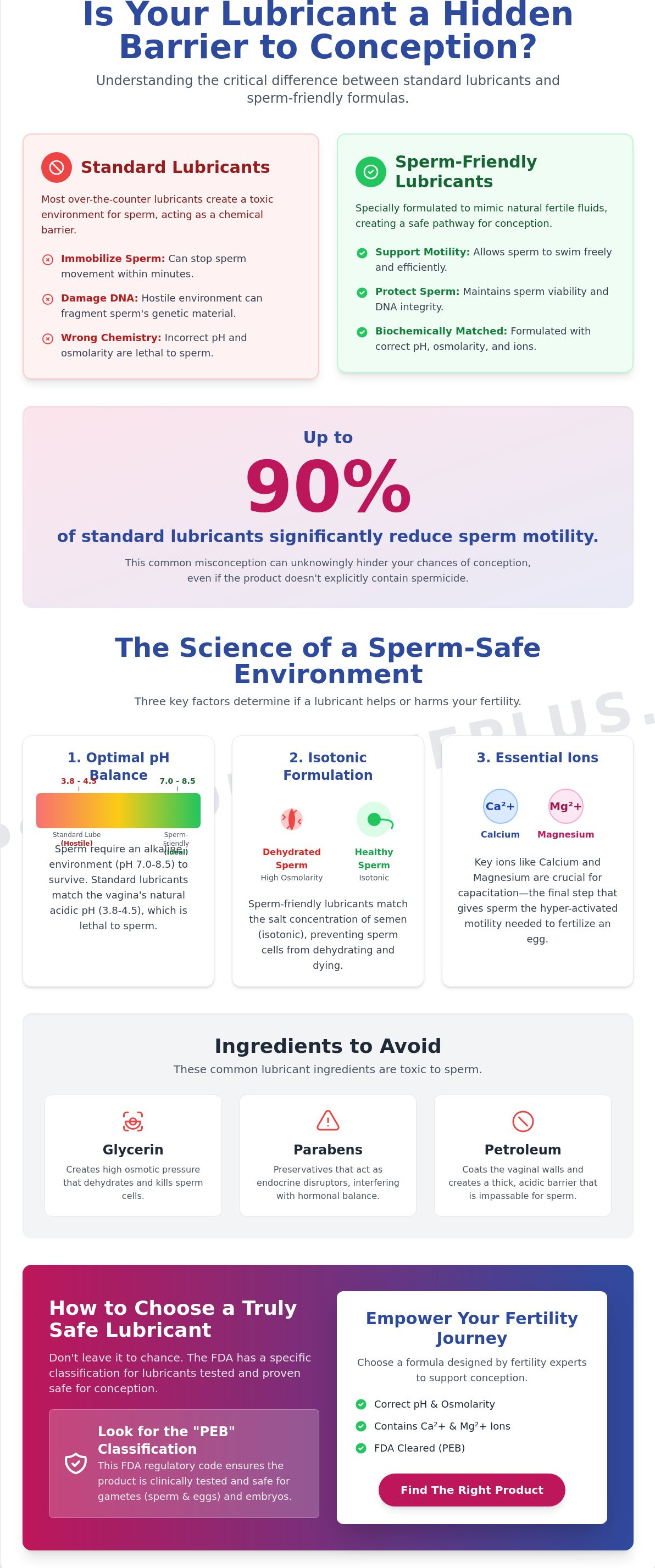
Many couples assume that as long as a lubricant doesn't contain a spermicide, it's safe to use while trying to conceive. This is a common and costly misconception. A true sperm friendly lubricant is a specialized gel designed to mimic the exact properties of fertile cervical mucus. In contrast, clinical studies have shown that up to 90% of standard, over-the-counter lubricants significantly reduce sperm motility. Even without active spermicidal chemicals, these products can immobilize sperm within minutes of contact, effectively ending their journey before they reach the cervix.
The damage isn't just limited to movement. Standard lubricants can also compromise the DNA integrity of the sperm. When sperm cells encounter a hostile environment, the stress can cause fragmentation in their genetic material, which may lead to failed fertilization or early pregnancy loss. To better understand the biological impact of different gels, watch this helpful video from Dr. Natalie Crawford:
The Friction vs. Fertility Dilemma
Vaginal dryness is a frequent hurdle for couples on their fertility journey. The stress of scheduled intercourse and the side effects of medications like Clomid often reduce natural arousal fluid. While reaching for a standard bottle of lube solves the immediate comfort issue, it creates an invisible wall. These thick gels are often too viscous for sperm to swim through. Scientific research into the effects of personal lubricants on fertility confirms that even "natural" options like saliva or olive oil are problematic. Saliva contains digestive enzymes that break down sperm, while olive oil can contain impurities that hinder motility.
Common Ingredients That Kill Sperm
The chemical makeup of standard lubricants is often the primary culprit. Glycerin is one of the most common ingredients, yet it's devastating for fertility. It creates a high osmotic pressure that effectively dehydrates sperm cells, causing them to shrivel and lose their ability to swim. Parabens, used as preservatives, are known endocrine disruptors that can interfere with the delicate hormonal balance of the vaginal canal. Petroleum-based products are equally harmful because they coat the vaginal walls and alter the pH balance, making the environment too acidic for sperm to survive. Switching to a sperm friendly lubricant ensures these toxic barriers are removed from your path to parenthood.
The Science of Sperm-Friendly Lubricant: pH, Osmolarity, and Ions
Most personal lubricants are designed with only friction in mind, but when you're trying to conceive, the chemical environment is just as important as physical comfort. Standard products are often highly acidic to match the natural vaginal pH, which usually sits between 3.8 and 4.5. While this acidity protects against infection, it's lethal to sperm. The American Pregnancy Association explains that sperm require a more alkaline environment, typically around a pH of 7.0 to 8.5, to survive the journey through the reproductive tract. A high-quality sperm friendly lubricant acts as a protective buffer, mimicking the alkaline nature of fertile cervical mucus and semen to ensure sperm aren't immobilized upon contact.
Why Ions Matter for Motility
Creating a neutral pH is only the first step. To actually support the fertilization process, a lubricant should contain key electrolytes. Calcium (Ca2+) and Magnesium (Mg2+) ions are essential for "capacitation," the final stage of sperm maturation. Calcium triggers the hyper-activated movement of the sperm's tail, providing the power needed to penetrate the egg's outer layer. Magnesium supports the cellular energy production required for this intense swimming. Many standard gels ignore these mineral requirements, but you can learn more about this in our detailed guide on Sperm Friendly Lubricant for Fertility: The Science of Supporting Conception in 2026. Using a formula that includes these ions helps maintain the vitality of the sperm as they migrate toward the fallopian tubes.
Osmolarity: The Silent Sperm Killer
Osmolarity refers to the concentration of dissolved particles, like salts and sugars, in a fluid. For a lubricant to be safe for conception, it must be isotonic. This means its salt concentration should match that of natural bodily fluids, specifically within the range of 260 to 400 mOsm/kg. If a lubricant is hypertonic, meaning it has a much higher salt or sugar concentration than the sperm cells, it will literally pull water out of the sperm through osmosis. This osmotic shock causes the sperm to shrivel, lose their shape, and cease all movement within seconds. High-osmolarity lubricants essentially dehydrate sperm, making it impossible for them to reach their target. Choosing a sperm friendly lubricant that is verified as isotonic is a simple way to remove a major obstacle from your fertility journey.
Understanding these biological requirements helps you make an informed choice for your reproductive health. If you want to ensure your environment is as welcoming as possible, you might consider trying clinically developed fertility products that are specifically formulated to support these delicate processes.
How to Identify a Truly Sperm-Friendly Lubricant
Marketing labels can be incredibly misleading when you're scanning the pharmacy shelves. Many products claim to be "natural" or "gentle," but these terms aren't regulated for reproductive safety. To find a truly sperm friendly lubricant, you need to look past the front of the box and check for specific clinical certifications. The gold standard is the FDA’s "PEB" regulatory classification. As of May 25, 2026, the FDA maintains this specific category for lubricants that are compatible with gametes, fertilization, and embryos. Unlike standard lubricants that are only tested for skin irritation, PEB-cleared products undergo rigorous testing to ensure they don't harm sperm motility or survival.
Another critical factor is the base of the formula. All FDA-cleared fertility lubricants as of May 2026 are water-based. This isn't a coincidence. Oil-based or silicone-based products create a thick, heavy barrier that sperm simply can't penetrate. Water-based formulas allow for easy migration, mimicking the fluid consistency of your body's own fertile cervical mucus. You should also be wary of the "spermicide-free" label. While it sounds promising, it only means the product lacks chemicals like Nonoxynol-9. It doesn't guarantee that the pH or osmolarity is safe. A lubricant can be spermicide-free but still kill sperm by being too acidic or having an incorrect salt concentration.
Clinical Markers of Quality
When evaluating a product, distinguish between simple laboratory testing and peer-reviewed clinical studies. High-quality brands invest in research that proves their formula supports sperm survival in real-world conditions. This level of scrutiny ensures that the product maintains a neutral pH of approximately 7.0, matching the environment sperm need to thrive. If you're ready to start with a verified option, you can explore our best-selling fertility products that meet these rigorous standards.
Packaging: Tubes vs. Applicators
The delivery method matters just as much as the ingredients. Multi-use tubes are excellent for external application and general comfort during intimacy. However, for maximum effectiveness, many experts recommend pre-filled internal applicators. These allow you to deposit the lubricant deep within the vaginal vault, near the cervix, where it can coat the area and create a supportive "pathway" for sperm. This targeted delivery ensures the pH is balanced exactly where the sperm begin their journey. For a deeper dive into making the right choice, check out The Ultimate Guide to Fertility Friendly Lubricant: Choosing the Best for Your TTC Journey in 2026. Whether you choose a tube or an applicator, ensuring you use a verified sperm friendly lubricant that is isotonic and pH-neutral is the most proactive step you can take.
Maximizing Fertility: How and When to Use Fertility Lube
Timing your intimacy correctly is the most effective way to increase your chances of getting pregnant. While sperm can survive for up to five days inside the reproductive tract, the egg is only viable for about 12 to 24 hours after release. This creates a critical six-day fertile window where every choice you make matters. Incorporating a sperm friendly lubricant during this period ensures that vaginal dryness, whether caused by stress or fertility medications, doesn't become a physical barrier to conception. By using these specialized gels throughout your most fertile days, you maintain a consistent, supportive environment for sperm migration.
Mastering the Fertile Window
To get the timing right, you first need to identify when ovulation is likely to occur. Many couples find success using an ovulation calculator to map out their cycle and predict their peak days. Combining this data with physical tests provides the most accurate picture of your fertility. If you're unsure about the best time to start testing, you can follow our When to Take an Ovulation Test: A Step-by-Step Timing Guide for 2026. Once you've identified your window, daily use of a fertility-friendly lubricant can help alleviate the discomfort that often comes with scheduled intercourse, making the process more relaxed and productive.
Best Practices for Application
How you apply the product is just as important as when you use it. For the best results, apply the lubricant about 10 to 15 minutes before intercourse. This brief waiting period allows the gel to coat the vaginal vault and stabilize the pH levels before sperm are introduced. Many women prefer using pre-filled internal applicators to ensure the product reaches deep near the cervix, while also using a small amount of gel externally for immediate comfort. You should use enough lubricant to ensure smooth movement and comfort, but be careful not to over-apply so you don't accidentally create a fluid barrier that dilutes the concentration of the sperm sample.
Involving your partner in the application process can also turn a clinical step into a shared part of your journey. When both partners understand how a sperm friendly lubricant works, it reduces the "medical" feel of the process and keeps the focus on your shared goal. To stay organized and proactive, you can use specialized fertility tracking tools to log your lubricant use alongside your temperature and test results. This holistic approach ensures you're doing everything possible to support a successful conception during every cycle.
The Conceive Plus Advantage: More Than Just Lubrication
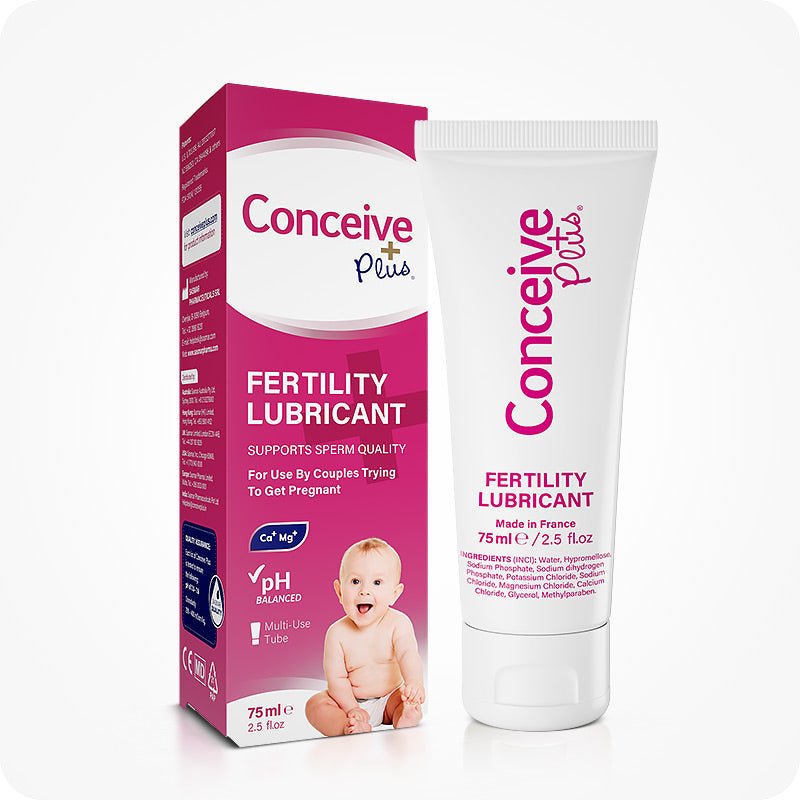
While many products qualify as a sperm friendly lubricant by simply not killing sperm, Conceive Plus was designed to go a step further. Developed by Harvard doctors specializing in human reproductive health, this formula focuses on active support rather than just passive safety. It doesn't just get out of the way; it helps create the optimal conditions for fertilization to occur. This distinction is why thousands of couples globally have turned to Conceive Plus as a trusted partner in their journey toward parenthood. By prioritizing the biological needs of both sperm and the vaginal environment, it bridges the gap between medical science and intimate comfort.
The Power of Ion-Based Formulation
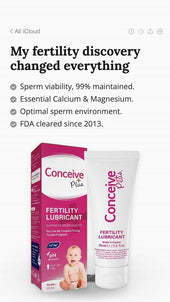
The primary secret to this effectiveness lies in the inclusion of essential Calcium (Ca2+) and Magnesium (Mg2+) ions. These minerals are vital for the "capacitation" and motility of sperm. Most lubricants are merely "sperm-safe," meaning they have a neutral pH but lack the electrolytes sperm need to maintain their energy. Conceive Plus is a "sperm-supporting" lubricant because it provides these ions in a balanced, isotonic formula. This creates a swimming environment that feels more like the body's natural fluids. You can read Conceive Plus success stories and reviews to see how this scientific approach has translated into real-world results for couples facing various fertility challenges.
A Holistic Path to Pregnancy
Success in 2026 often requires looking at the bigger picture. A sperm friendly lubricant is a powerful tool, but it works best when part of a comprehensive strategy. This means addressing fertility from multiple angles, including nutrition and male reproductive health. Many couples find that pairing their lubricant with specialized fertility support, such as prenatal vitamins, helps optimize their chances. Male fertility support is particularly important, as it helps maintain sperm count and quality before the sperm even reach the lubricant.
To make the process simpler, you can shop TTC fertility product bundles that combine these essential tools into one convenient kit. Building a complete fertility kit allows you to feel proactive and prepared for every cycle. By choosing products that are clinically proven and doctor-developed, you remove the guesswork and focus on what matters most: your path to a healthy pregnancy. Every small change you make, from tracking your cycle to choosing the right lubricant, brings you one step closer to your goal.
Taking the Next Step in Your Fertility Journey
Choosing the right tools for your path to parenthood doesn't have to be overwhelming. You now understand that a high-quality sperm friendly lubricant does more than provide comfort; it protects the delicate biological environment sperm need to reach the egg. By focusing on products that maintain a neutral pH and isotonic balance, you're removing hidden barriers that standard lubricants often create. Remember to prioritize formulas that include essential ions and look for the specific FDA PEB classification to ensure your choice is safe for your future family.
Conceive Plus stands apart as a trusted choice, formulated by Harvard doctors and relied upon by millions of couples in over 70 countries since 2008. As the only fertility lubricant enriched with calcium and magnesium ions, it's specifically designed to support the natural fertilization process. It's time to feel empowered and proactive about your reproductive health. Shop the Conceive Plus Fertility Lubricant Collection to Support Your Journey and give your body the supportive environment it deserves. Your path is unique, and every small adjustment brings you closer to the family you're dreaming of. Stay hopeful and keep moving forward.
Frequently Asked Questions
Is regular lubricant safe when trying to conceive?
Regular lubricants are generally not safe for conception because their high acidity and salt concentrations can stop sperm in their tracks. Even if a product isn't labeled as a spermicide, it can still damage the delicate cell membranes of sperm cells. Using a dedicated sperm friendly lubricant ensures you aren't accidentally sabotaging your efforts by creating a hostile environment that prevents sperm from reaching the cervix.
Can sperm-friendly lubricant help me get pregnant faster?
A fertility lubricant won't technically make you "more fertile" or act as a fertility drug, but it prevents the damage caused by standard gels. Its primary role is to preserve the health and motility of the sperm already present in the sample. By removing the chemical and physical barriers found in traditional lubes, you give every sperm cell the best possible chance to reach the egg during your fertile window.
What is the difference between 'sperm-safe' and 'fertility-friendly'?
The term "sperm-safe" is often used loosely in marketing, whereas "fertility-friendly" typically refers to products with specific FDA PEB clearance. This regulatory distinction means the product has undergone rigorous testing for compatibility with eggs and embryos, not just sperm motility. Always look for this clinical evidence rather than vague packaging claims to ensure the highest safety standards for your reproductive journey.
Does Conceive Plus contain any spermicides or harmful chemicals?
Conceive Plus is entirely free from spermicides, parabens, and harsh preservatives like glycerin that could harm reproductive health. It's a water-based formula designed to stay isotonic, meaning it won't dehydrate or shrivel sperm cells upon contact. Every ingredient is carefully selected to be gentle on the vaginal lining while actively supporting the survival and migration of sperm toward the fallopian tubes.
Can I use coconut oil as a sperm-friendly lubricant?
You should avoid using coconut oil as a sperm friendly lubricant because it hasn't been clinically tested for reproductive safety or gamete compatibility. While it's a popular natural moisturizer, oils can coat sperm and significantly impede their ability to swim effectively. Furthermore, coconut oil doesn't have the neutral pH or essential ion balance required to accurately mimic the body's natural fertile cervical mucus.
How do I know if I have vaginal dryness affecting my fertility?
Signs of vaginal dryness include physical discomfort, stinging during intimacy, or a noticeable lack of slippery "egg white" cervical mucus during your fertile days. Many women experience this as a direct side effect of fertility medications like Clomid or due to the psychological stress of timed intercourse. If you find yourself needing extra moisture to make intimacy comfortable, switching to a fertility-safe option is a proactive step.
Should I use the applicator or the tube version of Conceive Plus?
Choosing between the tube and the applicator depends on your specific needs for comfort and delivery. The pre-filled applicators are designed for internal use to coat the vaginal vault and cervix deep inside, which is ideal for supporting sperm travel. The multi-use tube is perfect for external application to provide immediate comfort and reduce friction, and many couples find using both together provides the best results.
Is sperm-friendly lube safe to use with ovulation tests?
Yes, using a fertility lubricant is completely safe alongside ovulation tests and won't interfere with your cycle tracking. Since ovulation tests measure Luteinizing Hormone (LH) levels in your urine, the vaginal application of a lubricant doesn't cross-contaminate or affect the chemical reading. You can continue monitoring your peak fertility days with confidence while using these products to enhance your comfort and support the conception process.
Trusted by Couples in Over 70 Countries
Support Male Fertility From the Inside Out
Male fertility is just as important as female fertility in the conception journey. Conceive Plus Men's range delivers targeted nutritional support to promote healthy sperm and overall reproductive wellbeing.
Shop Men's Range →