The Social Pressure Of Getting Pregnant


Where it comes from
The intense pressure put on some couples, even when the ring has only just been put on the finger, more often than not, comes from the want-to-be grandparents. With their desire to be young enough to enjoy their grandchildren, they panic that time is running out. Once a woman has hit the age of thirty, the questioning is bound to begin. This is all well and good if the couple is ready for children. But what of those who have been trying for months or years with no luck? They may not wish to share this difficult and personal time with everyone they meet. And the constant questioning can only add to their despair and frustration. This additional stress can only hinder their chances of conception further, with stress triggering hormonal responses that make conception difficult. Many stories have been heard of women trying to conceive for many difficult years, only to fall pregnant once they had ‘given up’ and taken that pressure off themselves.What would you do?

✨ Trying to Conceive?
Our Ovulation & Fertility Bundle combines Myo-Inositol with essential vitamins to support healthy hormone balance and regular ovulation.
Shop Now — $55.00✓ Free shipping on orders over $40 | ✓ Trusted by millions of couples worldwide
What is the best response?
So what is the best response when dealing with the pressure from so many people? It is a personal decision as to how much information to share with people; some don’t mind discussing the topic and any issues quite openly, and others like to keep it to themselves. Keeping responses positive is probably the best way, as generally people aren’t aware their questions are causing any distress. Keeping it on a need-to-know basis should help ease some of the constant questions and prying. Obviously, your response will vary depending on the person and your relationship with them. A persistent relation may need a direct, and to the point response to make it clear that you will not be discussing it with them. With a work colleague, deflecting their questions with humor and giving little away, is advisable. Regardless of the decision on whether to have children or when to start trying to conceive, or if fertility problems arise, the pressure put upon women can create a very stressful and detrimental environment. It is a personal decision that is nobody’s business but the couples.🌱 Support Your Fertility Journey
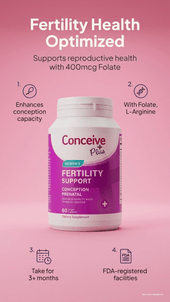
Conceive Plus fertility supplements are clinically formulated to help regulate your cycle and support egg quality.
Shop Fertility Support →Frequently Asked Questions
Recommended by Fertility Experts
Conceive Plus Men's Fertility Support
Designed to support healthy sperm production, motility, and overall male reproductive health with clinically studied nutrients.
Shop Now →How does stress affect fertility and conception?
Stress triggers hormonal responses in the body that can interfere with ovulation and make conception more difficult. Elevated cortisol levels from chronic stress may disrupt the delicate balance of reproductive hormones needed for pregnancy. Many fertility specialists recommend stress-reduction techniques like therapy, meditation, or yoga as part of a comprehensive fertility plan, and some couples have reported conceiving after reducing life pressures.
At what age does female fertility start to decline?
Female fertility begins to decline gradually after age 30, with a more noticeable decrease after age 35, according to the American Society for Reproductive Medicine (ASRM). However, it's important to note that many women in their late 30s and early 40s can still conceive naturally. If you're concerned about age-related fertility changes, consulting with a reproductive endocrinologist can help you understand your individual fertility status through testing.
Should I tell family members if we're struggling to conceive?
This is a deeply personal decision that depends on your comfort level and support system. Sharing with trusted family members can provide emotional support, but you're not obligated to disclose your fertility journey with anyone. If you do choose to share, consider setting boundaries about unsolicited advice or questions regarding your conception timeline.
What should I do if people keep asking when I'm having children?
You have the right to set boundaries with family and friends about personal questions regarding pregnancy. Consider preparing a polite but firm response, such as 'We'll share our family plans when and if we're ready' or redirecting the conversation. If the pressure feels overwhelming, speaking with a therapist or fertility counselor can help you develop coping strategie
Is it normal to not want children, and how do I handle the pressure?
Yes, it is completely normal and valid to choose not to have children—this is an increasingly common choice among Americans. If you're experiencing pressure from others about this decision, remember that your reproductive choices are yours alone to make. Standing firm in your decision and limiting discussions about your family planning can help reduce unwanted pressure and judgment.
When should I see a fertility specialist if I'm having trouble conceiving?
The American College of Obstetricians and Gynecologists (ACOG) recommends seeking evaluation after one year of unprotected intercourse if you're under 35, or after six months if you're 35 or older. If you have known fertility issues or health conditions affecting conception, you may want to consult a reproductive endocrinologist earlier. Many insurance plans cover initial fertility evaluations, so check with your provider about coverage options.
Can supplements like Myo-Inositol improve fertility and hormone balance?
Myo-Inositol is a naturally occurring compound that research suggests may support healthy ovulation and hormone balance, particularly for women with PCOS. While studies show promising results, it's important to consult with your healthcare provider before starting any supplement regimen to ensure it's appropriate for your situation. The FDA does not regulate supplements the same way as medications, so choose brands that have undergone third-party testing for quality and purity.
Trusted by Couples in Over 70 Countries
Support Male Fertility From the Inside Out
Male fertility is just as important as female fertility in the conception journey. Conceive Plus Men's range delivers targeted nutritional support to promote healthy sperm and overall reproductive wellbeing.
Shop Men's Range →