Understanding Your Ovulation Cycle and Falling Pregnant
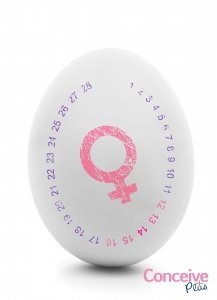

If you’re ready to start trying to conceive, understanding your ovulation cycle can be key to falling pregnant. It’s a good idea to revisit some of your high school biology and learn the ins and outs of the menstrual cycle, ovulation and ultimately conceiving.
A female is born with just under half a million eggs already stored within her ovaries. During puberty, generally between the ages of ten and fourteen, a girl will start her periods. Every month, a ripened egg is released from the ovary. The egg travels along the fallopian tube to the uterus/womb. If the egg has become fertilized by a sperm within the fallopian tube, it will embed itself within the uterus lining, and thus pregnancy begins. If the egg does not become fertilized, it will be flushed out, together with the uterus lining, which is when you have your menstrual bleed. Your period marks the beginning of the next cycle.
Generally, this cycle lasts around 28 days, give or take a few days. The time frame in which you can actually fall pregnant, or your fertile window, lasts only five or six days.
This is the time leading up to and including ovulation, where the egg is released and travels along the fallopian tube. The lifespan of the egg after ovulation is only 12–24 hours, so it has to be fertilized within this time frame, and the lifespan of the sperm is five days. It is these lifecycles that determine the fertile window period of six days. The day of ovulation, and the two days preceding it, offer the best chances of falling pregnant. But how do you know when you are going to ovulate, and therefore plan to fall pregnant? Ovulation generally occurs between 12 and 16 days before your next period starts. You must really get to know your body and learn your cycle, as you will need to have intercourse within with fertile window, preferably at the time of ovulation. Begin by working out what the length of your cycle is—day one of the cycle begins on the first day of your menstrual bleed, and the last day is the day before your next period starts. If you average a cycle of 28 days, you can guesstimate that you will ovulate around day 14 of the cycle. Utilize our ovulation calculator to keep track of your cycle and work out when your fertile window is likely to be.

✨ Trying to Conceive?
Our Ovulation & Fertility Bundle combines Myo-Inositol with essential vitamins to support healthy hormone balance and regular ovulation.
Shop Now — $55.00✓ Free shipping on orders over $40 | ✓ Trusted by millions of couples worldwide
Obviously every woman is different, and also a woman’s cycle may vary sometimes. This can make it quite difficult to determine when the fertile window is each month. Again, learning and reading the signs from your body can help. Below is a list of signs to look out for each month:
- Cervical mucus: a change in cervical mucus can indicate when you are fertile. When it becomes clear and stretchy yet slippery, similar to raw egg white, it’s a sign that you are close to ovulation.
- Some women can experience ovulatory pain, indicating that the process is occurring. It can be one-sided backache or a tender abdomen.
- After you have ovulated, your temperature rises slightly. You can track your basal body temperature daily over a few months to determine if there is a pattern. You can then pinpoint when you are going to ovulate and plan for intercourse in the days preceding this.
Pregnancy tips to help you conceive
The time to start working toward a healthy pregnancy is before you conceive. If you are trying to get pregnant quick, our pregnancy tips are good start to get your body ready for conception process.Information about Conceive Plus
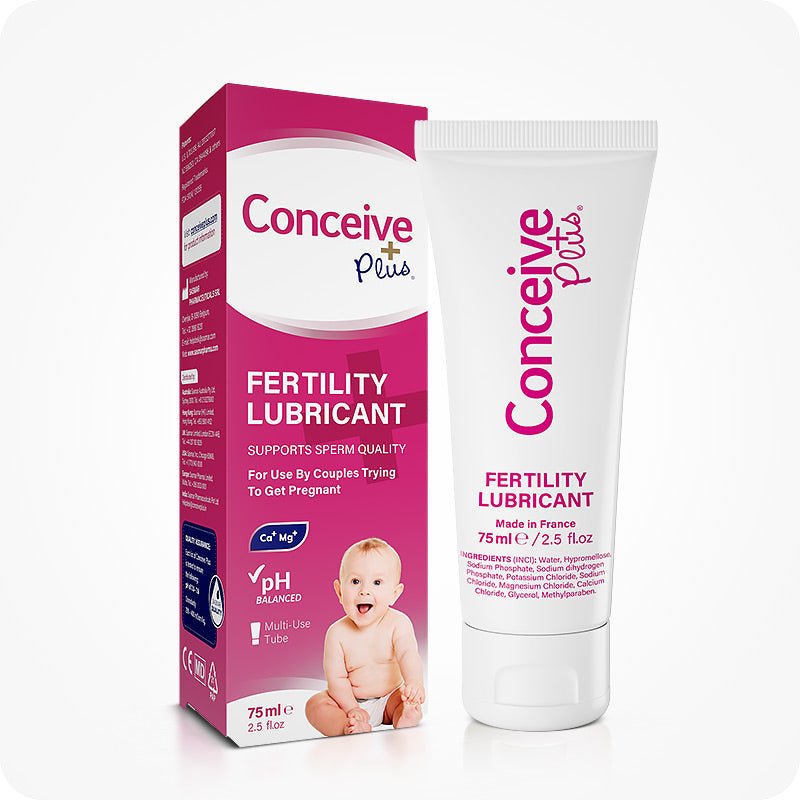
If you have just started trying to get pregnant or have been trying for a while, Conceive Plus® can help increase your chances of conception naturally! Recommended by doctors, pharmacists and fertility clinics in more than 60 countries, this is the fertility friendly lubricant approved by the FDA and a prescription is not required.
For where to buy Conceive Plus, visit our where to buy page
🌱 Support Your Fertility Journey
Conceive Plus fertility supplements are clinically formulated to help regulate your cycle and support egg quality.
Shop Fertility Support →Frequently Asked Questions
Recommended by Fertility Experts
Conceive Plus Men's Fertility Support
Designed to support healthy sperm production, motility, and overall male reproductive health with clinically studied nutrients.
Shop Now →How accurate are ovulation calculators for predicting my fertile window?
Ovulation calculators are helpful tools for estimating your fertile window, but they're most accurate when you have a regular, predictable cycle. However, ovulation timing can vary by a few days each month due to stress, illness, or hormonal fluctuations, so tracking additional signs like basal body temperature or cervical mucus changes can improve accuracy. For those with irregular cycles, consulting with a fertility specialist or using more advanced tracking methods may provide better results.
At what age should I be concerned about fertility if I'm not conceiving?
The American Society for Reproductive Medicine (ASRM) recommends that women under 35 trying to conceive should see a fertility specialist after one year of unprotected intercourse, while women 35 and older should seek evaluation after six months. Age affects fertility because egg quality and quantity decline over time, particularly after age 35. If you have concerns about your fertility at any age, it's best to consult with your OB-GYN or a reproductive endocrinologist.
Does tracking cervical mucus really help me pinpoint ovulation?
Yes, cervical mucus changes are a reliable secondary indicator of ovulation—it becomes clear, stretchy, and egg-white-like during your fertile window as estrogen rises. Combined with other tracking methods like basal body temperature or using an ovulation calculator, cervical mucus observation can significantly improve your ability to time intercourse correctly. This method is free and requires no equipment, making it a popular complementary approach to other fertility tracking tools.
Can irregular periods prevent me from getting pregnant?
Irregular periods can make timing ovulation more difficult, but they don't necessarily prevent pregnancy as long as you're still ovulating. Conditions causing irregular cycles—such as PCOS, thyroid disorders, or hormonal imbalances—may affect fertility, but many are treatable with medical intervention. If you have irregular periods and are trying to conceive, a healthcare pro
What supplements should I take while trying to conceive?
The most commonly recommended supplement for preconception health is prenatal vitamins containing folic acid (400-800 mcg daily), which helps prevent neural tube defects. Other nutrients like vitamin D, iron, and calcium support overall reproductive health, and some studies suggest inositol may help with ovulation regularity, particularly for those with PCOS. Always consult with your doctor or a registered dietitian before starting supplements, as they can review your individual needs and any potential interactions with medications.
Is it normal to have spotting between periods, and could it affect fertility?
Light spotting between periods can occur for various reasons, including hormonal fluctuations, cervical irritation, or sometimes ovulation itself, and it typically doesn't indicate a fertility problem. However, if you experience frequent or heavy spotting, it may signal underlying conditions like polyps, fibroids, or hormonal imbalances that could affect fertility. If you're concerned about abnormal bleeding while trying to conceive, discuss it with your OB-GYN to rule out any treatable conditions.
How does insurance coverage work for fertility treatment in the US?
Insurance coverage for fertility treatment varies significantly by state and plan—some states mandate coverage for infertility diagnosis and treatment, while others cover little to nothing. Coverage may include diagnostic testing, medication, and procedures like IUI, but treatments like IVF are often not covered or only partially covered. It's important to review your specific plan details and contact your insurance provider directly, as requirements often include documentation of infertility (typically 12 months of trying to conceive) before coverage begins.
Trusted by Couples in Over 70 Countries
Support Male Fertility From the Inside Out
Male fertility is just as important as female fertility in the conception journey. Conceive Plus Men's range delivers targeted nutritional support to promote healthy sperm and overall reproductive wellbeing.
Shop Men's Range →