Menstrual Cycle Calendar: Mastering Your Monthly Rhythm
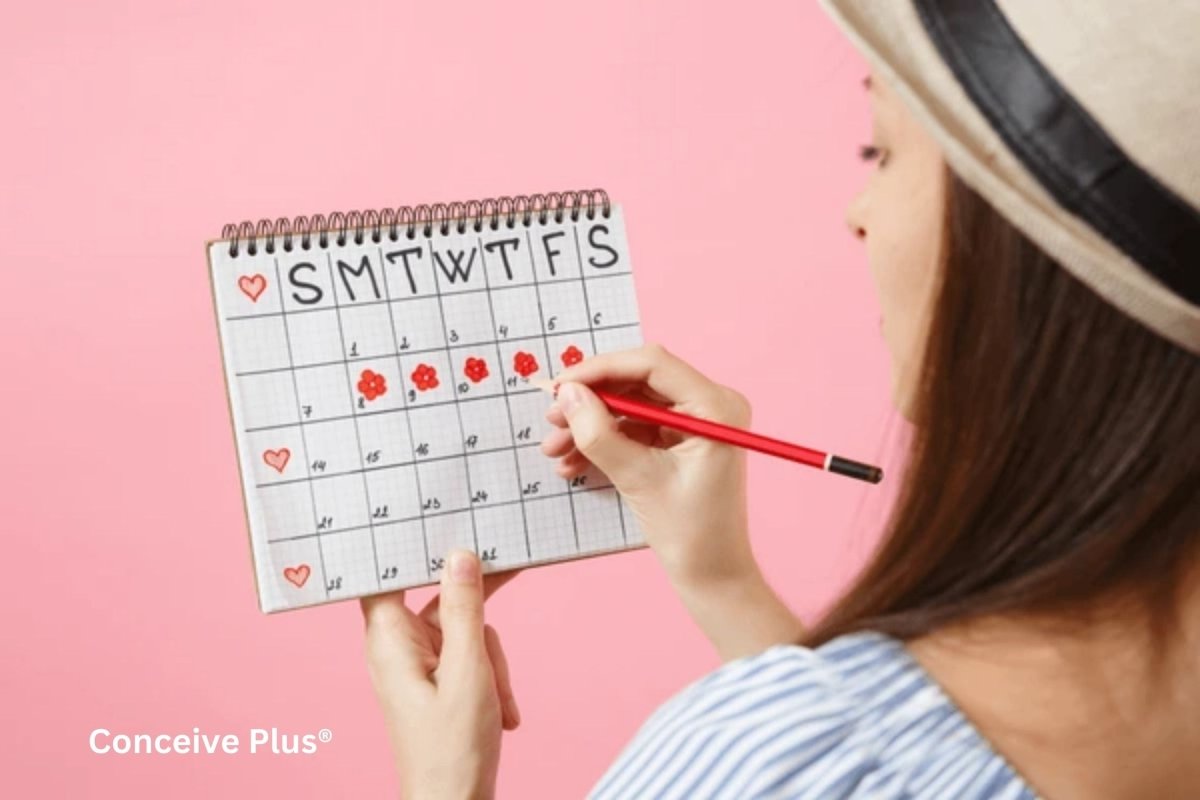

Understanding your body’s natural rhythm is key to taking control of your reproductive health, overall wellness, and even mental well-being. The menstrual cycle, often reduced to a few days of visible bleeding, actually involves a complex series of hormonal changes that affect nearly every system in the body. Tracking these patterns using a menstrual cycle calendar can give you insights into more than just when your period is due. It can serve as a predictive tool, a diagnostic aid, and a personal wellness guide.

The Phases of the Menstrual Cycle
To fully appreciate the benefits of tracking your cycle, it’s helpful to understand the stages involved. A typical menstrual cycle lasts between 21 and 35 days, though 28 is often cited as the average. The cycle is divided into four main phases:
- Menstrual Phase: This is when bleeding occurs. The uterus sheds its lining because fertilization has not taken place.
- Follicular Phase: Triggered by the pituitary gland releasing follicle-stimulating hormone (FSH), this phase involves the growth of follicles in the ovaries. One of these will become the dominant egg.
- Ovulation Phase: Around the midpoint, a surge of luteinizing hormone (LH) causes the dominant follicle to release an egg.
- Luteal Phase: The body prepares for a potential pregnancy. If the egg isn't fertilized, hormone levels drop, and the cycle restarts.
By documenting these phases in a menstruation cycle calendar, individuals can recognize patterns, identify anomalies, and manage symptoms more effectively [1].
Why Tracking Matters
Many people use a menstrual calendar simply to anticipate when their period will arrive. While that’s undoubtedly helpful, especially for planning activities or travel, the benefits go far deeper. Tracking your cycle can help with:
- Fertility Awareness: Knowing your fertile window can increase or decrease your chances of conception depending on your goals.
- Identifying Irregularities: Missing or unusually long cycles can be early signs of medical issues like polycystic ovary syndrome (PCOS) or thyroid dysfunction.
- Monitoring Symptoms: By logging physical and emotional symptoms like cramping, mood swings, or breast tenderness, you may uncover cyclical patterns tied to hormonal shifts.
- Personal Empowerment: When you understand how your cycle affects your body, you can make informed decisions about nutrition, exercise, and self-care routines.
Digital Tools and Apps
Gone are the days of paper planners marked with red ink. Today, numerous apps help users track every aspect of their cycle—from flow intensity to mood fluctuations. Popular options include Clue, Flo, and Ovia, all of which offer cycle predictions, symptom tracking, and even integration with wearable tech.
These apps often use artificial intelligence and machine learning to improve their predictions over time, making them increasingly accurate. They also come with educational content, so users learn more about hormonal changes, fertility windows, and premenstrual symptoms as they go [2].

How Hormones Influence Your Cycle
A menstrual calendar becomes even more powerful when used alongside knowledge of your hormonal landscape. The rise and fall of estrogen and progesterone not only affect the reproductive system but also influence skin condition, energy levels, sleep quality, and mental clarity.
For example:
- High estrogen during the follicular phase often brings higher energy and improved mood [3].
- Progesterone dominates the luteal phase and can cause fatigue, bloating, and irritability.
- A sudden drop in both hormones signals the start of menstruation, often accompanied by cramps or mood changes.
Understanding these fluctuations can help you adapt your daily routines—such as scheduling demanding work during your high-energy days and reserving rest for the days before menstruation.
Cycle Tracking for Contraception and Conception
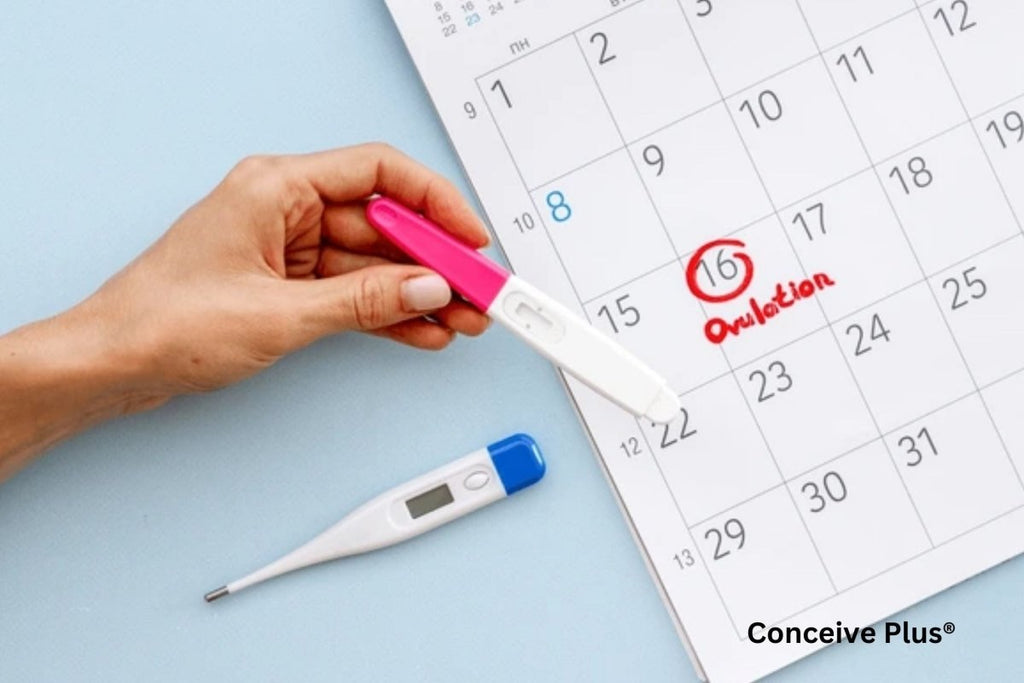
Using a menstrual cycle calendar is a cornerstone of fertility awareness methods (FAM), which are either used to avoid or achieve pregnancy. These methods involve tracking ovulation through signs like basal body temperature, cervical mucus, and cycle length.
For those trying to conceive, pinpointing ovulation increases the chances of timed intercourse. For those avoiding pregnancy, identifying fertile days helps determine when to abstain or use barrier methods.

✨ Trying to Conceive?
Our Ovulation & Fertility Bundle combines Myo-Inositol with essential vitamins to support healthy hormone balance and regular ovulation.
Shop Now — $55.00✓ Free shipping on orders over $40 | ✓ Trusted by millions of couples worldwide
It’s important to note that while this approach can be effective, it requires consistency and education. Not all cycles are perfectly predictable, and variables like stress or illness can delay ovulation [4].
Medical Conditions That Benefit from Cycle Monitoring
Cycle tracking can also play a crucial role in diagnosing and managing several health conditions:
- Polycystic Ovary Syndrome (PCOS): Irregular or absent periods are a hallmark of PCOS. Tracking can help highlight these irregularities and assess treatment success.
- Endometriosis: Women with endometriosis often experience cyclical pain. A calendar helps correlate pain intensity with hormonal changes.
- Hypothalamic Amenorrhea: Common in athletes or individuals with eating disorders, this condition results in missed periods. Logging data provides insight into how lifestyle changes affect recovery.
- Perimenopause: As menopause approaches, cycles become more erratic. Documenting changes helps both patient and doctor recognize this transitional stage [5].
If you're noticing changes in your cycle, such as a shift in the timing or length, this article on why is my menstrual cycle getting shorter offers insights into potential causes and what might be influencing these changes.

The Psychological Impact of Cycle Tracking
Beyond the physical, there's a mental and emotional aspect to understanding your menstrual cycle. By connecting daily emotions to hormonal patterns, users often report feeling more in tune with their bodies. This awareness fosters self-compassion, especially when navigating symptoms like mood swings or fatigue.
Some users describe cycle tracking as “body literacy,” a way to reclaim autonomy over health decisions that are often medicalized or dismissed. For those with a history of menstrual shame or stigma, the act of tracking can be a form of empowerment.
Educating Adolescents with Cycle Calendars
Introducing the concept of cycle tracking during adolescence can promote body awareness and emotional intelligence. Teens who learn to log their periods early are more likely to recognize irregularities, understand PMS, and seek timely medical advice when necessary.
Parents, educators, and healthcare providers can play a key role by normalizing menstruation as a vital sign—just like heart rate or blood pressure—and encouraging the use of tools to monitor it.
Integrating Lifestyle and Nutrition
The menstrual cycle affects—and is affected by—diet, exercise, and stress. A well-kept calendar can reveal how lifestyle choices impact the cycle over time. For instance:
- Intense workouts may delay ovulation.
- Diets low in fat can disrupt hormone production.
- Chronic stress may lengthen or shorten cycle length.
By keeping track of these variables, users can identify helpful changes, such as increasing omega-3 intake to reduce inflammation or adjusting workout intensity during different phases.
When to Consult a Healthcare Professional
While a calendar offers valuable insights, it’s not a substitute for medical evaluation. Irregular bleeding, cycle lengths consistently outside the 21–35 day range, or intense pain should prompt a visit to a gynecologist. Sharing your tracked data can aid diagnosis and treatment planning.
Cycle irregularities may stem from underlying conditions that require targeted therapies, ranging from hormonal treatments to lifestyle interventions. Your menstruation cycle calendar serves as a helpful record during these consultations, ensuring that care is based on comprehensive and accurate information [6].
For those wondering about infertility despite having a regular cycle, this article on can you be infertile and still have regular periods explores the possibility of infertility in individuals with seemingly normal menstrual rhythms.
Customizing Your Tracking System
Not every calendar has to be app-based or data-heavy. Some individuals prefer handwritten logs or visual diagrams. What matters most is consistency and personal relevance. You can choose to track only period dates or expand to include physical symptoms, moods, exercise, and diet.
For those managing chronic conditions, integrating cycle data with other health metrics (like blood sugar, sleep, or medications) can offer an even broader understanding of how hormonal cycles interact with overall wellness.
Global and Cultural Perspectives on Cycle Awareness
Around the world, attitudes toward menstruation and cycle tracking vary widely. In some cultures, menstruation is considered taboo, limiting education and awareness. In others, it is embraced and celebrated as a symbol of life and vitality.
Technology has played a democratizing role in making cycle tracking more accessible, even in regions where health education is lacking. Mobile apps and social media platforms now allow individuals to learn and share their experiences across cultural and geographic boundaries, contributing to a global conversation about reproductive health.
The Bottom Line
Whether you're trying to conceive, manage a health condition, or simply gain a better understanding of your body, a menstrual cycle calendar offers clarity and control. In a world where knowledge is power, tracking your cycle is a small act that yields immense rewards. From predicting your period to monitoring hormonal shifts, this tool provides personalized insights that elevate both physical and emotional wellness.
Used consistently and mindfully, a menstruation cycle calendar becomes more than a date tracker—it transforms into a self-care strategy, a diagnostic companion, and a roadmap for lifelong reproductive health. As awareness grows and technology advances, this once-simple tool is now a vital part of personalized health management for people around the world.
References
- Thiyagarajan DK, Basit H, Jeanmonod R. Physiology, Menstrual Cycle. [Updated 2024 Sep 27]. In: StatPearls [Internet]. Treasure Island (FL): StatPearls Publishing; 2025 Jan-. Available from: https://www.ncbi.nlm.nih.gov/books/NBK500020/
- Wideman L, Montgomery MM, Levine BJ, Beynnon BD, Shultz SJ. Accuracy of calendar-based methods for assigning menstrual cycle phase in women. Sports Health. 2013 Mar;5(2):143-9. doi: 10.1177/1941738112469930. PMID: 24427382; PMCID: PMC3658377.
- Delgado BJ, Lopez-Ojeda W. Estrogen. [Updated 2023 Jun 26]. In: StatPearls [Internet]. Treasure Island (FL): StatPearls Publishing; 2025 Jan-. Available from: https://www.ncbi.nlm.nih.gov/books/NBK538260/
- Schantz JS, Fernandez CSP, Anne Marie ZJ. Menstrual Cycle Tracking Applications and the Potential for Epidemiological Research: A Comprehensive Review of the Literature. Curr Epidemiol Rep. 2021 Mar;8(1):9-19. doi: 10.1007/s40471-020-00260-3. Epub 2021 Feb 20. PMID: 34055569; PMCID: PMC8162175.
- Peacock K, Carlson K, Ketvertis KM. Menopause. [Updated 2023 Dec 21]. In: StatPearls [Internet]. Treasure Island (FL): StatPearls Publishing; 2025 Jan-. Available from: https://www.ncbi.nlm.nih.gov/books/NBK507826/
- Jouanne M, Oddoux S, Noël A, Voisin-Chiret AS. Nutrient Requirements during Pregnancy and Lactation. Nutrients. 2021 Feb 21;13(2):692. doi: 10.3390/nu13020692. PMID: 33670026; PMCID: PMC7926714.
🌱 Support Your Fertility Journey
Conceive Plus fertility supplements are clinically formulated to help regulate your cycle and support egg quality.
Shop Fertility Support →Frequently Asked Questions
Recommended by Fertility Experts
Conceive Plus Men's Fertility Support
Designed to support healthy sperm production, motility, and overall male reproductive health with clinically studied nutrients.
Shop Now →Q: How do I calculate my menstrual cycle if it's 21 days vs. 30 days?
A: Your menstrual cycle length is counted from the first day of bleeding (Day 1) to the day before your next period starts. A 21-day cycle is shorter than the typical 28-day average but still falls within the normal range of 21-35 days according to the American College of Obstetricians and Gynecologists (ACOG). To track a 21-day cycle, mark Day 1 of bleeding and count forward 21 days to predict your next period; for a 30-day cycle, simply extend that tracking by nine days. The key is consistency—track for at least 2-3 months to confirm your personal pattern, as cycle length can vary slightly month to month. Understanding your specific cycle length helps optimize timing for conception or family planning goals.
Q: What's the best way to use a menstrual cycle calendar for irregular periods?
A: For irregular periods, track at least 6-12 months of data to identify patterns rather than relying on prediction alone, as the American Society for Reproductive Medicine (ASRM) recommends. Record the start date, end date, and flow intensity for each period to spot trends in cycle length, which can help distinguish between normal variation (21-35 days) and clinical irregularity. Many women with irregular cycles benefit from using digital tracking apps alongside a physical calendar for backup documentation that you can share with your healthcare provider. If tracking reveals cycles consistently outside the 21-35 day range or significant month-to-month variations, consult your doctor to rule out conditions like PCOS or thyroid disorders. Combining calendar tracking with lifestyle factors—stress, sleep, nutrition, and supplements like Conceive Plus prenatal vitamins—can help support cycle regularity and overall reproductive health.
Q: Can a menstrual cycle calendar help predict ovulation and fertility windows?
A: Yes, a menstrual cycle calendar can estimate your fertile window, which typically occurs 5 days before ovulation through the day of ovulation itself. For a regular 28-day cycle, ovulation usually occurs around Day 14, making Days 9-14 your most fertile period, though this varies based on individual cycle length. The calendar method alone has about 76-88% effectiveness according to fertility studies, but combining it with ovulation tracking methods—like basal body temperature or ovulation predictor kits—significantly improves accuracy. If you're trying to conceive, tracking your cycle with a calendar helps you time intercourse during peak fertility and allows you to monitor whether Conceive Plus and other fertility supplements are supporting your reproductive health goals. Regular cycle tracking also helps your fertility specialist identify potential issues like anovulation (cycles without ovulation) if conception doesn't occur after 12 months of trying.
Q: Why should I track my menstrual cycle beyond just predicting my period?
A: Menstrual cycle tracking reveals how hormonal fluctuations affect your physical and mental health throughout the month, including energy levels, mood, sleep, and even athletic performance. Research shows that tracking your cycle can help identify patterns related to PMS, PMDD (Premenstrual Dysphoric Disorder), and other gynecological conditions that affect approximately 30-40% of menstruating women. A comprehensive cycle calendar serves as valuable documentation for your healthcare provider, helping them diagnose issues faster and recommend appropriate treatments or lifestyle modifications. Beyond reproductive health, cycle awareness allows you to optimize your nutrition, exercise, and self-care routines to align with each phase—knowledge that empowers better overall wellness. For those seeking to conceive, detailed cycle tracking combined with proper nutrition and fertility support through supplements helps create the optimal hormonal environment for pregnancy.
Q: What should I record in my menstrual cycle calendar for the most useful tracking?
A: At minimum, record the first and last day of bleeding, cycle length, and flow intensity (light, moderate, heavy) to establish a baseline for comparison over time. The American College of Obstetricians and Gynecologists recommends also noting secondary symptoms like cramps, headaches, mood changes, and energy levels to create a complete picture of your cycle. Additional helpful data includes basal body temperature (if tracking ovulation), cervical mucus changes, and any lifestyle factors like stress, exercise, or changes in diet and supplementation. If you're using fertility supplements like Conceive Plus, note when you started them and any changes in cycle regularity or symptom severity to assess effectiveness. Reviewing this comprehensive data monthly with a calendar view helps you spot patterns that might otherwise go unnoticed and gives your healthcare provider actionable information for personalized care recommendations.
Trusted by Couples in Over 70 Countries
Support Male Fertility From the Inside Out
Male fertility is just as important as female fertility in the conception journey. Conceive Plus Men's range delivers targeted nutritional support to promote healthy sperm and overall reproductive wellbeing.
Shop Men's Range →