How Does The Model of Male Reproductive System Explain Fertility?


The model of male reproductive system is fundamental for understanding male fertility. It comprises various internal and external structures that contribute to sperm production, storage, and delivery. For those on a journey to conceive, knowing how the male reproductive system operates can help identify potential challenges and improve overall reproductive health.

Overview of the Male Reproductive System
The reproductive system for male includes both external and internal male anatomy organs that collaborate to produce and deliver sperm. Each component of the male anatomy is crucial in the process of man reproduction.
External Organs:
- Penis: This primary male genital organ is responsible for sexual intercourse and urination. It encases the urethra, a tube that allows both urine and semen to exit the male body.
- Scrotum: A skin pouch that holds the testicles. It regulates the temperature of the testes, keeping them cooler than the rest of the body, which is essential for sperm production. This is often depicted in a male anatomy diagram.
- Testicles (or testes): These are the key males reproductive organs within the scrotum that produce sperm and secrete testosterone, the primary male hormone.
Internal Organs:
- Vas Deferens: A vital part of the tubes male system, this muscular tube transports mature sperm from the epididymis to the urethra during ejaculation.
- Prostate Gland: Situated just below the bladder, this gland produces a fluid that nourishes and transports sperm, forming a significant portion of semen. It’s an essential part of the male human anatomy.
- Seminal Vesicles: These glands secrete a fructose-rich fluid that supplies energy to sperm, contributing to the volume of ejaculate.
- Bulbourethral Glands: Also known as Cowper's glands, they secrete a clear fluid that lubricates the urethra and neutralizes acidic urine, providing a safer passage for sperm.
Top Tip: Regular self-examination of male human body parts, especially the testicles, is important for detecting changes like lumps or swelling early, which could indicate conditions such as testicular cancer.
Hormonal Regulation of the Male Reproductive System
The reproductive system function heavily relies on hormones to regulate sperm production and maintain male sexual characteristics. Key hormones involved are:
- Testosterone: Produced by the male reproductive anatomy organs in the testicles, testosterone is crucial for developing secondary sexual traits like facial hair, muscle mass, and supporting sperm production.
- Follicle-Stimulating Hormone (FSH) and Luteinizing Hormone (LH): These hormones are produced by the pituitary gland and are critical for regulating sperm production and testosterone levels, ensuring the male reproductive system functions properly [1].
Hormonal imbalances can lead to problems such as low sperm count or poor sperm quality, both of which can negatively affect fertility [4].
Top Tip: Eating a balanced diet rich in zinc, selenium, and vitamin D can help maintain a healthy hormonal balance, which is vital for good sperm health and overall anatomy of the male body.

Anatomy of the Male Reproductive System and the Pathway of Sperm
The male reproductive system diagram is an essential tool for understanding the role of each part in fertility. Sperm are produced in the testicles, particularly in the seminiferous tubules. After production, they travel to the epididymis, where they mature and are stored until ejaculation.
During ejaculation, sperm move through the vas deferens, an important part of the tubes male, and mix with fluids from the seminal vesicles and prostate gland. This combination, known as semen, is expelled through the urethra.
Diagrams like the diagram of male reproductive system and the male reproductive anatomy diagram illustrate these processes, showing the path sperm take from creation in the testicles to release from the body. Understanding the organ diagram male is essential for grasping the structure and function of the reproductive system [2].


✨ Support Healthy Sperm
Our Motility Support supplement contains Zinc, CoQ10, and L-Carnitine — clinically studied nutrients for sperm health and motility.
Shop Now — $34.95✓ Free shipping on orders over $40 | ✓ Trusted by millions of couples worldwide
Understanding the diagram of male anatomy is crucial for visualizing how each part of the male reproductive system functions together. This diagram provides a clear picture of the layout and interactions between different organs, which can help identify any potential issues that might affect fertility.
Top Tip: Drinking plenty of water daily is crucial for maintaining overall health, including semen production. Staying hydrated helps ensure optimal functioning of all body systems, including the reproductive system.

Factors Affecting Male Reproductive Health
The anatomy of a man encompasses both external and internal reproductive structures, and understanding the male genital anatomy is essential for recognizing the factors that affect fertility. This complex network of ducts, glands, and external organs is vital for sperm production and delivery. Diagrams of mens organ anatomy and detailed images of the male reproductive anatomy labeled provide clear visuals of these structures.
Health conditions that can impact the male reproductive anatomy include:
- Erectile Dysfunction: Difficulties in achieving or maintaining an erection can result from physical, hormonal, or psychological causes. Such conditions are often discussed in health-related questions, including "which of the following correctly describes an erection" [3].
- Male Infertility: This can be due to a variety of factors, including low sperm count, poor sperm motility, or anatomical abnormalities like blockages [6].
- Prostate Conditions: Issues like prostate cancer or benign prostatic hyperplasia (BPH) can affect the prostate's function, impacting semen production and flow.
- Testicular Disorders: Conditions like testicular cancer or infections can disrupt sperm production and alter hormone levels.
- Sexually Transmitted Infections (STIs): These infections can cause inflammation or damage to the male reproductive organs, potentially leading to fertility issues.
Top Tip: Regular check-ups and consultations with a healthcare provider are crucial for maintaining reproductive health and early detection of any potential issues.

The Role of Diagrams in Understanding Male Reproductive Health
Visual aids like the diagram of the male internal organs and male anatomy diagram provide a clearer understanding of the men anatomy and how each organ functions within the reproductive system. These resources, such as the male reproductive system diagram labeled, help illustrate the positions and relationships of each part, making it easier to understand their roles in fertility.
Learning to interpret these diagrams can assist in self-examinations and improve discussions with healthcare professionals. Familiarizing oneself with the male human anatomy and male anatomy organs ensures a better understanding of the body’s functions and potential health concerns.
Educational resources often use a diagram male reproductive organs to show the detailed structure of the male reproductive system. These diagrams help explain the complex network of ducts and glands involved in sperm production, storage, and transportation, which are vital for effective male fertility [5].
Top Tip: Utilize online tools and anatomical diagrams to increase your knowledge of mens organ anatomy, enabling you to take proactive steps in managing your reproductive health.

Enhancing Fertility with Conceive Plus Products
Maintaining the health of the male reproductive system is key to improving fertility. Conceive Plus offers a range of products tailored to support male reproductive health:
- Conceive Plus Men’s Fertility Support: A supplement rich in essential vitamins and minerals to enhance sperm quality and count.
- Conceive Plus Motility Support: Formulated to improve sperm motility, which is crucial for successful fertilization.
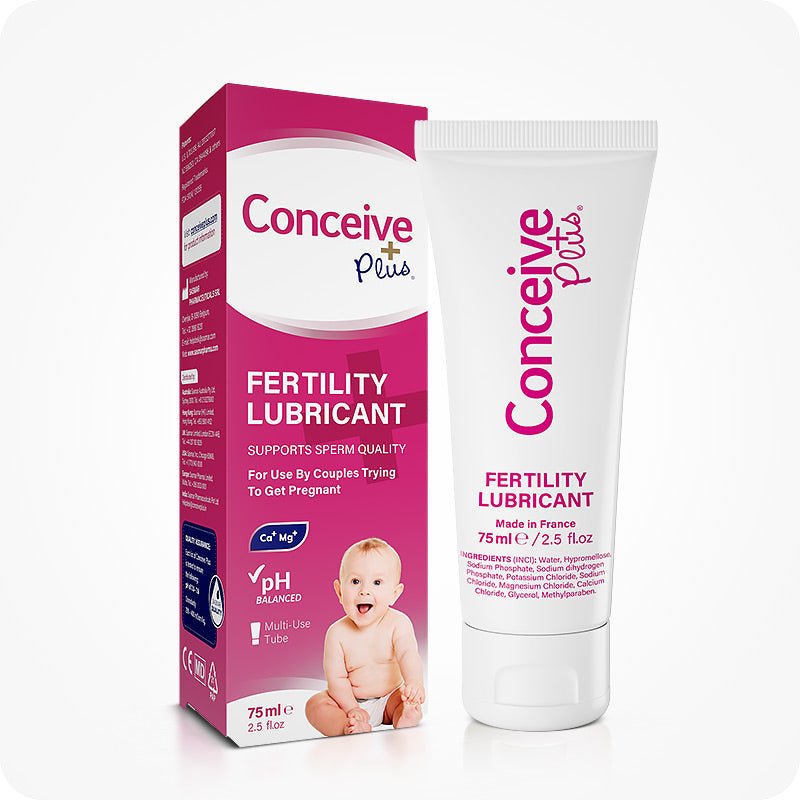
- Conceive Plus Fertility Lubricant: This lubricant contains ions such as calcium and magnesium that support sperm viability and enhance natural conception.
Incorporating these products, along with a healthy diet, regular exercise, and a balanced lifestyle, can significantly improve natural fertility.
Top Tip: Consider adding Conceive Plus products to your daily routine to boost sperm health and motility, enhancing the likelihood of successful conception.
Final Thoughts
The model of male reproductive system provides a comprehensive understanding of male fertility. Each part, from the penis to the prostate gland, plays a vital role in the creation and delivery of sperm. Keeping these structures healthy is essential for optimizing fertility, particularly for those trying to conceive. By incorporating Conceive Plus products and maintaining healthy habits, couples can significantly increase their chances of successful conception.
FAQs
What is the male reproductive system?
The male reproductive system includes all the organs involved in producing, maintaining, and transporting sperm.
How does the male reproductive system function?
It functions by producing sperm, secreting male sex hormones, and transporting sperm for ejaculation.
What factors can affect male fertility?
Factors like hormonal imbalances, infections, lifestyle choices, and specific medical conditions can impact fertility.
How do Conceive Plus products help with fertility?
Conceive Plus offers supplements and lubricants that support sperm health and motility, enhancing the chances of conception.
What lifestyle changes can improve male reproductive health?
Regular exercise, a balanced diet, avoiding smoking, and reducing alcohol intake can enhance reproductive health.
Can men produce sperm throughout their lives?
Yes, men can produce sperm throughout their lives, although sperm quality may decline with age.
Citations
- Healthline. "Understanding the Male Reproductive System." Retrieved from: https://www.coursehero.com/file/235364466/Male-Systemdocx/
- Mayo Clinic. "Low sperm count - Symptoms and causes" Retrieved from: https://www.mayoclinic.org/diseases-conditions/low-sperm-count/symptoms-causes/syc-20374585
- Cleveland Clinic. "Prostate Gland Function and Health." Retrieved from: https://my.clevelandclinic.org/health/body/23965-prostate
- WebMD. "Hormonal Regulation of the Male Reproductive System." Retrieved from: https://www.webmd.com/sex-relationships/male-reproductive-system
- National Institutes of Health (NIH). "Anatomy and Physiology of the Male Reproductive System." Retrieved from: https://www.ncbi.nlm.nih.gov/pmc/articles/PMC4076481/
- American Urological Association. "Understanding Male Infertility and its Causes." Retrieved from: https://www.auanet.org/meetings-and-education/for-medical-students/medical-students-curriculum/male-infertility
🌱 Boost Male Fertility Naturally
Conceive Plus Men's Motility Support is formulated with the nutrients that matter most for sperm quality, count, and motility.
Shop Men's Fertility →Frequently Asked Questions
Recommended by Fertility Experts
Conceive Plus Men's Fertility Support
Designed to support healthy sperm production, motility, and overall male reproductive health with clinically studied nutrients.
Shop Now →What is the ideal temperature for testicles and how does it affect sperm production?
The scrotum maintains testicles at a temperature approximately 2-3 degrees Fahrenheit below body temperature, which is essential for optimal sperm production. When testicles become too warm—from tight clothing, prolonged sitting, or fever—sperm production can be significantly reduced, though this is usually reversible once normal temperature is restored. This is why the scrotum's regulatory function is critical to male fertility.
How long does it take for sperm to develop from start to finish?
The complete process of sperm development, called spermatogenesis, takes approximately 74 days from start to finish. This lengthy production cycle means that any health improvements or lifestyle changes may take several months to impact sperm quality. Understanding this timeline is important when seeking fertility treatment or making lifestyle modifications to improve reproductive health.
What role does the prostate gland play in male fertility?
The prostate gland produces a nutrient-rich fluid that comprises about 30% of semen and nourishes sperm while helping them survive in the acidic environment of the female reproductive tract. Prostate health directly impacts fertility, as inflammation or infection (prostatitis) can reduce semen quality and affect sperm motility. Regular check-ups with a urologist or fertility specialist are important for maintaining prostate health, especially if experiencing fertility issues.
Can varicoceles affect male fertility, and how are they treated?
Varicoceles, which are enlarged veins in the scrotum, can impair sperm production by raising local temperature and reducing blood flow, making them one of the most common treatable causes of male infertility. Many cases can be managed with lifestyle modifications, but if fertility is affected, urologists or fertility specialists may recommend varicocele repair surgery, which is covered by most insurance plans in the US. Studies show that surgical correction can improve sperm parameters in approximately 60-70% of men with infertility.
What hormone imbalances most commonly affect male fertility?
Low testosterone (hypogonadism), elevated prolactin, and thyroid disorders are the most common hormonal imbalances affecting male fertility in the United States. These conditions can reduce sperm production, decrease sexual function, or both, and can be identified through blood tests ordered by a fertility specialist or urologist. Treatment options vary depending on the underlying cause and may include medications, lifestyle changes, or hormone replacement therapy.
How can men monitor their reproductive health at home?
Monthly testicular self-examinations are recommended to check for lumps, swelling, pain, or other changes that could indicate conditions affecting fertility or health. Men should perform these exams in a warm shower when the scrotum is relaxed, using both hands to gently examine each testicle. Any persistent changes should be reported to a healthcare provider, and men concerned about fertility should see a board-certified urologist or fertility specialist for comprehensive evaluation.
What lifestyle factors most impact male sperm quality?
Smoking, excessive alcohol consumption, obesity, poor diet, lack of exercise, and chronic stress are major lifestyle factors that can significantly reduce sperm count, motility, and morphology. Heat exposure from hot tubs, saunas, or prolonged sitting can also temporarily impair sperm production. The American Society for Reproductive Medicine (ASRM) recommends addressing these factors before seeking fertility treatment, as improvements often take 2-3 months to appear in sperm parameters.
Trusted by Couples in Over 70 Countries
Support Male Fertility From the Inside Out
Male fertility is just as important as female fertility in the conception journey. Conceive Plus Men's range delivers targeted nutritional support to promote healthy sperm and overall reproductive wellbeing.
Shop Men's Range →